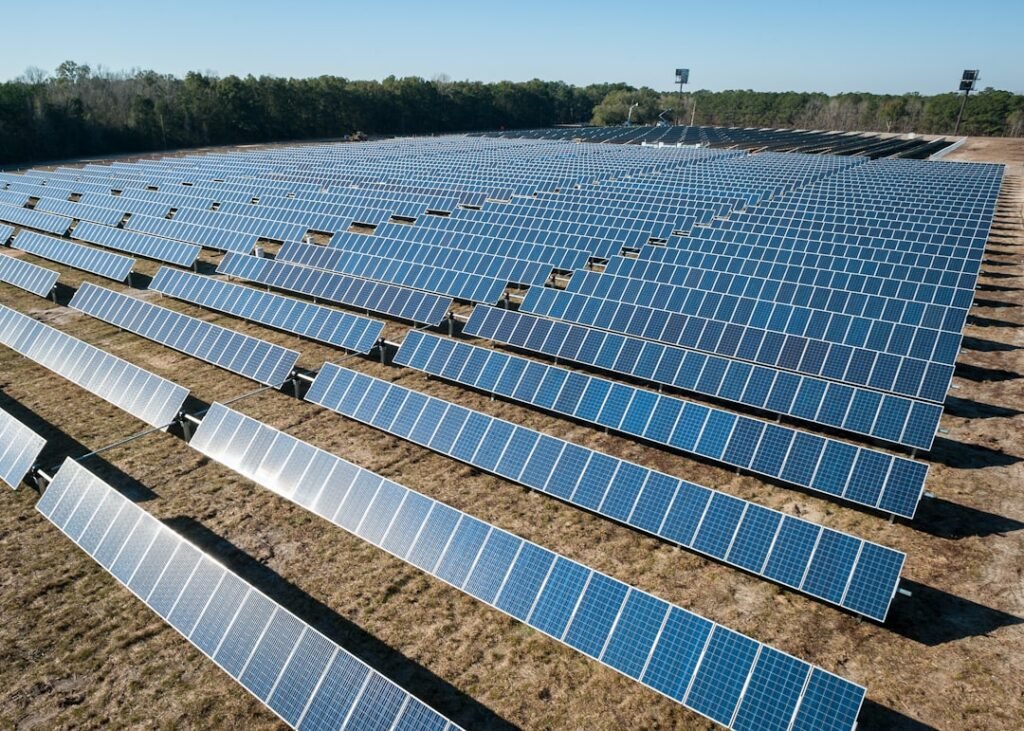
In recent years, the demand for sustainable and eco-friendly solutions has surged, leading to innovative technologies that harness renewable energy. One such advancement is the solar water pump, a device that utilizes solar energy to move water for various applications, including irrigation, livestock watering, and even residential use. As you explore the world of solar water pumps, you will discover how they can significantly reduce your reliance on traditional energy sources while providing a reliable water supply.
Solar water pumps operate by converting sunlight into electricity through photovoltaic panels. This electricity powers the pump, allowing it to draw water from wells, rivers, or other sources. The simplicity and efficiency of this technology make it an attractive option for those looking to minimize their carbon footprint and embrace sustainable practices.
As you delve deeper into the benefits and types of solar water pumps, you will gain a clearer understanding of how they can transform your water management strategies.
Key Takeaways
- Solar water pumps use solar energy to pump water, providing a sustainable and cost-effective solution for water supply.
- Benefits of using solar water pumps include reduced energy costs, environmental sustainability, and independence from grid electricity.
- Types of solar water pumps include submersible, surface, and floating pumps, each suitable for different water sources and applications.
- Factors to consider when choosing a solar water pump include water requirements, solar panel capacity, pump efficiency, and maintenance needs.
- Top brands and models of solar water pumps include Grundfos, Lorentz, and Shurflo, offering a range of options for different needs and budgets.
Benefits of Using Solar Water Pumps
One of the most compelling advantages of solar water pumps is their ability to operate independently of the electrical grid. This autonomy is particularly beneficial in remote areas where access to electricity is limited or non-existent. By utilizing solar energy, you can ensure a consistent water supply without incurring high energy costs or relying on fossil fuels.
This independence not only enhances your self-sufficiency but also contributes to a more sustainable future. Additionally, solar water pumps are known for their low maintenance requirements. Unlike traditional pumps that may require frequent repairs or replacements due to wear and tear from mechanical components, solar pumps have fewer moving parts.
This durability translates into lower long-term costs and less hassle for you as a user. Furthermore, the environmental benefits are significant; by opting for solar energy, you are reducing greenhouse gas emissions and promoting cleaner air quality.
Types of Solar Water Pumps
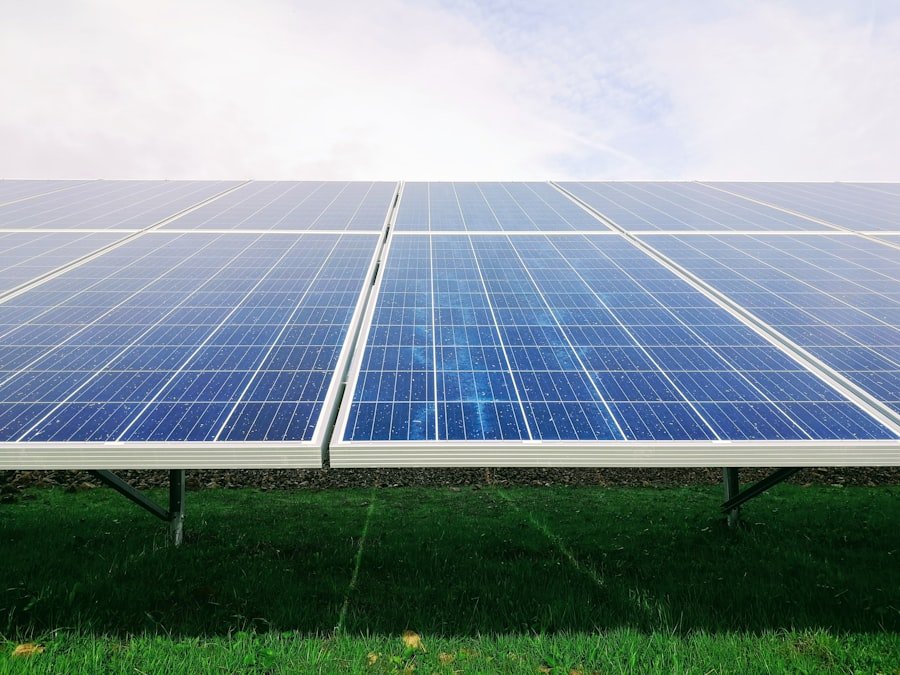
When considering solar water pumps, it is essential to understand the different types available on the market. The two primary categories are surface pumps and submersible pumps. Surface pumps are designed to draw water from shallow sources, such as ponds or streams, while submersible pumps are submerged in deeper water sources like wells.
Depending on your specific needs and the depth of your water source, you will need to choose the appropriate type. In addition to these categories, solar water pumps can also be classified based on their intended use. For instance, agricultural solar pumps are tailored for irrigation purposes, while those designed for livestock watering focus on providing a reliable supply of water for animals.
There are also solar pumps suitable for residential applications, such as supplying water for household use or garden irrigation. By understanding these distinctions, you can make an informed decision that best suits your requirements.
Factors to Consider When Choosing a Solar Water Pump
Selecting the right solar water pump involves several critical factors that you should carefully evaluate. First and foremost, consider the depth of your water source. If you are drawing from a well, you will need a submersible pump capable of reaching the required depth.
Conversely, if your water source is shallow, a surface pump may suffice. Understanding the specific characteristics of your water source will help you narrow down your options. Another important consideration is the flow rate and pressure required for your application.
Different pumps have varying capacities, so it is crucial to assess how much water you need and at what pressure. For instance, agricultural applications may require higher flow rates to irrigate large areas efficiently, while residential uses may demand less. By determining your needs upfront, you can select a pump that meets your requirements without overpaying for unnecessary features.
Top Brands and Models of Solar Water Pumps
As you explore the market for solar water pumps, you’ll encounter several reputable brands known for their quality and reliability. One such brand is Grundfos, which offers a range of submersible solar pumps designed for both agricultural and residential applications. Their products are renowned for their efficiency and durability, making them a popular choice among users.
Another notable brand is Shurflo, which specializes in surface pumps that are ideal for various applications, including RVs and remote homes. Their solar-powered models are designed for ease of use and installation, making them accessible even for those with limited technical expertise. By researching these brands and their offerings, you can find a model that aligns with your specific needs and budget.
Installation and Maintenance of Solar Water Pumps
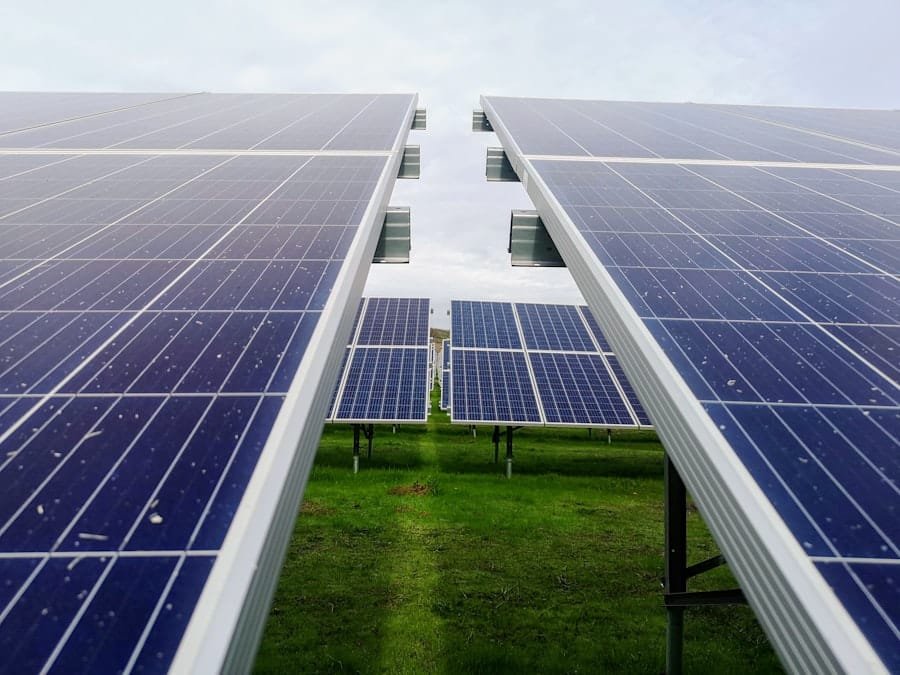
Installing a solar water pump may seem daunting at first, but with proper planning and guidance, it can be a straightforward process. Begin by selecting an appropriate location for your solar panels, ensuring they receive maximum sunlight throughout the day. Once you’ve determined the best spot, you’ll need to mount the panels securely and connect them to the pump system according to the manufacturer’s instructions.
Maintenance of solar water pumps is relatively simple compared to traditional systems. Regularly check the solar panels for dirt or debris that may obstruct sunlight absorption. Additionally, inspect the pump for any signs of wear or damage.
Most manufacturers recommend periodic checks to ensure optimal performance. By staying proactive with maintenance, you can extend the lifespan of your solar water pump and enjoy its benefits for years to come.
Case Studies of Successful Implementation of Solar Water Pumps
To illustrate the effectiveness of solar water pumps, consider the case of a small farm in California that transitioned from traditional irrigation methods to a solar-powered system. By installing a submersible solar pump in their well, they were able to reduce their energy costs significantly while ensuring a consistent water supply for their crops. The farm reported increased yields due to improved irrigation efficiency and reduced reliance on grid electricity.
Another compelling example comes from a rural community in India that faced challenges accessing clean drinking water. By implementing a solar water pumping system, they were able to provide reliable access to safe drinking water for residents without incurring high operational costs. This initiative not only improved public health but also empowered the community by reducing their dependence on external resources.
The Future of Solar Water Pumps
As you reflect on the information presented about solar water pumps, it becomes clear that they represent a promising solution for sustainable water management in various contexts. With their ability to harness renewable energy, reduce operational costs, and provide reliable access to water, these systems are poised to play an increasingly vital role in both agricultural and residential settings. Looking ahead, advancements in technology will likely enhance the efficiency and affordability of solar water pumps even further.
As more individuals and communities recognize the benefits of this eco-friendly solution, we can expect widespread adoption across diverse regions worldwide. By embracing solar water pumps today, you are not only investing in a sustainable future but also contributing to a healthier planet for generations to come.
If you are interested in learning more about alternative energy sources, you may want to check out this article comparing solar energy to wind energy here. It provides a comprehensive overview of the benefits and drawbacks of both types of renewable energy. Additionally, if you are considering installing a residential solar power system, you may find this article on hybrid systems here to be helpful. It discusses how combining solar panels with other energy sources can maximize efficiency and reliability.
FAQs
What are solar water pumps?
Solar water pumps are devices that use solar energy to pump water from a source, such as a well or a reservoir, to a desired location. They are powered by photovoltaic panels that convert sunlight into electricity to drive the pump.
How do solar water pumps work?
Solar water pumps work by using solar panels to generate electricity, which powers the pump to move water from one location to another. The solar panels collect sunlight and convert it into direct current (DC) electricity, which is then used to power the pump.
What are the benefits of using solar water pumps?
Some of the benefits of using solar water pumps include reduced energy costs, environmental sustainability, and the ability to operate in remote locations where grid electricity is not available. Solar water pumps also require minimal maintenance and have a long lifespan.
What are the different types of solar water pumps?
There are two main types of solar water pumps: submersible pumps, which are installed underwater and push water to the surface, and surface pumps, which are installed above ground and pull water from a source. Both types can be used for various applications, such as irrigation, livestock watering, and residential water supply.
What factors should be considered when choosing a solar water pump?
When choosing a solar water pump, factors to consider include the water source (well, reservoir, etc.), the required flow rate and pressure, the distance the water needs to be pumped, the amount of sunlight available, and the specific application (irrigation, drinking water, etc.). It is important to select a pump that is appropriately sized for the intended use.