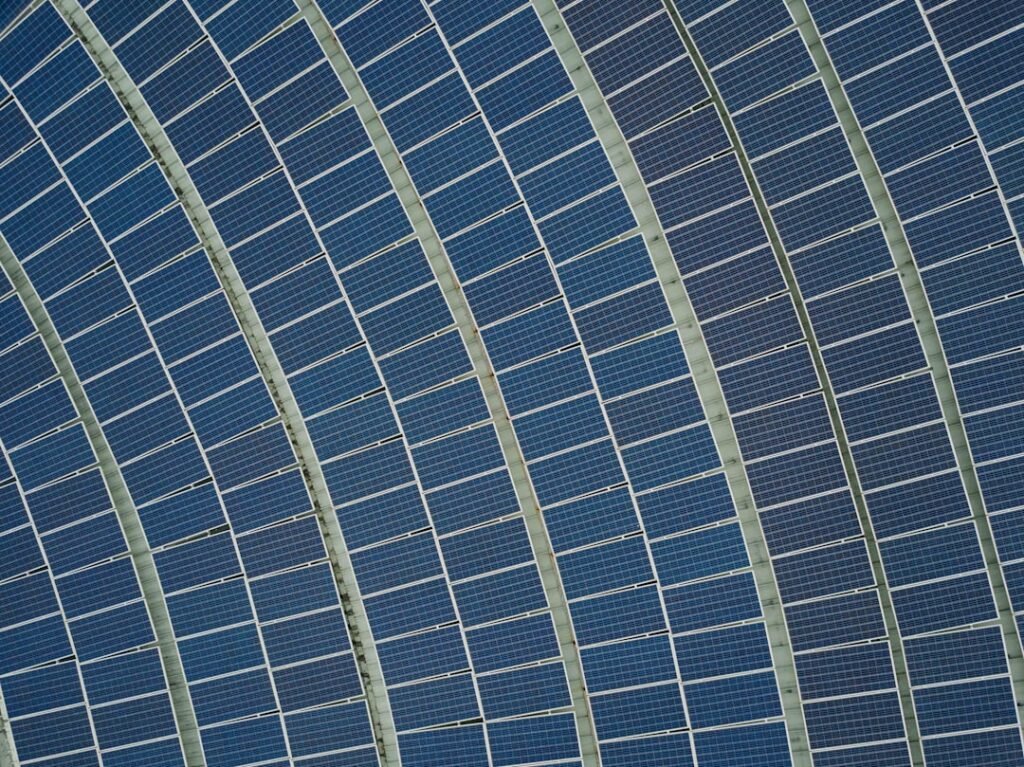
As the world increasingly turns its attention to sustainable energy solutions, residential solar panels have emerged as a popular choice for homeowners looking to reduce their carbon footprint and save on energy costs. These innovative systems harness the power of the sun, converting sunlight into electricity that can be used to power your home. By investing in solar technology, you not only contribute to a cleaner environment but also take control of your energy consumption.
The transition to solar energy is not just a trend; it represents a significant shift in how you can approach energy use in your daily life. The appeal of residential solar panels lies in their ability to provide a renewable source of energy that can lead to substantial savings over time. With advancements in technology, solar panels have become more efficient and affordable, making them accessible to a broader range of homeowners.
As you consider making the switch to solar, it’s essential to understand the various factors that influence your decision, from the types of panels available to the potential financial benefits. This article will guide you through the essential aspects of residential solar panels, helping you make an informed choice that aligns with your energy needs and financial goals.
Key Takeaways
- Residential solar panels are a sustainable and cost-effective way to generate electricity for your home.
- When choosing residential solar panels, consider factors such as efficiency, warranty, and installation costs.
- Some top brands and models of residential solar panels include SunPower, LG, and Panasonic.
- Installing residential solar panels can lead to benefits such as reduced electricity bills and a smaller carbon footprint.
- Calculate the cost and savings of residential solar panels by considering factors like upfront costs, energy production, and potential rebates.
Factors to Consider When Choosing Residential Solar Panels
When selecting residential solar panels, several critical factors come into play that can significantly impact your overall experience and satisfaction. One of the first considerations is the efficiency of the solar panels. Efficiency refers to how well a panel converts sunlight into usable electricity.
Higher efficiency panels may cost more upfront but can generate more power in limited space, making them ideal for homes with smaller rooftops. You should assess your available roof space and energy needs to determine which efficiency level suits you best. Another important factor is the type of solar panel technology.
There are primarily three types: monocrystalline, polycrystalline, and thin-film panels. Monocrystalline panels are known for their high efficiency and sleek appearance, while polycrystalline panels are generally more affordable but slightly less efficient. Thin-film panels are lightweight and flexible, making them suitable for unconventional installations but often have lower efficiency rates.
Understanding these differences will help you choose the right type of panel that fits your budget and aesthetic preferences.
Top Brands and Models of Residential Solar Panels
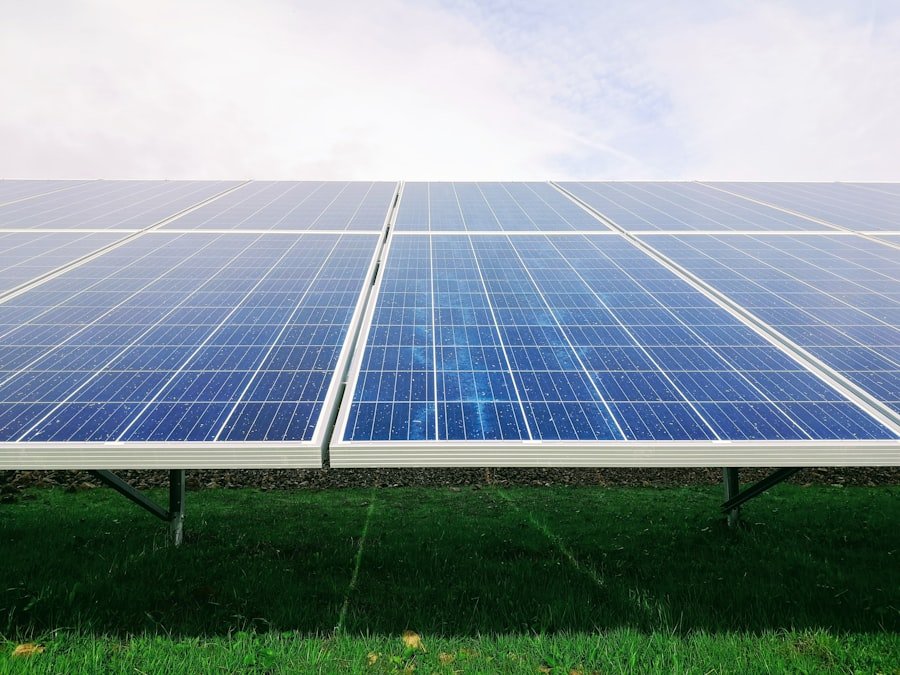
As you delve into the world of residential solar panels, you’ll encounter various brands and models that stand out for their quality and performance. Some of the top brands include SunPower, LG, and Canadian Solar, each offering unique advantages. SunPower is renowned for its high-efficiency panels, which can produce more energy in less space, making them a favorite among homeowners with limited roof area.
Their products often come with extensive warranties, providing peace of mind regarding long-term performance. LG is another leading brand known for its innovative technology and sleek design. Their solar panels boast impressive efficiency ratings and durability, making them a reliable choice for homeowners looking for longevity and performance.
Canadian Solar offers a more budget-friendly option without compromising on quality, making it an attractive choice for those new to solar energy. By researching these brands and their specific models, you can find the perfect fit for your home’s energy needs.
Benefits of Installing Residential Solar Panels
The benefits of installing residential solar panels extend far beyond just saving money on your electricity bill. One of the most significant advantages is the reduction in your carbon footprint. By utilizing renewable energy from the sun, you contribute to a decrease in greenhouse gas emissions, helping combat climate change.
This environmental impact is increasingly important as more people become aware of their ecological responsibilities. In addition to environmental benefits, solar panels can enhance your property value. Homes equipped with solar energy systems often attract buyers who are interested in energy efficiency and sustainability.
This can lead to a higher resale value compared to similar homes without solar installations. Furthermore, many homeowners experience energy independence; by generating your own electricity, you become less reliant on utility companies and shield yourself from rising energy costs. The combination of financial savings, increased property value, and environmental responsibility makes residential solar panels an appealing investment.
How to Calculate the Cost and Savings of Residential Solar Panels
Calculating the cost and potential savings associated with residential solar panels involves several steps that can help you make an informed decision. First, you need to assess your current energy consumption by reviewing your utility bills over the past year. This will give you a baseline understanding of how much electricity you use and what size solar system you might need to offset those costs effectively.
Next, consider the installation costs associated with solar panels. This includes not only the price of the panels themselves but also installation fees, permits, and any additional equipment like inverters or batteries. Many online calculators can help estimate these costs based on your location and energy needs.
Once you have a clear picture of your investment, you can evaluate potential savings by considering local electricity rates and any available incentives or rebates that may apply to your situation.
Maintenance and Longevity of Residential Solar Panels
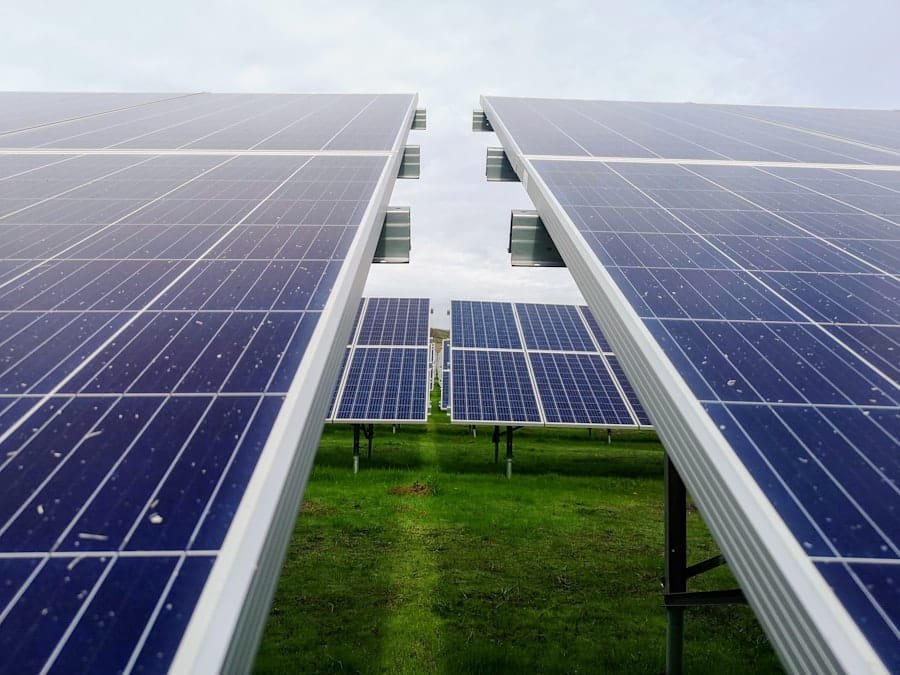
One of the appealing aspects of residential solar panels is their relatively low maintenance requirements compared to other home systems. Generally, solar panels are designed to withstand various weather conditions and have long lifespans—often exceeding 25 years. Regular maintenance typically involves cleaning the panels occasionally to remove dirt or debris that may block sunlight and reduce efficiency.
Depending on your location, this may be necessary only once or twice a year. In addition to cleaning, it’s essential to monitor the performance of your solar system regularly. Many modern systems come equipped with monitoring software that allows you to track energy production in real-time.
If you notice a significant drop in output, it may indicate an issue that requires professional attention. By staying proactive about maintenance and monitoring, you can ensure that your solar investment continues to perform optimally for years to come.
Government Incentives and Rebates for Residential Solar Panels
Government incentives play a crucial role in making residential solar panels more affordable for homeowners. In many regions, federal tax credits allow you to deduct a percentage of your solar installation costs from your federal taxes. This incentive significantly reduces the upfront cost of going solar and can make a substantial difference in your overall savings.
In addition to federal incentives, many states and local governments offer their own rebates or tax credits for solar installations. These programs vary widely depending on where you live, so it’s essential to research what’s available in your area. Some utility companies also provide incentives for customers who install solar systems, further enhancing the financial benefits of switching to renewable energy.
By taking advantage of these incentives, you can maximize your savings and make the transition to solar energy even more appealing.
Tips for Finding the Best Installer for Residential Solar Panels
Choosing the right installer for your residential solar panel system is crucial for ensuring a successful installation and optimal performance. Start by researching local companies with strong reputations in the industry. Look for reviews and testimonials from previous customers to gauge their experiences with different installers.
A reputable company should have a proven track record of quality work and customer satisfaction. Additionally, consider obtaining multiple quotes from different installers before making a decision. This will give you a better understanding of pricing structures and help you identify any potential red flags regarding service quality or hidden fees.
During consultations, ask about warranties on both the equipment and installation work; a reliable installer should stand behind their products and services with comprehensive guarantees. By taking these steps, you can find an installer who meets your needs and ensures that your investment in residential solar panels pays off in the long run.
If you are considering installing residential solar panels, you may also be interested in learning about the differences between solar energy and biomass energy. A recent article on solarcompaniesinstallationnear.me explores the pros and cons of each renewable energy source and how they compare in terms of efficiency and environmental impact. Understanding the various options available can help you make an informed decision when it comes to choosing the best energy solution for your home.
FAQs
What are residential solar panels?
Residential solar panels are photovoltaic (PV) panels installed on the rooftops or grounds of residential properties to convert sunlight into electricity for household use.
How do residential solar panels work?
Solar panels work by capturing sunlight and converting it into direct current (DC) electricity through the photovoltaic effect. This electricity is then converted into alternating current (AC) by an inverter, which can be used to power household appliances and electronics.
What are the benefits of residential solar panels?
Some benefits of residential solar panels include reduced electricity bills, lower carbon footprint, potential for energy independence, and increased property value.
What are the best residential solar panels?
The best residential solar panels are often determined by factors such as efficiency, durability, warranty, and cost. Some top-rated solar panel brands include SunPower, LG, and Panasonic.
How much do residential solar panels cost?
The cost of residential solar panels can vary depending on factors such as the size of the system, the brand of the panels, and the installation costs. On average, a residential solar panel system can cost between $15,000 to $25,000 before incentives.
Are there incentives for installing residential solar panels?
Yes, there are various incentives available for residential solar panel installations, including federal tax credits, state and local rebates, and net metering programs. These incentives can help offset the initial cost of installing solar panels.
What factors should be considered when choosing residential solar panels?
When choosing residential solar panels, it’s important to consider factors such as the available roof space, the local climate and sunlight conditions, the energy needs of the household, and the financial incentives and rebates available in the area.