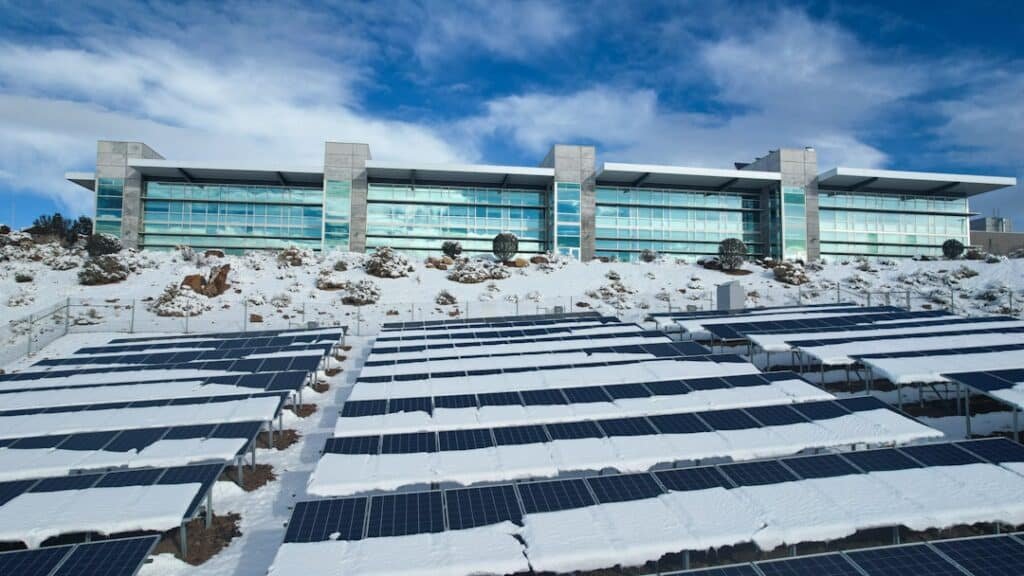
As the world increasingly turns to renewable energy sources, solar panels have emerged as a popular choice for harnessing the sun’s power. You may find yourself considering solar energy for your home or business, and one of the most critical aspects of this decision is the placement of the solar panels. Proper placement can significantly influence the efficiency and effectiveness of your solar energy system.
Understanding how to position your solar panels can lead to substantial energy savings and a reduced carbon footprint. When you think about solar panel placement, it’s essential to recognize that not all locations are created equal. Factors such as geographical location, roof orientation, and shading from nearby structures or trees can all impact how much sunlight your panels receive.
By taking the time to understand these elements, you can make informed decisions that will maximize your investment in solar technology. This article will delve into the various factors that affect solar panel placement and provide you with valuable insights to optimize your solar energy system.
Key Takeaways
- Proper solar panel placement is crucial for maximizing energy production and efficiency.
- Factors such as location, shading, and orientation must be considered for optimal solar panel placement.
- Solar panel orientation plays a key role in capturing the most sunlight and generating maximum electricity.
- Regular maintenance and cleaning of solar panels can significantly improve their efficiency and performance.
- Avoiding common mistakes such as improper tilt angle and inadequate spacing between panels is essential for effective solar panel placement.
Factors to Consider for Optimal Solar Panel Placement
When determining the best location for your solar panels, several factors come into play. First and foremost, you should consider the angle and orientation of your roof. Ideally, solar panels should be installed on a south-facing roof with a pitch that allows for optimal sun exposure throughout the day.
If your roof faces east or west, you may still be able to achieve good results, but you might not capture as much sunlight as you would with a south-facing installation. Another crucial factor is shading. You need to assess whether trees, buildings, or other obstructions will cast shadows on your solar panels during peak sunlight hours.
Even partial shading can significantly reduce the efficiency of your solar energy system. Therefore, it’s wise to conduct a thorough analysis of your property and its surroundings to identify any potential shading issues before installation. You may also want to consider using tools like solar pathfinders or apps that can help you visualize how sunlight moves across your property throughout the year.
Importance of Solar Panel Orientation
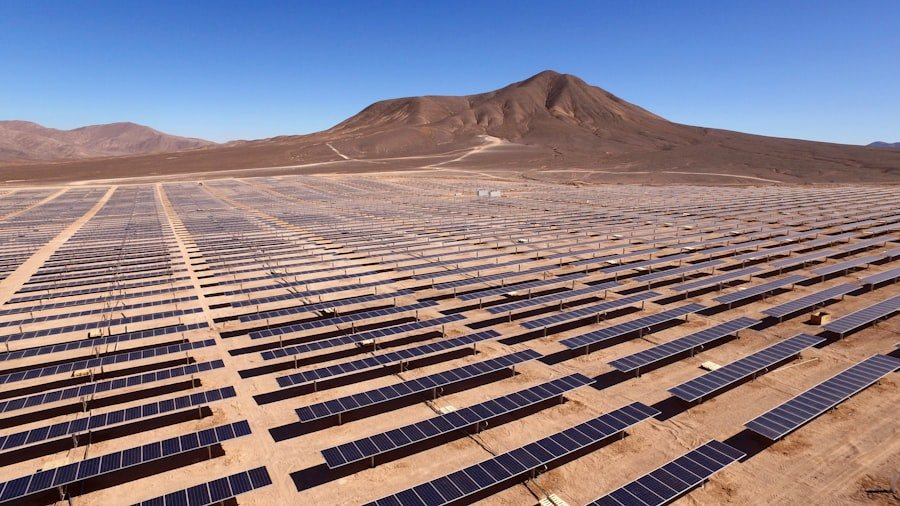
The orientation of your solar panels plays a pivotal role in their overall performance. Ideally, you want your panels to face true south in the Northern Hemisphere and true north in the Southern Hemisphere. This orientation allows them to capture the maximum amount of sunlight throughout the day.
However, if your roof does not allow for this ideal positioning, you can still achieve good results by adjusting the angle of your panels. In addition to orientation, the tilt of your solar panels is equally important. The optimal tilt angle varies depending on your geographical location and the time of year.
For instance, if you live in a region with a higher latitude, you may benefit from a steeper tilt angle to capture more sunlight during the winter months when the sun is lower in the sky. Conversely, if you reside in a warmer climate, a shallower tilt may be more effective during the summer months when the sun is higher. By carefully considering both orientation and tilt, you can significantly enhance the efficiency of your solar energy system.
Tips for Maximizing Solar Panel Efficiency
To ensure that your solar panels operate at peak efficiency, there are several strategies you can implement. First, regular maintenance is essential. Dust, dirt, and debris can accumulate on your panels over time, obstructing sunlight and reducing their effectiveness.
You should plan to clean your panels periodically, especially after heavy storms or if you live in a particularly dusty area. A simple rinse with water or a gentle scrub with a soft brush can go a long way in maintaining optimal performance. Another tip is to monitor your energy production regularly.
Many modern solar systems come equipped with monitoring software that allows you to track how much energy your panels are generating in real-time. By keeping an eye on this data, you can identify any drops in performance that may indicate an issue with your system. If you notice significant discrepancies, it’s wise to consult with a professional to diagnose and resolve any problems promptly.
Common Mistakes to Avoid in Solar Panel Placement
While many homeowners and business owners are eager to embrace solar energy, there are common pitfalls that can hinder their efforts. One frequent mistake is underestimating the importance of professional installation. While DIY projects can be rewarding, installing solar panels requires specialized knowledge and skills to ensure they are positioned correctly and securely.
Hiring experienced professionals can save you time and money in the long run by preventing costly errors. Another common error is neglecting to consider future changes in shading or obstructions. For example, if you plant trees near your home or if new buildings are constructed nearby, these changes could impact the sunlight reaching your panels.
It’s essential to think long-term when planning your solar panel placement and consider how your environment may evolve over time.
Residential Settings
In residential settings, homeowners often have more flexibility regarding roof space and orientation. However, they must also consider aesthetic factors and local regulations that may dictate how visible their solar panels can be from the street.
Commercial Buildings
On the other hand, commercial buildings typically have larger roof areas that can accommodate more extensive solar installations. Businesses may also have different energy needs compared to residential properties, which can influence their choice of solar technology and placement strategy.
Regulations and Maintenance
Additionally, commercial properties often have more stringent regulations regarding installation and maintenance, making it crucial for business owners to work closely with professionals who understand these requirements.
Innovative Solar Panel Placement Techniques
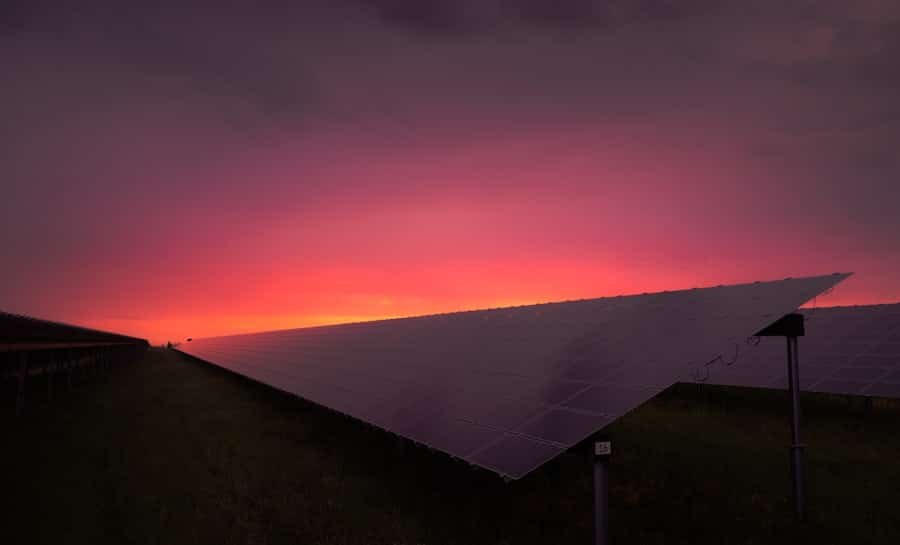
As technology continues to advance, innovative techniques for solar panel placement are emerging. One such technique is building-integrated photovoltaics (BIPV), where solar panels are integrated directly into building materials such as windows or roofing tiles. This approach not only maximizes space but also enhances the aesthetic appeal of buildings while generating clean energy.
Another innovative method is the use of solar tracking systems. These systems allow solar panels to move throughout the day to follow the sun’s path across the sky, maximizing exposure and energy production. While these systems can be more expensive than traditional fixed installations, they often yield higher energy output over time, making them an attractive option for those looking to maximize their investment in solar technology.
Conclusion and Future Trends in Solar Panel Placement
As you consider investing in solar energy, understanding the nuances of solar panel placement is essential for optimizing performance and efficiency. With careful planning and consideration of factors such as orientation, shading, and maintenance, you can ensure that your solar panels operate at their best for years to come. Looking ahead, trends in solar panel placement are likely to evolve as technology advances and society becomes more committed to sustainability.
Innovations such as BIPV and solar tracking systems will continue to gain traction, offering new opportunities for harnessing solar energy effectively. As awareness grows about the importance of renewable energy sources, you can expect an increasing number of options tailored to meet diverse needs—whether residential or commercial—making it an exciting time to explore solar energy solutions.
When considering optimal solar panel placement, it is important to also be aware of the top solar companies offering installation services in Jacksonville, Florida. These companies can provide valuable insights and expertise on how to best position solar panels for maximum efficiency and energy production. To learn more about solar company stocks and the benefits of investing in solar energy, check out this article.
FAQs
What is optimal solar panel placement?
Optimal solar panel placement refers to the strategic positioning of solar panels to maximize their exposure to sunlight and therefore their energy production. This involves considering factors such as the angle of the sun, shading, and the orientation of the panels.
What factors should be considered for optimal solar panel placement?
Factors to consider for optimal solar panel placement include the angle of the sun throughout the year, potential shading from nearby objects or buildings, the orientation of the panels (south-facing in the northern hemisphere and north-facing in the southern hemisphere), and the tilt angle of the panels.
How does optimal solar panel placement affect energy production?
Optimal solar panel placement can significantly affect energy production. By positioning the panels to receive the maximum amount of sunlight throughout the day and year, energy production can be optimized, leading to higher efficiency and cost savings.
What are the common methods for determining optimal solar panel placement?
Common methods for determining optimal solar panel placement include using solar path diagrams, conducting shading analysis, utilizing solar panel mounting systems with adjustable tilt angles, and using solar panel orientation tools or software.
What are the benefits of optimal solar panel placement?
The benefits of optimal solar panel placement include increased energy production, improved system efficiency, reduced energy costs, and a higher return on investment for solar panel installations. Additionally, optimal placement can extend the lifespan of the solar panels by reducing unnecessary wear and tear.