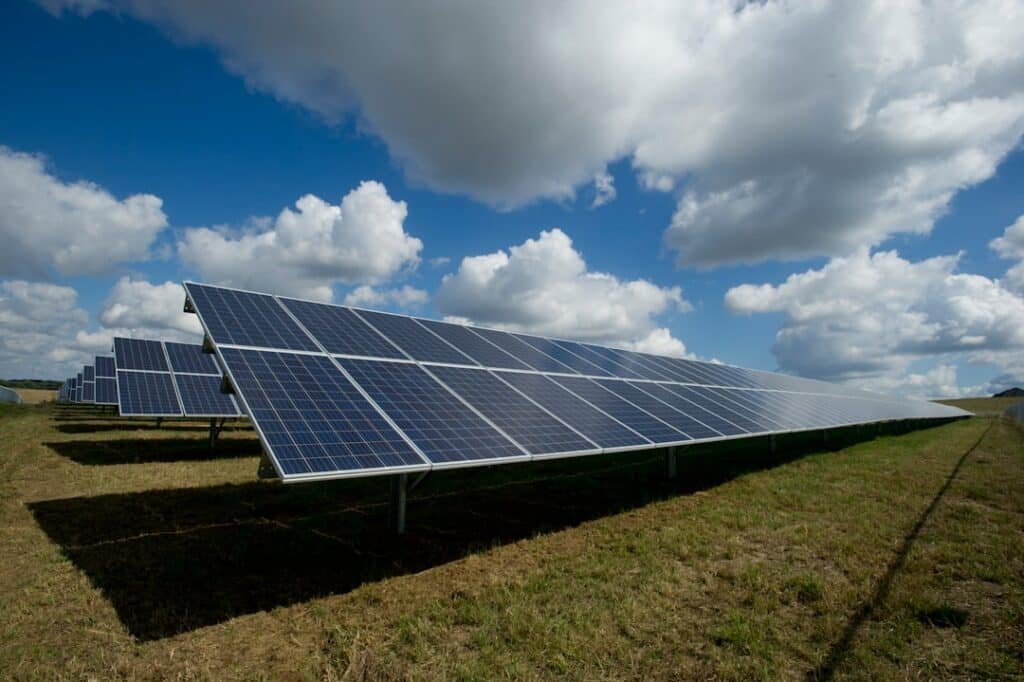
When you think about harnessing solar energy, the first thing that likely comes to mind is solar panels. These remarkable devices are designed to convert sunlight into electricity, making them a cornerstone of any solar power system. You may be surprised to learn that solar panels come in various types, including monocrystalline, polycrystalline, and thin-film.
Each type has its own unique characteristics, efficiency ratings, and price points, allowing you to choose the best option for your specific needs and budget. As you explore the world of solar panels, you’ll discover that their efficiency is a crucial factor. Monocrystalline panels are known for their high efficiency and sleek appearance, making them a popular choice for residential installations.
On the other hand, polycrystalline panels are generally more affordable but may take up more space due to their lower efficiency. Thin-film panels, while less common, offer flexibility and lightweight options that can be ideal for certain applications. Understanding these differences will empower you to make informed decisions as you embark on your solar journey.
Key Takeaways
- Solar panels are the foundation of any solar power system and come in a variety of types and sizes to suit different energy needs.
- Charge controllers are essential for regulating the flow of electricity from the solar panels to the batteries, preventing overcharging and extending battery life.
- Choosing the right batteries for a solar power system is crucial for storing and supplying energy efficiently, with options including lead-acid, lithium-ion, and gel batteries.
- Inverters are necessary for converting the direct current (DC) electricity generated by the solar panels into alternating current (AC) electricity for use in homes and businesses.
- Mounting hardware such as racks and brackets are essential for securely installing solar panels on rooftops or the ground, ensuring optimal performance and durability.
Charge Controllers
Once you’ve selected your solar panels, the next component to consider is the charge controller. This device plays a vital role in managing the flow of electricity from your solar panels to your batteries. Without a charge controller, your batteries could become overcharged or discharged too deeply, leading to reduced lifespan and performance.
By regulating the voltage and current coming from the solar panels, charge controllers ensure that your batteries are charged efficiently and safely. There are two main types of charge controllers: PWM (Pulse Width Modulation) and MPPT (Maximum Power Point Tracking). PWM controllers are simpler and more affordable, making them suitable for smaller systems.
However, if you’re looking for maximum efficiency and performance, especially in larger setups, an MPPT controller is worth considering. These advanced devices can optimize the energy harvested from your solar panels, allowing you to get the most out of your investment. As you delve deeper into solar technology, understanding the role of charge controllers will help you create a more efficient and reliable solar power system.
Batteries
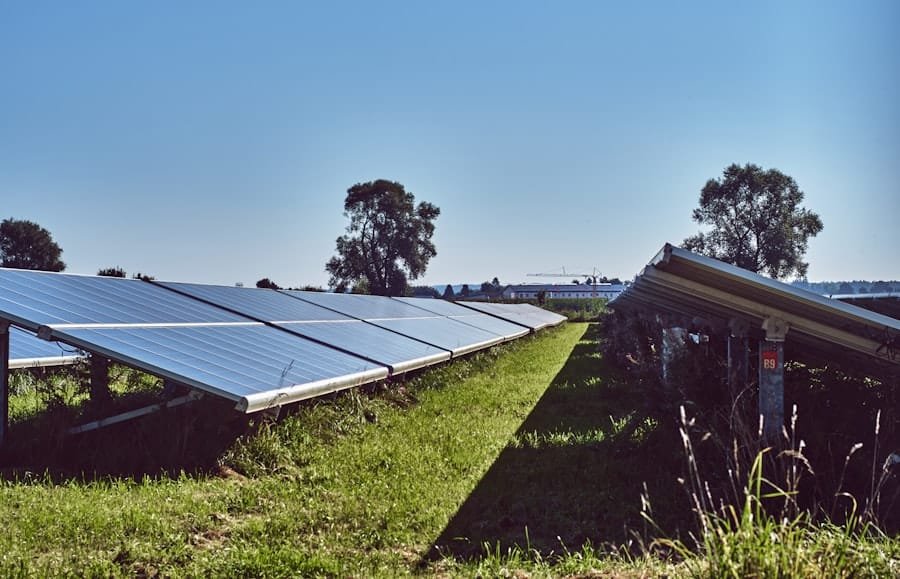
Batteries are essential for storing the energy generated by your solar panels, allowing you to use that power even when the sun isn’t shining. When selecting batteries for your solar power system, you’ll encounter various types, including lead-acid, lithium-ion, and flow batteries. Each type has its own advantages and disadvantages, so it’s important to assess your energy needs and budget before making a decision.
Lead-acid batteries are often the most affordable option and have been used in solar applications for many years. However, they require regular maintenance and have a shorter lifespan compared to lithium-ion batteries. Lithium-ion batteries, while more expensive upfront, offer higher energy density, longer life cycles, and lower maintenance requirements.
Flow batteries are an emerging technology that provides scalability and long-duration energy storage but may not yet be widely available. By understanding the different battery options available to you, you can choose a solution that best fits your energy storage needs.
Inverters
Inverters are another critical component of your solar power system. They convert the direct current (DC) electricity generated by your solar panels into alternating current (AC) electricity, which is what most household appliances use. Without an inverter, you wouldn’t be able to utilize the energy produced by your solar panels effectively.
There are several types of inverters available on the market, including string inverters, microinverters, and power optimizers. String inverters are commonly used in residential systems due to their simplicity and cost-effectiveness. However, if your solar panels are installed in shaded areas or face different orientations, microinverters or power optimizers may be a better choice.
These devices allow each panel to operate independently, maximizing energy production even in less-than-ideal conditions. As you consider your inverter options, think about your specific installation circumstances and how they might impact your overall energy output.
Mounting Hardware
The mounting hardware is what secures your solar panels to your roof or ground structure. Choosing the right mounting system is crucial for ensuring the longevity and stability of your solar installation. There are various types of mounting hardware available, including fixed mounts, adjustable mounts, and tracking systems.
Each option has its own benefits depending on your location and energy goals. Fixed mounts are the most straightforward option and are typically less expensive than adjustable or tracking systems. They hold the panels at a fixed angle to capture sunlight efficiently throughout the day.
Adjustable mounts allow you to change the angle of the panels seasonally for optimal performance. Tracking systems take this a step further by automatically adjusting the position of the panels throughout the day to follow the sun’s path. While these systems can be more expensive upfront, they can significantly increase energy production over time.
By carefully considering your mounting options, you can ensure that your solar panels are positioned for maximum efficiency.
Wiring and Connectors
Ensuring Safe and Efficient Energy Transmission
Wiring and connectors may not be the most glamorous components of a solar power system, but they play a crucial role in ensuring everything functions smoothly. Proper wiring is essential for safely transmitting electricity from your solar panels to your charge controller, batteries, inverter, and ultimately to your home or business. Using high-quality wiring and connectors will minimize energy loss and reduce the risk of electrical hazards.
Selecting the Right Wiring for Your Solar Installation
When selecting wiring for your solar installation, consider factors such as wire gauge and insulation type. Thicker wires (lower gauge numbers) can carry more current with less resistance but may be more expensive and harder to work with. Additionally, ensure that all connectors are weatherproof and compatible with your system components to prevent corrosion or failure over time.
Enhancing System Reliability and Efficiency
By paying attention to these details in your wiring setup, you can enhance the reliability and efficiency of your entire solar power system.
Energy Monitoring Systems
Energy monitoring systems provide valuable insights into how much energy your solar power system is generating and consuming. These systems can help you track performance over time, identify potential issues early on, and optimize energy usage in your home or business. With real-time data at your fingertips, you can make informed decisions about when to use energy-intensive appliances or when to store excess energy for later use.
Many modern energy monitoring systems come with user-friendly apps that allow you to access data from anywhere using your smartphone or tablet. This level of accessibility empowers you to stay engaged with your energy consumption habits and make adjustments as needed. Some systems even offer alerts for unusual activity or performance drops, giving you peace of mind knowing that you’re always in control of your energy usage.
Solar Power Kits
If you’re new to solar energy or looking for a straightforward way to get started with renewable energy, solar power kits can be an excellent option. These kits typically include all the essential components needed for a basic solar installation—solar panels, charge controllers, batteries, inverters, mounting hardware, wiring, and connectors—packaged together for convenience. This all-in-one approach simplifies the process of going solar and can save you time and effort in sourcing individual components.
When considering a solar power kit, it’s important to assess your energy needs carefully. Kits come in various sizes and capacities, so you’ll want to choose one that aligns with your household’s electricity consumption patterns. Additionally, many kits offer scalability options that allow you to expand your system as needed in the future.
By investing in a quality solar power kit today, you can take significant steps toward reducing your carbon footprint while enjoying long-term savings on energy costs. In conclusion, embarking on a solar power journey involves understanding various components that work together harmoniously to harness renewable energy effectively. From selecting the right solar panels to ensuring proper wiring and monitoring systems are in place, each element plays a vital role in creating an efficient and reliable solar power system tailored to your needs.
Whether you’re considering a DIY approach with a solar power kit or working with professionals for a custom installation, being informed about these components will empower you to make choices that benefit both your wallet and the environment for years to come.
If you are interested in learning more about solar energy in various applications, including solar-powered transportation, be sure to check out the article Solar Energy in Various Applications: Solar-Powered Transportation. This article explores how solar power is being utilized in the transportation sector and highlights the benefits of using solar energy in this innovative way. It is a fascinating read that complements the information provided in the article on the best off-grid solar components.
FAQs
What are off-grid solar components?
Off-grid solar components are the individual parts that make up an off-grid solar power system. These components typically include solar panels, charge controllers, batteries, inverters, and mounting hardware.
What are the best off-grid solar components?
The best off-grid solar components are those that are high quality, durable, and efficient. This can vary depending on the specific needs and requirements of the off-grid solar system, but reputable brands and products with positive customer reviews are often a good place to start.
What should I consider when choosing off-grid solar components?
When choosing off-grid solar components, it’s important to consider factors such as the power requirements of the system, the available sunlight in the location, the quality and reliability of the components, and the overall cost of the system.
How do off-grid solar components work together?
Off-grid solar components work together to capture energy from the sun using solar panels, store that energy in batteries, and convert it to usable electricity using inverters. Charge controllers help regulate the flow of energy between the solar panels and the batteries.
Where can I purchase off-grid solar components?
Off-grid solar components can be purchased from a variety of sources, including specialized solar retailers, hardware stores, and online marketplaces. It’s important to ensure that the components are compatible with each other and suitable for off-grid use.