What if you could harness the power of the sun to energize your home? Imagine waking up each day, knowing that you are not just saving on energy bills, but also contributing to a more sustainable planet. Understanding the basic solar setup diagram for your home is the first step you need to take toward this brighter future. Let’s break it down together.
What is a Solar Setup?
A solar setup refers to all the components and blocks that work together to convert sunlight into usable electricity for your home. Think of it as a well-choreographed dance between various parts that ensures you can enjoy clean energy.
Components of a Solar Setup
To comprehend how solar energy functions in your home, familiarize yourself with its core components. Each part plays an essential role in transforming sunlight into energy, readily available for your daily needs.
-
Solar Panels: These are the most recognized elements of any solar setup. They capture sunlight and convert it into electricity.
-
Inverter: The inverter is crucial because it converts the direct current (DC) generated by solar panels into alternating current (AC), which is the form of electricity your home utilizes.
-
Mounting Structure: This is the framework that holds the solar panels in place. It can be built on your roof or placed on the ground, depending on your home and available space.
-
Battery Storage (Optional): While not all solar setups come with batteries, they are helpful if you want to store excess energy generated during the day. This allows you to use solar power at night or during cloudy days.
-
Charge Controller: If you have battery storage, the charge controller prevents the batteries from overcharging, extending their life.
-
Utility Meter: This measures the electricity you consume from the grid and the electricity you produce and send back to it.
The Importance of Each Component
Understanding the purpose of each part helps you appreciate how solar energy systems work as a whole. By knowing what each component does, you can also make informed decisions when it comes to installation or troubleshooting.
-
Solar Panels are made up of solar cells, usually composed of silicon. When light hits the cells, it excites electrons, creating direct current electricity.
-
Inverters come in various types, including string inverters, micro-inverters, and hybrid inverters, each offering different benefits based on your specific needs and setup.
-
Mounting Structures can be adjustable or fixed, and the choice can affect efficiency, especially if you live in an area where the angle of sunlight shifts dramatically.
-
Batteries store energy for later use, which is especially useful if you live in a region with high utility costs during peak hours.
-
Charge Controllers are essential for maintaining battery health and ensuring that they charge and discharge optimally.
-
A Utility Meter acts as a watchman, tracking your energy use and how much solar energy you’re sending back to the grid.
Understanding Solar Setup Diagrams
You may have seen diagrams illustrating solar setups and felt slightly overwhelmed. They often look complex, but breaking them down into smaller pieces can clarify things. These diagrams typically show how the various components connect and interact to form a functioning solar energy system.
Reading a Solar Setup Diagram
A solar setup diagram consists of symbols and lines that represent various components and their connections. It tells you which part connects to which and allows you to visualize how energy flows through the system. Here’s how to interpret it:
-
Solid Lines: These typically represent electrical connections, showing how power flows from one component to another.
-
Arrows: Arrows indicate the direction of energy flow, helping you understand how electricity travels from solar panels to the inverter, and onto your home’s electrical system.
-
Labels: Look for descriptive labels that explain each component’s name. This guidance can help demystify complex images.
Sample Solar Setup Diagram Breakdown
To give you a clearer idea, here’s a simple breakdown of what a basic solar setup diagram might include:
| Component | Function |
|---|---|
| Solar Panels | Capture sunlight and convert it to DC electricity |
| Inverter | Converts DC to AC electricity |
| Mounting Structure | Provides a framework to support solar panels |
| Battery Storage | Stores excess energy for later use |
| Charge Controller | Manages battery charging and discharging |
| Utility Meter | Monitors energy consumption and production |
The Benefits of Solar Energy
Why would you choose to embrace solar energy? The benefits are numerous and significant, and understanding them might help you feel more compelled to make the switch.
Economic Advantages
-
Lower Energy Bills: You’ll likely notice savings on monthly expenses once your solar system is up and running.
-
Tax Credits and Incentives: Various federal, state, and local programs can help offset installation costs.
-
Increased Property Value: Homes with solar installations often attract buyers willing to pay a premium for a solar-equipped house.
Environmental Impact
You’re not just saving money; you’re also contributing to a healthier planet:
-
Reduced Carbon Footprint: By utilizing solar energy, you decrease dependence on fossil fuels, which in turn helps reduce greenhouse gas emissions.
-
Sustainable Energy: Solar energy is renewable and abundant, meaning it won’t run out, unlike traditional energy sources.
Energy Independence
Imagine the freedom that comes with producing your own energy:
-
Reduced Reliance on Utility Companies: With solar panels, you become less dependent on the grid, leading to more predictable energy costs.
-
Power During Outages: If you couple your solar setup with battery storage, you can enjoy energy independence even when the power goes out.
Getting Started with Your Solar Setup
If you are intrigued and considering transitioning to solar energy, here’s how you can get started.
Evaluate Your Energy Needs
First, take the time to assess your current energy usage. Review past utility bills and recognize patterns in your consumption. This information will help you determine the size of the solar setup you need.
Research Your Options
Whether you’re looking to go off-grid or just want a supplementary energy source, research various systems that fit your needs. Several types of solar systems exist:
-
Grid-Tied Systems: These are connected to the utility grid and allow you to draw electricity during periods of low solar production.
-
Off-Grid Systems: Ideal for remote locations, these systems do not connect to the grid and rely entirely on solar and battery storage.
-
Hybrid Systems: Combining both grid-tied and off-grid capabilities can provide the best of both worlds.
Consultation and Installation
After determining your needs and the type of system that suits you best, it’s time to reach out to solar experts. Many providers offer free consultations to discuss options and guide you through the installation process.
-
Get Quotes: Once you find trusted providers, request detailed quotes to understand costs and get an idea of your investment.
-
Ask Questions: Don’t hesitate to inquire about warranties, system performance, and maintenance procedures.
-
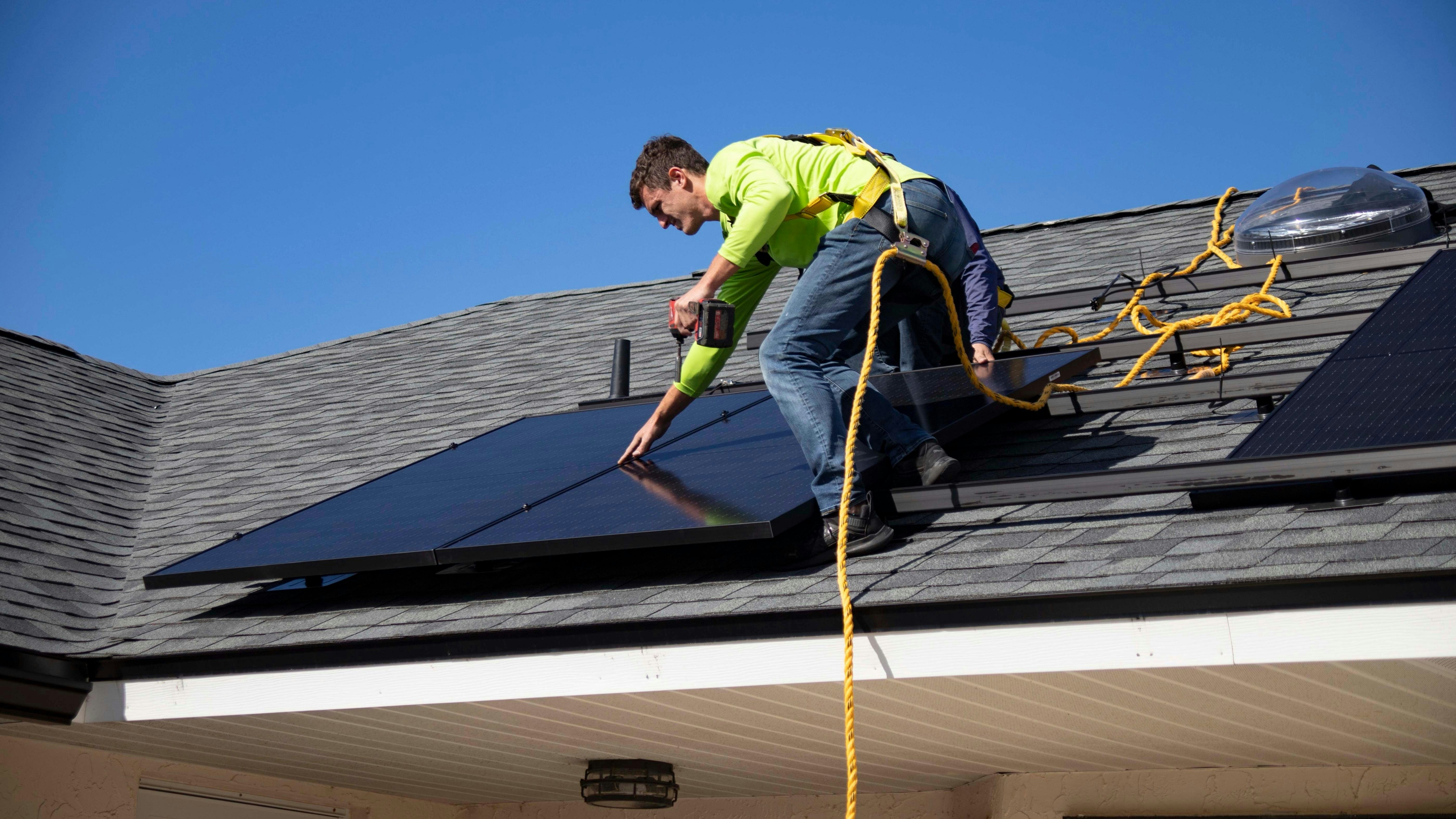
Installation: With everything in line, professional installers will handle the rest, ensuring your solar setup is efficient and effective.
Maintenance and Monitoring
Once your solar setup is operational, it’s essential to monitor and maintain it to ensure optimal performance.
Regular Inspections
-
Physical Inspection: Examine your solar panels for debris, dirt, or snow that might obstruct sunlight and hinder performance.
-
Inverter Check: Keep an eye on the inverter to ensure it’s functioning correctly. Most modern systems come equipped with monitoring software, making it easier to catch issues early.
System Monitoring
Leverage technology to monitor your solar setup continually:
| Monitoring Type | Benefits |
|---|---|
| Online Monitoring | Most systems come with a dedicated app or web portal for real-time data on energy production. |
| Energy Consumption Analysis | Analyzing this data helps identify trends in usage, allowing adjustments for energy efficiency. |
Troubleshooting Common Issues
If you notice a drop in energy production, consider these common troubleshooting steps:
-
Check Connections: Loose wires can hinder energy flow. Ensure every connection is secure.
-
Inspect Panels: Make sure nothing is blocking the panels from receiving sunlight.
-
Contact Professionals: If something seems out of sorts, reaching out to a trusted technician is always a good move.
Future of Solar Energy
Solar energy is rapidly evolving, and exciting advances might influence how you perceive and utilize it in the future.
Technological Advances
Innovations like solar shingle technology are becoming more popular. This method integrates solar cells into roofing materials, providing a seamless aesthetic while maintaining functionality.
Community Solar Projects
If a full solar installation isn’t feasible for you, consider participating in community solar programs. These initiatives allow you to purchase or lease part of a larger solar energy farm, providing you with renewable energy benefits without the need for physical panels on your property.
Grid Improvements
As more households adopt solar energy, utility companies are adapting. The development of smart grid technologies can enhance energy distribution efficiency and help ease the integration of renewable sources.
Conclusion
By now, you hopefully have a clearer understanding of the basic solar setup diagram for your home and the many benefits of embracing solar energy. The components, their functions, and the overall process of transitioning to solar can seem daunting initially, but each step brings you closer to energy independence and a brighter, eco-friendlier future.
Harnessing the sun’s power isn’t just about saving money; it’s about contributing positively to the planet and securing your own energy future. Whether you’re ready to jump in or still gathering information, being informed is your first step towards making an impactful change. Remember, every solar panel you install helps pave the way for a cleaner, more sustainable world. Embrace the journey—your commitment to solar energy can inspire others to consider their role in creating a greener future.