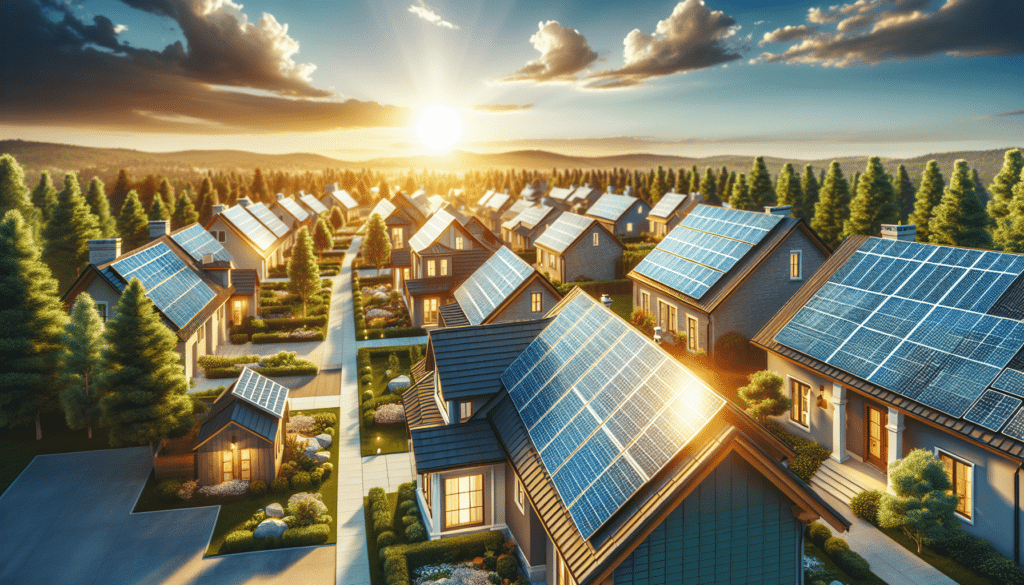
Have you ever considered the impact that solar energy could have on your home and life? The move toward residential solar panel installation is more than just a trend; it’s a step toward sustainability, independence, and potentially significant savings on energy costs. In this article, we’ll walk you through the entire process, from understanding what solar panels are to the installation itself and beyond.
Understanding Solar Panels
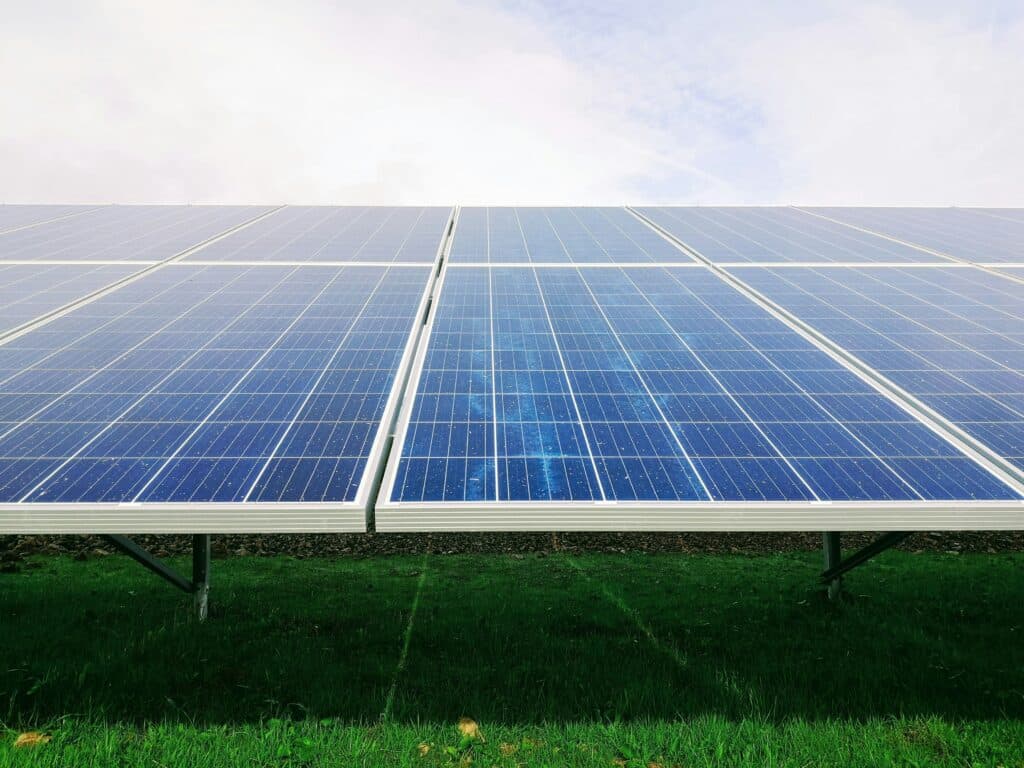
Solar panels are devices that convert sunlight into electricity. They are typically made up of many solar cells that harness sunlight and generate usable power. The technology may seem complex, but it can be simplified into core components and processes that you’ll find essential as you consider solar energy for your home.
How Do Solar Panels Work?
At their core, solar panels work by using photovoltaic (PV) cells to absorb sunlight. When the sun’s rays hit these cells, they create a flow of energy that can be converted into electricity. This electricity can then power your home directly or be stored in batteries for later use. This means that if your panels generate more energy than you need, you can save that surplus for cloudy days or at night.
| Component | Description |
|---|---|
| Solar Cells | Convert sunlight into electricity |
| Inverter | Changes direct current (DC) to alternating current (AC) |
| Mounting System | Holds the panels in place on your roof |
| Battery Storage | Stores excess energy for later use |
Benefits of Going Solar
Before diving into the installation process, it’s essential to recognize why many homeowners choose to switch to solar. There are many benefits associated with solar energy, including:
- Cost Savings: Once you install solar panels, you’ll likely see a decrease in your utility bills as you’re generating your own electricity.
- Environmental Impact: Solar energy is clean and renewable, which helps reduce your carbon footprint.
- Energy Independence: By generating your own power, you’re less reliant on the grid, protecting yourself from rising energy costs and outages.
- Increased Home Value: Homes with solar energy systems often have higher property values and can sell faster than those without.
Assessing Your Home for Solar
Now that you have a basic understanding of solar panels, the next step is assessing your home for solar energy compatibility. Not every home is suitable for solar installation, so it’s important to conduct a thorough evaluation.
Roof Condition and Orientation
Your roof plays a critical role in the efficiency of solar panels. Ideally, you want a roof that is:
- In Good Condition: If your roof needs repair or replacement, it’s wise to address that before installing solar panels.
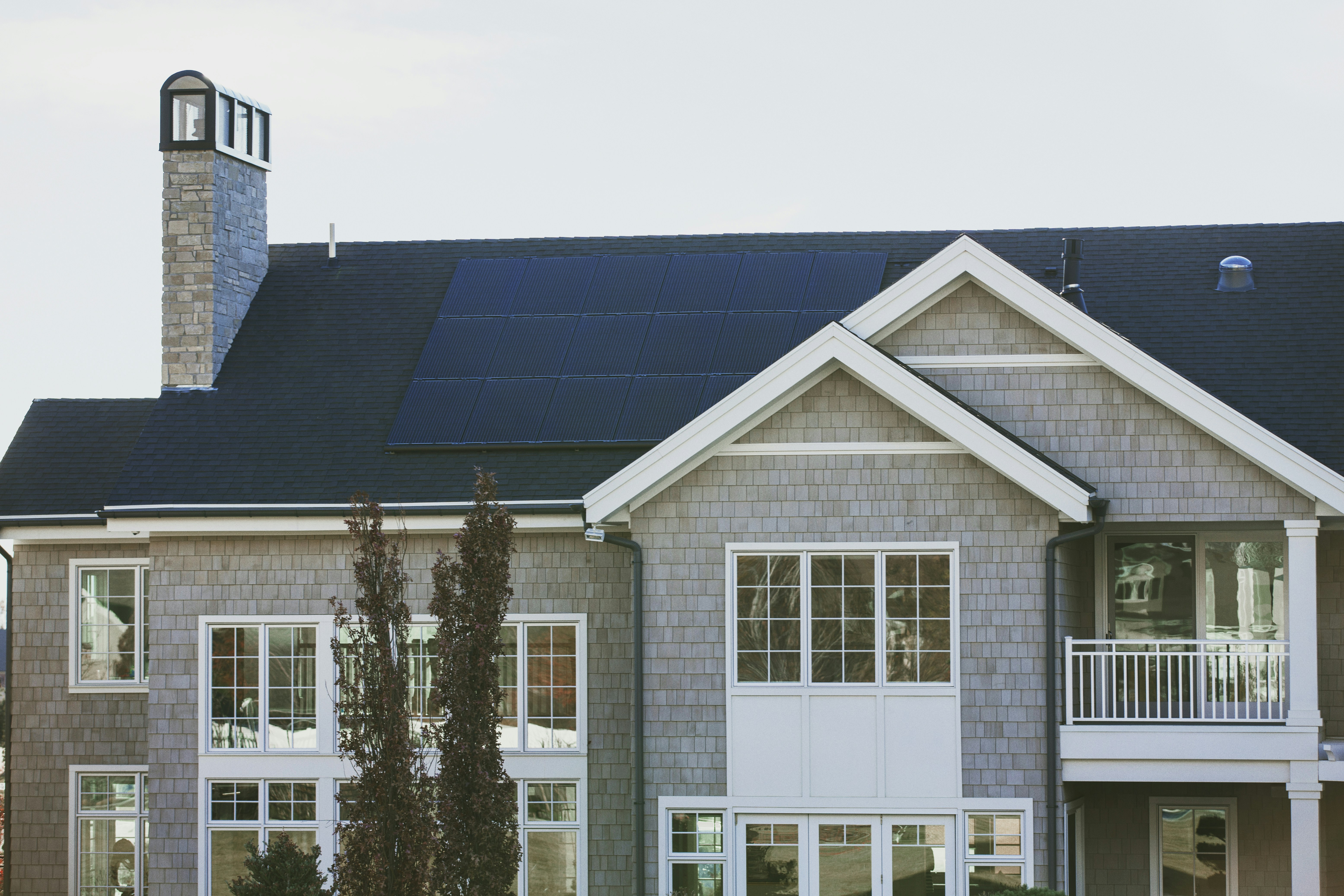
- South-Facing: South-facing roofs tend to capture the most sunlight, which maximizes energy production. However, east and west-facing roofs can still be viable options.
- Unshaded: Make sure there are no large trees or buildings casting shadows on your roof, as this will significantly reduce the effectiveness of your solar panels.
Energy Needs Assessment
Understanding your energy consumption is crucial. Take a look at your electricity bills over the past year and note your monthly usage. By doing this, you can estimate the size of the solar system you’ll need.
Local Regulations and Incentives
Before you move forward, research local regulations and incentives. Many states offer tax credits, rebates, or financing options for solar energy systems, which can help offset installation costs.
| Incentive | Description |
|---|---|
| Federal Solar Investment Tax Credit | A tax credit for a percentage of installation costs |
| State Incentives | Varies by state; check for specific programs |
| Net Metering | Allows you to sell back excess energy to the grid |
The Installation Process
Once you’ve assessed both your home and your energy needs, you’re ready to consider the installation process. This typically includes several steps.
Choosing the Right Solar Provider
Selecting a trustworthy solar provider is key to ensuring a smooth installation process. Do your homework to find installers with good ratings, customer reviews, and adequate experience. Don’t hesitate to ask for quotes from multiple providers and compare their offers.
Initial Consultation and Site Visit
Once you’ve chosen a provider, they will likely conduct a site visit to evaluate your home. This consultation is an excellent opportunity for you to ask questions and discuss your energy goals. Your installer will take measurements and analyze your roof to determine the best placement for the panels.
System Design and Proposal
After gathering the necessary information, the installation company will provide you with a proposal that includes a design plan for your solar system, estimated production, and a detailed pricing structure. This document is crucial as it outlines what you can expect.
Permitting
Before installation can begin, your solar provider will secure the necessary permits. This process can vary by location but often includes building permits and checks to ensure compliance with local codes. Though this may take some time, it’s an essential step for ensuring safety and legality.
Installation Day
The installation process typically takes one to three days, depending on the size of your system. Here’s what you can expect on installation day:
- Installation Team Arrival: They’ll arrive early in the morning with all necessary equipment.
- Panel Mounting: The team will install the mounting system and securely attach the solar panels.
- Wiring: Electricians will wire the panels to the inverter, allowing electricity to flow into your home.
- Final Checks: After installation, inspections will be conducted to ensure everything is functioning correctly.
Inspection and Interconnection
Once the panels are installed, the final inspection will take place, often done by a local authority. After passing inspection, your system can be connected to the grid. Your solar provider usually facilitates this process with your local utility company.
Operating Your Solar System
Congratulations! Your solar panels are up and running. However, there are a few points to consider regarding the operation of your solar energy system.
Monitoring Your System
Many modern solar panel systems come with monitoring tools that allow you to track your energy production and usage in real-time. Keeping an eye on your system can help you identify any issues early and ensures that everything is working as efficiently as possible.
Maintenance
One of the fantastic aspects of solar panels is that they require very little maintenance. However, it’s wise to:
- Clean the Panels: Dust and debris can accumulate, impacting efficiency. Regular cleaning helps maximize performance.
- Check for Shade: Over time, trees or structures may grow and begin shading your panels. Periodic assessments ensure optimal performance.
- Schedule Professional Inspections: Once a year, consider having a professional check your system to ensure everything is functioning as it should.
Long-Term Benefits
Renewable energy sources provide long-term benefits for both you and the environment.
- Lower Energy Bills: You will likely notice dramatic decreases in your energy bills.
- Tax Benefits: In addition to state incentives, you may also benefit from federal tax credits for renewable energy.
- Increased Resale Value: When it comes time to sell your home, having solar panels can be a significant selling point.
Overcoming Challenges
While many homeowners are excited to switch to solar energy, there can be challenges along the way. It’s crucial to stay informed and prepared.
Initial Costs
One significant hurdle for many is the upfront cost of solar panel installation. However, numerous financing options can make transitioning to solar more affordable, such as solar loans, leases, and power purchase agreements (PPAs).
| Financing Option | Description |
|---|---|
| Solar Loans | Loans specifically for solar installations |
| Solar Leases | You pay a fixed monthly fee to use the solar system, without owning it |
| Power Purchase Agreements (PPAs) | You agree to buy power produced by the solar panels at a predetermined rate |
Weather Limitations
While solar panels are made to withstand various weather conditions, severe storms or heavy snow can impact their performance. Ensure your panels are installed correctly and consider adding snow guards or other accessories if you live in an area with harsh winters.
Ensuring Compliance
As regulations and incentives can continually change, staying updated is vital. Be proactive about understanding local laws and any changes regarding solar energy in your region.
The Future of Solar Energy
Solar energy technology is advancing rapidly, making it an exciting time to consider solar panel installation for your home. Innovations in energy storage, efficiency, and financing options continue to improve the viability of solar solutions.
New Technologies
Keep your eye on emerging technologies such as:
- Bifacial Solar Panels: These can capture sunlight on both sides, increasing efficiency.
- Solar Roof Tiles: Rather than traditional panels, these integrated systems blend with your roof design.
- Smart Inverters: These allow for real-time monitoring and better integration with home automation systems.
Community Solar Projects
If your home isn’t ideal for solar, consider joining a community solar program, which allows multiple households to share the benefits of a single solar installation. It’s a great way to gain access to clean energy without the need for physical panels on your property.
Conclusion
Transitioning to solar energy is an empowering choice for your home and the environment. From understanding how solar panels work to navigating the installation process, you’ve taken steps toward sustainable living. By leveraging the savings, benefits, and newfound energy independence, you’re not just investing in solar technology – you’re investing in a brighter future for yourself and generations to come.
Deciding to install solar panels may seem daunting at first, but with the right information and support, you can confidently embark on this journey. So why not take that first step today?