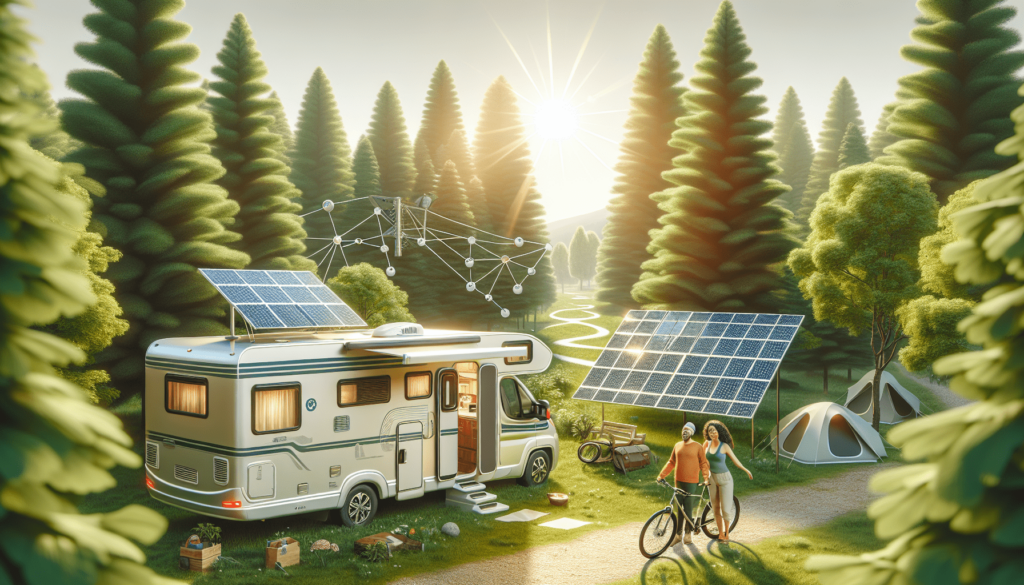
What if you could power your adventures without the noise of a generator or the worry of empty batteries? Picture yourself sitting by a serene lake or nestled in the mountains, enjoying the beauty of nature while knowing that your camper’s power supply is quietly managed by the sun.

Understanding Solar Power for Campers
When it comes to camper life, having a reliable and sustainable energy source can significantly enhance your experience. Solar power has become a popular choice for many campers seeking the freedom to travel off the beaten path. With just a solar panel setup, you can unlock an array of conveniences while being kind to the environment.
The Basics of Solar Energy
Solar energy harnesses the sun’s power through solar panels, which convert sunlight into electricity. These panels are typically made of photovoltaic cells that capture sunlight and transform it into usable energy for your camper’s electrical system. This means you can run appliances, charge devices, and enjoy the comforts of home, all powered by the sun.
Why Choose Solar Power?
Choosing solar power offers numerous benefits. For one, it provides a clean and renewable energy source, allowing you to minimize your carbon footprint. Additionally, solar setups can lead to significant cost savings over time, as you’ll spend less on fuel and won’t have to rely on campgrounds with electricity hookups. Plus, you’ll gain the freedom to camp in more remote locations without compromising on your electrical needs.
Components of a Solar Panel Setup
To create an effective solar panel setup for your camper, you’ll need a few key components. Understanding these parts will help you make informed decisions as you gear up for your adventures.
Solar Panels
The heart of any solar panel setup is, of course, the solar panels themselves. Typically made from silicon, these panels come in various sizes and efficiencies.
Types of Solar Panels
| Type | Efficiency | Application |
|---|---|---|
| Monocrystalline | 15-20% | Limited space; high output |
| Polycrystalline | 12-16% | Budget-friendly; less efficient |
| Thin-film | 10-12% | Lightweight and flexible |
Monocrystalline panels are generally the most efficient, making them ideal if you’re short on roof space. Polycrystalline offers a budget-friendly option but may take up more space. Thin-film panels are lightweight and flexible, perfect for unique setups but with lower efficiency.
Charge Controller
The charge controller is essential as it regulates the voltage and current coming from the solar panels to your batteries. This component prevents overcharging, which can damage your batteries, and ensures that you maximize the energy harvested from the sun.
Batteries
Batteries store the electricity generated by your solar panels for later use. You can choose between several types, with the most commonly used being:
- Lead-Acid Batteries: Cost-effective but heavier and require maintenance.
- Lithium-Ion Batteries: More expensive upfront but lighter and last longer with little maintenance.
Inverter
An inverter transforms the direct current (DC) stored in your batteries into alternating current (AC), which is used by most household appliances. If you plan on using equipment like microwaves, TVs, or laptops, this is a necessary component.
Planning Your Solar Setup
Getting started with solar power requires careful planning. Since every camper’s needs are different, take the time to evaluate your power requirements.
Assessing Your Energy Needs
To determine how much solar power you need, make a list of all the appliances and devices you’ll be using. Consider the wattage and how long you’ll use each device daily. This will give you a clearer idea of what size solar panel setup you need.
Sample Energy Needs Calculation
| Device | Power (Watts) | Hours Used/Day | Daily Energy Use (Wh) |
|---|---|---|---|
| LED Lights | 10 | 5 | 50 |
| Laptop | 60 | 3 | 180 |
| Mini Fridge | 100 | 24 | 2400 |
| Phone Charger | 20 | 2 | 40 |
In this example, your total daily energy use would be 2,670 Wh. A higher capacity solar system would be advisable to accommodate this demand.
Considering Location and Climate
Your geographic location and local climate will play a crucial role in your solar panel setup’s performance. Areas with more sunny days will naturally produce more energy, while cloudy or rainy regions may require larger systems or additional batteries.
Budgeting
Solar setups can vary widely in cost based on the components you choose and the size of your system. Estimate a budget that includes not just the equipment but also installation (if needed), maintenance, and potential upgrades as your energy needs change.
Installing Your Solar Panel Setup
The next step involves installing your solar panel system. If you possess basic DIY skills, you might feel inclined to tackle this on your own. However, professional installation can also provide peace of mind.
Steps for DIY Installation
- Choose a Suitable Location: Your panels should ideally face south if you’re in the northern hemisphere to maximize sun exposure.
- Securely Mount the Panels: Use mounting brackets to attach the panels to your camper’s roof.
- Connect the Charge Controller: Follow the wiring diagrams specific to your charge controller and ensure all connections are secure.
- Install the Batteries and Inverter: Place batteries in a well-ventilated area and connect your inverter according to instructions provided with the unit.
- Test Your System: Before heading out, test all connections, panels, and equipment to ensure everything is functioning properly.
Licensing and Safety
Depending on your location, you may need permits or licenses to install solar panels. Additionally, always prioritize safety by turning off power supplies while making connections and using protective gear.

Maintaining Your Solar Panel System
Once your system is up and running, proper maintenance is key to ensuring it operates efficiently.
Regular Cleaning
Dust, dirt, and debris can accumulate on your solar panels and reduce their efficiency. Regularly inspect and clean your panels as needed, using a gentle soap and water solution. Avoid harsh chemicals that could damage the panels.
Battery Maintenance
If you have lead-acid batteries, check the water levels regularly and add distilled water as necessary. For lithium-ion batteries, check the manufacturer’s recommendations but generally avoid over-discharge and overcharging to prolong their life.
Monitoring Performance
Consider investing in monitoring tools that enable you to track how much energy your setup generates. These tools can provide insights into your usage patterns and help troubleshoot issues before they become larger problems.
Living Off-Grid With Solar Power
With a reliable solar panel setup, you can embrace a lifestyle of freedom in your camper. Living off-grid opens up a world of outdoor experiences and allows you to immerse yourself in nature like never before.
Camping Considerations
As you venture into remote areas, keep in mind the importance of planning. Research locations, understand the weather patterns, and look out for restrictions on campfires or water usage. Make sure to leave no trace by practicing responsible camping.
Embracing Minimalism
Living sustainably often leads to embracing minimalism. You may find that living simply in a camper fosters a sense of freedom, releasing you from the constraints of materialism and allowing you to focus on experiences rather than possessions.
The Joy of Solar-Powered Adventures
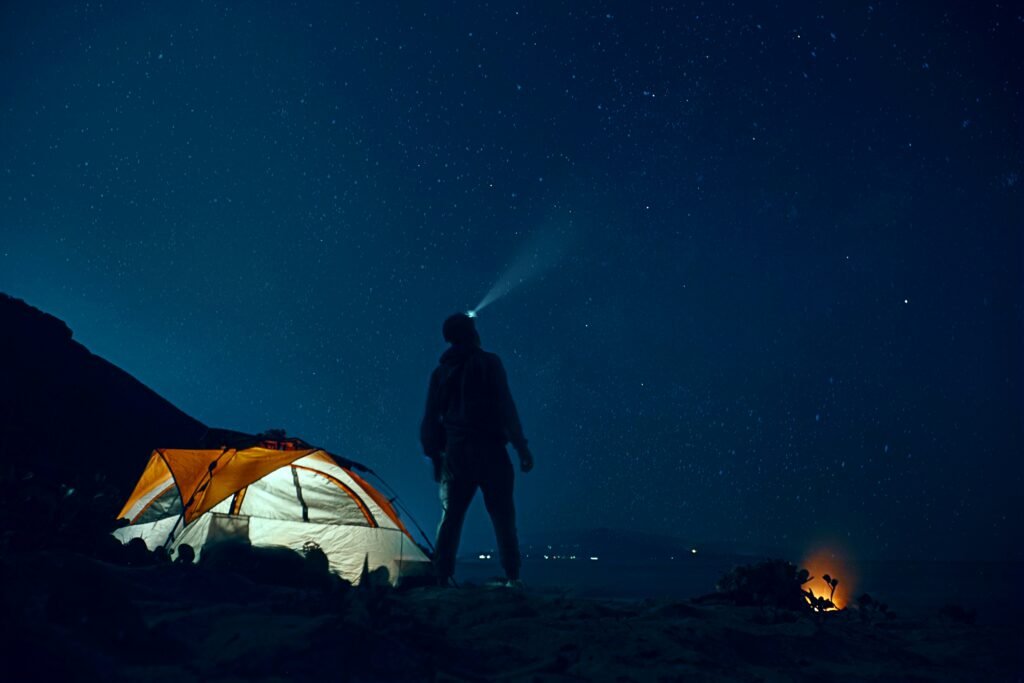
Imagine sitting by a crackling campfire under a starry sky, with the hum of your solar-powered camper nearby. Your devices are charged, your fridge is running, and you have the lightning of your choice. This is the essence of solar-powered adventures.
Sharing the Experience
Consider connecting with fellow campers and solar enthusiasts. Share tips, experiences, and maybe even form a community or support group. The journey becomes even more enriching when you can exchange stories and knowledge with others who share your passions.
Future Trends in Solar Technology
As solar technology continues to evolve, staying informed about advancements can benefit you greatly. New developments may lead to more efficient panels, smarter systems, or increased affordability.
Emerging Technologies
- Bifacial Solar Panels: Capturing sunlight from both sides can increase energy production.
- Smart Inverters: These enhance energy management to optimize your system’s performance.
- Solar Batteries: Improved battery technology means longer life and faster charging.
As these technologies become more available, consider how they may enhance your setup and improve your overall experience.
Conclusion
Solar panel systems for campers serve as a gateway to the quiet freedom of nature. With careful planning and consideration, you can harness the sun’s energy to enhance your adventures while remaining environmentally conscious.
The quiet hum of a solar-powered camper gives you the confidence to explore farther, embrace minimalism, and truly savor the beauty of the great outdoors. So, as you contemplate your next trip, consider how solar energy can transform your camper experience into something restorative and exhilarating, allowing you to truly live in harmony with nature. You might just find yourself yearning for the open road and the unfiltered sunlight that fuels your journey.