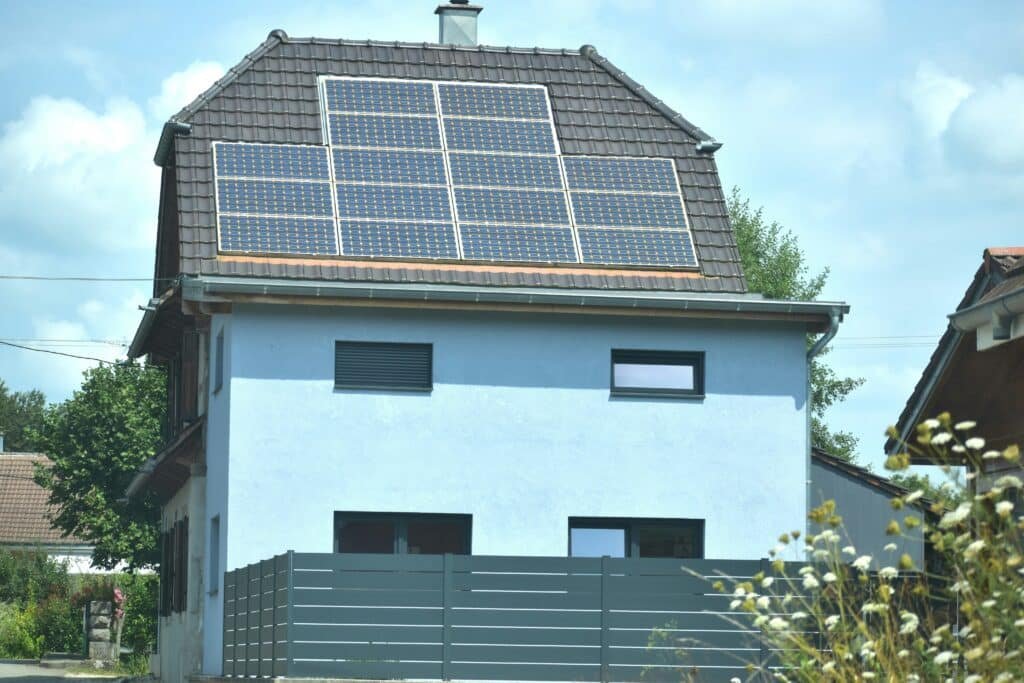
Have you ever considered how solar panels could transform your home, both in energy efficiency and in sustainability? If so, you’re not alone. Many homeowners today are seeking ways to harness the sun’s power, not just for ecological benefits but also for the long-term savings they can provide. With the rise in energy costs and concern for the environment, the need for renewable energy solutions has never been more pressing.
Understanding Solar Energy Basics
Before you dive into the specifics of solar panel set up, it’s important to understand the fundamentals of solar energy. Solar panels work by converting sunlight into electricity. Through photovoltaic cells, these panels capture the sun’s rays and transform them into usable energy for your home.
How Solar Panels Work
The process of energy generation begins when sunlight hits the solar panels. Here’s a simplified breakdown of how it works:
- Photovoltaic Cells: The panels are made up of photovoltaic cells that absorb sunlight.
- Energy Conversion: The absorbed sunlight generates DC (direct current) electricity.
- Inverter Function: The DC electricity is then converted into AC (alternating current) electricity through an inverter, making it usable for your home.
- Energy Use: The AC electricity powers your appliances and can also be fed back into the grid if your system is set up that way.
Types of Solar Panels
Knowing the different types of solar panels can help you choose the right one for your home. Here’s a quick overview:
| Type | Description | Advantages | Disadvantages |
|---|---|---|---|
| Monocrystalline Solar Panels | Made from a single crystal structure, these panels are known for high efficiency. | High efficiency and longevity. | More expensive than other types. |
| Polycrystalline Solar Panels | Made from multiple crystals, they tend to be less efficient. | Generally more affordable. | Lower efficiency and space requirements. |
| Thin-Film Solar Panels | Flexible and lightweight panels that can be applied to various surfaces. | Lightweight and versatile. | Generally lower efficiency. |
Each type has its pros and cons, so take the time to assess what might best suit your needs.
The Benefits of Going Solar
Switching to solar energy has numerous benefits extending beyond the initial installation. Here are some of the most compelling reasons to consider this switch:
Environmental Impact
Using solar energy dramatically reduces your carbon footprint. By harnessing this renewable resource, you contribute to a decrease in greenhouse gases that lead to climate change.
Financial Savings
Although the initial investment for solar panels can seem high, the long term savings on your electric bill will pay off. Many homeowners see a reduction in energy costs by 50% or more.
Energy Independence
Producing your own energy gives you a sense of control that traditional energy sources can’t provide. You become less reliant on the grid and the fluctuating energy prices that come with it.
Incentives and Rebates
Many governments offer tax incentives, rebates, or financing options to help offset the costs associated with solar panel installations. It’s worth checking what incentives you may qualify for in your area.

Evaluating Your Home for Solar Panel Installation
Before you jump into installation, it’s essential to evaluate if your home is suitable for solar panels.
Roof Condition and Orientation
Your roof’s condition, angle, and direction can significantly influence the efficiency of solar panels. Here are some things to consider:
- Roof Age: Ensure your roof is in good condition and likely to last for years to come.
- Roof Type: Solar panels work best on roofs that are south-facing. However, east or west orientations can also be effective.
- Shading: Consider whether trees or structures will block sunlight access.
Local Regulations and Homeowner Associations
Be aware of any local laws regarding solar panel installations. Homeowners associations (HOAs) might have specific restrictions or guidelines that you’ll need to follow.
Energy Needs Assessment
Conduct an energy audit to determine your current and future energy consumption. This step is crucial for understanding the size and capacity of the solar system you’ll need.
The Solar Installation Process
Once you’ve determined that solar panels are a fit for your home, it’s time to understand the installation process.
Selecting a Solar Provider
One of the most critical steps is choosing the right solar provider. Research multiple companies, read reviews, and ask for quotes.
Site Assessment
A professional service will conduct a site assessment to evaluate your home’s solar potential. They’ll check your roof, review your energy needs, and discuss layout options.
Design and Proposal
Following the assessment, the solar provider will create a custom design that meets your specifications. They’ll present a proposal outlining the costs, production estimates, and timeline.
Permitting and Paperwork
Before installation can begin, the provider will typically handle all necessary permits and paperwork on your behalf, ensuring compliance with local regulations.
Installation Day
During installation, the solar provider will install the panels on your roof and connect them to the inverter and electrical system in your home. This process usually takes a day or two, depending on the system size.
Final Inspection and Grid Connection
After installation, the system must undergo a final inspection from local authorities. Once approved, your panels will be connected to the grid, and you can start enjoying your new energy source.
Maintenance Tips for Solar Panels
Once your solar panels are up and running, it’s important to keep them in good condition for optimal performance.
Regular Cleaning
Debris, dirt, and grime can diminish the efficiency of your solar panels. While rain may wash away some of the dirt, it’s a good idea to perform a visual inspection and clean them if necessary.
Monitoring Performance
Consider installing a monitoring system to track the output of your solar energy. Many systems offer apps that alert you to performance drops, allowing timely interventions if issues arise.
Professional Inspections
Enroll in a maintenance plan that includes regular professional inspections. These specialists can catch potential problems before they escalate.
Tackling Common Concerns
While the benefits of solar panels are numerous, concerns about cost, weather, and efficiency are normal. Let’s address some of those.
The Initial Cost
Yes, the initial investment can be substantial. However, financing options and long-term savings typically offset this cost over time. Check for available incentives to help reduce upfront expenses.
Weather Impact
You’re probably wondering how solar panels fare in less sunny weather. Thankfully, they can still generate electricity during cloudy days, though efficiency may be slightly reduced.
Longevity
Most solar panels come with a warranty of 25 years or more. This durability ensures that they can provide you with energy for decades with minimal maintenance.
Community Impact of Solar Panel Adoption
When you adopt solar energy, not only are you making a personal choice, but you’re also contributing to broader community benefits.
Job Creation
The solar industry is a significant provider of jobs, from installation and maintenance to manufacturing and sales. By choosing solar, you’re supporting local employment opportunities.
Increased Property Values
Studies have shown that homes equipped with solar energy systems tend to sell for more than comparable homes without them. This can be a substantial advantage should you decide to sell your home in the future.
Community Resilience
Utilizing renewable energy sources like solar increases the resilience of communities. It reduces reliance on external energy suppliers, ensuring stability in energy access during crises.
The Future of Home Energy
So, what does the future of solar energy look like? The prospects are bright, to say the least.
Technological Innovations
As solar technology continues to evolve, you can expect improvements in efficiency and energy storage. Innovations like solar shingles and bifacial panels offer exciting alternatives for homeowners.
Battery Storage Solutions
With advancements in battery storage, homeowners can store excess energy generated during the day for use at night. This solution promotes greater energy independence and efficiency.
Integration with Smart Home Technology
Imagine a home where your solar panels are intelligently interconnected with other smart devices. An integrated system can monitor energy consumption and optimize it for both efficiency and savings.

Conclusion
Transitioning to solar energy is more than just a technological upgrade; it’s a step toward a sustainable future that benefits you, your community, and the planet. Whether you’re motivated by the environmental impact, financial savings, or energy independence, there’s no denying that solar panels hold significant potential.
By understanding the intricacies of solar panel set up, evaluating your options, and considering the broader benefits of going solar, you’re well on your way to making an informed decision that can positively impact your home and community for years to come. Make the leap; the sun is calling!