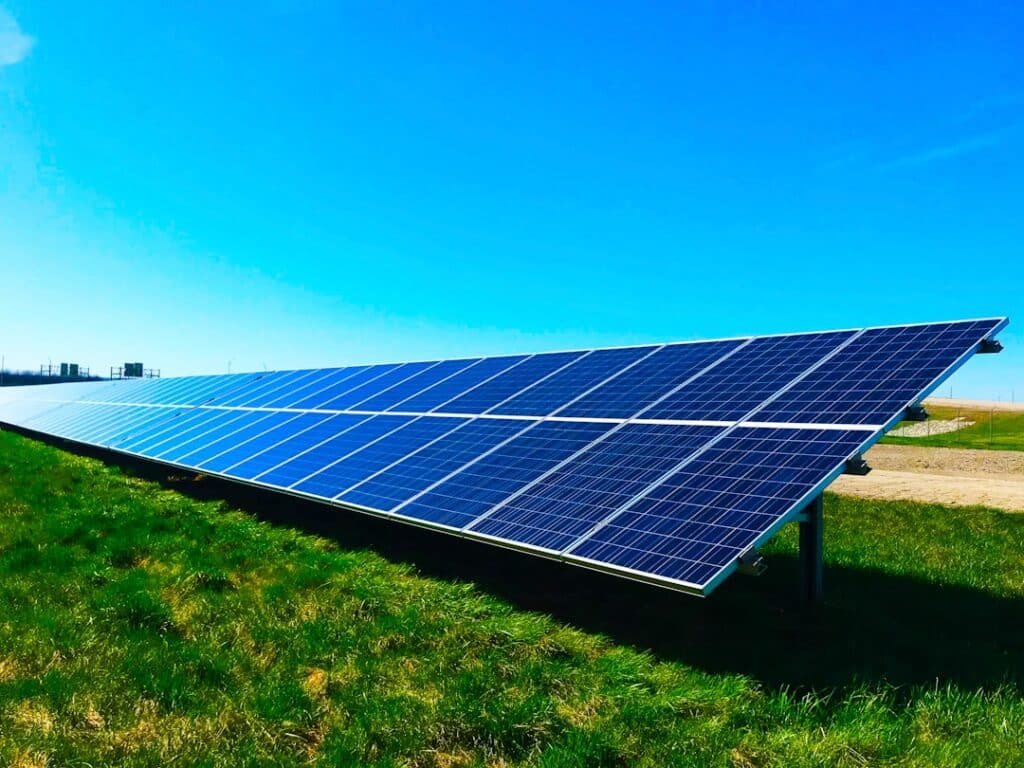
When you decide to install solar panels, one of the critical steps in the process is understanding utility interconnection agreements. These agreements are essential contracts between you, the solar panel owner, and your local utility company. They outline the terms and conditions under which your solar energy system will connect to the utility grid.
This connection is vital because it allows you to send excess energy generated by your solar panels back to the grid, which can lead to financial benefits through net metering or energy credits. Utility interconnection agreements can vary significantly from one utility company to another, depending on local regulations and policies. As you navigate this landscape, it’s crucial to familiarize yourself with the specific requirements and processes of your utility provider.
Understanding these agreements will not only help you ensure compliance but also empower you to make informed decisions about your solar energy system and its integration with the grid.
Key Takeaways
- Utility interconnection agreements are essential for connecting solar panel systems to the grid and ensuring a smooth integration process.
- These agreements can impact the overall cost of solar panel installation, as well as the efficiency and performance of the system.
- Utility companies play a crucial role in negotiating and implementing interconnection agreements, and their cooperation is vital for successful solar panel integration.
- Common terms and conditions in these agreements include technical requirements, liability provisions, and dispute resolution mechanisms.
- Navigating utility interconnection agreements requires a thorough understanding of legal and regulatory aspects, as well as potential challenges and issues that may arise during the process.
The Importance of Utility Interconnection Agreements for Solar Panel Installation
Utility interconnection agreements play a pivotal role in the successful installation of solar panels. Without a proper agreement in place, your solar energy system may not be able to connect to the grid, rendering it less effective and potentially leading to financial losses. These agreements provide a framework that ensures both you and the utility company understand your rights and responsibilities regarding energy production and consumption.
Moreover, these agreements can significantly influence the overall success of your solar project. They often dictate how much energy you can send back to the grid, how you will be compensated for that energy, and what technical standards your system must meet. By securing a favorable interconnection agreement, you can maximize the benefits of your solar installation, ensuring that it operates efficiently and economically.
How Utility Interconnection Agreements Impact the Cost of Solar Panel Installation

The cost of installing solar panels can be influenced by the terms outlined in utility interconnection agreements. For instance, some agreements may require specific equipment or upgrades to your existing electrical system, which can add to your overall installation costs. Additionally, if the interconnection process is lengthy or complicated, it may lead to increased labor costs and delays in project completion.
On the other hand, a well-negotiated interconnection agreement can lead to cost savings in the long run. By understanding the financial implications of these agreements, you can make strategic decisions that minimize upfront expenses while maximizing potential savings through net metering or other compensation mechanisms. Therefore, it’s essential to carefully review and negotiate the terms of your interconnection agreement to ensure that it aligns with your financial goals.
The Role of Utility Companies in Interconnection Agreements
Utility companies play a crucial role in the interconnection agreement process. They are responsible for establishing the technical standards and requirements that your solar energy system must meet to connect to the grid. This includes evaluating your system’s capacity, ensuring it complies with safety regulations, and determining how much energy you can export back to the grid.
Additionally, utility companies often have a vested interest in promoting renewable energy sources like solar power. As such, they may offer incentives or streamlined processes for homeowners looking to install solar panels. Understanding the utility company’s perspective can help you navigate the interconnection agreement process more effectively and leverage any available resources or support.
Common Terms and Conditions in Utility Interconnection Agreements
When reviewing utility interconnection agreements, you’ll encounter various terms and conditions that are essential to understand. Common elements include interconnection fees, which are charges associated with connecting your solar system to the grid. These fees can vary widely depending on your location and the specific utility company.
Another critical aspect is the net metering policy, which outlines how you will be compensated for any excess energy your solar panels generate. This policy can significantly impact your financial return on investment, so it’s vital to understand how it works within your agreement. Additionally, many agreements include provisions related to maintenance responsibilities, insurance requirements, and dispute resolution processes.
Familiarizing yourself with these terms will help you navigate potential challenges down the line.
How Utility Interconnection Agreements Impact the Efficiency of Solar Panel Systems

The efficiency of your solar panel system can be directly affected by the terms set forth in utility interconnection agreements. For example, if an agreement imposes strict limitations on how much energy you can export back to the grid, it may discourage you from investing in a larger solar array that could generate more power than you need for personal consumption. This limitation could hinder your ability to maximize the benefits of your solar investment.
Conversely, favorable interconnection agreements can enhance system efficiency by allowing for greater flexibility in energy management. If you’re able to export excess energy without restrictions, you can optimize your system’s performance and potentially increase your overall savings. Understanding how these agreements impact efficiency will enable you to make informed decisions about your solar installation and its long-term viability.
The Process of Negotiating Utility Interconnection Agreements
Negotiating utility interconnection agreements can be a complex process that requires careful consideration and preparation. Start by gathering all necessary documentation related to your solar installation, including system specifications and any relevant permits. This information will be crucial when discussing terms with your utility provider.
During negotiations, it’s essential to communicate clearly and assertively about your needs and expectations. Be prepared to ask questions about any unclear terms or conditions and advocate for favorable provisions that align with your goals. Engaging with experienced professionals or consultants who specialize in solar energy can also provide valuable insights and support throughout this process.
The Legal and Regulatory Aspects of Utility Interconnection Agreements
Utility interconnection agreements are subject to various legal and regulatory frameworks that govern their implementation. These regulations can vary significantly by state or region, so it’s essential to familiarize yourself with local laws that may impact your agreement. Understanding these legal aspects will help you navigate potential challenges and ensure compliance with all necessary requirements.
Additionally, regulatory bodies often oversee utility companies’ practices regarding interconnection agreements. This oversight can provide an avenue for recourse if you encounter issues during the negotiation process or after installation. Staying informed about relevant regulations will empower you to advocate for your rights as a solar panel owner effectively.
Potential Challenges and Issues with Utility Interconnection Agreements
While utility interconnection agreements are designed to facilitate the connection of solar systems to the grid, several challenges may arise during this process. One common issue is delays in approval or processing times, which can extend project timelines and increase costs. These delays may stem from bureaucratic inefficiencies within utility companies or a lack of clarity regarding regulatory requirements.
Another potential challenge is navigating disputes over terms or conditions within the agreement itself. If disagreements arise regarding net metering policies or interconnection fees, it may require additional negotiation or even legal intervention to resolve these issues. Being proactive in understanding potential challenges will help you prepare for any obstacles that may arise during the interconnection process.
The Impact of Utility Interconnection Agreements on Net Metering and Energy Credits
Utility interconnection agreements have a significant impact on net metering policies and energy credits available to solar panel owners like yourself. Net metering allows you to receive credit for excess energy generated by your solar system that is fed back into the grid. The terms outlined in your interconnection agreement will dictate how this process works and what compensation you can expect.
Understanding how net metering interacts with your interconnection agreement is crucial for maximizing financial benefits from your solar installation. Some agreements may offer more favorable compensation rates than others, so it’s essential to negotiate terms that align with your financial goals. By doing so, you can ensure that you’re receiving fair compensation for the energy you contribute back to the grid.
Tips for Navigating Utility Interconnection Agreements for Solar Panel Installation
Navigating utility interconnection agreements can be daunting, but there are several strategies you can employ to make the process smoother. First, do thorough research on your local utility company’s policies and procedures regarding interconnections. Familiarizing yourself with their requirements will help you prepare better documentation and anticipate potential challenges.
Second, consider seeking assistance from professionals who specialize in solar energy installations and interconnections. Their expertise can provide valuable insights into negotiating favorable terms and navigating complex regulatory landscapes. Finally, maintain open communication with your utility provider throughout the process; building a positive relationship can facilitate smoother negotiations and help address any issues that may arise.
In conclusion, understanding utility interconnection agreements is essential for anyone considering solar panel installation. By familiarizing yourself with their importance, costs, common terms, and potential challenges, you can navigate this critical aspect of solar energy integration more effectively. With careful planning and negotiation, you can secure an agreement that maximizes the benefits of your solar investment while ensuring compliance with local regulations.
If you are considering installing solar panels for your home, it is important to understand the sizing and design considerations involved. A related article on solar energy for household use: sizing and design considerations provides valuable information on how to properly size and design a solar energy system for your specific needs. This article can help you make informed decisions about your solar panel installation and ensure that you maximize the benefits of solar energy for your home.
FAQs
What is a utility interconnection agreement?
A utility interconnection agreement is a contract between a solar panel system owner and their local utility company that outlines the terms and conditions for connecting the solar panels to the electric grid.
Why are utility interconnection agreements important for solar panel installations?
Utility interconnection agreements are important because they ensure that the solar panel system can safely and effectively connect to the electric grid, allowing the system owner to receive credit for any excess energy produced and to access electricity from the grid when needed.
What are some common elements of utility interconnection agreements?
Common elements of utility interconnection agreements include technical requirements for the solar panel system, safety and reliability standards, liability and insurance provisions, and the process for obtaining permission to operate the system.
How do utility interconnection agreements impact the cost of a solar panel installation?
Utility interconnection agreements can impact the cost of a solar panel installation by requiring the system owner to install additional equipment or make modifications to the system in order to meet the utility’s technical and safety requirements.
What are some potential challenges or issues that can arise with utility interconnection agreements?
Potential challenges or issues with utility interconnection agreements can include lengthy approval processes, technical or safety requirements that are difficult or costly to meet, and disputes over the terms and conditions of the agreement.
How can homeowners navigate utility interconnection agreements for their solar panel installations?
Homeowners can navigate utility interconnection agreements for their solar panel installations by working with experienced solar installers who are familiar with the local utility company’s requirements and processes, and by carefully reviewing and understanding the terms of the agreement before signing.