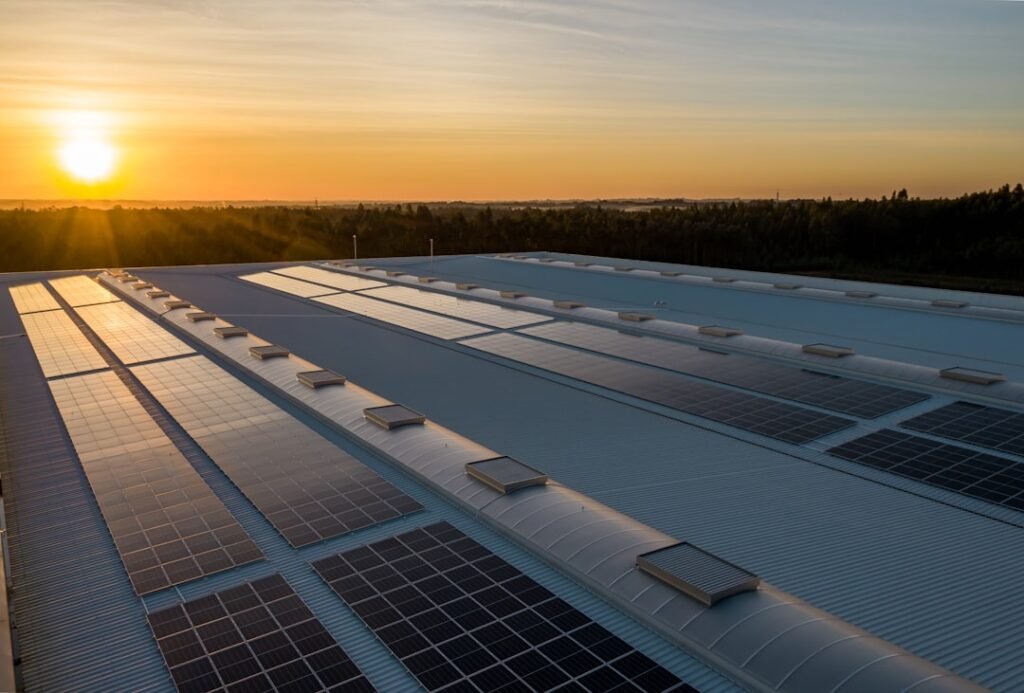
Community solar programs have emerged as a transformative solution for individuals and communities seeking to harness renewable energy without the need for personal solar installations. If you’ve ever considered the benefits of solar energy but felt deterred by the costs or logistics of installing panels on your own property, community solar offers a compelling alternative. By participating in these programs, you can access the advantages of solar power, such as reduced energy bills and a smaller carbon footprint, while contributing to a collective effort to promote sustainability.
As you explore community solar options, you’ll find that these initiatives allow you to invest in or subscribe to a shared solar array located off-site. This means you can enjoy the benefits of solar energy even if you live in an apartment or a home that isn’t suitable for solar panel installation. The growing popularity of community solar reflects a broader shift towards renewable energy sources, driven by both environmental concerns and economic incentives.
Understanding how these programs work and the legal framework surrounding them is essential for making informed decisions about your participation.
Key Takeaways
- Community solar panel participation allows individuals to benefit from solar energy without installing panels on their own property.
- Understanding the legal framework for community solar is essential for ensuring compliance with regulations and maximizing benefits.
- State and local regulations play a crucial role in the development and operation of community solar projects.
- Federal incentives and policies can provide financial support and regulatory guidance for community solar initiatives.
- Utility companies play a key role in facilitating and managing community solar programs, impacting their success and accessibility.
Understanding the Legal Framework for Community Solar
Navigating the legal landscape of community solar can seem daunting, but it is crucial for ensuring that your rights and responsibilities are clearly defined. The legal framework governing community solar varies significantly from state to state, influenced by local policies, regulations, and incentives. As you delve into this realm, it’s important to familiarize yourself with the specific laws that apply in your area.
This knowledge will empower you to make informed choices about your involvement in community solar projects. At its core, the legal framework for community solar encompasses various aspects, including property rights, energy regulations, and consumer protection laws. You’ll want to understand how these elements interact to create a cohesive system that supports community solar initiatives.
For instance, some states have enacted legislation that explicitly allows for community solar projects, while others may rely on existing utility regulations to facilitate their development. By grasping these legal nuances, you can better navigate the opportunities and challenges associated with community solar participation.
State and Local Regulations for Community Solar Projects

State and local regulations play a pivotal role in shaping the landscape of community solar projects. Each state has its own set of rules governing how these initiatives can be developed, financed, and operated. As you consider participating in a community solar program, it’s essential to research the specific regulations that apply in your state.
This may include understanding how local zoning laws affect the siting of solar arrays or what permitting processes are required for project developers. In addition to state-level regulations, local governments may impose their own requirements that can impact community solar projects. For example, some municipalities may have specific guidelines regarding land use or environmental assessments that must be adhered to before a project can move forward.
By being aware of these regulations, you can better assess the feasibility of community solar initiatives in your area and ensure that any project you consider complies with local laws.
Federal Incentives and Policies for Community Solar
Federal incentives and policies play a significant role in promoting the growth of community solar across the United States. As you explore your options, it’s important to understand how these incentives can benefit both project developers and participants like yourself. The federal government has implemented various programs aimed at encouraging renewable energy development, including tax credits and grants that can help offset the costs associated with community solar projects.
One of the most notable federal incentives is the Investment Tax Credit (ITC), which allows participants to deduct a percentage of their investment in solar energy systems from their federal taxes. This incentive not only makes community solar more financially attractive but also encourages more individuals and organizations to invest in renewable energy solutions. By taking advantage of these federal policies, you can maximize your savings while contributing to a cleaner energy future.
The Role of Utility Companies in Community Solar Programs
Utility companies play a crucial role in the implementation and management of community solar programs. As you consider participating in such initiatives, it’s important to understand how utilities interact with these projects and what responsibilities they hold. In many cases, utility companies are involved in facilitating the connection between community solar arrays and the grid, ensuring that energy generated by these projects is distributed effectively to participants.
Moreover, utilities often provide valuable resources and support for community solar programs, including marketing efforts and customer service assistance. They may also be responsible for billing participants based on their share of the energy produced by the solar array. Understanding the role of utility companies can help you navigate the complexities of community solar participation and ensure that you receive accurate information regarding your energy usage and billing.
Legal Considerations for Community Solar Ownership and Participation

Understanding Ownership Structure
Some community solar programs operate on a subscription model, where participants pay a monthly fee for access to a portion of the energy produced by the solar array. Others may offer ownership stakes in the project itself, allowing you to invest directly in the infrastructure.
Legal Agreements and Contracts
You should be aware of any legal agreements or contracts that govern your participation in the program. These documents outline your rights and responsibilities as a participant, including payment terms, duration of participation, and any potential penalties for early termination.
Protecting Your Interests
By carefully reviewing these agreements, you can ensure that you fully understand your legal obligations and are protected throughout your involvement in the community solar initiative.
Contractual Agreements and Legal Obligations for Community Solar Participants
Contractual agreements are a fundamental aspect of community solar participation, as they define the relationship between you and the project developers or utility companies involved. These contracts typically outline key details such as payment structures, energy credits, and the duration of your commitment to the program. As you consider entering into such agreements, it’s crucial to read them thoroughly and seek clarification on any terms that may be unclear.
In addition to understanding your rights under these contracts, it’s important to be aware of your legal obligations as a participant. This may include timely payment of fees or adherence to specific usage guidelines set forth by the program administrators. Failing to meet these obligations could result in penalties or loss of access to the benefits associated with community solar participation.
By being proactive in understanding your contractual commitments, you can ensure a smooth experience throughout your involvement in the program.
Consumer Protections and Rights in Community Solar Programs
Consumer protections are vital components of community solar programs, designed to safeguard your interests as a participant. As you explore different initiatives, it’s essential to familiarize yourself with the rights afforded to you under state and federal laws. These protections may include provisions related to transparency in pricing, clear communication regarding program terms, and recourse options in case of disputes.
Moreover, many states have established regulatory bodies tasked with overseeing community solar programs and ensuring compliance with consumer protection standards. These agencies can serve as valuable resources if you encounter issues or have questions about your rights as a participant. By understanding these protections, you can confidently engage in community solar initiatives while knowing that your interests are being safeguarded.
Environmental and Land Use Regulations for Community Solar Projects
Environmental and land use regulations are critical considerations for community solar projects, as they help ensure that these initiatives are developed responsibly and sustainably. As you explore potential participation in such programs, it’s important to understand how these regulations may impact project development and operation. Local zoning laws often dictate where solar arrays can be installed, taking into account factors such as land use compatibility and environmental impact assessments.
Additionally, many states require developers to conduct thorough environmental reviews before proceeding with community solar projects. These reviews assess potential impacts on local ecosystems, wildlife habitats, and water resources. By being aware of these regulations, you can better evaluate the sustainability of community solar initiatives and support projects that prioritize environmental stewardship.
Legal Challenges and Disputes in Community Solar Initiatives
Despite the many benefits associated with community solar programs, legal challenges and disputes can arise during their development and operation. As a participant or potential participant, it’s important to be aware of common issues that may surface within these initiatives. Disputes may arise over contract terms, billing discrepancies, or disagreements regarding project management responsibilities.
In some cases, legal challenges may stem from regulatory hurdles or opposition from local stakeholders who may not support the development of community solar projects in their area. Understanding these potential challenges can help you navigate any complexities associated with participation while also preparing you for possible disputes that may arise during your involvement.
The Future of Community Solar Legislation and Policy
The future of community solar legislation and policy is poised for growth as more individuals recognize the benefits of renewable energy solutions. As you look ahead, it’s essential to stay informed about emerging trends and potential changes in regulations that could impact community solar initiatives. Policymakers at both state and federal levels are increasingly focused on expanding access to renewable energy sources, which bodes well for the future of community solar programs.
Moreover, advancements in technology and financing models are likely to shape how community solar projects are developed and managed moving forward. As new innovations emerge, they may enhance efficiency and reduce costs associated with these initiatives, making them even more accessible to participants like yourself. By staying engaged with developments in this field, you can position yourself to take advantage of future opportunities within the growing landscape of community solar participation.
In conclusion, participating in community solar programs offers numerous benefits while also presenting unique legal considerations that require careful navigation. By understanding the legal framework surrounding these initiatives—ranging from state regulations to consumer protections—you can make informed decisions about your involvement in renewable energy solutions that align with your values and financial goals.
If you are interested in learning more about the advantages of solar panels, you should check out this article. It discusses the various benefits of using solar panels, such as reducing electricity bills and decreasing carbon footprint. Understanding these advantages can further emphasize the importance of community solar panel participation and the legal framework surrounding it.
FAQs
What is community solar panel participation?
Community solar panel participation refers to the opportunity for individuals, businesses, and organizations to invest in or subscribe to a shared solar energy project. Participants can receive credits on their electricity bills for the power produced by the community solar panels.
What is the legal framework for community solar panel participation?
The legal framework for community solar panel participation varies by location, but it typically involves regulations and policies at the federal, state, and local levels. These may include laws related to renewable energy, net metering, and utility regulations.
What are some common legal considerations for community solar panel projects?
Common legal considerations for community solar panel projects include land use and zoning regulations, interconnection and grid access, consumer protection laws, and contract agreements between project developers and participants.
How do regulations impact community solar panel participation?
Regulations can impact community solar panel participation by influencing the financial incentives, project development process, and consumer protections available to participants. Clear and supportive regulations can help facilitate the growth of community solar projects.
What are some potential legal challenges for community solar panel participation?
Potential legal challenges for community solar panel participation may include navigating complex regulatory requirements, addressing land use and permitting issues, and ensuring fair compensation for participants. Additionally, consumer protection and contract disputes may arise.