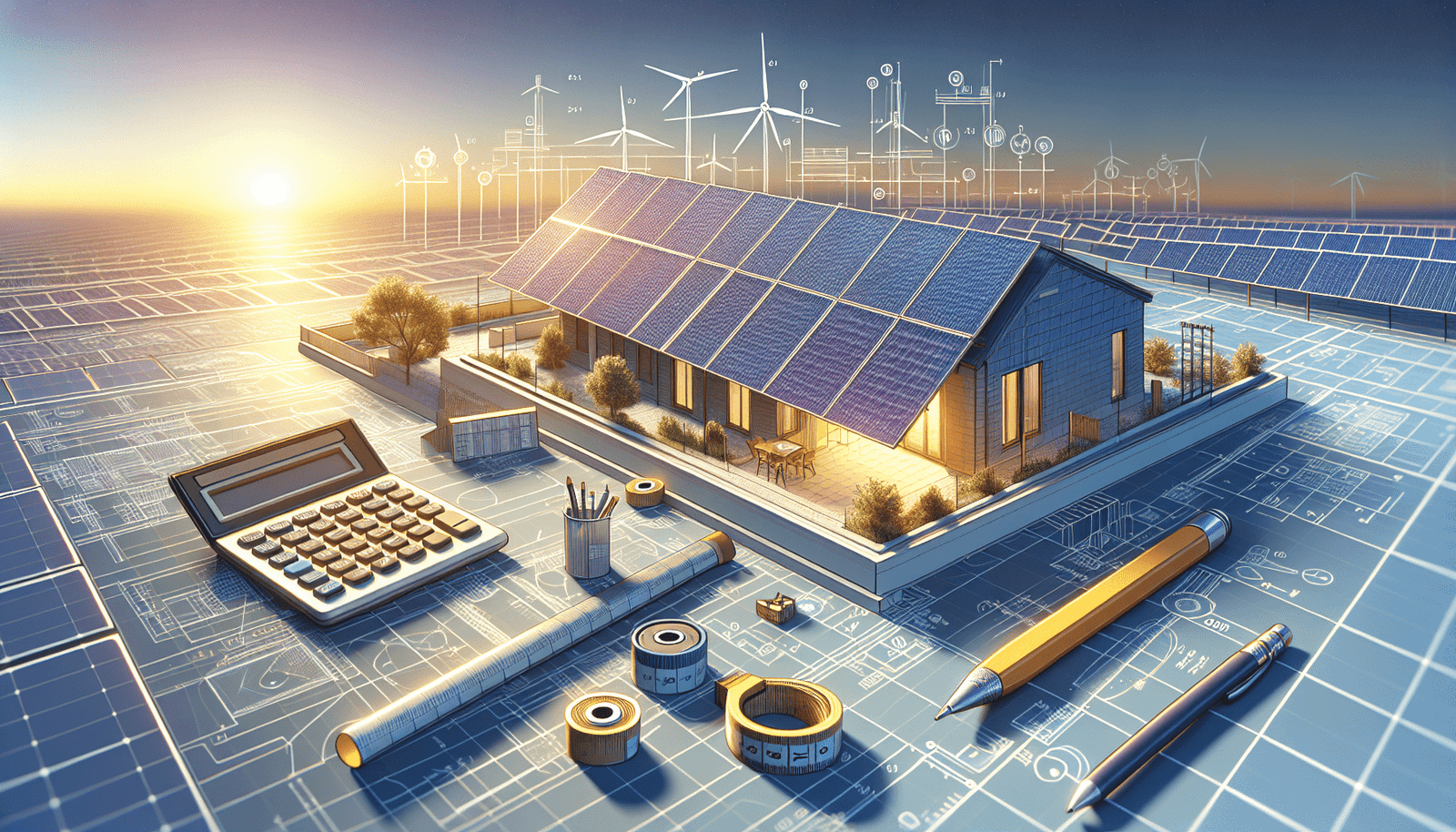
Have you ever wondered how much it truly costs to install solar panels? The thought of switching to renewable energy is exciting, but the installation costs often lead to hesitations. Understanding these costs can empower you to make informed decisions about your energy future.
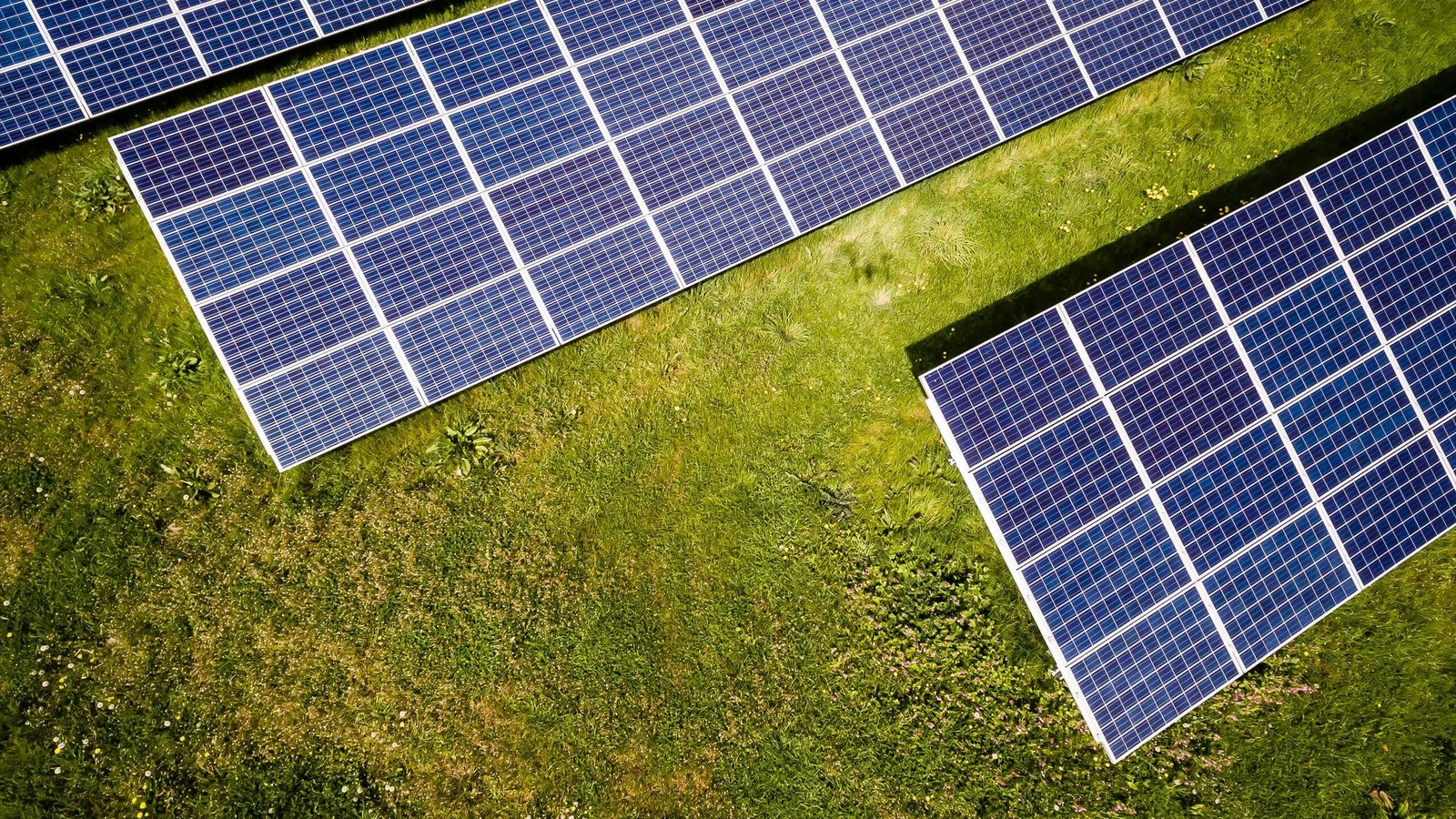
The Basics of Solar Panel Costs
At its core, the installation of solar panels involves various factors that contribute to the overall cost. Understanding these factors can help you budget efficiently and appreciate the value that solar energy brings to your home.
Equipment Costs
At the heart of every solar panel installation is the equipment. This typically includes the solar panels themselves, inverters, and mounting systems. The quality and type of equipment you choose play a significant role in your installation cost.
-
Solar Panels
The most visible component, solar panels, typically account for about 50-60% of your total installation cost. They vary in type—monocrystalline, polycrystalline, and thin-film—each with different efficiencies and price points. -
Inverters
Inverters convert the DC electricity generated by the solar panels into AC electricity, which is what your home appliances use. Depending on your system design, you might choose a string inverter, microinverters, or power optimizers, which can affect your overall costs too. -
Mounting Systems
The way solar panels are secured to your roof or ground influences the installation costs. Roof mounts can be less expensive than ground mounts and vary in price based on the complexity of the installation.
Installation Costs
Beyond equipment, labor is a substantial part of your overall costs. Installation costs depend on several components, including the complexity of your roof, permits required, and the company you choose for installation.
-
Labor Costs
Hiring professionals to install your solar system typically accounts for about 25-35% of your overall solar installation cost. Depending on your location, labor rates can vary significantly. A well-trained crew can make installation a quick and efficient process. -
Permits and Inspection Fees
Local regulations might require you to obtain permits and pay inspection fees. It’s essential to factor these costs into your budget since they can range from a few hundred to a few thousand dollars, depending on where you live. -
Electrical Components
Additional electrical work might be necessary, especially if upgrades are needed for your home’s electrical system. This could involve costs associated with circuit breakers, wiring, and connection points.
Incentives and Rebates
The solar industry offers numerous financial incentives that can substantially reduce your installation costs. Being aware of these opportunities can help shift your budget in the right direction.
-
Federal Tax Credit
One substantial advantage is the federal tax credit, which allows you to deduct a percentage of your installation cost from your federal taxes. This percentage can have a dramatic effect on the financial viability of your solar investment. -
State and Local Incentives
Beyond the federal tax credit, many states and local governments offer incentives such as rebates or tax exemptions, which can further lower your costs. Researching these options in your area will give you an idea of what you can claim. -
Financing Options
Different financing options allow you to spread the cost of installation over time. You might consider options like solar loans, leases, or power purchase agreements, each with its benefits and drawbacks.
Choosing the Right Solar Panel System
Not all solar panel systems are created equal. Choosing the right system for your home can make a significant difference in both performance and expenses.
System Size
The capacity of your solar panel system will significantly affect its cost. To determine how large your system needs to be, consider these factors:
-
Energy Consumption
Understanding your average energy usage will guide you in sizing your solar panel system. Reviewing your utility bills and identifying your monthly kilowatt-hour consumption can create a clearer picture. -
Roof Size and Orientation
The available space on your roof and its orientation towards the sun are crucial in determining your system size. A south-facing roof typically captures more sunlight than roofs oriented in other directions. -
Shading
Areas of your roof shaded by trees or buildings might generate less energy, impacting how many panels you should install. Solutions like trimming trees or adjusting panel placement can help mitigate shading issues.
Types of Solar Panel Systems
When it comes to installation, you’ll encounter a variety of types that might align with your energy needs and budget.
-
Grid-Tied Systems
These systems are connected to the utility grid and can draw electricity from the grid when your solar panels aren’t producing enough energy. They are generally more cost-effective due to their simplicity but require a grid connection. -
Off-Grid Systems
If you live in an area with unreliable electricity access, an off-grid system might be ideal. These systems allow self-sufficiency but typically involve higher costs due to battery storage requirements. -
Hybrid Systems
A hybrid system combines the best of both worlds, providing reliability from the grid while also utilizing battery storage for excess energy. These systems tend to be the most expensive but offer significant benefits for energy independence.
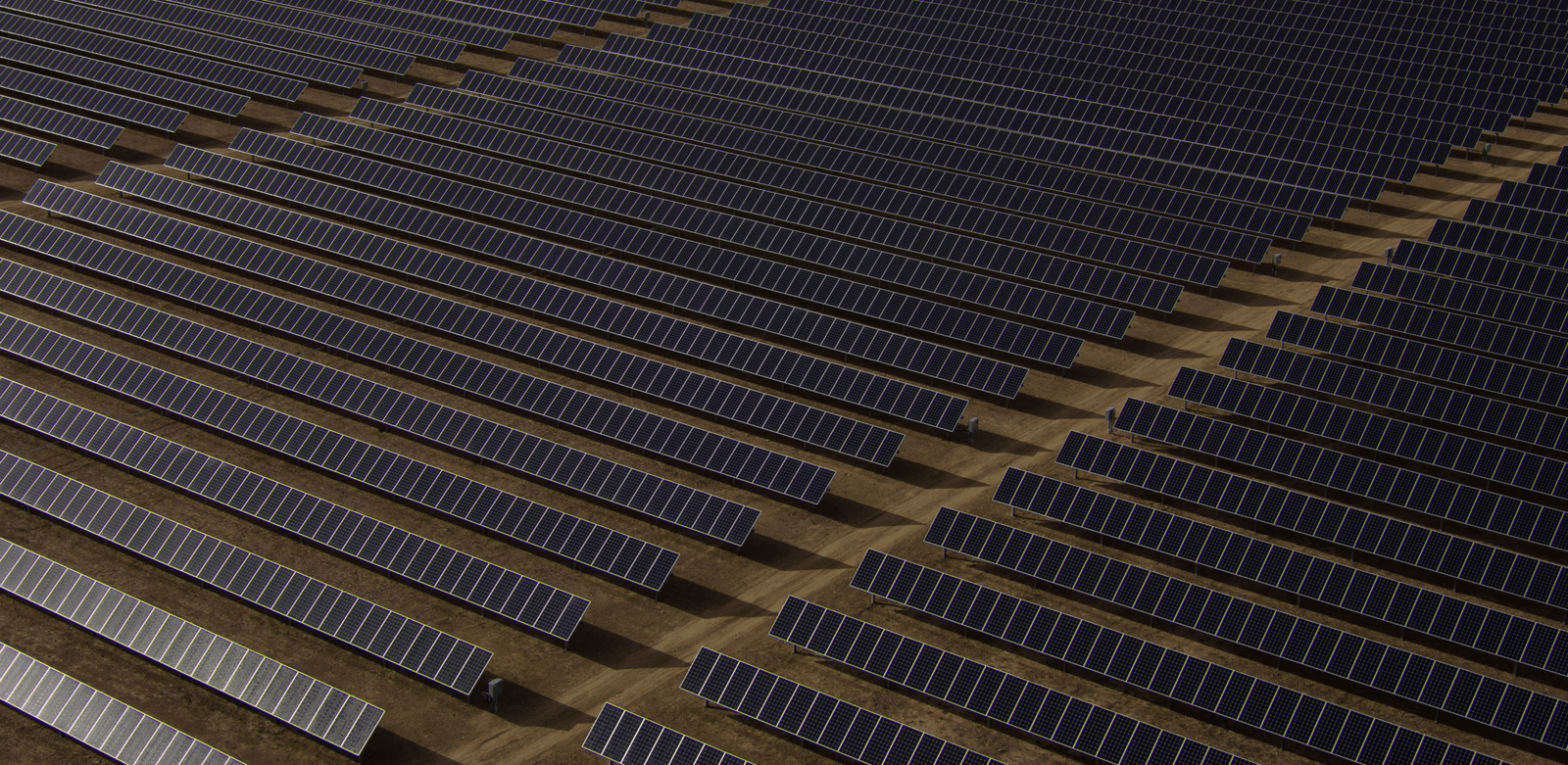
Ongoing Maintenance Costs
While the installation cost of solar panels is often the most significant expense, it’s essential to consider ongoing maintenance costs as part of your solar investment.
Routine Maintenance
Regular maintenance ensures the longevity and efficiency of your solar panel system. While solar panels are designed to require minimal upkeep, some activities remain essential.
-
Cleaning
Keeping your panels clean is crucial for optimal performance. Depending on your environment, rain may wash away dirt and debris, or you might need to clean them periodically. Professional cleaning services can be hired, or, if you’re comfortable, you can do it yourself. -
Inspections
Having your system inspected regularly will help identify and address potential issues. Many companies offer annual maintenance contracts that can be a worthwhile investment in keeping your system running efficiently.
Monitoring Energy Production
Monitoring tools can help you track your energy production and consumption. You can often access this information through apps or online dashboards associated with your solar inverter. Staying informed allows you to ensure your system is operating at peak efficiency.
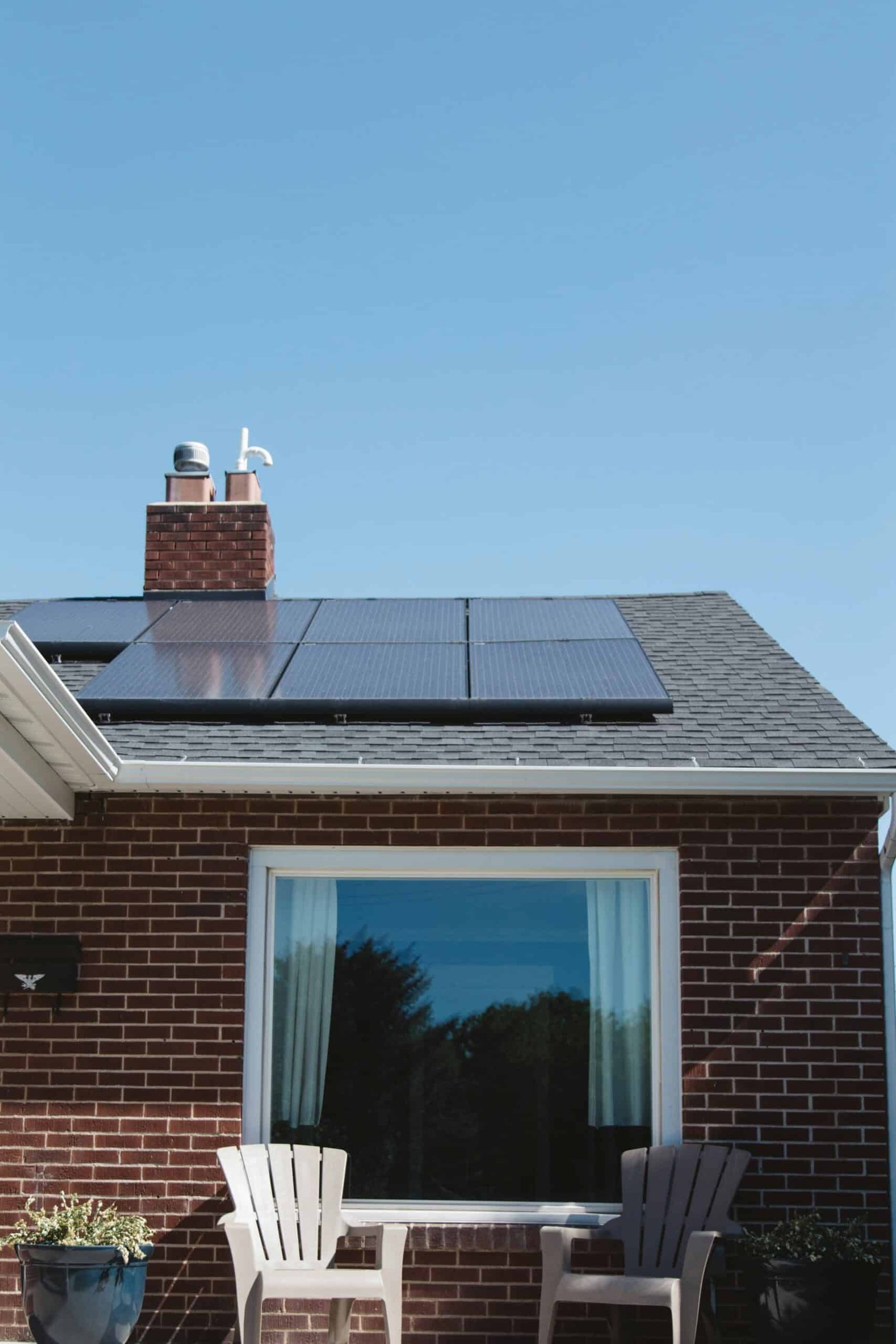
Financial Considerations
Investing in solar energy is not limited to installation costs, though it’s essential to understand the full financial picture.
Return on Investment (ROI)
Calculating your potential savings and ROI can help you evaluate whether making the switch to solar is worth it for you.
-
Monthly Savings
By generating your own electricity, you may significantly lower your monthly utility bills. Depending on local rates and your system size, these savings can add up quickly, leading to a strong return on your investment. -
Increased Home Value
Installing a solar panel system can boost your home’s resale value. Many homebuyers are attracted to energy-efficient features, so you may find your investment pays off come selling time.
Cost-Benefit Analysis
To get a clear picture of whether solar panels make sense financially, consider doing a cost-benefit analysis. Breaking down the initial costs against long-term savings will guide your decision.
| Expense | Estimated Cost ($) |
|---|---|
| Equipment Costs | $15,000 |
| Installation Costs | $5,000 |
| Permits and Inspections | $1,000 |
| Total Initial Cost | $21,000 |
| Federal Tax Credit | -$6,300 (30%) |
| State Incentives | -$1,000 |
| Total After Incentives | $13,700 |
Breakdown of Savings Over Time
Establishing a timeline showing your expected savings will also help you understand how quickly you can expect to recoup your initial investment.
-
Yearly Utility Savings
Estimate your yearly savings based on your expected energy production and current energy costs. -
Payback Period
Divide your net installation costs by your yearly savings to determine how long it will take to recoup your investment. This clarity will help set realistic expectations.

Conclusion
Understanding the installation cost of solar panels can seem overwhelming, but taking the time to break it down into manageable pieces makes the process much easier. From equipment and installation to maintenance and financial incentives, each component contributes to your overall investment.
As a homeowner, equipping yourself with this knowledge enables you to explore your options thoughtfully and make informed decisions about your energy future. So before you leap into the solar movement, ensure you’re equipped with all the necessary information to make a confident leap into renewable energy. Remember, your switch to solar isn’t just about saving money; it’s also about contributing to a more sustainable planet.
With the right research and understanding, you’ll find that the benefits of solar panels far outweigh the costs—leading to a brighter, cleaner, and more energy-independent future for you.