Understanding the Cost for Solar Panel Installation and Its Impact on Homeowners
What if you could reduce your energy bills and increase the value of your home? The Actual Solution might be right above your head: solar panels.
As a homeowner, navigating the ins and outs of solar panel installation can feel overwhelming. You might wonder about the costs, the savings you could expect, and how these installations can transform your living space.
Understanding Solar Panel Installation Costs
What do solar panel installation costs typically look like? The price can vary widely based on several factors, including system size, panel type, installation complexity, and location.
Average Costs for Solar Panel Installation
On average, the costs for solar panel installations range between $15,000 to $30,000 before any tax credits or incentives. To break it down further, here’s a simple overview:
| Factor | Cost Range |
|---|---|
| Equipment (Panels & Inverter) | $10,000 – $20,000 |
| Installation Labor | $5,000 – $10,000 |
| Permitting and Inspection Fees | $500 – $2,000 |
| Additional Electrical Work | $500 – $2,500 |
However, one of the most significant aspects is that the price per watt decreases as the system size increases, often making larger installations more cost-effective.
Influencing Factors of Installation Costs
Several factors influence the overall cost of solar panel installation. Understanding these can help you make better decisions:
1. System Size
The size of the solar system directly correlates with installation costs. Larger systems designed to meet higher energy needs typically carry a higher upfront cost but can result in more significant savings over time.
2. Panel Efficiency
Different types of solar panels boast varying efficiency ratings, which can affect costs. Higher-efficiency panels may come with a heftier price tag but can yield more energy generation in the long run.
3. Local Incentives and Rebate Programs
States and local municipalities often offer various incentives. Exploring local programs can significantly reduce your upfront costs. You should investigate rebates, tax credits, or grants available to you, as they can sometimes cover as much as 30% of installation costs.
Financing Options for Solar Panel Installation
Understanding the costs is only part of the equation. You also have to consider how to pay for solar panel installation. Fortunately, there are several options.
1. Outright Purchase
If you have the funds available, paying upfront can save you the most money over the system’s lifespan, effectively eliminating monthly costs related to solar.
2. Solar Loans
Many lenders offer financing specifically for solar installations. These loans allow you to pay monthly, much like a mortgage, giving you flexibility without an initial hefty financial burden.
3. Leasing Options
Leasing solar panels is another route. A third-party company owns and maintains the panels in this setup while you pay a monthly rental fee. You might save on electricity costs, but not as much as with outright ownership.
4. Power Purchase Agreements (PPAs)
With a PPA, you pay for the energy generated by the solar panels rather than renting the equipment or purchasing it outright. This arrangement can often lead to lower rates than your traditional utility costs.
Long-term Savings and Financial Impact
Understanding the long-term financial benefits of solar panels can be empowering. By reducing your energy bills and potentially increasing the value of your home, you can take control of your finances and make a wise investment in your future.
Estimating Energy Savings Over Time
Solar panels’ savings depend mainly on your electricity consumption, system size, and `local energy rates. While the average family may save anywhere from $10,000 to $30,000 over 20 years, understanding how to estimate your savings is crucial.
1. Evaluate Your Energy Use
Could you check your energy bills to determine your electricity spending? This figure will help you gauge potential savings once you install solar panels.
2. Calculate Your Solar Production
Consider using solar calculators available online that can help estimate the amount of electricity your new system could produce based on your geographic location and roof configuration.
Increasing Property Value
Installing solar panels can also boost your home’s resale value. Homebuyers are increasingly interested in energy-efficient homes, and studies indicate that homes with solar panels can sell for 4.1% more on average than homes without.
1. Market Demand for Solar-Powered Homes
As the awareness of renewable energy rises and climate concerns grow, homes equipped with solar systems often enjoy an edge in the market. This ever-increasing demand makes solar installations energy-saving and wise real estate investments.
Impact on Homeowners Beyond Finances
While financial benefits are undoubtedly a significant consideration, the emotional and environmental impacts of installing solar panels can be equally profound.
Environmental Consciousness
Transitioning to solar energy is a significant step towards reducing your carbon footprint and contributing to environmental sustainability. By choosing solar power, you are actively combating climate change and positively impacting the planet.
Energy Independence
With solar panels, you can gain greater independence from traditional utility companies. This sense of autonomy, combined with the knowledge that you’re using a renewable resource, can be incredibly empowering.
1. Mitigating Utility Rate Increases
Utility rates are known for fluctuating and even rising over time. Investing in solar panels protects you from these hikes as you generate your power.
The Emotional Benefits of Going Solar
Your home represents your sanctuary. Your steps to improve it can lead to feelings of accomplishment and pride. Embracing solar energy can enhance your connection to your home, making it a place that aligns with your values and ideals. The financial benefits of solar panels are significant, but the emotional and environmental impacts can be equally profound.

Common Misconceptions About Solar Panel Installation
With the growing interest in solar energy, some myths tend to circulate. Dispelling these misconceptions is essential for a clearer understanding of solar power.
Solar Panels Are Too Expensive
While a significant initial investment is required, financial incentives often drastically reduce costs. Furthermore, the long-term savings usually outweigh that starting expense.
Solar Energy Is Only for Certain Regions
Many people believe that solar energy is primarily beneficial in sunny regions. In reality, solar panels can still generate energy on cloudy days. Many areas with less sunlight still benefit significantly from solar installations. The key is not the amount of the sun but the panels’ efficiency in converting light into energy.
Installing Solar Panels Will Damage My Roof
You might think that inserting solar panels into your roof will lead to leaks or damage. However, professional installations are designed to be non-invasive. They can extend the lifetime of your roof by providing added protection.
I Need a Lot of Maintenance
Once installed, solar panels require very little maintenance. Occasional cleaning, especially after heavy storms, is all that’s needed. This minimal maintenance should give you peace of mind and confidence in your investment.

Navigating the Installation Process
With a clearer understanding of costs and benefits, it’s essential to grasp the mechanics of the installation process itself, ensuring a smooth journey from the decision to go solar to the moment those panels are installed.
Choosing a Reputable Installer
Finding a reliable installer can make all the difference. Aim for companies with positive reviews and a proven track record. Always check references, and don’t hesitate to seek multiple quotes to ensure competitive pricing.
Assessing Your Home for Solar Compatibility
Before installation, professional assessors will evaluate your home’s roof and energy consumption. Understanding these characteristics will help you make class decisions regarding panel types and system sizes.
Securing Necessary Permits
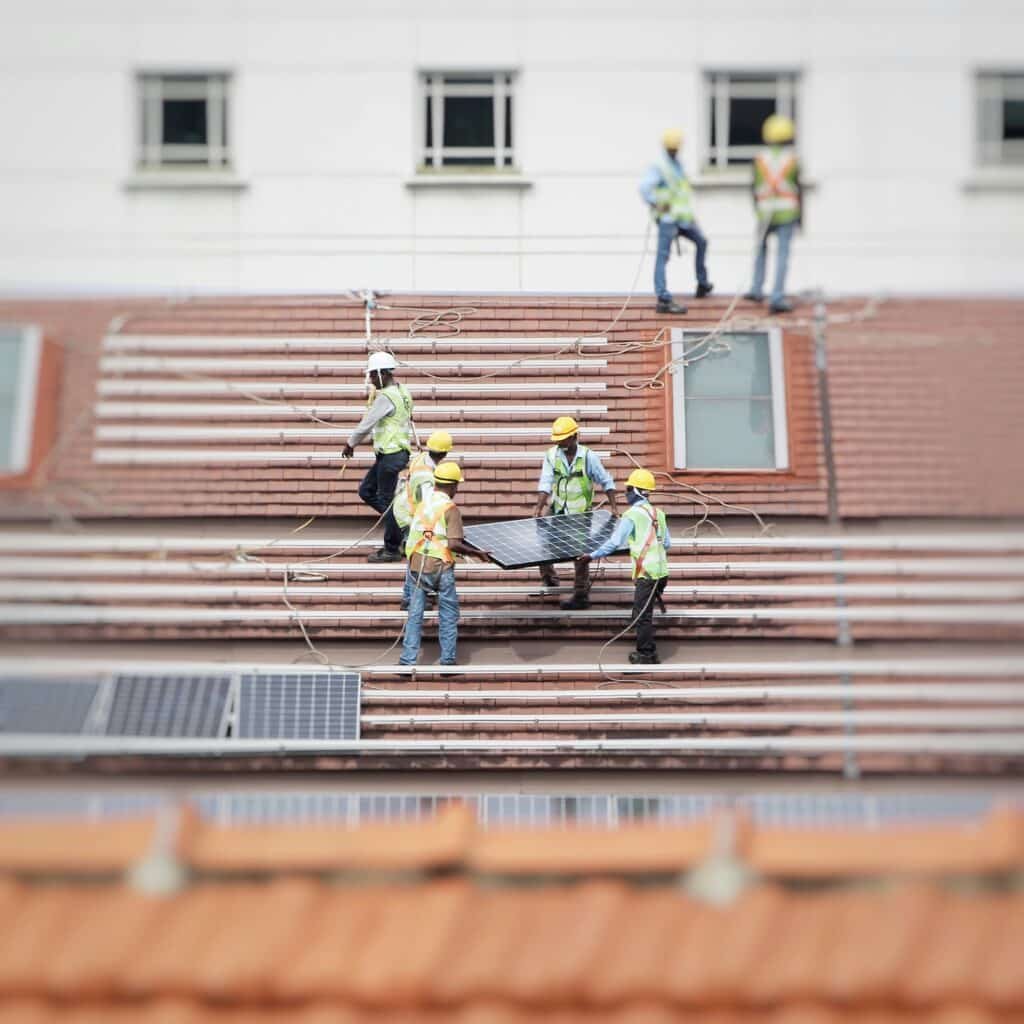
The installation will require permits, which your solar provider usually handles. They will ensure compliance with local regulations and code requirements, so you won’t have to manage this intricate process alone.
Understanding Warranty and Performance Guarantees
Most solar panel manufacturers offer product warranties, typically 25 to 30 years. Knowing these guarantees can provide peace of mind, ensuring you’ll receive support should any issues arise.
The Solar Journey Ahead
As you decide whether solar panels are right for you, remember that the journey doesn’t end once installation is complete. You’re beginning a new chapter in your homeownership experience that offers numerous environmental and financial benefits.
From understanding the costs vs. savings to finding an installer, your voyage toward solar energy is as rewarding as beneficial. Investing in solar panels creates a more energy-efficient home, contributes positively to the world, and enhances your property’s value. Isn’t it time to consider making that change?
==========
Content 10/10/G