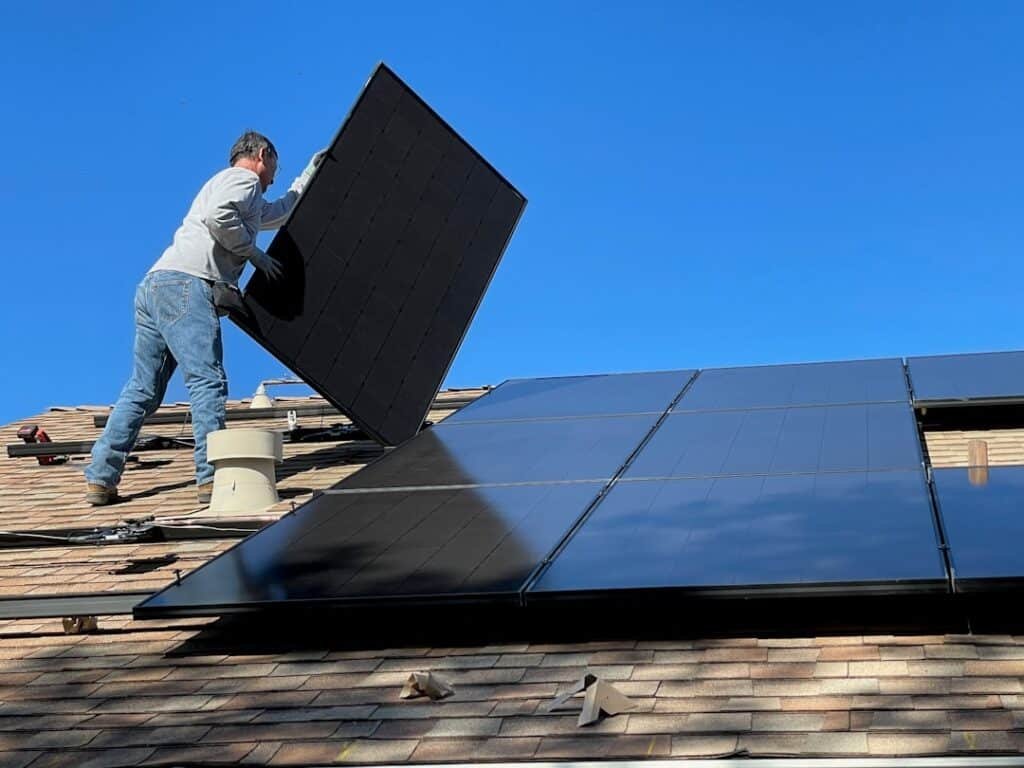
When considering solar panel installation, it’s essential to grasp the various costs involved. The initial investment can seem daunting, but understanding the components of this cost can help you make informed decisions. The price of solar panels has decreased significantly over the past decade, making them more accessible than ever.
However, the total cost of installation includes not just the panels themselves but also labor, permits, and additional equipment like inverters and mounting systems. You may find that the average cost ranges from $15,000 to $25,000 for a typical residential system, depending on your energy needs and the size of your home. Moreover, it’s crucial to consider the long-term savings that solar energy can provide.
While the upfront cost may be high, solar panels can significantly reduce or even eliminate your electricity bills over time. Additionally, many states offer incentives that can lower your overall expenditure. By understanding both the immediate costs and the potential savings, you can better evaluate whether solar energy is a worthwhile investment for your home.
Key Takeaways
- Solar panel installation costs vary based on factors such as system size, location, and equipment quality.
- Cash purchase allows homeowners to own the solar system outright and benefit from long-term savings on electricity bills.
- Solar loans offer flexible payment options and allow homeowners to own the system while paying for it over time.
- HELOCs provide a way for homeowners to borrow against the equity in their homes to finance solar panel installation.
- PACE financing allows homeowners to finance solar panel installation through a special assessment on their property taxes.
Cash Purchase
Advantages of a Cash Purchase
One of the most straightforward ways to finance your solar panel installation is through a cash purchase. If you have the financial means to pay for the system outright, this option can be highly advantageous. By paying in cash, you avoid interest payments and financing fees that can accumulate over time.
Immediate Savings and Benefits
This means that once your system is installed, you can start enjoying immediate savings on your electricity bills without any ongoing financial obligations. Additionally, a cash purchase allows you to take full advantage of federal tax credits and local incentives without any complications. You own the system outright, which means you can benefit from any increase in property value that comes with solar installation.
Owning Your Solar Panels
Furthermore, owning your solar panels means you have complete control over their maintenance and operation, ensuring that they function optimally for years to come.
Solar Loans

If a cash purchase isn’t feasible for you, solar loans present an excellent alternative. These loans are specifically designed to help homeowners finance their solar panel installations without breaking the bank. With a solar loan, you can spread the cost of your system over several years, making it more manageable within your monthly budget.
Many lenders offer competitive interest rates for solar loans, which can make this option appealing. When considering a solar loan, it’s essential to shop around for the best terms. Some loans may require a down payment, while others may not.
Additionally, look for loans that offer flexible repayment options and no prepayment penalties. By carefully evaluating your options, you can find a loan that aligns with your financial situation and allows you to enjoy the benefits of solar energy sooner rather than later.
Home Equity Line of Credit (HELOC)
Another financing option worth exploring is a Home Equity Line of Credit (HELOC). This type of loan allows you to borrow against the equity in your home, providing you with funds to cover the cost of your solar panel installation. A HELOC typically offers lower interest rates compared to personal loans or credit cards, making it an attractive option for many homeowners.
Since you’re using your home as collateral, lenders may be more willing to offer favorable terms. However, it’s important to approach a HELOC with caution. While it can provide the necessary funds for your solar project, it also puts your home at risk if you’re unable to make payments.
Before committing to this financing option, assess your financial stability and ensure that you have a solid plan in place for repayment. If managed wisely, a HELOC can be an effective way to finance your solar installation while taking advantage of potential tax benefits associated with renewable energy investments.
Property Assessed Clean Energy (PACE) Financing
Property Assessed Clean Energy (PACE) financing is another innovative option for funding your solar panel installation. This program allows homeowners to finance energy-efficient upgrades through their property taxes. Essentially, you borrow money to install solar panels and then repay that amount over time through an assessment on your property tax bill.
This method has several advantages; for one, it often comes with low-interest rates and long repayment terms. One of the most appealing aspects of PACE financing is that it is tied to the property rather than the individual homeowner. This means that if you sell your home before the loan is paid off, the new owner assumes responsibility for the remaining payments.
This feature makes PACE financing particularly attractive for those who may not plan to stay in their home long-term but still want to invest in renewable energy solutions.
Solar Lease

If you’re looking for a way to enjoy solar energy without the burden of ownership, a solar lease might be the right choice for you. With this arrangement, you essentially rent the solar panels from a third-party provider for a fixed monthly fee. This option allows you to benefit from solar energy without having to pay upfront costs for installation.
The leasing company typically handles maintenance and repairs as well, which can provide peace of mind. However, while a solar lease can reduce or eliminate your electricity bills, it’s important to understand that you won’t own the system or benefit from tax credits associated with ownership. Additionally, at the end of the lease term, you may have options to purchase the system at a reduced price or renew the lease.
Before entering into a lease agreement, carefully review the terms and conditions to ensure it aligns with your long-term energy goals.
Power Purchase Agreement (PPA)
A Power Purchase Agreement (PPA) is another financing option that allows homeowners to access solar energy without purchasing a system outright. Under this arrangement, you agree to buy electricity generated by a solar array installed on your property at a predetermined rate per kilowatt-hour. This rate is often lower than what you would pay your utility company, allowing you to save money on your energy bills while enjoying clean energy.
One of the significant advantages of a PPA is that there are typically no upfront costs involved; the solar provider covers installation and maintenance expenses. However, similar to a lease agreement, you won’t own the system or qualify for tax incentives associated with ownership. It’s essential to evaluate how long you plan to stay in your home and whether a PPA aligns with your financial goals before committing to this option.
Federal Tax Credits and Incentives
When investing in solar panel installation, it’s crucial to take advantage of federal tax credits and incentives available to homeowners. The federal government offers a tax credit known as the Investment Tax Credit (ITC), which allows you to deduct a significant percentage of your solar installation costs from your federal taxes. As of 2023, this credit stands at 30%, making it an attractive incentive for those considering solar energy.
In addition to federal incentives, various states and local governments offer their own programs designed to encourage renewable energy adoption. These may include rebates, grants, or additional tax credits that can further reduce your overall costs. By researching these opportunities and incorporating them into your financial planning, you can significantly lower the net cost of your solar panel installation.
State and Local Incentives
Beyond federal tax credits, state and local incentives play a vital role in making solar energy more affordable for homeowners like yourself. Many states have established programs that provide financial assistance or rebates for installing solar panels. These incentives vary widely depending on where you live; some states may offer substantial rebates based on system size or performance while others may provide sales tax exemptions or property tax abatements.
To maximize your savings, it’s essential to research what incentives are available in your area. Websites dedicated to renewable energy resources often provide comprehensive lists of state-specific programs and eligibility requirements. By taking advantage of these local incentives alongside federal credits, you can significantly reduce the overall cost of going solar.
Financing Options for Low-Income Households
For low-income households, accessing financing options for solar panel installation can be challenging but not impossible. Various programs are designed specifically to assist those with limited financial resources in adopting renewable energy solutions. Some non-profit organizations and government initiatives offer grants or subsidized loans aimed at helping low-income families install solar panels.
Additionally, community solar programs allow individuals who may not have suitable roofs for solar panels or who cannot afford installation costs to benefit from shared solar projects within their communities. By participating in these programs, low-income households can access clean energy without incurring significant expenses upfront.
Choosing the Right Financing Option for Your Solar Panel Installation
Selecting the right financing option for your solar panel installation requires careful consideration of your financial situation and long-term goals. Start by assessing how much you can afford upfront and whether you’re comfortable taking on debt through loans or lines of credit. If you’re looking for immediate savings without ownership responsibilities, leasing or entering into a PPA might be suitable choices.
On the other hand, if you’re interested in maximizing long-term savings and building equity in your home through ownership, exploring cash purchases or loans could be more beneficial. Additionally, don’t forget to factor in available incentives at both federal and state levels when making your decision; these can significantly impact your overall costs and savings potential. Ultimately, choosing the right financing option is about aligning it with your unique circumstances and preferences while ensuring that you’re making an informed decision that will benefit both your wallet and the environment in the long run.
If you are considering installing solar panels on your home, you may also want to explore the benefits of incorporating wind turbines into your renewable energy system. A related article on solarcompaniesinstallationnear.me discusses the advantages of combining solar panels and wind turbines to maximize energy production and efficiency. By utilizing both technologies, homeowners can further reduce their reliance on traditional energy sources and lower their utility bills.
FAQs
What are the top financing options for residential solar panel installation projects?
The top financing options for residential solar panel installation projects include solar loans, solar leases, power purchase agreements (PPAs), and cash purchases.
What is a solar loan?
A solar loan is a type of financing that allows homeowners to borrow money to pay for the upfront costs of installing solar panels. The loan is typically repaid over a period of time, and the homeowner owns the solar panels once the loan is paid off.
What is a solar lease?
A solar lease is a financing option that allows homeowners to lease solar panels from a solar company. The homeowner pays a monthly fee to use the solar panels, but does not own them. The solar company is responsible for maintenance and repairs.
What is a power purchase agreement (PPA)?
A power purchase agreement (PPA) is a financing arrangement in which a solar company installs and maintains solar panels on a homeowner’s property, and the homeowner agrees to purchase the electricity generated by the panels at a predetermined rate.
What are the benefits of cash purchases for solar panel installation projects?
Paying for solar panels with cash allows homeowners to avoid paying interest on a loan or lease, and may result in a quicker return on investment. Additionally, homeowners may be eligible for tax incentives and rebates for purchasing solar panels with cash.
What factors should homeowners consider when choosing a financing option for solar panel installation?
Homeowners should consider their budget, credit score, long-term financial goals, and the terms and conditions of each financing option when choosing a financing option for solar panel installation.