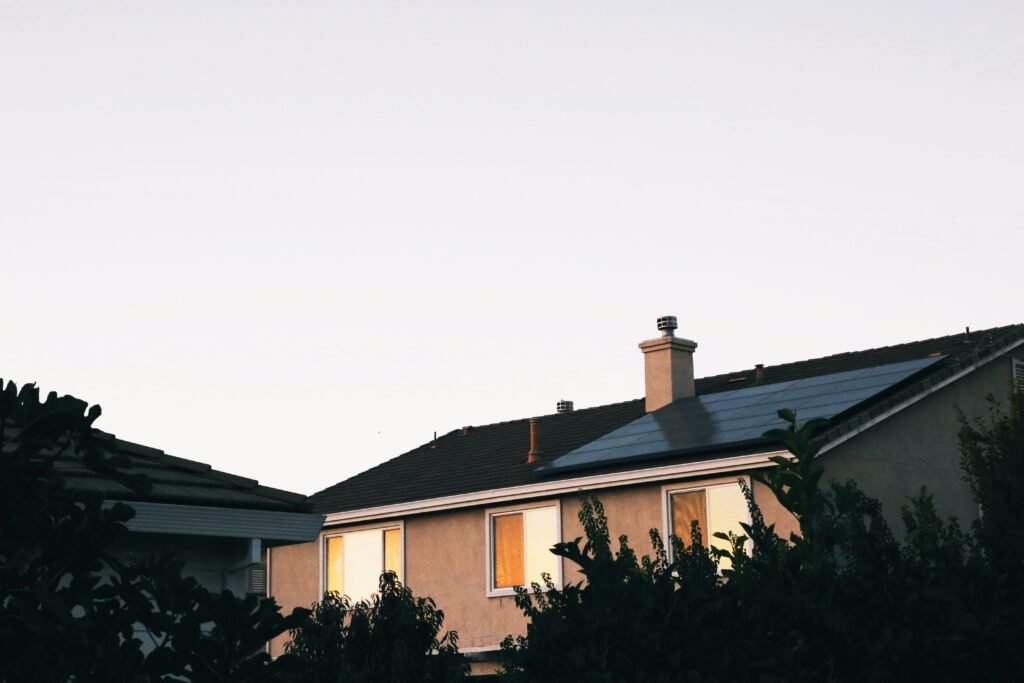
Are you considering making the switch to solar energy for your home? Harnessing the power of the sun might just be one of the most rewarding decisions you make—not only for your wallet but also for the environment. But how do you go about setting up solar panels for your home effectively? Let’s unravel that together.
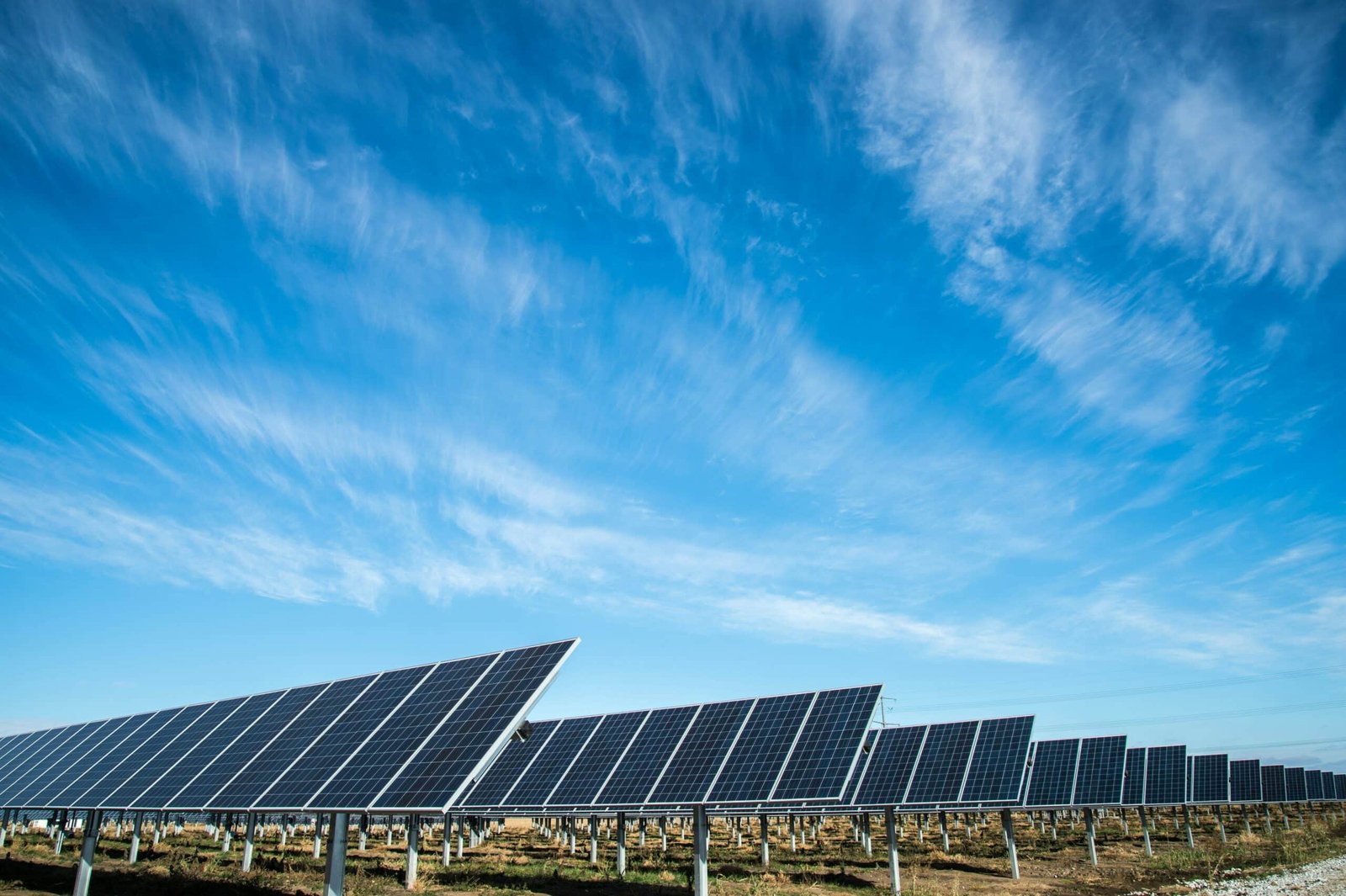
Understanding Solar Energy Basics
Before jumping into the setup process, it’s essential to grasp the basics of solar energy. At its core, solar energy harnesses sunlight and converts it into electricity.
How Solar Panels Work
Solar panels are typically made up of photovoltaic (PV) cells. When sunlight hits these cells, it generates an electric current. This process involves a few critical components:
- Photovoltaic Cells: These are the heart of your solar panel and are made of silicon.
- Inverter: Once the solar panels convert sunlight into direct current (DC), the inverter changes it into alternating current (AC), which is usable in your home.
- Mounting System: This secures the solar panels to your roof or ground.
By understanding these components, you can better appreciate how to set up and maintain your solar system effectively.
Evaluating Your Home’s Solar Potential
Not all homes are equally suited for solar energy. Several factors influence whether solar panels are a good fit for you.
Roof Orientation and Condition
The orientation of your roof plays a significant role in how efficiently you can harness solar energy. Ideally, your roof should face south (in the Northern Hemisphere) to capture the most sunlight throughout the day. Additionally, ensure your roof is in good condition; solar panels can last for 25 years or longer, so it’s best to start with a roof that doesn’t need repairs soon.
Shade Analysis
Shadows from trees, buildings, or other structures can significantly impact the efficiency of your solar panels. Spend a few sunny days observing how shade moves across your property. If certain areas are perpetually shaded, you may need to consider trimming trees, adjusting your panel placement, or even selecting alternative locations for installation.
Local Climate
Your geographic location affects solar energy generation. Areas with fewer cloudy days will generally produce more energy. You should check local solar insolation maps, which show potential solar power generation in your area.
Choosing the Right Solar Panel System
Once you’ve assessed your home’s solar potential, it’s time to select the right type of solar panel system for you. There are a few choices to consider.
Grid-Tied Systems
This is the most common solar system for residential use. A grid-tied solar system connects to the conventional electricity grid, allowing you to draw electricity from the grid when solar generation is low while selling excess power back during sunny days. It’s a flexible and often the most cost-effective solution.
Off-Grid Systems
If you live in a remote area with limited access to the grid, an off-grid system can be your best bet. This setup requires batteries for power storage, ensuring you have electricity even when the sun isn’t shining. It’s a more expensive choice due to battery costs but enables greater independence.
Hybrid Systems
A hybrid solar system combines both grid-tied and off-grid features. This allows you to save excess energy in batteries while still having the option to connect to the grid. It’s ideal for reducing your dependence on traditional energy and achieving some level of energy independence.
Calculating Your Energy Needs
To design an effective solar system, you’ll want to calculate your household energy needs. This helps you determine how many panels you need for optimal performance.
Analyzing Energy Consumption
Look at your past utility bills to identify your average monthly energy usage. You can calculate your daily energy needs by dividing the total monthly usage by 30.
Estimating Solar Panel Output
The output of solar panels varies based on their wattage. A typical residential solar panel generates between 250-400 watts. By knowing your daily energy requirement and the average sunlight hours in your area, you can estimate how many panels you’ll need.
For example:
| Daily Energy Needs (kWh) | Average Solar Panel Output (kW) | Average Sunlight Hours | Total Panels Needed |
|---|---|---|---|
| 30 | 0.3 | 5 | 20 |
In this table, 20 panels would be estimated to provide sufficient energy depending on the variables involved.
Finding the Right Solar Panel Installer
Choosing the right installer is crucial in ensuring a successful solar panel setup. Here are some tips to help you find a reliable provider.
Research Local Contractors
Start by researching local solar contractors. Look for companies with good reviews, a solid track record, and reputable affiliations.
Check Certifications
Ensure that the installer is certified by organizations such as the North American Board of Certified Energy Practitioners (NABCEP). Certification signifies that they are knowledgeable in solar installation and have met specific industry standards.
Request Multiple Quotes
Speak with at least three contractors to get quotes for the installation. This will give you a broader understanding of pricing and options available in your area.
The Installation Process
Once you’ve selected a contractor, it’s time for the installation process. Understanding what to expect can alleviate potential stress.
Site Assessment
A site assessment usually occurs prior to installation. The contractor will come to your home to measure your roof, inspect your electrical system, and evaluate any additional features that may impact installation.
Securing Permits
Your contractor will typically handle the necessary permits and paperwork required before installation. This step is crucial in ensuring that your system complies with local regulations and safety standards.
Installing the Panels
The actual installation can often be completed in one to three days, depending on the size of your system. Technicians will mount the panels, run wiring, and connect them to your inverter and electrical panel.
Final Inspection
After installation, a final inspection will usually take place. This step ensures everything adheres to relevant codes and is functioning as expected.
Connecting to the Grid or Off-Grid System
Once the installation is complete, the next step is connecting your system to the grid or configuring it for off-grid use.
Grid Connection
For grid-tied systems, your energy provider will conduct a final inspection to connect your solar system to the grid. After this, you’ll have a bi-directional meter installed that measures both your energy use and the excess energy your panels send back.
Off-Grid Setup
If you have an off-grid system, your batteries will be connected during the installation process. The technician will ensure they are charged properly and ready for use to store the energy your panels generate.
Maintenance and Care for Your Solar System
Like any other system, solar panels require periodic maintenance to maximize their efficiency.
Regular Cleaning
Dust, pollen, and debris can reduce the efficiency of your solar panels. Regularly cleaning them, about twice a year, will ensure they operate at peak performance. Use a soft brush or a hose to remove residue, but avoid harsh chemicals.
Monitoring Performance
Invest in a monitoring system that tracks your solar energy production. Many inverters have built-in monitoring features you can access through an app or website. This helps to track real-time energy production and detect any potential issues quickly.
Understanding Incentives and Tax Benefits
Switching to solar energy can be a financial decision as much as it is an environmental one. Many incentives and tax credits can help ease the burden of upfront costs.
Federal Tax Credit
In the U.S., you can take advantage of the Investment Tax Credit (ITC), which allows you to deduct a percentage of the cost of your solar energy system from your federal taxes. This can significantly lower your overall out-of-pocket expense.
State and Local Incentives
Many states and cities offer additional incentives, rebates, or tax credits for installing solar panels. Check with your local government or renewable energy offices to see what options are available in your area.
The Environmental Impact of Solar Energy
Investing in solar energy is not only a financial investment but also a commitment to environmental sustainability.
Reducing Carbon Footprint
Solar energy produces clean, renewable energy without emitting greenhouse gases. By switching to solar power, you’re significantly reducing your carbon footprint, contributing to a healthier planet.
Promoting Sustainable Practices
Using solar energy encourages sustainable practices by reducing reliance on fossil fuels. It promotes a shift towards renewable energy sources, which is crucial for battling climate change.
Conclusion: Embracing the Solar Transition
Transitioning to solar power for your home can feel overwhelming at first; however, breaking down the process makes it more manageable. From understanding the basics of solar energy to evaluating your home’s potential and selecting the right components, each step is an essential piece of the puzzle.
Choosing a qualified installer will help alleviate many concerns associated with installation, while ongoing maintenance sets the stage for long-term success. Beyond the immediate financial benefits, adopting solar energy contributes positively to your community and environment. As you consider making this significant decision, know that you are not just investing in your home—you are investing in a brighter, more sustainable future.