
When you consider investing in solar panels, one of the most critical aspects to grasp is solar panel efficiency. This term refers to the percentage of sunlight that a solar panel can convert into usable electricity. For instance, if a solar panel has an efficiency rating of 20%, it means that 20% of the sunlight hitting the panel is transformed into electrical energy, while the remaining 80% is either reflected or absorbed as heat.
Understanding this concept is essential for you as it directly influences the amount of energy your solar system can produce and, consequently, your potential savings on electricity bills. Solar panel efficiency is influenced by various factors, including the type of solar cells used, the quality of materials, and the technology employed in manufacturing. As you delve deeper into this subject, you will find that advancements in technology have led to the development of more efficient solar panels over the years.
For example, monocrystalline panels typically offer higher efficiency rates compared to polycrystalline panels. By familiarizing yourself with these distinctions, you can make informed decisions that align with your energy needs and financial goals.
Key Takeaways
- Solar panel efficiency refers to the amount of sunlight that a solar panel can convert into usable electricity.
- Factors affecting solar panel efficiency include temperature, shading, and the angle and tilt of the panels.
- Proper solar panel installation is crucial for maximizing efficiency and ensuring long-term performance.
- Choosing the right location for solar panel installation is essential for maximizing sun exposure and overall output.
- Maximizing sun exposure through proper angle, tilt, and tracking systems can significantly improve solar panel efficiency.
Factors Affecting Solar Panel Efficiency
Several factors can significantly impact the efficiency of your solar panels. One of the most prominent is temperature. While it may seem counterintuitive, higher temperatures can reduce the efficiency of solar panels.
As the temperature rises, the semiconductor materials within the panels can become less effective at converting sunlight into electricity. Therefore, if you live in a particularly hot climate, it’s crucial to consider how this might affect your solar energy production. Another critical factor is shading.
Even partial shading from trees, buildings, or other obstructions can lead to a significant drop in energy output. If you want to maximize your solar panel efficiency, it’s essential to assess your property for potential shading issues throughout the day and across different seasons. By understanding these factors, you can take proactive steps to mitigate their impact and ensure that your solar panels operate at their best.
The Importance of Proper Solar Panel Installation
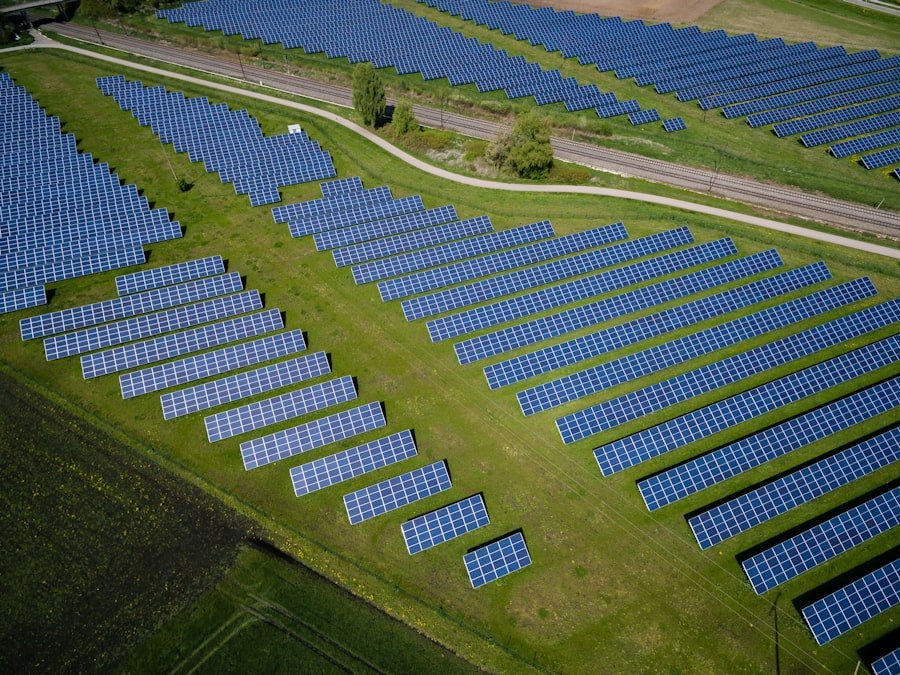
Proper installation of solar panels is paramount for achieving optimal efficiency. If panels are not installed correctly, they may not capture sunlight effectively, leading to reduced energy production. For instance, if the panels are not securely mounted or are misaligned, they may not receive direct sunlight for the maximum amount of time each day.
This misalignment can result in a significant loss of potential energy generation. Moreover, professional installation ensures that all components of your solar system are correctly integrated. This includes wiring, inverters, and battery systems if applicable.
When you choose experienced installers, you can rest assured that they will adhere to best practices and local regulations, which can further enhance the performance and longevity of your solar panels.
Choosing the Right Location for Solar Panel Installation
Selecting the right location for your solar panel installation is crucial for maximizing efficiency. Ideally, you want to place your panels in an area that receives ample sunlight throughout the day without any obstructions. This often means positioning them on rooftops or open fields where they can bask in direct sunlight for as many hours as possible.
Additionally, consider the orientation of your solar panels. In many regions, south-facing installations tend to yield the highest energy output because they capture sunlight for longer periods during the day. However, depending on your geographical location and specific circumstances, east or west-facing panels may also be viable options.
By carefully evaluating your property and its surroundings, you can make strategic decisions that will enhance your solar energy production.
Maximizing Sun Exposure for Optimal Output
To achieve optimal output from your solar panels, maximizing sun exposure is essential. This involves not only choosing the right location but also ensuring that your panels are free from obstructions that could block sunlight. Regularly trimming trees or removing debris that may cast shadows on your panels can significantly improve their performance.
You might also consider using reflective surfaces around your installation area to enhance sunlight exposure. For example, light-colored roofs or walls can reflect additional sunlight onto your panels, increasing their overall efficiency. By taking these steps to maximize sun exposure, you can ensure that your solar energy system operates at its full potential.
The Impact of Angle and Tilt on Solar Panel Efficiency
Latitude and Optimal Angle
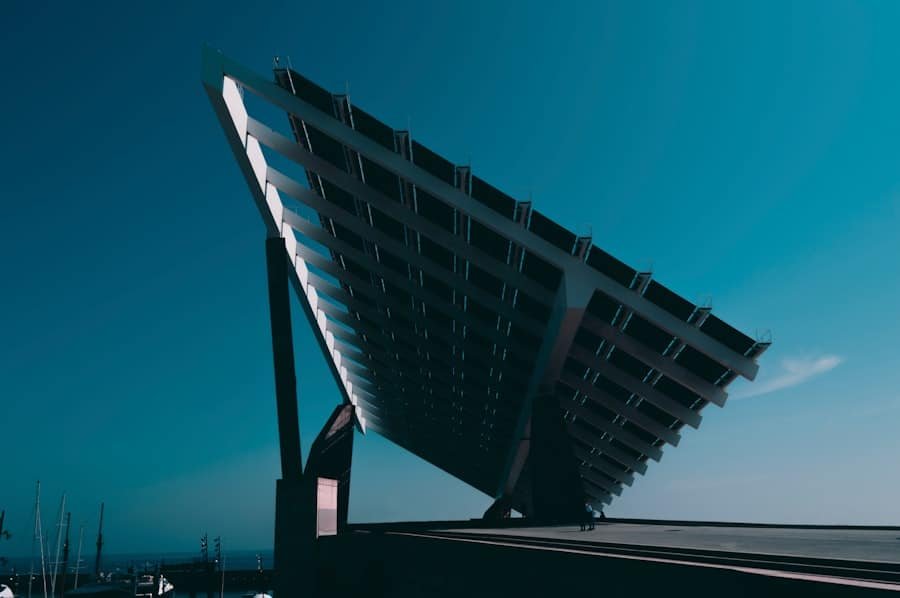
Generally speaking, a tilt angle that matches your latitude will yield the best results throughout the year.
Seasonal Adjustments for Maximum Energy Production
However, adjusting this angle seasonally can further enhance energy production. For instance, during winter months when the sun is lower in the sky, tilting your panels at a steeper angle can help capture more sunlight. Conversely, during summer months when the sun is higher, a shallower angle may be more effective.
Maximizing Energy Output Throughout the Year
By understanding how angle and tilt affect solar panel efficiency, you can make adjustments that lead to increased energy output throughout the year.
The Role of Maintenance in Solar Panel Efficiency
Regular maintenance is vital for ensuring that your solar panels operate efficiently over time. Dust, dirt, and debris can accumulate on the surface of your panels, obstructing sunlight and reducing their effectiveness. Therefore, it’s essential to clean your panels periodically to maintain optimal performance.
In addition to cleaning, you should also inspect your solar system for any signs of wear or damage. This includes checking wiring connections and ensuring that inverters are functioning correctly. By staying proactive with maintenance tasks, you can identify potential issues before they escalate and ensure that your solar panels continue to operate at peak efficiency.
Using Tracking Systems to Improve Solar Panel Efficiency
One innovative way to enhance solar panel efficiency is by incorporating tracking systems into your installation. These systems allow solar panels to follow the sun’s path throughout the day, maximizing their exposure to sunlight. By adjusting their position based on the sun’s movement, tracking systems can significantly increase energy production compared to fixed installations.
There are two main types of tracking systems: single-axis and dual-axis trackers. Single-axis trackers move along one axis (either horizontally or vertically), while dual-axis trackers adjust along both axes for maximum sun exposure. While these systems may require a higher initial investment, the long-term benefits in energy production can make them a worthwhile consideration for those looking to optimize their solar energy systems.
The Benefits of Using High-Efficiency Solar Panels
Investing in high-efficiency solar panels can yield numerous benefits for you as a homeowner or business owner. These advanced panels are designed to convert a higher percentage of sunlight into electricity compared to standard models. This means that even with limited roof space or less-than-ideal conditions, high-efficiency panels can still provide substantial energy output.
Moreover, high-efficiency solar panels often come with longer warranties and better durability than their lower-efficiency counterparts. This added reliability can give you peace of mind knowing that your investment is protected over time. By choosing high-efficiency options, you not only maximize energy production but also enhance the overall value of your property.
Incorporating Energy Storage for Increased Efficiency
Incorporating energy storage solutions into your solar panel system can significantly enhance its overall efficiency and effectiveness. Energy storage systems allow you to store excess electricity generated during peak sunlight hours for use during times when production is low or demand is high. This capability ensures that you have a reliable power source available whenever you need it.
By utilizing energy storage solutions such as batteries, you can reduce reliance on grid electricity and minimize energy costs even further. Additionally, having stored energy available during peak demand times can help alleviate strain on the grid and contribute to a more sustainable energy ecosystem overall.
Monitoring and Optimizing Solar Panel Efficiency over Time
Finally, monitoring and optimizing your solar panel efficiency over time is crucial for maximizing your investment’s return. Many modern solar systems come equipped with monitoring technology that allows you to track energy production in real-time through mobile apps or web interfaces. By keeping an eye on performance metrics, you can quickly identify any issues that may arise and address them promptly.
Regularly reviewing performance data also enables you to make informed decisions about potential upgrades or adjustments needed to improve efficiency further. Whether it’s adjusting angles seasonally or investing in new technology as it becomes available, staying proactive about monitoring will ensure that your solar panel system continues to operate at its best for years to come. In conclusion, understanding and optimizing solar panel efficiency involves a multifaceted approach that encompasses various factors from installation to maintenance and monitoring.
By taking these elements into account and making informed decisions tailored to your specific circumstances, you can maximize the benefits of your solar energy investment while contributing positively to environmental sustainability.
If you are interested in learning more about solar panel installation and wiring, check out this informative article on solar panel installation and wiring. This article provides valuable tips and insights on how to properly install and wire solar panels for optimal output. It is a great resource for anyone looking to maximize the efficiency of their solar energy system.
FAQs
What factors affect solar panel efficiency?
Factors that affect solar panel efficiency include the angle and orientation of the panels, the amount of sunlight they receive, the temperature, and the quality of the panels themselves.
How does the angle and orientation of solar panels affect efficiency?
The angle and orientation of solar panels affect efficiency by determining how much sunlight the panels receive. Panels should be angled to maximize sunlight exposure throughout the day, and oriented to face the direction that receives the most sunlight.
How does temperature affect solar panel efficiency?
High temperatures can decrease solar panel efficiency, as the heat can cause the panels to produce less electricity. It’s important to consider temperature when installing solar panels to ensure optimal output.
What are some installation tips for optimal solar panel output?
Some installation tips for optimal solar panel output include choosing the right location with maximum sunlight exposure, ensuring the panels are angled and oriented correctly, and keeping the panels clean and free from obstructions.
How can the quality of solar panels affect efficiency?
The quality of solar panels can affect efficiency by impacting their ability to convert sunlight into electricity. Higher quality panels may have better efficiency and durability, leading to better long-term performance.