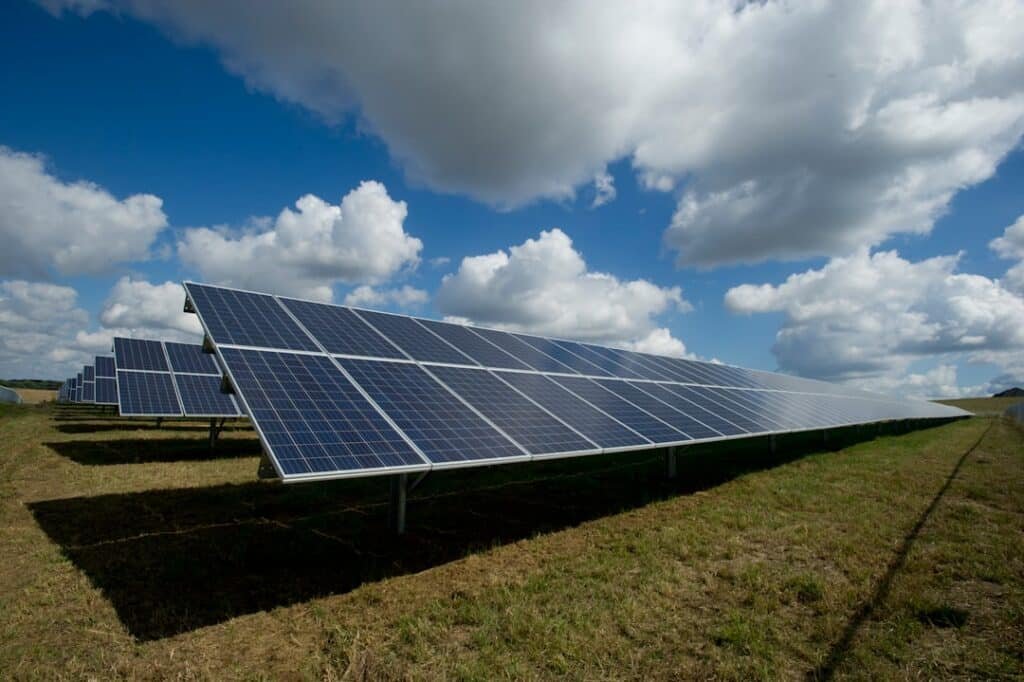
As you delve into the world of solar energy, one of the most critical factors to consider is the tilt angle of your solar panels. The tilt angle refers to the angle at which your solar panels are mounted relative to the ground. This seemingly simple aspect can significantly influence the amount of sunlight your panels capture, ultimately affecting their overall efficiency and energy output.
Understanding the nuances of tilt angles can empower you to make informed decisions about your solar energy system, ensuring that you maximize its potential. In recent years, the adoption of solar energy has surged, driven by a growing awareness of environmental issues and the need for sustainable energy solutions. As you explore this renewable energy source, you may find yourself asking how to optimize your solar panel setup.
One of the most effective ways to enhance performance is by adjusting the tilt angle of your panels. By aligning them correctly with the sun’s path, you can harness more sunlight throughout the year, leading to increased energy production and cost savings.
Key Takeaways
- Solar panel tilt angle refers to the angle at which solar panels are installed to maximize energy production.
- Tilt angle affects the performance of solar panels by influencing the amount of sunlight they receive and the angle at which it strikes the panels.
- The importance of tilt angle lies in its ability to optimize solar panel efficiency and energy production.
- Tilt angle significantly impacts solar panel efficiency, with the ideal angle varying based on geographical location and seasonal changes.
- Adjusting tilt angle according to seasonal changes is crucial for maximizing solar panel performance and energy production.
Understanding Solar Panel Performance
To appreciate the significance of tilt angles, it’s essential to grasp how solar panels convert sunlight into usable energy. Solar panels consist of photovoltaic cells that absorb sunlight and convert it into electricity. The efficiency of this conversion process is influenced by several factors, including the intensity of sunlight, temperature, and, notably, the angle at which sunlight strikes the panels.
When sunlight hits the panels directly, they can generate more electricity compared to when it strikes at an oblique angle. As you consider your solar panel system, it’s important to recognize that performance is not static; it varies throughout the day and across different seasons. The sun’s position changes as it moves across the sky, which means that the angle of incidence—the angle at which sunlight hits the panels—also changes.
By understanding these dynamics, you can better appreciate how adjusting the tilt angle can lead to improved performance and efficiency.
The Importance of Tilt Angle
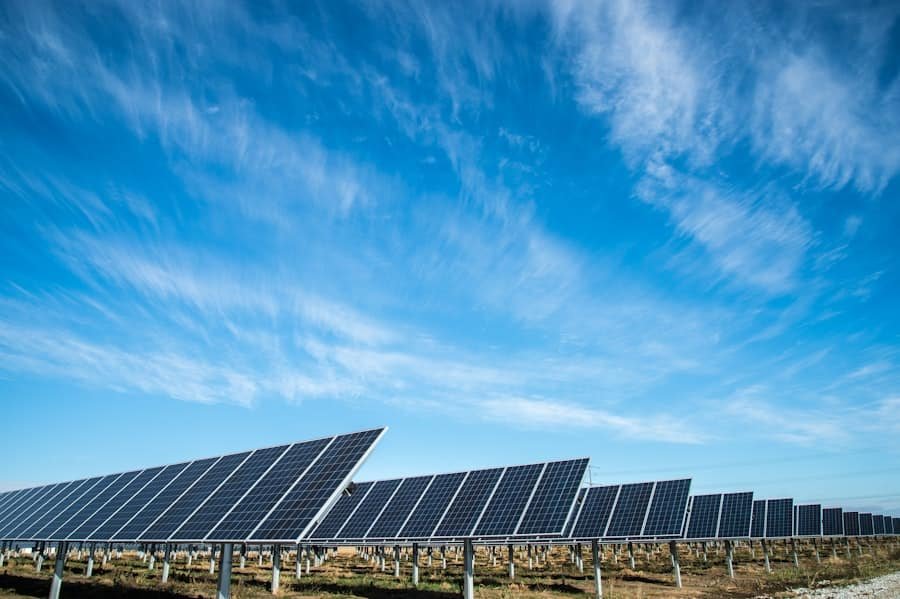
The tilt angle is crucial because it directly affects how much sunlight your solar panels receive. When panels are installed flat or at an incorrect angle, they may not capture optimal sunlight, leading to reduced energy output. Conversely, a well-calibrated tilt angle can significantly enhance energy production by ensuring that sunlight strikes the panels perpendicularly for as much of the day as possible.
Moreover, the ideal tilt angle can vary based on geographic location and seasonal changes. For instance, areas closer to the equator may benefit from a different tilt than those situated at higher latitudes. By understanding these variations and adjusting your panels accordingly, you can ensure that your solar energy system operates at peak efficiency throughout the year.
Tilt Angle and Solar Panel Efficiency
Efficiency is a key term in the solar industry, as it refers to how effectively solar panels convert sunlight into electricity. The tilt angle plays a pivotal role in determining this efficiency. When panels are positioned at an optimal angle, they can capture more direct sunlight, leading to higher energy output.
Studies have shown that adjusting the tilt angle can increase efficiency by as much as 20% or more compared to fixed installations. To maximize efficiency, you should consider both fixed and adjustable systems. Fixed systems are easier to install and maintain but may not always provide optimal performance throughout the year.
On the other hand, adjustable systems allow you to change the tilt angle based on seasonal variations, ensuring that your panels are always positioned for maximum sunlight exposure. This flexibility can lead to significant long-term savings on your energy bills.
Tilt Angle and Seasonal Changes
As seasons change, so does the sun’s path across the sky. In winter, for example, the sun is lower in the sky compared to summer months when it is higher. This variation means that a fixed tilt angle may not be ideal year-round.
By adjusting your solar panel’s tilt angle with the changing seasons, you can optimize their performance and ensure that they capture as much sunlight as possible. In winter months, a steeper tilt angle is often recommended to maximize exposure to low-angle sunlight. Conversely, during summer months when the sun is higher in the sky, a shallower tilt may be more effective.
By being proactive about adjusting your panels according to seasonal changes, you can significantly enhance their energy production and overall efficiency.
Tilt Angle and Winter Performance
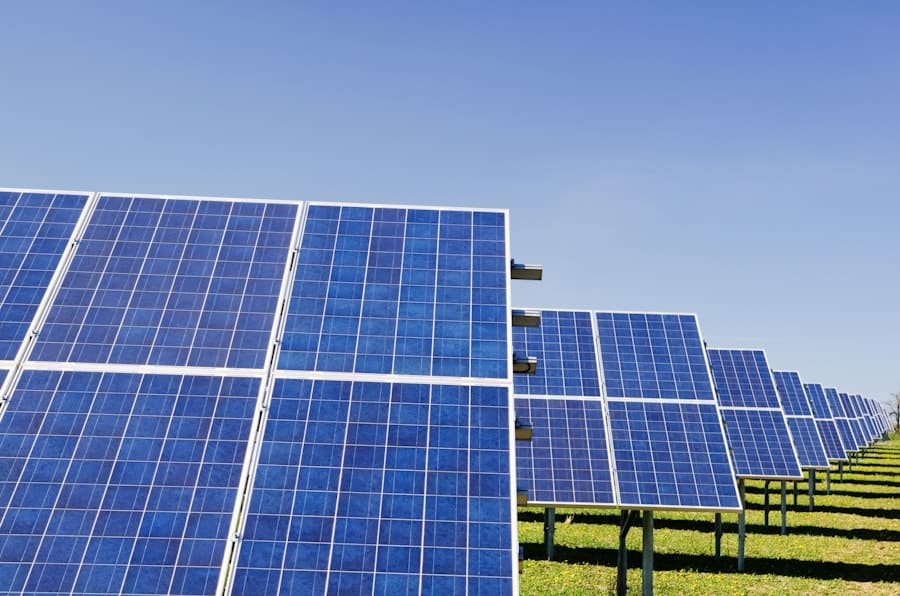
Winter presents unique challenges for solar panel performance due to shorter days and lower sun angles. However, with the right tilt angle adjustments, you can still achieve impressive results during this season. A steeper tilt angle allows your panels to capture more sunlight when it is at its lowest point in the sky.
This adjustment can be particularly beneficial in regions that experience heavy snowfall; a steeper angle helps snow slide off more easily, preventing accumulation that could block sunlight. Additionally, winter days may be cloudier and shorter, but even on overcast days, solar panels can still generate electricity. By optimizing your tilt angle for winter conditions, you can ensure that your system remains productive even when sunlight is limited.
This proactive approach not only enhances energy output but also contributes to a more reliable energy source during colder months.
Tilt Angle and Summer Performance
As summer arrives and days grow longer with more intense sunlight, adjusting your solar panel’s tilt angle becomes equally important. During this season, when the sun is high in the sky, a shallower tilt angle allows for optimal sunlight capture throughout the day. This adjustment ensures that your panels are aligned with the sun’s trajectory, maximizing energy production during peak hours.
Moreover, summer heat can impact solar panel efficiency; higher temperatures may reduce their ability to convert sunlight into electricity effectively. By maintaining an appropriate tilt angle during summer months, you can mitigate some of these effects and ensure that your system continues to perform well despite rising temperatures. This attention to detail can lead to significant gains in energy output during a season when demand for electricity often peaks.
Tilt Angle and Spring Performance
Spring is a transitional season characterized by longer days and increasing sunlight intensity as winter fades away. During this time, adjusting your solar panel’s tilt angle can help you take full advantage of the changing conditions. As daylight hours increase and temperatures rise, a moderate tilt angle may be ideal for capturing optimal sunlight while also allowing for efficient heat dissipation.
In springtime, many homeowners begin using more electricity as they prepare for warmer weather and increased outdoor activities. By ensuring that your solar panels are positioned correctly during this season, you can maximize energy production just when you need it most. This proactive approach not only supports your energy needs but also contributes to a more sustainable lifestyle as you harness nature’s resources effectively.
Tilt Angle and Fall Performance
As fall approaches and daylight hours begin to wane once again, adjusting your solar panel’s tilt angle becomes essential for maintaining optimal performance. During this season, when leaves may fall and weather conditions change, a slight adjustment in tilt can help ensure that your panels continue to receive adequate sunlight exposure. In many regions, fall brings cooler temperatures that can enhance solar panel efficiency; however, lower sun angles mean that a steeper tilt may be necessary to capture maximum sunlight effectively.
By being mindful of these seasonal shifts and adjusting your panels accordingly, you can maintain consistent energy production even as nature transitions into winter.
Adjusting Tilt Angle for Maximum Efficiency
To achieve maximum efficiency from your solar panel system, consider implementing an adjustable mounting system that allows for easy tilt angle adjustments throughout the year. While fixed systems are convenient, they often miss out on potential gains from seasonal adjustments. An adjustable system may require a bit more effort initially but pays off in increased energy production over time.
When planning adjustments, take into account local weather patterns and geographical location. Researching optimal angles for each season based on your specific area will provide valuable insights into how best to position your panels for maximum exposure. Additionally, consider using tools such as solar pathfinders or apps designed to help determine ideal angles based on time of year and location.
Optimizing Solar Panel Performance through Tilt Angle
In conclusion, understanding and optimizing the tilt angle of your solar panels is crucial for maximizing their performance throughout the year. By recognizing how seasonal changes affect sunlight exposure and adjusting accordingly, you can significantly enhance energy production and efficiency. Whether you’re navigating winter’s low sun angles or summer’s intense heat, being proactive about tilt adjustments will ensure that your solar energy system operates at its best.
As you continue on your journey toward sustainable energy solutions, remember that every detail matters—especially when it comes to harnessing nature’s power through solar technology. By taking control of your solar panel setup and optimizing its tilt angle based on seasonal variations, you’re not only investing in cost savings but also contributing positively to environmental sustainability for future generations.
If you are interested in learning more about ground-mounted solar panel systems, check out this informative article here. Ground-mounted systems can be a great option for maximizing solar energy production, especially when considering the impact of tilt angle on solar panel performance through seasons. Additionally, understanding the business plan for a solar energy company is crucial for success in the industry. You can find more information on this topic here. Lastly, if you are curious about the comparison between solar energy and wind energy, this article here provides a detailed analysis of the two alternative energy sources.
FAQs
What is the impact of tilt angle on solar panel performance through seasons?
The tilt angle of a solar panel affects its performance by influencing the amount of sunlight it receives throughout the year. The optimal tilt angle varies depending on the location and can maximize energy production.
How does the tilt angle affect solar panel performance in different seasons?
In the summer, a lower tilt angle can capture more sunlight due to the sun’s higher position in the sky. In the winter, a steeper tilt angle is more effective at capturing sunlight because the sun is lower in the sky.
What is the optimal tilt angle for solar panels in different locations?
The optimal tilt angle for solar panels varies by location. For example, in the northern hemisphere, a tilt angle close to the latitude of the location is often recommended for year-round performance.
How does the tilt angle impact the overall energy production of solar panels?
By adjusting the tilt angle of solar panels, it is possible to optimize energy production throughout the year. This can result in increased overall energy output and improved system efficiency.
What are the factors to consider when determining the tilt angle for solar panels?
Factors to consider when determining the tilt angle for solar panels include the location’s latitude, the desired energy production throughout the year, and any potential obstructions that may affect sunlight exposure.