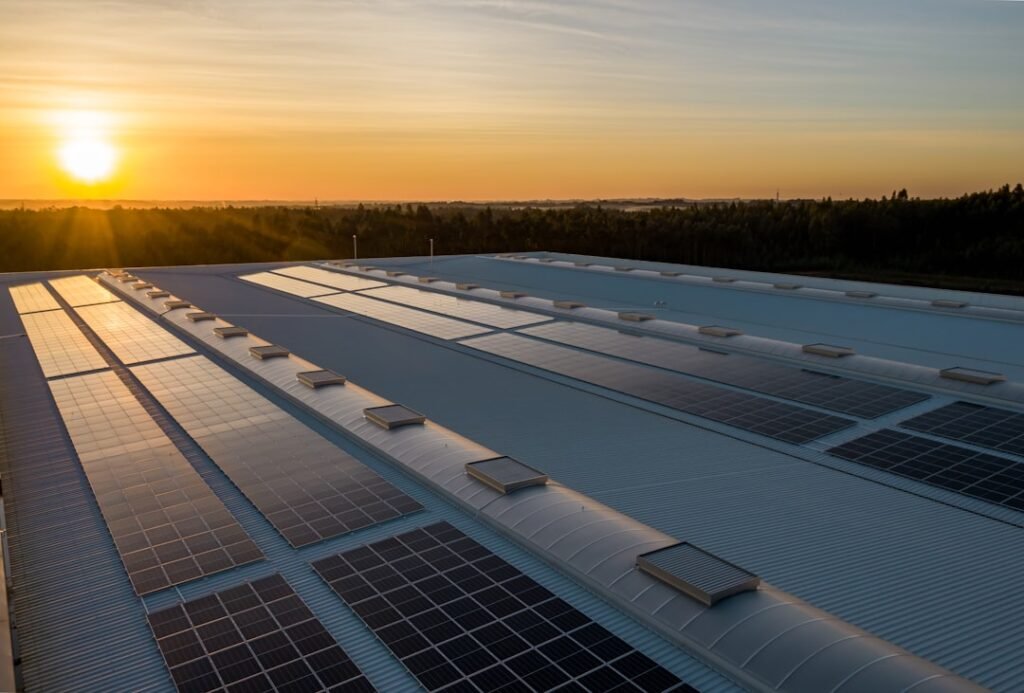
When it comes to harnessing solar energy, the orientation of your solar panels plays a pivotal role in determining the efficiency and effectiveness of energy production. You may not realize it, but the angle and direction in which your panels are installed can significantly influence the amount of sunlight they capture throughout the day. This is crucial because solar energy systems are designed to convert sunlight into electricity, and maximizing exposure to sunlight is essential for optimizing energy output.
Understanding the importance of panel orientation can help you make informed decisions that enhance the performance of your solar energy system. Moreover, the significance of panel orientation extends beyond mere energy production; it also impacts the overall return on investment (ROI) for your solar energy system. By ensuring that your panels are oriented correctly, you can maximize energy generation, which translates to lower electricity bills and a quicker payback period.
In a world increasingly focused on sustainability and renewable energy, optimizing your solar panel orientation is not just a technical consideration; it is a strategic move that aligns with broader environmental goals.
Key Takeaways
- Panel orientation plays a crucial role in maximizing solar energy harvest
- Understanding the effects of panel orientation on solar energy production is essential for optimizing energy harvest
- Tilt and azimuth are key factors in maximizing solar energy harvest
- Panel orientation has a significant impact on the efficiency of solar energy systems
- Overcoming challenges in panel orientation is crucial for maximizing solar energy harvest
Understanding the Effects of Panel Orientation on Solar Energy Production
To fully grasp how panel orientation affects solar energy production, you need to consider the sun’s path across the sky. The sun rises in the east and sets in the west, reaching its highest point at solar noon. Depending on your geographical location, the angle at which sunlight strikes your panels can vary significantly throughout the year.
If your panels are not oriented to capture this sunlight effectively, you may be missing out on substantial energy production. For instance, if you live in the Northern Hemisphere, south-facing panels generally receive the most sunlight throughout the day. Conversely, in the Southern Hemisphere, north-facing panels are ideal.
However, it’s not just about direction; the tilt of your panels also plays a crucial role. A panel that is perfectly aligned with the sun’s rays will generate more electricity than one that is not. Understanding these dynamics allows you to make adjustments that can lead to significant improvements in energy output.
Optimizing Solar Panel Orientation for Maximum Energy Harvest
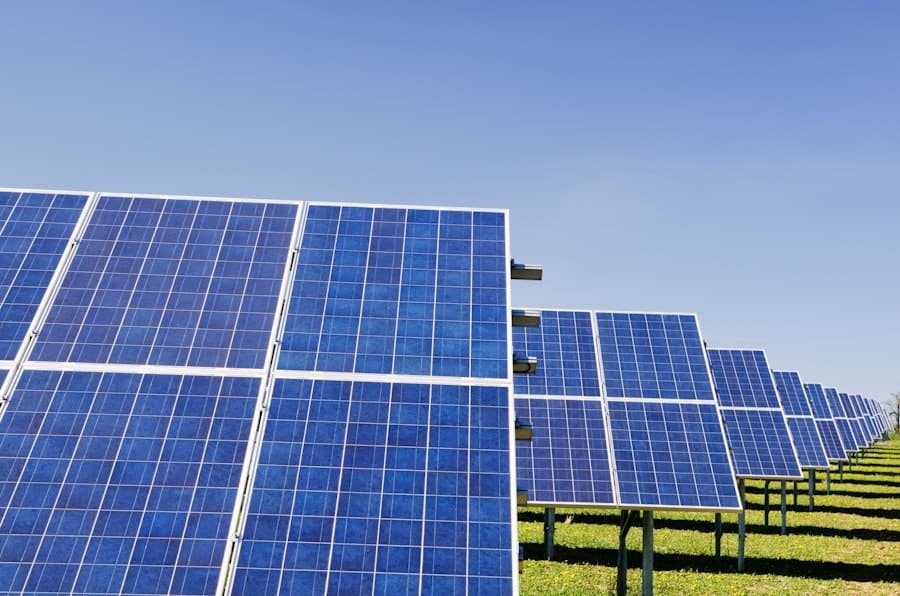
Optimizing solar panel orientation involves a careful analysis of various factors, including geographical location, seasonal changes, and local weather patterns. You should start by determining the optimal azimuth angle for your panels based on your location. This angle refers to the compass direction that your panels face.
For most locations in the Northern Hemisphere, a south-facing orientation is ideal, while north-facing is preferable in the Southern Hemisphere. In addition to azimuth, tilt angle is another critical factor to consider. The tilt angle refers to how steeply your panels are angled from horizontal.
A general rule of thumb is to set your tilt angle equal to your latitude for year-round efficiency. However, you may also want to adjust this angle seasonally to capture more sunlight during specific times of the year. For example, a steeper tilt may be beneficial in winter months when the sun is lower in the sky, while a shallower angle may be more effective in summer when the sun is higher.
The Impact of Panel Orientation on Solar Energy Production in Different Seasons
Seasonal variations have a profound impact on solar energy production, and understanding these changes can help you optimize your panel orientation throughout the year. During summer months, when days are longer and the sun is higher in the sky, you may find that a lower tilt angle allows for maximum sunlight exposure. Conversely, in winter months when days are shorter and the sun’s path is lower, adjusting your panels to a steeper angle can help capture more sunlight.
Additionally, cloud cover and weather conditions can vary significantly between seasons, affecting how much sunlight reaches your panels. For instance, if you live in an area prone to winter storms or heavy cloud cover, it may be beneficial to adjust your panel orientation to account for these conditions. By being proactive and adjusting your panels according to seasonal changes, you can ensure that you are maximizing energy production year-round.
Factors to Consider When Choosing the Best Panel Orientation for Solar Energy Harvest
When selecting the best panel orientation for solar energy harvest, several factors come into play beyond just geographical location and seasonal changes. One important consideration is shading from nearby trees, buildings, or other structures. Even partial shading can significantly reduce energy output, so it’s essential to assess potential obstructions before installation.
You may need to adjust your panel orientation or even consider relocating them to ensure they receive unobstructed sunlight. Another factor to consider is local regulations and incentives related to solar energy systems. Some regions may have specific guidelines regarding panel installation that could influence your orientation choices.
Additionally, understanding available tax credits or rebates can help you make more informed decisions about your solar investment. By taking these factors into account, you can choose an orientation that not only maximizes energy production but also aligns with local policies and financial incentives.
The Role of Tilt and Azimuth in Maximizing Solar Energy Harvest
Understanding Azimuth and Tilt
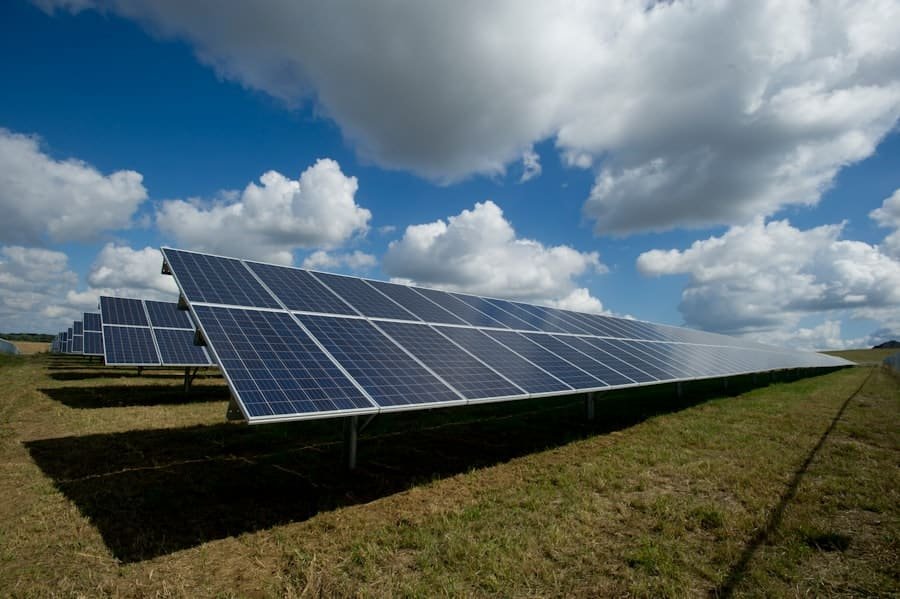
Azimuth and tilt are two critical components that work together to optimize solar energy harvest. Azimuth refers to the horizontal angle at which your panels face, while tilt refers to their vertical angle from horizontal. Both angles must be carefully considered to ensure that your panels capture as much sunlight as possible throughout the day and across different seasons.
Maximizing Energy Production
For example, if you live in a region with a high latitude, adjusting both tilt and azimuth can lead to significant improvements in energy production. A south-facing azimuth combined with an optimal tilt angle can help maximize exposure during peak sunlight hours.
Dynamic Adjustments for Enhanced Efficiency
Additionally, advancements in solar technology have led to adjustable mounting systems that allow for dynamic changes in tilt and azimuth based on seasonal variations. This flexibility can further enhance energy harvest and improve overall system efficiency.
How Panel Orientation Affects the Efficiency of Solar Energy Systems
The efficiency of solar energy systems is directly influenced by panel orientation. When panels are optimally oriented towards the sun’s path, they can convert a higher percentage of sunlight into usable electricity. Conversely, poorly oriented panels may experience reduced efficiency due to suboptimal sunlight exposure.
This inefficiency not only affects daily energy production but can also impact long-term performance and system longevity. Moreover, understanding how orientation affects efficiency can help you make informed decisions about system upgrades or adjustments over time. If you notice a decline in energy output or if new shading issues arise due to nearby growth or construction, reevaluating your panel orientation may be necessary.
By staying proactive about orientation adjustments, you can maintain high efficiency levels and ensure that your solar energy system continues to perform optimally.
Case Studies: The Impact of Panel Orientation on Solar Energy Harvest in Different Locations
Examining case studies from various locations can provide valuable insights into how panel orientation impacts solar energy harvest. For instance, a study conducted in California demonstrated that homes with south-facing panels produced up to 30% more energy compared to those with east or west orientations. This finding underscores the importance of proper orientation in maximizing energy output.
In contrast, a case study from a region with frequent cloud cover revealed that homeowners who adjusted their panel tilt seasonally experienced a notable increase in energy production during winter months when sunlight was scarce. These examples illustrate that while general guidelines exist for optimal panel orientation, local conditions and individual circumstances play a significant role in determining the best approach for maximizing solar energy harvest.
The Influence of Panel Orientation on Return on Investment for Solar Energy Systems
The return on investment (ROI) for solar energy systems is heavily influenced by panel orientation. When panels are optimally oriented to capture maximum sunlight, homeowners can expect higher energy production levels, leading to reduced electricity bills and faster payback periods. Conversely, poorly oriented panels may result in lower energy output and extended payback times.
Additionally, understanding how orientation affects ROI can help you make informed decisions about system upgrades or adjustments over time. If you find that your current orientation is not yielding satisfactory results, investing in adjustable mounting systems or repositioning your panels could significantly enhance your ROI over time. By prioritizing optimal panel orientation from the outset, you set yourself up for long-term financial benefits.
Overcoming Challenges in Panel Orientation to Maximize Solar Energy Harvest
While optimizing panel orientation is crucial for maximizing solar energy harvest, various challenges may arise during installation or operation. One common issue is shading from nearby trees or buildings that can obstruct sunlight and reduce energy output. To overcome this challenge, you may need to consider relocating your panels or trimming back vegetation that casts shadows on them.
Another challenge could be local regulations or restrictions regarding panel installation angles or heights. Navigating these regulations may require collaboration with local authorities or seeking professional guidance from solar installation experts who understand regional requirements. By proactively addressing these challenges and seeking solutions tailored to your specific situation, you can ensure that your solar energy system operates at peak efficiency.
The Future of Panel Orientation in Solar Energy Harvest: Innovations and Developments
As technology continues to advance, innovations related to panel orientation are emerging that promise even greater efficiency and effectiveness in solar energy harvest. One exciting development is the rise of smart solar tracking systems that automatically adjust panel angles throughout the day based on real-time sunlight data. These systems can significantly enhance energy production by ensuring that panels remain optimally oriented at all times.
Additionally, ongoing research into materials and designs may lead to more flexible and adaptable solar panels that can easily adjust their orientation without complex mechanical systems. As these innovations become more widely available, they will likely revolutionize how we approach solar panel installation and optimization. By staying informed about these developments and considering their potential applications for your own solar energy system, you can position yourself at the forefront of sustainable energy solutions.
In conclusion, understanding and optimizing panel orientation is essential for maximizing solar energy harvest. By considering factors such as geographical location, seasonal changes, shading issues, and technological advancements, you can make informed decisions that enhance both energy production and return on investment for your solar energy system. As innovations continue to emerge in this field, staying proactive about panel orientation will ensure that you remain at the cutting edge of renewable energy solutions.
If you are interested in learning more about the solar panel installation process, you may want to check out this outline of content provided by Solar Companies Installation Near Me. This article breaks down the steps involved in installing solar panels on your property, giving you a better understanding of what to expect. It’s a great resource for anyone considering making the switch to solar energy.
FAQs
What is panel orientation in solar energy systems?
Panel orientation refers to the direction in which solar panels are installed to receive sunlight. The two main orientations are facing south for the northern hemisphere and facing north for the southern hemisphere, as these directions receive the most sunlight throughout the day.
How does panel orientation impact solar energy harvest?
The orientation of solar panels directly affects the amount of sunlight they receive, which in turn impacts the amount of energy they can generate. Panels that are properly oriented can maximize energy harvest, while panels that are not optimally oriented may produce less energy.
What are the ideal panel orientations for maximizing solar energy harvest year-round?
In the northern hemisphere, the ideal panel orientation is facing true south, while in the southern hemisphere, the ideal orientation is facing true north. This allows the panels to receive the most sunlight throughout the day and maximize energy production.
Are there other factors that impact solar energy harvest besides panel orientation?
Yes, other factors such as tilt angle, shading, and weather conditions can also impact solar energy harvest. It’s important to consider all of these factors when designing and installing a solar energy system to maximize energy production.
Can panel orientation be adjusted for seasonal changes?
Yes, panel orientation can be adjusted for seasonal changes to optimize energy harvest throughout the year. This may involve changing the tilt angle of the panels or using tracking systems to follow the sun’s path.