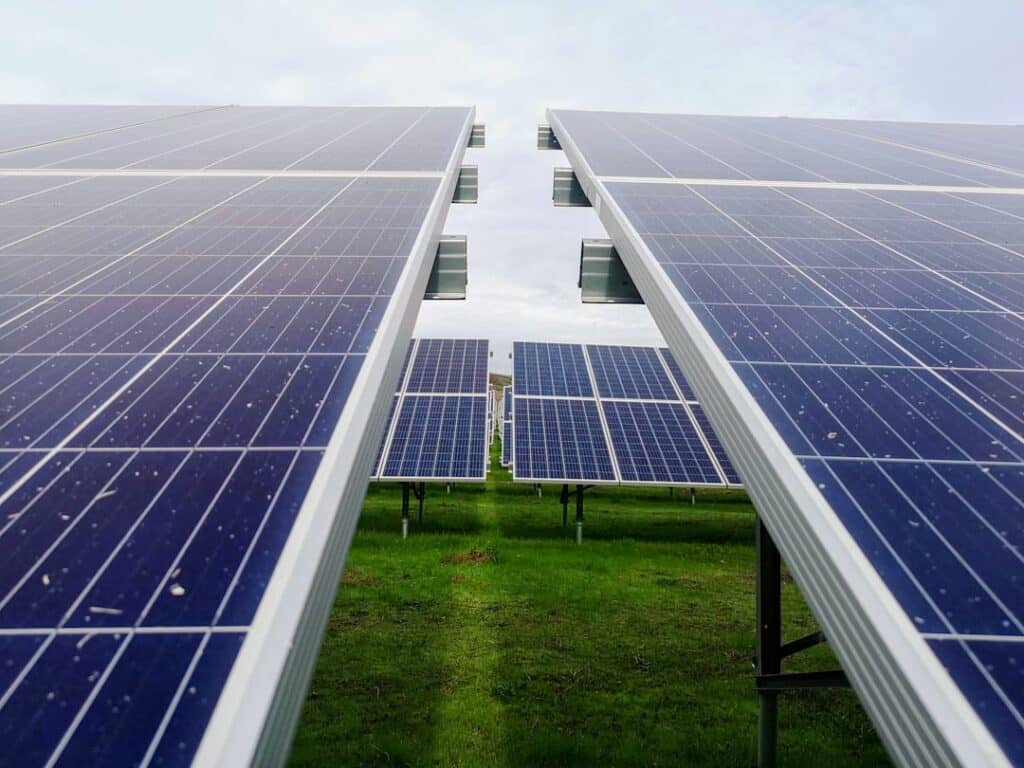
As you navigate the world of renewable energy, you may find yourself increasingly drawn to solar panels as a sustainable solution for your energy needs. However, while solar technology offers numerous benefits, it is not immune to the challenges posed by extreme weather conditions. From hurricanes and heavy snowfall to intense heatwaves and hailstorms, the elements can significantly impact the performance and longevity of your solar energy system.
Understanding how these weather phenomena interact with solar panels is crucial for anyone considering or currently utilizing this technology. Extreme weather events are becoming more frequent and severe due to climate change, making it essential for you to be aware of the potential risks associated with solar panels. By familiarizing yourself with the effects of extreme weather on your solar energy system, you can take proactive steps to protect your investment.
This article will delve into the various ways extreme weather can affect solar panels, the types of damage that may occur, and the necessary actions you can take to ensure your solar system remains efficient and effective.
Key Takeaways
- Extreme weather can have a significant impact on the performance and durability of solar panels.
- Hail, high winds, and extreme temperatures are common types of extreme weather that can cause damage to solar panels.
- Damage to solar panels can include cracks, breaks, and water damage, which can affect their efficiency and lifespan.
- It is important to regularly inspect solar panels for damage and to take immediate action if any issues are identified.
- Preventative measures such as installing protective covers and working with professionals for repairs can help protect solar panels from extreme weather damage and ensure their longevity.
The Effects of Extreme Weather on Solar Panels
Extreme weather can have a profound impact on solar panels, affecting their efficiency and overall functionality. For instance, high winds can dislodge panels from their mounts or cause them to become misaligned, leading to reduced energy production. Additionally, heavy rain can lead to water infiltration, which may compromise the electrical components of your solar system.
Understanding these effects is vital for maintaining optimal performance and ensuring that your solar panels continue to generate clean energy. Moreover, temperature fluctuations can also play a significant role in the performance of solar panels. Excessive heat can cause thermal expansion, which may lead to warping or cracking of the panel materials.
Conversely, extremely cold temperatures can result in brittleness, making panels more susceptible to damage from impacts or stress. By recognizing these potential issues, you can take steps to mitigate the risks associated with extreme weather and protect your solar investment.
Common Types of Damage Caused by Extreme Weather

When it comes to extreme weather, several types of damage can occur to solar panels. One of the most common issues is physical damage from hail or debris. Hailstones can strike panels with considerable force, leading to cracks or even complete breakage.
Similarly, flying debris during storms can cause scratches or dents that may affect the panel’s efficiency. Another prevalent issue is water damage, which can occur when heavy rains lead to pooling around the base of the panels or infiltrate the electrical components. This can result in corrosion or short-circuiting, ultimately compromising the system’s performance.
Additionally, snow accumulation can pose a challenge; while snow typically slides off panels due to their angle, excessive buildup can lead to increased weight and stress on the mounting system. Understanding these common types of damage will help you better prepare for potential weather-related issues.
How to Identify Damage to Solar Panels
Identifying damage to your solar panels after an extreme weather event is crucial for maintaining their efficiency. Start by conducting a visual inspection of your panels. Look for any visible cracks, chips, or discoloration on the surface.
Pay close attention to the edges and corners, as these areas are often more vulnerable to damage. If you notice any significant changes in appearance, it may indicate underlying issues that require further investigation. In addition to visual inspections, monitoring your solar system’s performance is essential.
If you notice a sudden drop in energy production or irregular readings from your inverter, it could signal that something is amiss. Many modern solar systems come equipped with monitoring software that allows you to track performance in real-time. By keeping an eye on these metrics, you can quickly identify potential problems and take action before they escalate.
Steps to Take After Extreme Weather Damage
After experiencing extreme weather conditions, it’s important to take immediate action to assess any potential damage to your solar panels. First and foremost, ensure your safety by avoiding any direct contact with damaged panels or electrical components. If you suspect significant damage or if there are downed power lines nearby, it’s best to contact a professional for assistance.
Once you’ve ensured your safety, begin documenting any visible damage through photographs and notes. This documentation will be helpful when discussing repairs with professionals or filing insurance claims. After documenting the damage, consider reaching out to your solar provider or a qualified technician for a thorough inspection.
They can provide expert insights into the extent of the damage and recommend appropriate next steps for repairs or replacements.
Repairing Cracked or Broken Solar Panels

Addressing Minor Cracks
If you’ve identified minor cracks on your solar panels, addressing the issue promptly is essential. While minor cracks may not significantly impact performance initially, they can worsen over time if left unaddressed. For small cracks, you might consider using a specialized adhesive designed for solar panel repair. This adhesive can help seal the crack and prevent moisture from infiltrating the panel.
Dealing with Extensive Damage
For more extensive damage or broken panels, replacement may be necessary. It’s crucial to consult with a professional technician who can assess whether repair is feasible or if a full replacement is warranted.
Ensuring Safe and Compliant Repairs
They will also ensure that any repairs are performed safely and in compliance with industry standards, helping you avoid further complications down the line.
Replacing Damaged Solar Cells
In instances where individual solar cells within a panel are damaged, replacing those cells may be an option worth considering. This process involves carefully removing the damaged cells and installing new ones in their place. While this repair can be cost-effective compared to replacing an entire panel, it requires specialized knowledge and skills.
If you’re contemplating this route, it’s advisable to work with a qualified technician who has experience in solar cell replacement. They will ensure that the new cells are compatible with your existing system and that the repair is executed correctly. By addressing damaged cells promptly, you can restore your solar panel’s efficiency and prolong its lifespan.
Repairing Water Damage to Solar Panels
Water damage is another concern that arises from extreme weather events. If you’ve discovered signs of water infiltration in your solar panels, it’s crucial to act quickly to prevent further complications such as corrosion or electrical failures. Start by identifying the source of the water intrusion; this could be due to improper sealing around mounting brackets or damaged junction boxes.
Once you’ve pinpointed the source of the water damage, it’s essential to dry out the affected areas thoroughly. You may need to remove any accumulated debris or standing water around the base of the panels. In some cases, resealing joints or replacing damaged components may be necessary to prevent future water intrusion.
Consulting with a professional technician will help ensure that repairs are conducted safely and effectively.
Preventative Measures to Protect Solar Panels from Extreme Weather
Taking preventative measures is key to safeguarding your solar panels from extreme weather conditions. One effective strategy is to ensure proper installation by working with experienced professionals who understand local weather patterns and building codes. A well-installed system will be better equipped to withstand high winds and heavy precipitation.
Additionally, regular maintenance is essential for prolonging the life of your solar panels. Schedule routine inspections to check for signs of wear and tear, such as loose mounting brackets or debris accumulation on the surface of the panels. Keeping your panels clean and free from obstructions will help maximize their efficiency and reduce the risk of damage during extreme weather events.
Working with Professionals for Extensive Damage
When faced with extensive damage from extreme weather events, enlisting the help of professionals is often the best course of action. Experienced technicians have the knowledge and tools necessary to assess the situation accurately and recommend appropriate solutions. They can also navigate any insurance claims or warranty issues that may arise from damage.
Working with professionals not only ensures that repairs are conducted safely but also provides peace of mind knowing that your solar system will be restored to optimal performance levels. Whether it’s repairing cracked panels or replacing damaged components, having experts on your side will help you navigate the complexities of solar panel maintenance effectively.
Conclusion and Final Thoughts
In conclusion, while solar panels offer a sustainable energy solution, they are not immune to the effects of extreme weather conditions. Understanding how these elements interact with your solar energy system is crucial for maintaining efficiency and protecting your investment. By being proactive in identifying potential damage and taking appropriate steps after extreme weather events, you can ensure that your solar panels continue to perform optimally.
As climate change continues to influence weather patterns worldwide, it becomes increasingly important for you as a solar panel owner to stay informed about potential risks and preventative measures. By working with professionals when necessary and prioritizing regular maintenance, you can safeguard your solar investment against extreme weather challenges while contributing positively to a more sustainable future.
If you are interested in learning more about the environmental benefits of solar energy for household use, you may want to check out this article on solar energy for household use and its environmental benefits. Understanding the positive impact of solar energy on the environment can help you appreciate the importance of maintaining and repairing solar panels, especially in the face of extreme weather conditions. Additionally, exploring the topic of recycling and end-of-life management of solar panels, as discussed in this article on recycling and end-of-life management of solar panels, can provide valuable insights into sustainable practices within the solar energy industry.
FAQs
What is the impact of extreme weather on solar panels?
Extreme weather such as hail, strong winds, and heavy snow can cause physical damage to solar panels, reducing their efficiency and output.
How does extreme heat affect solar panels?
Extreme heat can cause solar panels to overheat, reducing their efficiency and potentially causing long-term damage to the panels.
Can solar panels withstand hail and heavy snow?
Most solar panels are designed to withstand hail and heavy snow, but extreme weather events can still cause damage to the panels.
How can extreme weather damage solar panels?
Extreme weather can cause physical damage to solar panels, such as cracks, scratches, and dents, which can reduce their efficiency and output.
What are the common types of damage to solar panels caused by extreme weather?
Common types of damage to solar panels caused by extreme weather include cracks in the glass, delamination of the solar cells, and damage to the frame and mounting system.
How can damaged solar panels be repaired?
Damaged solar panels can be repaired by replacing the damaged components, such as the glass or solar cells, or by reinforcing the mounting system to ensure the panels are secure.
What are the best practices for protecting solar panels from extreme weather?
Best practices for protecting solar panels from extreme weather include regular maintenance and inspection, using high-quality mounting systems, and installing protective measures such as hail guards.