
What if you could harness the sun’s power to support your energy needs? The Hidden Costs of a 12 Volt Solar Panel Price
Regarding renewable energy, 12-volt solar panels are popular for various applications, from powering RVs and boats to supplying electricity for remote cabins.
While the initial price of these panels may seem straightforward, several hidden costs can catch you off guard; understanding these costs can help you budget more effectively and ensure your solar energy system operates efficiently.
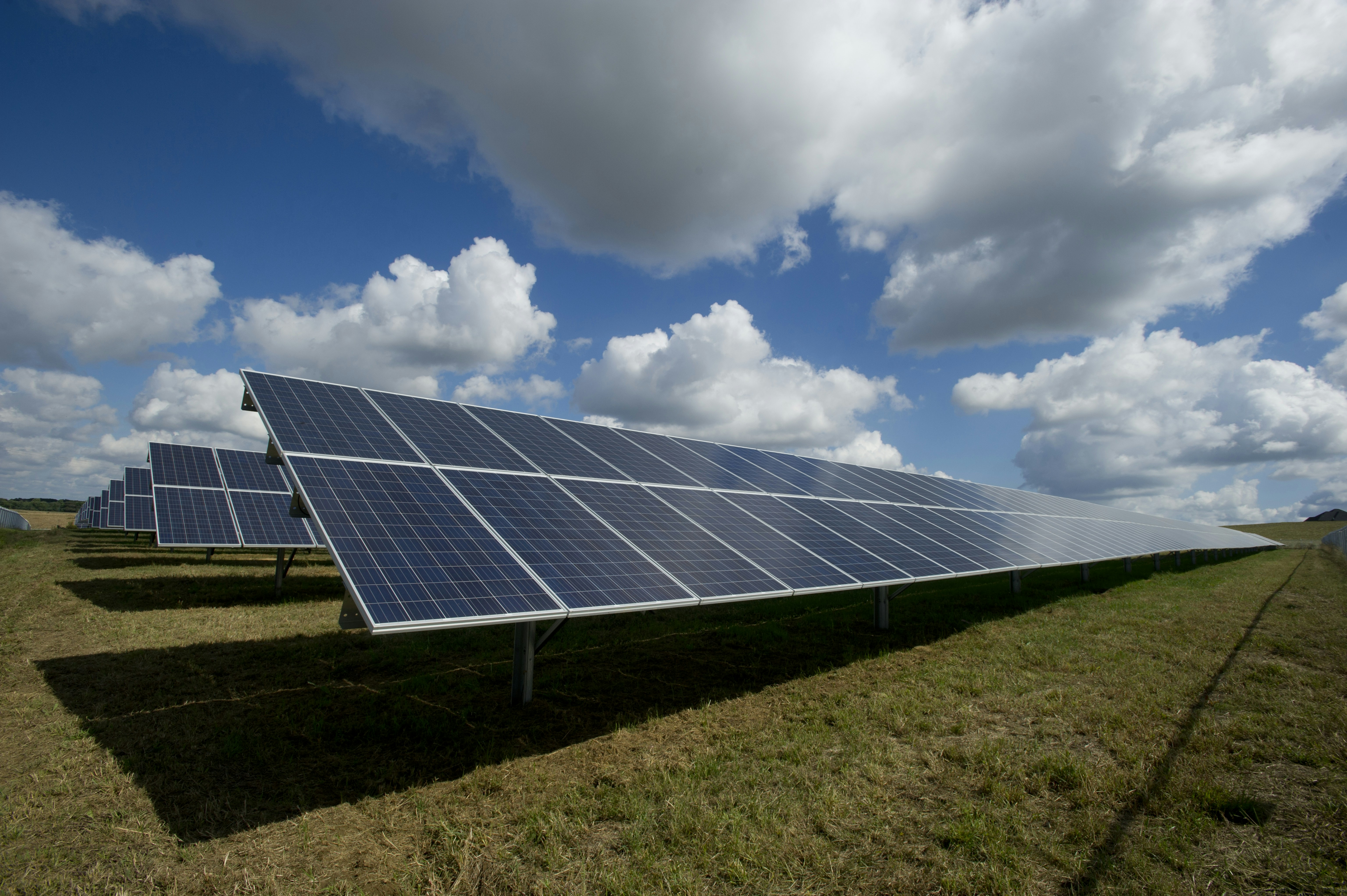
Understanding 12 Volt Solar Panels
Before discussing the costs, let’s examine what a 12-volt solar panel is and how it works.
What is a 12 Volt Solar Panel?
A 12-volt solar panel is designed to convert sunlight into electricity, producing 12 volts of output voltage. These panels are commonly used in off-grid applications and can charge batteries that power various devices and appliances. Depending on your setup, these panels can be a fantastic investment for sustainable living.
How Do They Work?
Solar panels contain photovoltaic cells that convert sunlight directly into electricity. When sunlight strikes the cells, it excites the electrons, generating a direct current (DC). This DC can charge batteries or power devices directly, making it perfect for RVs, boats, and other remote power applications.
The Initial Price: What You Pay Upfront
The initial price of a 12-volt solar panel can vary significantly based on several factors.
Factors Influencing Price
- Brand and Quality: Reputable brands may charge a premium, but you often get better efficiency and durability.
- Wattage: Higher wattage typically results in higher costs. A 100-watt panel, for instance, will generally be less expensive than a 200-watt panel.
- Type of Panel: Monocrystalline, polycrystalline, and thin-film panels Actualdiffer in price and efficiency.
- Buyer’s Market and Shipping Costs: Prices can fluctuate based on location and availability.
What to Expect for Prices
To give you a clearer picture, here’s a rough estimate of prices you might encounter:
| Panel Type | Wattage | Estimated Cost (USD) |
|---|---|---|
| Monocrystalline | 100W | $100 – $150 |
| Polycrystalline | 100W | $80 – $120 |
| Thin-Film | 100W | $60 – $100 |
| Monocrystalline | 200W | $200 – $300 |
| Polycrystalline | 200W | $150 – $250 |
| Thin-Film | 200W | $120 – $200 |
The prices above are just general estimates; your specific choice may vary.
Hidden Costs Beyond the Price Tag
Once the purchase price is behind you, other costs will arise. Let’s pull back the curtain on what those may be.
Installation Costs
- DIY vs. Professional Installation: If you’re handy, a DIY installation can save you money. However, hiring a professional usually ensures proper setup and compliance with local regulations. If hiring for a small setup, expect to pay $100-$200.
- Mounting Equipment: This can include brackets and mounts to secure your panels. Typical costs range from $50 to $150.
Battery Costs
Batteries may be needed if you intend to store energy for later use. These costs can significantly impact your budget.
- Types of Batteries: Lead-acid and lithium-ion are the most common batteries for solar setups. Lead-acid is cheaper but has a shorter lifespan. Lithium-ion is more expensive upfront but lasts longer.
| Battery Type | Estimated Cost (USD) | Lifespan (Years) |
|---|---|---|
| Lead-Acid | $100 – $300 | 3 – 5 |
| Lithium-Ion | $500 – $1,200 | 10 – 15 |
Inverter Expenses
An inverter is needed to convert DC electricity from the solar panels into AC electricity for your home appliances.
- Size and Type: Costs depend on the inverter’s capacity and type. Expect to spend anywhere from $100 to $500 for a quality inverter.
Additional Equipment Needs
Beyond the basics, other equipment may be necessary for optimal functioning.
- Charge Controller: Protects the battery from overcharging. Costs range from $20 to $200.
- Wiring and Connectors: This can accumulate costs, typically around $50 to $100.
Maintenance Costs
While solar panels generally require little maintenance, costs can arise over time.
- Cleaning: Dust and debris can reduce efficiency. Hiring professionals or purchasing cleaning supplies might cost $20 to $100 annually.
- Repairs: If issues arise, the budget for potential repairs can run from $50 to several hundred dollars, depending on the severity.
The Long-Term Financial Picture
While hidden costs can add up, it’s essential to consider the long-term savings and benefits of investing in solar energy.
Energy Savings
- Reduction in Electricity Bills: Solar panels may significantly lower monthly energy bills. Depending on your usage and local utility rates, this could equate to savings of hundreds or even thousands of dollars over the years.
- Energy Independence: Generating your power means you aren’t subject to rising energy prices.
Potential Incentives
Many regions offer incentives for solar energy installation, such as:
- Tax Credits: Look into the federal solar tax credit, which can significantly reduce the overall cost of installation.
- State Rebates: Research your state’s programs that may offer cash back, further making your solar investment more affordable.
Resale Value
If you ever decide to sell your property, a solar setup can increase your home’s market value.
- Energy-Efficient Homes: Buyers are often willing to pay more for homes with renewable energy sources.
- Market Demand: As more individuals look for sustainable options, the real estate market may be more interested in solar homes.

Environmental Impact
Investing in solar energy isn’t just about cost savings. There are tangible environmental benefits as well.
Reducing Carbon Footprint
By switching to solar, you reduce your reliance on fossil fuels and lower greenhouse gas emissions.
- Cleaner Future: Supporting renewable energy contributes to a cleaner, more sustainable planet for future generations.
- Increased Awareness: Your choice can influence others, promoting wider community acceptance of renewable solutions.
Choosing the Right System for You
Given all the hidden costs and factors to consider, how do you make a sound decision about your solar panel system?
Assess Your Energy Needs
Before making a decision, calculate your energy needs.
- Energy Audit: Determine how much energy your household consumes daily, accounting for all appliances and devices.
- Future Needs: Consider any potential changes to your energy consumption, such as owning an electric vehicle or adding appliances.
Research Options
Please spend some time understanding the different options available.
- Quality vs. Price: Balancing quality with cost is essential. Spending a bit more initially can lead to savings in longevity and efficiency.
- Local Climate: Not every solar panel performs similarly in different climates. Research panels that work best in your area’s weather conditions.
Professional Consultation
While DIY projects can be rewarding, consulting with a solar professional can save time and money in the long run.
- Get Multiple Quotes: Different companies will offer various packages, help you understand costs, and identify hidden fees.
- Ask about Warranties: Always inquire about warranties on panels and equipment, as this protects you from unforeseen costs.

The journey to harnessing solar energy starts with understanding the visible and hidden costs of a 12-volt solar panel system. While the initial purchase price is part of your investment, factors like installation, batteries, and maintenance fees are crucial to your overall costs.
However, the long-term benefits, including energy savings, environmental impact, and increased property value, cannot be overlooked.
Investing in solar power is more than just a financial decision. It’s a step towards a sustainable future, a commitment to reducing your carbon footprint, and potential savings for years. As you navigate this journey, keep these factors in mind. You’ll be better prepared to make an informed decision that suits your budget and lifestyle.
By understanding the hidden costs associated with 12-volt solar panels, you are taking an informed step toward enriching your life and contributing to a healthier planet. Your future self will thank you for it!
==========
Content 10/10/G