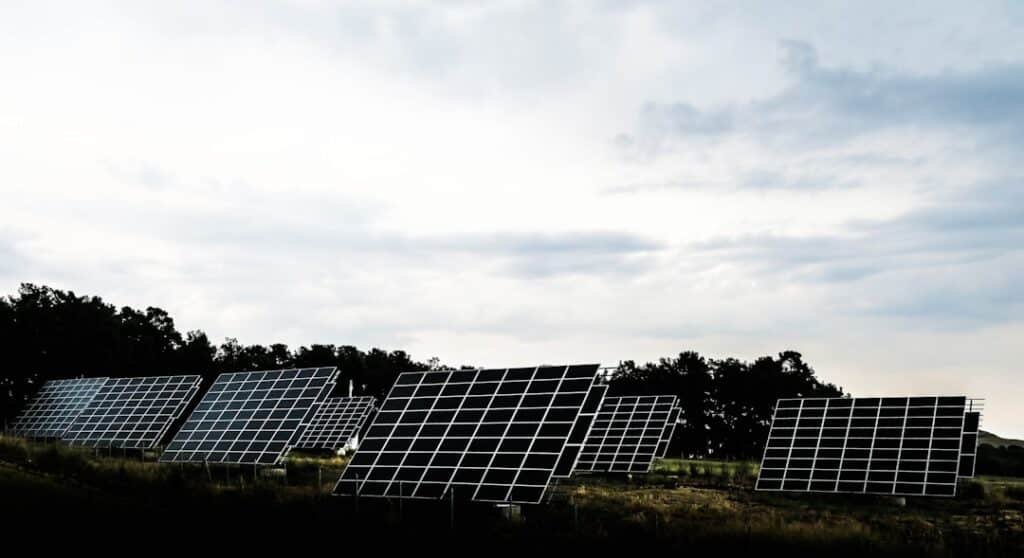
As you delve into the world of solar technology, it becomes essential to grasp the fundamental principles that underpin this renewable energy source. Solar technology harnesses sunlight and converts it into usable energy, primarily electricity or heat. This process is not only environmentally friendly but also offers a sustainable alternative to fossil fuels, which are finite and contribute to pollution.
By understanding how solar technology works, you can appreciate its potential to transform energy consumption and reduce your carbon footprint. The core concept of solar technology revolves around the photovoltaic effect, where certain materials generate electric current when exposed to sunlight. This phenomenon is the foundation of solar panels, which are designed to capture sunlight and convert it into electricity.
As you explore this technology further, you will discover various components and systems that work together to optimize energy production and usage. By familiarizing yourself with these elements, you can make informed decisions about integrating solar technology into your life or business.
Key Takeaways
- Solar technology harnesses the power of the sun to generate electricity and heat water.
- Solar panels contain photovoltaic cells that convert sunlight into electricity.
- Inverters and charge controllers are essential components that manage the flow of electricity from solar panels to batteries or the grid.
- Batteries and energy storage systems store excess energy generated by solar panels for later use.
- Mounting and racking systems are used to securely install solar panels on rooftops or the ground.
Solar Panels and Photovoltaic Cells
At the heart of solar technology are solar panels, which consist of numerous photovoltaic (PV) cells. These cells are typically made from silicon, a semiconductor material that efficiently converts sunlight into electricity. When sunlight strikes the PV cells, it excites electrons, creating an electric current.
This process is highly efficient, with modern solar panels converting around 15-22% of sunlight into usable energy. As you consider adopting solar energy, understanding the different types of solar panels available can help you choose the best option for your needs. There are primarily three types of solar panels: monocrystalline, polycrystalline, and thin-film.
Monocrystalline panels are known for their high efficiency and sleek appearance, making them a popular choice for residential installations. Polycrystalline panels are slightly less efficient but are often more affordable, making them an attractive option for budget-conscious consumers. Thin-film panels, while less efficient than their crystalline counterparts, offer flexibility and lightweight designs that can be advantageous in specific applications.
By evaluating these options, you can determine which type of solar panel aligns with your energy goals and budget.
Inverters and Charge Controllers
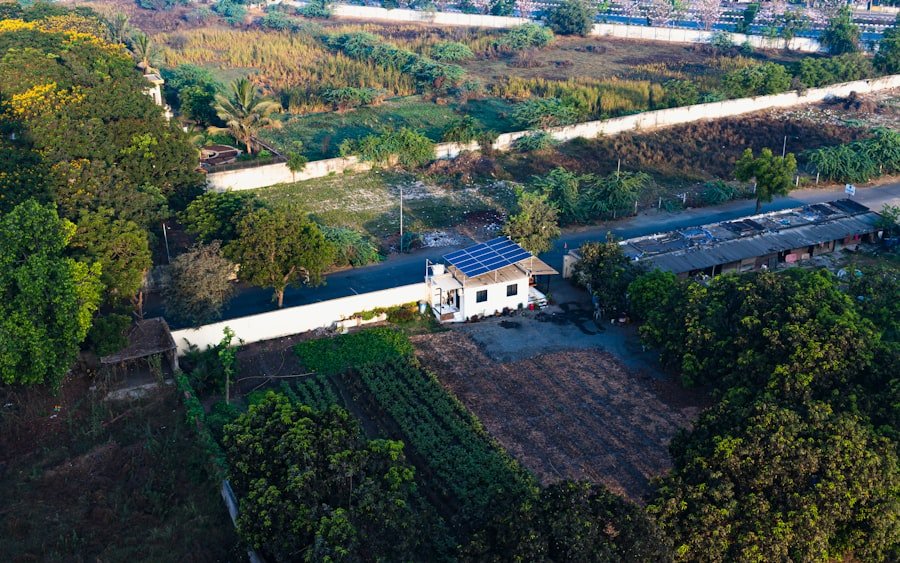
Once solar panels generate electricity, it must be converted from direct current (DC) to alternating current (AC) for use in most homes and businesses. This is where inverters come into play. Inverters are crucial components of a solar energy system, as they ensure that the electricity produced by your solar panels is compatible with your appliances and the grid.
There are several types of inverters available, including string inverters, microinverters, and power optimizers. Each type has its advantages and disadvantages, so understanding their functions can help you make an informed choice. Charge controllers are another essential component of a solar energy system, particularly if you plan to incorporate battery storage.
These devices regulate the flow of electricity between the solar panels and the batteries, preventing overcharging and ensuring optimal battery performance. By managing the charging process, charge controllers help extend the lifespan of your batteries and maintain their efficiency. As you explore solar technology further, consider how inverters and charge controllers work together to create a seamless energy system that meets your needs.
Batteries and Energy Storage
Energy storage is a critical aspect of any solar energy system, as it allows you to store excess electricity generated during sunny days for use during periods of low sunlight or high demand. Batteries play a vital role in this process, providing a reliable source of stored energy that can be accessed when needed. There are various types of batteries available for solar energy systems, including lead-acid, lithium-ion, and flow batteries.
Each type has its unique characteristics, advantages, and limitations. Lead-acid batteries have been used for decades in various applications due to their affordability and reliability. However, they tend to have a shorter lifespan and lower depth of discharge compared to newer technologies.
Lithium-ion batteries have gained popularity in recent years due to their higher efficiency, longer lifespan, and lighter weight. Flow batteries offer a different approach to energy storage by using liquid electrolytes, allowing for scalable storage solutions. As you consider incorporating battery storage into your solar energy system, it’s essential to evaluate your energy needs and budget to select the most suitable option.
Mounting and Racking Systems
To maximize the efficiency of your solar panels, proper mounting and racking systems are essential. These systems secure the panels in place and ensure they are positioned at the optimal angle to capture sunlight throughout the day. There are various mounting options available, including fixed mounts, adjustable mounts, and tracking systems.
Each type has its benefits and drawbacks depending on your specific installation site and energy goals. Fixed mounts are the most common type of mounting system, providing a stable platform for solar panels at a predetermined angle. While they are cost-effective and easy to install, they may not capture as much sunlight as adjustable or tracking systems.
Adjustable mounts allow for seasonal changes in angle, optimizing energy production throughout the year. Tracking systems take this a step further by automatically adjusting the position of the panels to follow the sun’s path across the sky. While these systems can significantly increase energy production, they also come with higher costs and maintenance requirements.
By understanding these options, you can choose a mounting system that best suits your needs.
Monitoring and Control Systems
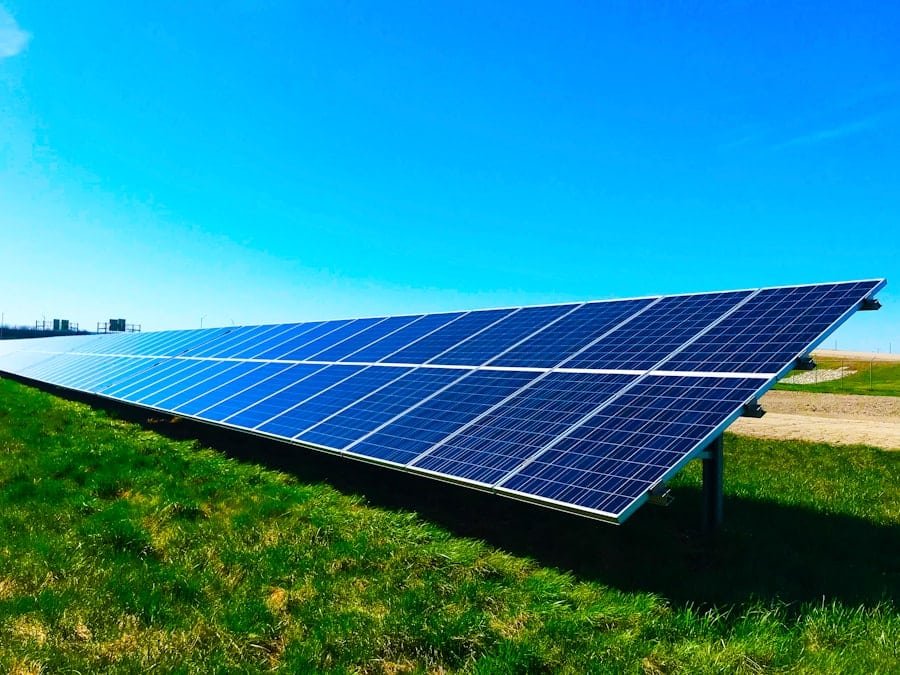
Monitoring and control systems play a crucial role in optimizing the performance of your solar energy system. These systems allow you to track energy production, consumption, and overall system health in real-time. By having access to this data, you can identify potential issues early on and make informed decisions about maintenance or adjustments needed to maximize efficiency.
Many modern solar energy systems come equipped with advanced monitoring solutions that provide detailed insights into performance metrics through user-friendly interfaces or mobile applications. These tools enable you to monitor your system’s output from anywhere at any time, giving you greater control over your energy usage. Additionally, some monitoring systems can integrate with smart home technologies, allowing for automated adjustments based on real-time data.
By leveraging these monitoring capabilities, you can ensure that your solar energy system operates at peak performance while also gaining valuable insights into your overall energy consumption patterns.
Solar Thermal Equipment
While photovoltaic systems focus on converting sunlight into electricity, solar thermal equipment harnesses solar energy for heating purposes. This technology is particularly effective for applications such as water heating or space heating in residential or commercial settings. Solar thermal systems typically consist of collectors that absorb sunlight and transfer heat to a fluid medium—usually water or air—which is then used for heating.
There are two primary types of solar thermal collectors: flat-plate collectors and evacuated tube collectors. Flat-plate collectors are commonly used for residential water heating systems due to their simplicity and cost-effectiveness. They consist of a flat surface covered with a transparent material that allows sunlight to penetrate while trapping heat within the collector.
Evacuated tube collectors offer higher efficiency levels by utilizing multiple glass tubes that create a vacuum environment to minimize heat loss. As you explore solar thermal options, consider how these systems can complement your existing energy setup or provide an alternative solution for heating needs.
Solar Technology Maintenance and Upkeep
To ensure the longevity and efficiency of your solar energy system, regular maintenance and upkeep are essential. While solar technology is generally low-maintenance compared to traditional energy sources, there are still several tasks you should perform periodically to keep your system operating optimally. This includes cleaning the solar panels to remove dirt or debris that may obstruct sunlight absorption and inspecting all components for signs of wear or damage.
Additionally, monitoring system performance through your control system can help identify any potential issues early on. If you notice a significant drop in energy production or any irregularities in performance metrics, it may be time to consult with a professional technician for further evaluation. By staying proactive about maintenance and addressing any concerns promptly, you can maximize the lifespan of your solar technology investment while enjoying the benefits of clean energy for years to come.
In conclusion, understanding solar technology encompasses various components and systems that work together to harness the power of the sun effectively. From solar panels and inverters to batteries and monitoring systems, each element plays a vital role in creating an efficient renewable energy solution tailored to your needs. By familiarizing yourself with these aspects of solar technology, you can make informed decisions about integrating this sustainable energy source into your life or business while contributing positively to the environment.
If you are interested in learning more about solar company jobs, check out this informative article here. It provides valuable insights into the various career opportunities available in the solar industry and how you can get started in this growing field. Whether you are looking to install solar panels, work in sales, or become a solar technician, this article offers helpful guidance on how to pursue a rewarding career in solar technology.
FAQs
What is solar technology equipment?
Solar technology equipment refers to the various devices and components used to harness and utilize solar energy. This includes solar panels, inverters, batteries, mounting systems, and monitoring equipment.
What are solar panels?
Solar panels are devices that convert sunlight into electricity. They are made up of photovoltaic cells that capture the sun’s energy and convert it into usable electricity.
What is an inverter in solar technology?
An inverter is a device that converts the direct current (DC) electricity produced by solar panels into alternating current (AC) electricity, which is used to power household appliances and electronics.
What are solar batteries?
Solar batteries are used to store excess electricity generated by solar panels for later use, such as during periods of low sunlight or at night. They are an important component of off-grid solar systems.
What is a mounting system in solar technology?
A mounting system is used to securely install solar panels on rooftops or the ground. It includes mounting brackets, rails, and hardware to ensure the panels are positioned for optimal sunlight exposure.
What is monitoring equipment in solar technology?
Monitoring equipment is used to track the performance of a solar energy system, including the amount of electricity generated, energy consumption, and system efficiency. It helps users optimize their solar energy usage and identify any issues with the system.
How can I choose the right solar technology equipment for my needs?
When choosing solar technology equipment, consider factors such as your energy needs, available sunlight, budget, and space for installation. It’s also important to work with a reputable solar installer or supplier to ensure you get the right equipment for your specific requirements.