
When you think about solar power systems, you might envision large panels soaking up sunlight on rooftops or in open fields. In essence, a solar power system converts sunlight into electricity, harnessing the sun’s energy to power homes, businesses, and even entire communities. At the core of these systems are photovoltaic (PV) cells, which are made from semiconductor materials that generate direct current (DC) electricity when exposed to sunlight.
This electricity can then be converted into alternating current (AC) through an inverter, making it usable for your everyday appliances and devices. Understanding how solar power systems work is crucial for anyone considering making the switch to renewable energy. The components of a solar power system typically include solar panels, an inverter, a mounting system, and sometimes a battery storage system.
Each part plays a vital role in ensuring that the energy captured from the sun is efficiently converted and utilized. By familiarizing yourself with these components, you can make informed decisions about your energy needs and how best to meet them through solar technology.
Key Takeaways
- Solar power systems harness energy from the sun to generate electricity for homes and businesses.
- The benefits of solar power systems include cost savings, reduced carbon footprint, and energy independence.
- Installing a solar power system involves site assessment, design, permitting, installation, and connection to the grid.
- Choosing the right solar power system involves considering energy needs, available space, budget, and desired level of independence from the grid.
- Financing options for solar power systems include purchase, lease, power purchase agreements, and incentives such as tax credits.
Benefits of Solar Power Systems
One of the most compelling reasons to consider solar power systems is the potential for significant cost savings on your energy bills. By generating your own electricity, you can reduce or even eliminate your reliance on traditional utility providers. This not only saves you money but also protects you from fluctuating energy prices.
Over time, the initial investment in a solar power system can pay for itself through these savings, making it a financially sound choice for many homeowners. In addition to financial benefits, solar power systems contribute positively to the environment. By utilizing renewable energy, you reduce your carbon footprint and help combat climate change.
Solar energy is clean and sustainable, meaning it doesn’t produce harmful emissions like fossil fuels do. By choosing solar power, you are not only investing in your future but also in the health of the planet. This dual benefit of saving money while promoting environmental sustainability makes solar power an attractive option for many individuals and families.
The Process of Installing a Solar Power System
Installing a solar power system is a multi-step process that begins with an assessment of your energy needs and property suitability. You’ll want to evaluate factors such as your roof’s orientation, shading from trees or buildings, and local regulations regarding solar installations. Once you have a clear understanding of your requirements, you can consult with a solar provider who will conduct a site survey to determine the best system design for your home.
After the initial assessment, the next step involves obtaining necessary permits and approvals from local authorities. This can vary by location but is essential to ensure that your installation complies with building codes and regulations. Once all permits are secured, the actual installation can begin.
This typically involves mounting the solar panels on your roof or property, connecting them to the inverter, and integrating the system with your existing electrical setup. The entire process can take anywhere from a few days to several weeks, depending on the complexity of the installation and any unforeseen challenges that may arise.
Choosing the Right Solar Power System for Your Needs
Selecting the right solar power system requires careful consideration of several factors tailored to your specific situation. First and foremost, assess your energy consumption patterns. Understanding how much electricity you use on average will help you determine the size of the system you need.
A larger system may be necessary if you have high energy demands or plan to expand your usage in the future. Additionally, consider your budget and financing options when choosing a solar power system. There are various types of systems available, including grid-tied, off-grid, and hybrid systems, each with its own advantages and disadvantages.
A grid-tied system is often more affordable and allows you to draw from the grid when necessary, while an off-grid system provides complete independence but requires more upfront investment in battery storage. By evaluating these factors carefully, you can select a solar power system that aligns with both your financial goals and energy needs.
Financing Options for Solar Power Systems
Financing a solar power system can seem daunting at first, but there are numerous options available to make it more accessible for homeowners like you. One popular choice is to purchase the system outright, which allows you to take full advantage of tax credits and incentives while eliminating monthly payments. However, this option may not be feasible for everyone due to the high upfront costs associated with solar installations.
If purchasing outright isn’t an option, consider financing through loans or leases. Solar loans allow you to spread out the cost over time while still owning the system and benefiting from any incentives. Alternatively, leasing a solar power system means you pay a monthly fee to use the equipment without owning it outright.
This can be an attractive option if you want to avoid large upfront costs while still enjoying the benefits of solar energy. Whichever route you choose, it’s essential to research and compare different financing options to find one that best suits your financial situation.
Maintenance and Repairs for Solar Power Systems
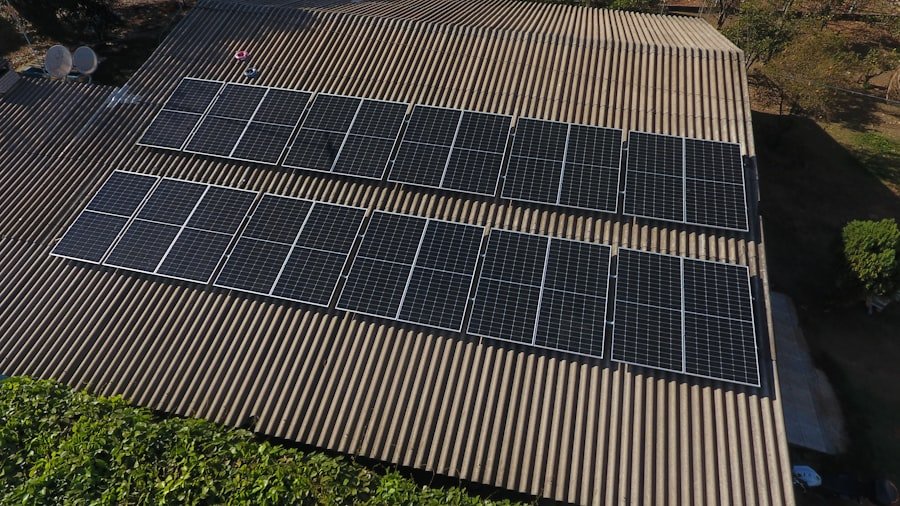
Once your solar power system is installed, it’s important to understand its maintenance requirements to ensure optimal performance over its lifespan. Fortunately, solar systems are generally low-maintenance compared to other home systems. Regular cleaning of the panels is often sufficient to keep them functioning efficiently; dirt, dust, and debris can accumulate over time and hinder their ability to absorb sunlight effectively.
In addition to cleaning, it’s wise to schedule periodic inspections by a professional technician who can assess the overall health of your system. They can check for any potential issues such as wiring problems or inverter malfunctions that may require repairs. Being proactive about maintenance can help extend the life of your solar power system and ensure that it continues to operate at peak efficiency for years to come.
The Role of Solar Power Systems in Environmental Conservation
Solar power systems play a crucial role in environmental conservation by providing a clean alternative to fossil fuels. As global awareness of climate change grows, more individuals are seeking ways to reduce their carbon footprints and contribute positively to the environment. By harnessing solar energy, you are directly participating in this movement toward sustainability.
Moreover, solar power systems help reduce air pollution associated with traditional energy sources. The burning of fossil fuels releases harmful emissions that contribute to smog and respiratory issues in communities worldwide. By opting for solar energy, you are not only reducing greenhouse gas emissions but also improving air quality for yourself and those around you.
This ripple effect underscores the importance of adopting renewable energy solutions like solar power in our collective effort to protect the planet.
Solar Power System Chandler Az Turnkey Services
In Chandler, AZ, turnkey services for solar power systems have become increasingly popular among homeowners looking for a hassle-free installation experience. A turnkey service provider manages every aspect of the project from start to finish, ensuring that all components are seamlessly integrated into your home’s energy system. This approach simplifies the process for you by eliminating the need to coordinate between multiple contractors or vendors.
When you choose a turnkey service in Chandler, you benefit from their expertise in local regulations and permitting processes. They handle everything from site assessments and design planning to installation and inspections. This comprehensive service not only saves you time but also provides peace of mind knowing that experienced professionals are managing your solar project every step of the way.
Advantages of Turnkey Solar Power System Installation
Opting for turnkey solar power system installation offers several advantages that can enhance your overall experience as a homeowner transitioning to renewable energy. One significant benefit is streamlined communication; since one company oversees all aspects of the project, you have a single point of contact for any questions or concerns that may arise during installation. Additionally, turnkey providers often have established relationships with suppliers and contractors, which can lead to cost savings passed on to you as the customer.
Their experience in managing projects efficiently means that installations are typically completed more quickly than if you were coordinating multiple contractors independently. This efficiency not only saves time but also minimizes disruptions to your daily life during the installation process.
Factors to Consider When Choosing a Turnkey Solar Power System Provider
When selecting a turnkey solar power system provider in Chandler, AZ, there are several key factors to consider ensuring that you make an informed decision. First and foremost, research their reputation within the community; look for reviews and testimonials from previous customers who have utilized their services. A provider with a strong track record of successful installations will give you confidence in their ability to deliver quality work.
Another important consideration is their experience and expertise in handling projects similar to yours. Ask about their qualifications and certifications in solar technology; this will help ensure that they are knowledgeable about current industry standards and best practices. Additionally, inquire about warranties offered on both equipment and installation services; reputable providers should stand behind their work with solid guarantees that protect your investment.
The Future of Solar Power Systems in Chandler Az
The future of solar power systems in Chandler, AZ looks promising as advancements in technology continue to drive down costs while improving efficiency. As more homeowners recognize the benefits of renewable energy sources, demand for solar installations is expected to rise significantly over the coming years. This trend will likely lead to increased competition among providers, resulting in better pricing options and enhanced services for consumers like you.
Moreover, government incentives at both state and federal levels are likely to remain in place or even expand as policymakers prioritize clean energy initiatives. These incentives can make transitioning to solar power more financially viable for many households in Chandler. As technology evolves and public awareness grows regarding environmental issues, it’s clear that solar power systems will play an increasingly vital role in shaping a sustainable future for communities across Arizona and beyond.
If you’re considering a solar power system in Chandler, AZ, a turnkey solution can simplify the installation process and ensure a seamless transition to renewable energy. For more insights on how solar energy can be utilized in various applications, you might find this article on solar thermal energy particularly informative. It explores the diverse uses of solar technology, which can complement your understanding of solar power systems.
FAQs
What is a solar power system?
A solar power system is a renewable energy system that uses photovoltaic panels to convert sunlight into electricity. This electricity can then be used to power homes, businesses, and other buildings.
What is a turnkey solar power system?
A turnkey solar power system is a complete solar energy solution that includes everything needed for installation and operation. This includes the solar panels, inverters, mounting hardware, and any necessary electrical components.
What are the benefits of a solar power system?
Solar power systems offer numerous benefits, including reduced electricity bills, lower carbon emissions, and energy independence. They also require minimal maintenance and can increase the value of a property.
How does a solar power system work?
Solar power systems work by capturing sunlight with photovoltaic panels, which then convert the sunlight into electricity. This electricity can be used immediately or stored in batteries for later use.
What is the process for installing a solar power system in Chandler, AZ?
The process for installing a solar power system in Chandler, AZ typically involves a site assessment, design and permitting, installation, and connection to the grid. It’s important to work with a qualified solar installer to ensure a smooth and efficient installation process.
What are the financial incentives for installing a solar power system in Chandler, AZ?
Chandler, AZ offers various financial incentives for installing a solar power system, including federal tax credits, state rebates, and net metering programs. These incentives can help offset the upfront cost of installing a solar power system.