
When you delve into the world of solar energy, one of the key concepts you will encounter is voltage optimization. This process involves adjusting the voltage output of solar panels to ensure they operate at their most efficient level. By understanding how voltage optimization works, you can significantly enhance the performance of your solar energy system.
The goal is to maximize the energy harvested from sunlight while minimizing losses due to inefficiencies in the system. Voltage optimization is not merely a technical adjustment; it is a critical factor that can influence the overall effectiveness of your solar installation. When solar panels are exposed to sunlight, they generate direct current (DC) electricity.
However, the voltage produced can vary based on several factors, including the type of solar panel, environmental conditions, and the configuration of your solar array. By optimizing this voltage, you can ensure that your system operates within its ideal range, leading to improved energy production and reduced costs over time.
Key Takeaways
- Understanding the optimal voltage for solar panels is crucial for maximizing energy output and efficiency.
- Technical factors such as temperature, shading, and the role of inverters play a significant role in affecting solar panel voltage.
- Evaluating and implementing Maximum Power Point Tracking (MPPT) technology is essential for optimizing solar panel voltage.
- Voltage regulators and battery storage systems are key components in maintaining and monitoring optimal voltage levels for solar panels.
- Future trends in solar panel voltage optimization technology are focused on integrating advanced monitoring and control systems for improved efficiency and performance.
The Importance of Maximizing Solar Panel Output
Cost Savings
Increased energy production directly into cost savings on your electricity bills. When your solar panels operate at peak efficiency, you can generate more power for your home or business, reducing your reliance on grid electricity and lowering your overall energy expenses.
Sustainability
Maximizing output contributes to the sustainability of your energy consumption. By harnessing more solar energy, you are reducing your carbon footprint and promoting a cleaner environment.
Global Impact
In a world increasingly focused on renewable energy sources, optimizing your solar panel output not only benefits you financially but also supports global efforts to combat climate change. As you consider the long-term implications of your energy choices, maximizing solar panel output becomes a crucial aspect of responsible energy management.
Technical Factors Affecting Solar Panel Voltage

Several technical factors influence the voltage output of solar panels, and understanding these can help you make informed decisions about your solar energy system. One significant factor is the type of solar cells used in the panels. Monocrystalline, polycrystalline, and thin-film solar cells each have different voltage characteristics and efficiencies.
For instance, monocrystalline panels typically offer higher efficiency and better performance in low-light conditions compared to their polycrystalline counterparts. Another critical factor is the configuration of your solar array. The way you connect multiple panels—whether in series or parallel—affects the overall voltage output.
In a series connection, the voltages of each panel add up, which can be beneficial for achieving higher voltage levels. However, if one panel underperforms due to shading or dirt accumulation, it can drag down the performance of the entire string. Understanding these technical nuances allows you to design a more effective solar system tailored to your specific needs.
Evaluating the Optimal Voltage for Solar Panels
Determining the optimal voltage for your solar panels involves analyzing various parameters that affect performance. The ideal voltage level is often dictated by the specifications of your inverter and battery storage systems. Inverters convert the DC electricity generated by your panels into alternating current (AC) electricity for use in your home or business.
Each inverter has a specific input voltage range that it operates most efficiently within, so aligning your solar panel output with this range is crucial. Additionally, environmental factors such as temperature and sunlight intensity play a role in establishing optimal voltage levels. As temperatures rise, the voltage output of solar panels can decrease due to thermal effects.
Therefore, evaluating these conditions regularly can help you adjust your system for maximum efficiency. By understanding how to assess and adjust for optimal voltage levels, you can ensure that your solar energy system operates at its best throughout varying conditions.
Implementing Maximum Power Point Tracking (MPPT) Technology
One of the most effective ways to optimize voltage output in solar panels is through Maximum Power Point Tracking (MPPT) technology. MPPT is a sophisticated technique used in modern inverters that continuously monitors the output of solar panels to find the maximum power point—the point at which the panels produce their highest possible power output under current conditions. By dynamically adjusting the electrical load on the panels, MPPT ensures that you are always drawing the maximum amount of energy available.
The benefits of MPPT technology are substantial. It allows for greater efficiency in energy conversion and can significantly increase the overall power output of your solar system, especially during fluctuating weather conditions or varying sunlight intensity throughout the day. By implementing MPPT technology in your inverter setup, you can take full advantage of your solar panels’ capabilities and ensure that you are maximizing your investment in renewable energy.
Utilizing Voltage Regulators for Solar Panel Optimization
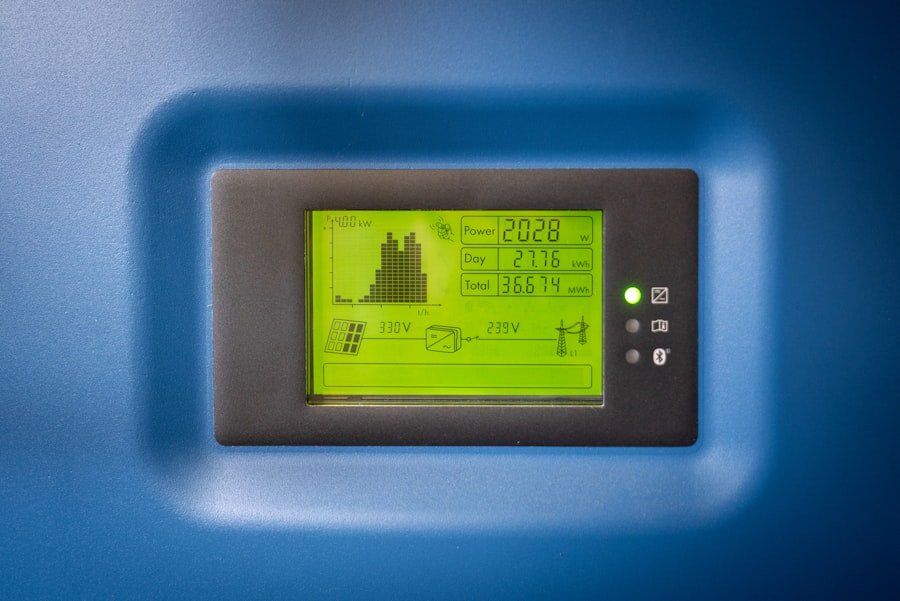
Enhancing Reliability and Efficiency
By incorporating voltage regulators into your solar setup, you can enhance reliability and efficiency. They help protect against overvoltage situations that could lead to equipment failure or reduced lifespan for components like batteries and inverters.
Stable Voltage for Better Integration
Maintaining stable voltage levels allows for better integration with other systems, such as battery storage or grid-tied configurations, ultimately leading to a more robust and efficient solar energy solution.
The Role of Inverters in Voltage Optimization
Inverters are central to any solar energy system’s operation and play a crucial role in voltage optimization. They not only convert DC electricity generated by solar panels into AC electricity but also manage how that electricity is distributed and utilized within your home or business. The efficiency of an inverter directly impacts how well your solar system performs, making it essential to choose an inverter that aligns with your specific needs.
Modern inverters often come equipped with advanced features such as MPPT technology and built-in monitoring capabilities that allow you to track performance metrics in real-time. By selecting an inverter with these features, you can ensure that it optimally manages voltage levels and maximizes energy production from your solar panels. Additionally, regular maintenance and updates to inverter software can further enhance performance and ensure that your system remains at peak efficiency over time.
Considering Temperature and Shading Effects on Solar Panel Voltage
Temperature and shading are two environmental factors that significantly affect solar panel voltage output. As temperatures rise, the efficiency of solar panels can decrease due to thermal effects, leading to lower voltage production. Understanding this relationship is crucial for optimizing performance; for instance, installing panels in shaded areas or during peak heat hours can result in suboptimal energy generation.
Shading from trees, buildings, or other obstructions can also have a detrimental impact on voltage output. Even partial shading on one panel can reduce the overall performance of an entire string connected in series. To mitigate these effects, consider strategic placement of panels to maximize sun exposure throughout the day and utilize technologies like bypass diodes that allow current to flow around shaded cells without affecting overall performance.
Monitoring and Maintaining Optimal Voltage Levels
Regular monitoring and maintenance are essential for ensuring that your solar panel system operates at optimal voltage levels over time. By utilizing monitoring systems that provide real-time data on voltage output and overall performance metrics, you can quickly identify any issues that may arise—such as underperformance due to shading or equipment malfunctions—and address them promptly. Routine maintenance checks should include cleaning panels to remove dirt or debris that could obstruct sunlight and affect voltage output.
Additionally, inspecting connections and components like inverters and batteries ensures that everything is functioning correctly and efficiently. By staying proactive about monitoring and maintenance, you can maximize the longevity and effectiveness of your solar energy system.
Integrating Battery Storage Systems for Voltage Optimization
Battery storage systems are becoming increasingly popular as part of solar energy setups due to their ability to enhance voltage optimization significantly. By storing excess energy generated during peak sunlight hours, batteries allow you to use that energy later when demand is higher or when sunlight is not available—such as during nighttime or cloudy days. Integrating battery storage not only helps stabilize voltage levels but also provides backup power during outages or emergencies.
This added layer of reliability makes battery systems an attractive option for homeowners and businesses looking to maximize their investment in renewable energy while ensuring consistent power availability regardless of external conditions.
Future Trends in Solar Panel Voltage Optimization Technology
As technology continues to advance, so too does the potential for optimizing solar panel voltage output. Emerging trends include enhanced MPPT algorithms that improve tracking efficiency even further and innovations in materials science that lead to more efficient solar cells capable of generating higher voltages under various conditions. Additionally, developments in artificial intelligence (AI) are paving the way for smarter monitoring systems that can predict performance issues before they occur based on historical data patterns.
These advancements promise not only to enhance efficiency but also to make solar energy systems more user-friendly and accessible for everyone looking to harness renewable energy effectively. In conclusion, understanding and optimizing solar panel voltage is crucial for maximizing energy production and ensuring long-term sustainability in your renewable energy efforts. By considering technical factors, implementing advanced technologies like MPPT and battery storage systems, and staying proactive with monitoring and maintenance, you can significantly enhance the performance of your solar installation while contributing positively to environmental sustainability.
If you are interested in learning more about solar energy output and efficiency, I recommend checking out the article Understanding Solar Energy Output and Efficiency. This article delves into the factors that affect the efficiency of solar panels and how to maximize their output. It provides valuable insights that can complement the technical approaches discussed in the article on Solar Panel Voltage Optimization.
FAQs
What is solar panel voltage optimization?
Solar panel voltage optimization refers to the process of adjusting the voltage of a solar panel system to maximize its output and efficiency. This can be achieved through various technical approaches and equipment to ensure that the solar panels are operating at their peak performance.
Why is solar panel voltage optimization important?
Optimizing the voltage of a solar panel system is important because it directly impacts the overall efficiency and output of the system. By ensuring that the voltage is optimized, the system can generate more power and ultimately increase the return on investment for the owner.
What are the technical approaches for solar panel voltage optimization?
There are several technical approaches for solar panel voltage optimization, including the use of maximum power point tracking (MPPT) controllers, voltage regulators, and voltage optimization algorithms. These approaches help to ensure that the solar panels are operating at their maximum power output under varying environmental conditions.
How do maximum power point tracking (MPPT) controllers optimize solar panel voltage?
MPPT controllers are electronic devices that continuously adjust the operating voltage and current of a solar panel system to ensure that it is operating at its maximum power point. This allows the system to adapt to changing environmental conditions and maximize its power output.
What are the benefits of solar panel voltage optimization?
The benefits of solar panel voltage optimization include increased energy production, improved system efficiency, and a higher return on investment for the owner. By optimizing the voltage of the solar panel system, it can operate at its peak performance and generate more power.