
As the world increasingly turns to renewable energy sources, solar panels have become a cornerstone of sustainable energy solutions. However, with the rapid growth of solar energy adoption comes the pressing issue of what happens to these panels at the end of their life cycle. You may not realize it, but recycling solar panels is crucial for both environmental sustainability and resource conservation.
By recycling, you not only help reduce waste but also recover valuable materials that can be reused in the production of new panels or other products. This process is essential for minimizing the ecological footprint of solar energy systems and ensuring that the benefits of solar power are not overshadowed by the challenges of waste management. Moreover, as you consider the long-term implications of solar energy, it becomes clear that recycling is not just an option; it is a necessity.
The lifespan of solar panels typically ranges from 25 to 30 years, and as more panels reach the end of their operational life, the volume of waste generated will increase significantly. By prioritizing recycling, you contribute to a circular economy where materials are continuously repurposed rather than discarded. This shift not only conserves natural resources but also fosters innovation in recycling technologies and processes, paving the way for a more sustainable future.
Key Takeaways
- Solar panel recycling is important for reducing environmental impact and maximizing the lifespan of solar panels.
- Improper disposal of solar panels can lead to environmental pollution and health hazards.
- There is a rise in solar panel recycling programs, making it easier for individuals and businesses to responsibly dispose of their panels.
- Finding a solar panel recycling program in your area can be done through online resources or by contacting local waste management facilities.
- The process of solar panel recycling involves sorting, disassembly, and recovery of valuable materials like silicon and glass.
Understanding the Environmental Impact of Solar Panel Disposal
When solar panels are disposed of improperly, they can pose significant environmental risks. You might be surprised to learn that many solar panels contain hazardous materials such as cadmium and lead, which can leach into the soil and groundwater if not handled correctly. This contamination can have dire consequences for local ecosystems and human health.
Understanding these risks is essential for anyone involved in the solar energy sector or considering solar panel installation for their home or business. In addition to hazardous materials, the sheer volume of waste generated by discarded solar panels can strain landfills and waste management systems. As you think about the future of energy production, it’s important to recognize that responsible disposal methods are critical to mitigating these impacts.
By choosing to recycle rather than throw away old panels, you help ensure that harmful substances are managed safely and that valuable materials are recovered for future use. This proactive approach not only protects the environment but also enhances public perception of solar energy as a clean and responsible choice.
The Rise of Solar Panel Recycling Programs

In recent years, there has been a notable increase in the establishment of solar panel recycling programs across various regions. You may have noticed that more companies and organizations are recognizing the importance of creating sustainable solutions for end-of-life solar panels. These programs aim to provide accessible and efficient recycling options for consumers and businesses alike, ensuring that solar energy remains a viable and environmentally friendly choice.
The rise of these programs is driven by a combination of factors, including growing public awareness about environmental issues and increasing regulatory pressure on manufacturers and installers. As you explore your options for solar panel disposal, you’ll find that many recycling initiatives offer convenient drop-off locations or even pick-up services, making it easier than ever to participate in responsible recycling practices. This trend reflects a broader commitment to sustainability within the renewable energy sector and highlights the importance of collaboration among stakeholders to create effective recycling solutions.
How to Find a Solar Panel Recycling Program in Your Area
Finding a solar panel recycling program in your area may seem daunting at first, but there are several resources available to help you navigate this process. You can start by checking with local waste management authorities or environmental organizations, as they often have information on recycling initiatives specific to your region. Many municipalities are beginning to implement programs aimed at managing electronic waste, including solar panels, so reaching out to them can provide valuable insights.
Additionally, online resources can be incredibly helpful in locating recycling programs near you. Websites dedicated to renewable energy or recycling often feature directories or databases that list available options based on your location. You might also consider contacting the manufacturer or installer of your solar panels, as they may have established partnerships with recycling facilities or programs.
By taking these steps, you can ensure that your old solar panels are disposed of responsibly and contribute to a more sustainable future.
The Process of Solar Panel Recycling
The process of recycling solar panels involves several key steps designed to recover valuable materials while minimizing environmental impact. Initially, when you bring your old panels to a recycling facility, they undergo a thorough inspection to assess their condition and determine the best method for processing them. This step is crucial because it helps identify any hazardous materials that need special handling.
Once the panels are deemed suitable for recycling, they are dismantled, and various components are separated. You may be surprised to learn that a typical solar panel contains materials such as glass, aluminum, silicon, and various metals. Each of these components is processed differently; for instance, glass can be crushed and repurposed for new products, while metals can be melted down and reused in manufacturing.
This intricate process not only reduces waste but also conserves resources by allowing materials to be reused rather than extracted from the earth.
Ensuring Responsible Disposal of Solar Panels
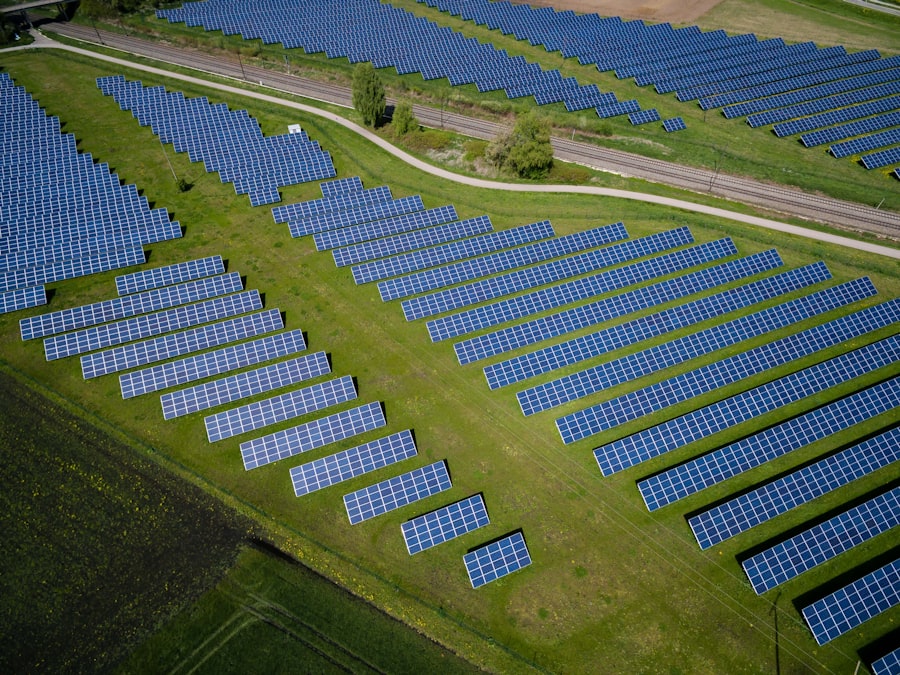
To ensure responsible disposal of solar panels, it is essential for you to stay informed about local regulations and best practices. Many regions have specific guidelines regarding electronic waste disposal, including solar panels, which aim to protect both public health and the environment. By familiarizing yourself with these regulations, you can make informed decisions about how to handle your old panels when they reach the end of their life cycle.
In addition to understanding regulations, you should also consider engaging with local community initiatives focused on sustainability and waste management. Many communities host events or workshops that educate residents about proper disposal methods for various types of waste, including solar panels. By participating in these initiatives, you not only gain valuable knowledge but also contribute to a collective effort toward responsible waste management in your area.
The Role of Manufacturers in Solar Panel Recycling
Manufacturers play a pivotal role in the lifecycle of solar panels, particularly when it comes to recycling efforts. As a consumer or installer, you may not always think about how manufacturers can influence recycling practices; however, their commitment to sustainability can significantly impact the industry as a whole. Many manufacturers are now taking proactive steps to design products with recyclability in mind, ensuring that materials used in their panels can be easily recovered at the end of their life.
Furthermore, some manufacturers have established take-back programs that allow consumers to return old panels directly to them for recycling. This initiative not only simplifies the disposal process for you but also demonstrates a commitment to environmental responsibility on the part of the manufacturer. By supporting companies that prioritize sustainable practices and actively participate in recycling efforts, you contribute to a more circular economy within the solar industry.
Government Regulations and Solar Panel Recycling
Government regulations play an essential role in shaping the landscape of solar panel recycling. As awareness grows about the environmental impacts associated with improper disposal, many governments are implementing policies aimed at promoting responsible recycling practices. These regulations often include requirements for manufacturers to take responsibility for their products at the end of their life cycle, encouraging them to develop effective recycling programs.
You may find that some regions have adopted extended producer responsibility (EPR) laws specifically targeting solar panels and other electronic waste. These laws require manufacturers to manage the collection and recycling of their products once they are no longer usable. By supporting such regulations through advocacy or participation in public discussions, you can help drive positive change in your community and ensure that solar panel recycling becomes an integral part of sustainable energy practices.
The Benefits of Participating in Solar Panel Recycling Programs
Participating in solar panel recycling programs offers numerous benefits beyond just environmental protection. For you as an individual or business owner, engaging in these programs can enhance your reputation as a responsible consumer committed to sustainability. By choosing to recycle your old panels rather than disposing of them improperly, you demonstrate your dedication to reducing waste and conserving resources.
Additionally, many recycling programs provide incentives for participation, such as discounts on new purchases or credits toward future services. These benefits can make it more appealing for you to engage with recycling initiatives while also contributing positively to your community’s sustainability goals. Ultimately, participating in solar panel recycling programs not only helps protect the environment but also fosters a culture of responsibility and innovation within the renewable energy sector.
Challenges and Opportunities in Solar Panel Recycling
While there are significant benefits associated with solar panel recycling, challenges remain that must be addressed to fully realize its potential. One major challenge is the lack of standardized processes across different regions and facilities. As you explore recycling options, you may encounter varying levels of service quality and efficiency depending on where you live.
This inconsistency can create confusion for consumers seeking reliable solutions for disposing of their old panels. However, these challenges also present opportunities for growth and improvement within the industry. As awareness increases about the importance of solar panel recycling, there is potential for innovation in technology and processes that streamline recycling efforts.
By investing in research and development focused on improving efficiency and effectiveness in recycling methods, stakeholders can work together to create a more robust infrastructure for managing end-of-life solar panels.
The Future of Solar Panel Recycling
Looking ahead, the future of solar panel recycling appears promising as more individuals and organizations recognize its importance within the renewable energy landscape. You may find that advancements in technology will lead to more efficient methods for recovering materials from old panels while minimizing environmental impact. As research continues into new ways to recycle complex materials found in solar technology, we can expect significant improvements in both processes and outcomes.
Moreover, as government regulations evolve and public awareness grows, there will likely be increased collaboration among manufacturers, recyclers, and consumers like yourself. This collective effort will help establish a more sustainable framework for managing end-of-life solar panels while promoting responsible practices throughout the industry. By staying informed and engaged with these developments, you can play an active role in shaping a brighter future for solar energy and its associated recycling efforts.
If you are interested in learning about emerging solar technologies, you may want to check out this article on solar-powered windows. These innovative windows are a great way to harness solar energy and reduce your carbon footprint. Additionally, if you are considering installing solar panels on your RV, this article on solar panels for RVs provides valuable information on how to make your vehicle more sustainable. And for those looking to navigate the permitting and regulations involved in solar panel installation, this article on solar panel installation permitting and regulations offers guidance on how to ensure a smooth and compliant process.
FAQs
What is solar panel recycling?
Solar panel recycling is the process of recovering and reusing materials from old or damaged solar panels to reduce waste and environmental impact.
Why is solar panel recycling important?
Solar panel recycling is important because it helps to reduce the environmental impact of solar panel disposal, conserves valuable resources, and reduces the need for raw materials.
How are solar panels recycled?
Solar panels are typically recycled by first removing the glass, aluminum, and other materials. The remaining silicon wafers and other components are then processed to extract valuable materials for reuse.
What materials are recovered during solar panel recycling?
During solar panel recycling, materials such as glass, aluminum, silicon wafers, and other metals can be recovered and reused.
Are there specific recycling programs for solar panels?
Yes, there are specific recycling programs and facilities that specialize in the recycling of solar panels. These programs ensure responsible disposal and recovery of valuable materials.
How can I ensure responsible disposal of solar panels?
To ensure responsible disposal of solar panels, you can contact a certified recycling facility or program that specializes in solar panel recycling. Many solar panel manufacturers also offer take-back and recycling programs for their products.