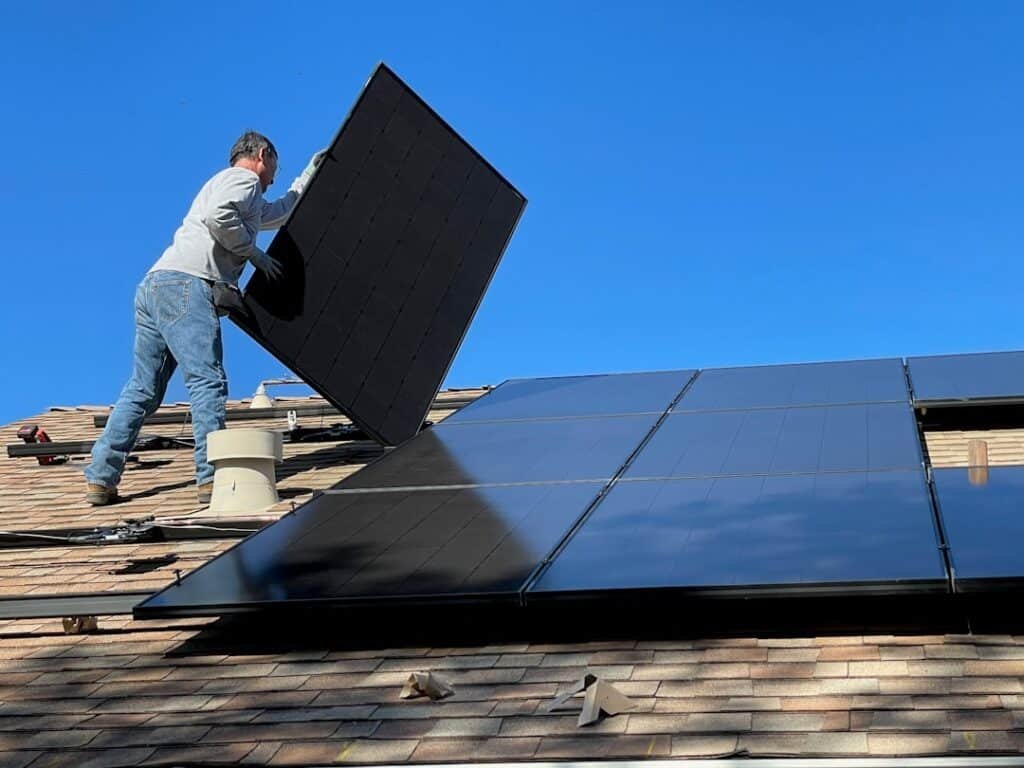
As a property owner, you may be considering the installation of solar panels on your rental properties. This decision can yield numerous benefits, not only for you as the landlord but also for your tenants. One of the most significant advantages is the potential for reduced energy costs.
By harnessing solar energy, you can lower utility bills, which can be a major selling point for prospective tenants. Many renters are increasingly eco-conscious and actively seek out properties that utilize renewable energy sources. By installing solar panels, you position your rental property as an environmentally friendly option, appealing to a broader audience.
Moreover, solar panel installation can enhance the overall value of your property. Properties equipped with solar energy systems often attract higher rental rates and can lead to increased demand in the market. This is particularly true in areas where sustainability is prioritized.
Additionally, solar panels can provide a hedge against rising energy prices, ensuring that your rental income remains stable over time. As energy costs continue to fluctuate, having a solar system in place can offer peace of mind, knowing that you are less vulnerable to external economic pressures.
Key Takeaways
- Solar panel installation can increase the value of rental properties and attract environmentally conscious tenants.
- Assess the feasibility of solar panel installation by considering factors such as property location, roof condition, and energy usage.
- Choose the right solar panel system by evaluating the property’s energy needs, available space, and budget.
- Find qualified solar panel installation companies by researching their experience, certifications, and customer reviews.
- Understand the costs and financial incentives of solar panel installation, including tax credits and rebates, to make an informed decision.
Assessing the Feasibility of Solar Panel Installation for Your Rental Property
Before diving into the installation process, it’s crucial to assess whether solar panels are a feasible option for your rental property. Start by evaluating the location and orientation of your building. Properties that receive ample sunlight throughout the day are ideal candidates for solar panel installation.
You should also consider any potential obstructions, such as trees or neighboring buildings, that could cast shadows on your roof and reduce the efficiency of the solar system. Next, take into account the structural integrity of your property. Older buildings may require upgrades to support the weight and installation of solar panels.
It’s wise to consult with a professional to conduct a thorough inspection of your roof and ensure it can accommodate the new system. Additionally, consider local regulations and zoning laws that may impact your ability to install solar panels. Understanding these factors will help you make an informed decision about whether solar energy is a viable option for your rental property.
Choosing the Right Solar Panel System for Your Rental Property

Once you’ve determined that solar panel installation is feasible, the next step is selecting the right system for your rental property. There are various types of solar panels available on the market, each with its own advantages and disadvantages. For instance, monocrystalline panels are known for their high efficiency and sleek appearance, making them a popular choice among homeowners.
On the other hand, polycrystalline panels tend to be more affordable but may require more space due to their lower efficiency. In addition to panel type, consider the size of the system you need based on your energy consumption and budget. A larger system may generate more electricity but will also come with higher upfront costs.
It’s essential to strike a balance between your energy needs and financial constraints. Consulting with a solar energy expert can provide valuable insights into which system will best suit your property’s requirements and help you maximize your investment.
Finding Qualified Solar Panel Installation Companies
Finding a reputable solar panel installation company is crucial to ensuring a successful project. Start by researching local companies that specialize in solar energy systems. Look for businesses with positive reviews and testimonials from previous clients.
A strong track record in customer service and quality workmanship is essential when selecting an installer. Additionally, consider obtaining multiple quotes from different companies to compare pricing and services offered. During this process, don’t hesitate to ask questions about their experience, certifications, and warranties.
A qualified installer should be able to provide you with detailed information about their qualifications and the specific products they use. This due diligence will help you choose a company that aligns with your expectations and ensures a smooth installation process.
Understanding the Costs and Financial Incentives for Solar Panel Installation
The costs associated with solar panel installation can vary significantly based on several factors, including system size, type of panels, and installation complexity. It’s essential to have a clear understanding of these costs before proceeding with your project. While the initial investment may seem daunting, it’s important to consider the long-term savings on energy bills and potential increases in property value.
In many regions, financial incentives are available to offset some of the costs associated with solar panel installation. These incentives can come in the form of tax credits, rebates, or grants offered by local or federal governments. Researching these options can significantly reduce your out-of-pocket expenses and improve your return on investment.
Additionally, some utility companies offer programs that allow you to sell excess energy back to the grid, providing an additional revenue stream.
Communicating with Tenants about Solar Panel Installation

Effective communication with your tenants regarding solar panel installation is vital for fostering a positive relationship and ensuring their understanding of the benefits involved. Begin by informing them about your plans well in advance of the installation date. Explain how the solar panels will impact their utility bills and overall living experience in the property.
Encourage open dialogue by inviting questions or concerns from your tenants. Addressing any apprehensions they may have about construction noise or temporary disruptions during installation will help alleviate potential tensions. Additionally, consider hosting an informational session where tenants can learn more about solar energy and its benefits firsthand.
This proactive approach not only keeps tenants informed but also demonstrates your commitment to enhancing their living environment.
Obtaining Permits and Meeting Legal Requirements for Solar Panel Installation
Before proceeding with solar panel installation, it’s essential to navigate the legal landscape surrounding permits and regulations in your area. Most municipalities require permits for solar installations to ensure compliance with building codes and safety standards. Research local regulations regarding zoning laws, building permits, and any specific requirements related to solar energy systems.
Engaging with local authorities early in the process can help streamline this aspect of your project. They can provide guidance on necessary documentation and inspections required before installation begins. Ensuring that all legal requirements are met not only protects you as a property owner but also guarantees that your tenants will benefit from a safe and compliant energy system.
Planning for Maintenance and Repairs of Solar Panel Systems
Once your solar panel system is installed, it’s important to plan for ongoing maintenance and potential repairs. While solar panels are generally low-maintenance, they do require periodic cleaning and inspections to ensure optimal performance. Dust, debris, or snow accumulation can hinder their efficiency, so establishing a regular maintenance schedule is advisable.
Additionally, familiarize yourself with warranty terms provided by the manufacturer or installer regarding repairs or replacements. Understanding these details will help you address any issues promptly should they arise. By proactively managing maintenance tasks, you can extend the lifespan of your solar system and maximize its benefits for both you and your tenants.
Evaluating the Impact of Solar Panel Installation on Property Value
The installation of solar panels can have a significant impact on your rental property’s value. Numerous studies have shown that homes equipped with solar energy systems tend to sell at higher prices compared to those without them. This trend is increasingly relevant in today’s market as more buyers prioritize sustainability and energy efficiency in their purchasing decisions.
As a landlord, understanding this potential increase in property value can inform your long-term investment strategy. If you ever decide to sell your rental property, having a solar panel system in place could make it more attractive to prospective buyers, ultimately leading to a quicker sale at a favorable price point.
Exploring Financing Options for Solar Panel Installation
Financing options play a crucial role in making solar panel installation more accessible for property owners like yourself. Various financing models exist, including cash purchases, loans, leases, or power purchase agreements (PPAs). Each option has its own set of advantages and considerations that can impact your financial situation.
If you prefer not to make a large upfront investment, leasing or entering into a PPA may be appealing as they often require little to no initial payment while allowing you to benefit from reduced energy costs immediately. On the other hand, if you have the capital available, purchasing the system outright can lead to greater long-term savings and ownership benefits. Evaluating these options carefully will help you choose a financing solution that aligns with your financial goals.
Leveraging Solar Panel Installation for Marketing and Tenant Attraction
Finally, once you’ve installed solar panels on your rental property, leverage this feature as a marketing tool to attract tenants. Highlighting the eco-friendly aspects of your property in listings can set it apart from others in a competitive market. Use phrases like “energy-efficient” or “sustainable living” in your advertisements to appeal to environmentally conscious renters.
Consider creating informative materials that explain how solar energy works and its benefits for tenants’ monthly expenses. You might even host open houses where potential renters can see the solar system in action or learn more about its advantages firsthand. By effectively marketing your property’s green features, you not only enhance its appeal but also contribute positively to environmental sustainability efforts in your community.
In conclusion, installing solar panels on rental properties presents numerous benefits that extend beyond mere cost savings. By understanding these advantages and navigating the complexities involved in installation and maintenance, you position yourself as a forward-thinking landlord who values sustainability while enhancing tenant satisfaction and property value.
If you are interested in learning more about sustainable practices in solar installation and how to minimize construction and operational impacts, check out this informative article on sustainable practices in solar installation. This article provides valuable insights into how solar panel installation can be done in an environmentally friendly way.
FAQs
What are the benefits of installing solar panels on rental properties?
Installing solar panels on rental properties can help landlords save money on electricity bills, attract environmentally conscious tenants, and increase the property’s value.
Are there any incentives or rebates available for installing solar panels on rental properties?
Yes, there are various incentives and rebates available for installing solar panels, including federal tax credits, state and local incentives, and utility rebates.
Can landlords pass on the cost of solar panel installation to tenants?
Landlords can include the cost of solar panel installation in the rent, but they must comply with local rental laws and regulations. It’s important to communicate any changes in rent to tenants and ensure that the rental agreement reflects the inclusion of solar panel costs.
What are the considerations for installing solar panels on rental properties?
Landlords should consider the property’s location, orientation, shading, and roof condition before installing solar panels. They should also assess the potential return on investment and consult with a qualified solar installer.
What are the maintenance requirements for solar panels on rental properties?
Solar panels generally require minimal maintenance, such as periodic cleaning and inspections. Landlords should include the maintenance responsibilities in the rental agreement and communicate them to tenants.