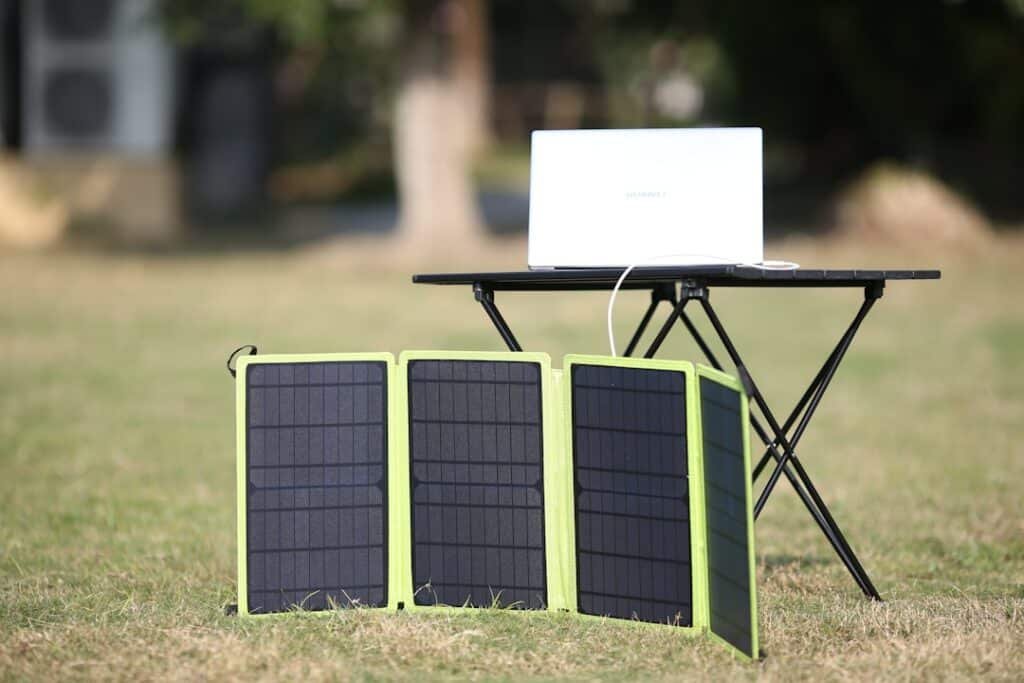
When you think about solar installation, you might envision large panels soaking up the sun’s rays on rooftops or in open fields. In reality, solar installation is a comprehensive process that involves several steps, from assessing your energy needs to the final setup of solar panels. The first step typically involves a site assessment, where professionals evaluate your property to determine the best placement for solar panels.
This assessment considers factors such as roof orientation, shading from trees or buildings, and the overall energy consumption of your household. Understanding these elements is crucial, as they directly impact the efficiency and effectiveness of your solar energy system. Once the assessment is complete, the next phase involves designing a solar energy system tailored to your specific needs.
This design process includes selecting the right type of solar panels, inverters, and other necessary components. You may also need to consider whether you want a grid-tied system, which connects to the local utility grid, or an off-grid system that operates independently. Each option has its advantages and disadvantages, and understanding these can help you make an informed decision.
After finalizing the design, the installation team will schedule a date to begin the physical installation of the solar panels and associated equipment.
Key Takeaways
- Solar installation involves the process of setting up solar panels to harness the sun’s energy and convert it into electricity for residential or commercial use.
- The benefits of solar energy include cost savings on electricity bills, reduced carbon footprint, and potential tax incentives or rebates.
- Chandler, AZ, has favorable conditions for solar installation, with abundant sunshine and state incentives for renewable energy.
- Payment plans for solar installation can include options such as leasing, loans, or power purchase agreements to make the transition to solar energy more affordable.
- Eligibility for payment plans may depend on factors such as credit score, income, and property ownership.
Benefits of Solar Energy
Switching to solar energy offers a multitude of benefits that can significantly enhance your lifestyle and financial situation. One of the most compelling advantages is the potential for substantial savings on your electricity bills. By harnessing the power of the sun, you can generate your own electricity, reducing or even eliminating your reliance on traditional energy sources.
This not only saves you money but also protects you from fluctuating energy prices. Over time, these savings can accumulate to a significant amount, making solar energy an economically sound investment. In addition to financial benefits, solar energy is also an environmentally friendly choice.
By opting for solar power, you are reducing your carbon footprint and contributing to a cleaner planet. Solar energy is renewable and sustainable, meaning it won’t deplete natural resources or contribute to pollution in the same way fossil fuels do. This shift towards renewable energy sources is crucial in combating climate change and promoting a healthier environment for future generations.
By choosing solar energy, you are not just making a smart financial decision; you are also taking a stand for environmental sustainability.
Solar Installation in Chandler, AZ
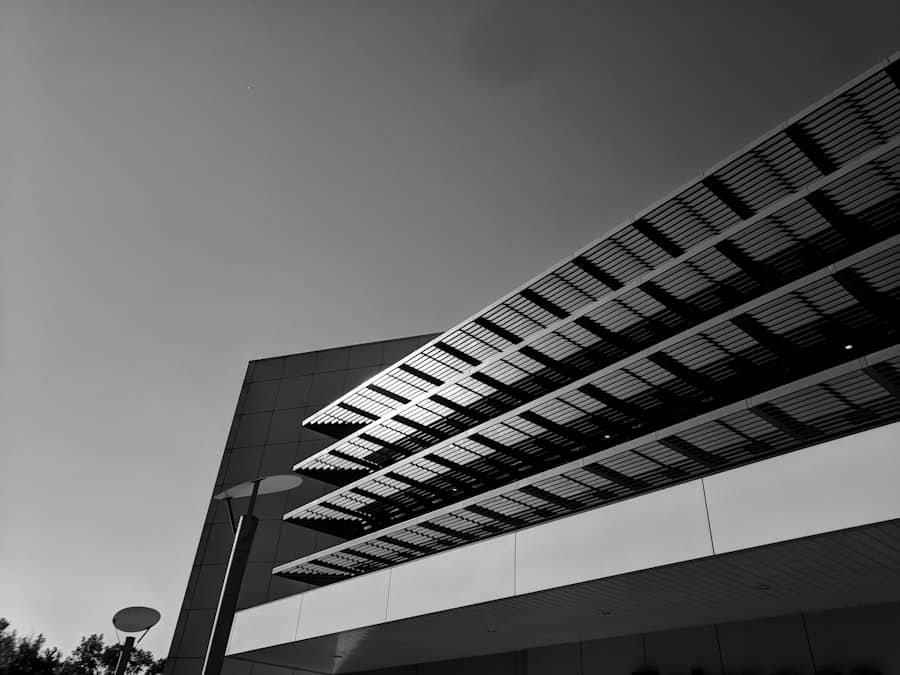
Chandler, Arizona, is an ideal location for solar installation due to its abundant sunshine and favorable climate conditions. With an average of over 300 sunny days per year, residents can take full advantage of solar energy to power their homes. The local government has also been supportive of renewable energy initiatives, offering various incentives and rebates to encourage homeowners to make the switch to solar.
This combination of natural resources and supportive policies makes Chandler a prime location for solar installation. When considering solar installation in Chandler, it’s essential to work with local professionals who understand the unique challenges and opportunities presented by the area. Local installers are familiar with state regulations, permitting processes, and available incentives that can help streamline your transition to solar energy.
They can also provide insights into the best types of solar systems for your specific needs and ensure that your installation complies with local building codes. By choosing a local installer, you can benefit from their expertise and experience in navigating the solar landscape in Chandler.
Payment Plans for Solar Installation
One of the most significant barriers to adopting solar energy can be the upfront costs associated with installation. However, many companies offer flexible payment plans designed to make solar more accessible for homeowners like you. These payment plans allow you to spread out the cost of installation over time, making it easier to manage your budget while still enjoying the benefits of solar energy.
Depending on the provider, these plans may include options such as monthly payments or financing through third-party lenders. Payment plans can vary widely in terms of structure and terms, so it’s essential to carefully review your options before making a decision. Some plans may require little or no down payment, while others might offer lower monthly payments in exchange for a longer repayment period.
Understanding these details will help you choose a plan that aligns with your financial situation and long-term goals. Additionally, many payment plans are designed to be flexible, allowing you to adjust your payments if your financial circumstances change.
Financing Options for Solar Installation
In addition to payment plans, there are various financing options available for those looking to install solar panels. These options can help alleviate the financial burden of upfront costs while still allowing you to benefit from renewable energy. One popular financing option is a solar loan, which allows you to borrow money specifically for the purpose of installing solar panels.
These loans often come with competitive interest rates and flexible repayment terms, making them an attractive choice for many homeowners. Another financing option is leasing solar panels. With a lease agreement, you essentially rent the solar equipment from a provider for a set period, typically 20 years.
During this time, you pay a monthly fee that is often lower than your previous electricity bills. At the end of the lease term, you may have the option to purchase the system at a reduced price or renew the lease. This option can be particularly appealing if you want to avoid upfront costs while still enjoying the benefits of solar energy.
Eligibility for Payment Plans
Before diving into payment plans for solar installation, it’s essential to understand the eligibility criteria that may apply. Generally speaking, most providers will assess your creditworthiness as part of their evaluation process. A good credit score can open up more favorable terms and lower interest rates on financing options.
However, even if your credit isn’t perfect, there may still be options available for you; some companies specialize in working with individuals who have less-than-ideal credit histories. In addition to credit assessments, providers may also consider your income level and overall financial situation when determining eligibility for payment plans. They want to ensure that you can comfortably manage monthly payments without straining your budget.
It’s advisable to gather relevant financial documents before applying for a payment plan so that you can provide accurate information during the application process.
How to Apply for Payment Plans
Applying for payment plans for solar installation is typically a straightforward process that can often be completed online or over the phone. The first step usually involves reaching out to a solar provider or installer who offers payment plans that suit your needs. During this initial consultation, you’ll discuss your energy requirements and financial situation so that they can recommend appropriate options.
Once you’ve selected a payment plan that works for you, you’ll need to complete an application form that includes personal information such as your name, address, income details, and credit history. Some providers may also require documentation like pay stubs or tax returns to verify your financial status. After submitting your application, it usually takes a few days for the provider to review it and determine whether you’re approved for the plan you’ve chosen.
Cost of Solar Installation in Chandler, AZ
The cost of solar installation in Chandler can vary significantly based on several factors including system size, type of equipment used, and installation complexity. On average, homeowners in Chandler can expect to pay between $15,000 and $25,000 for a complete solar panel system before any incentives or rebates are applied. However, this initial investment can lead to substantial savings over time through reduced electricity bills and potential tax credits.
It’s important to note that various incentives may be available at both state and federal levels that can help offset these costs. For instance, Arizona offers tax credits for residential solar installations that can significantly reduce your overall expenditure. Additionally, federal tax incentives allow homeowners to deduct a percentage of their installation costs from their federal taxes.
By taking advantage of these incentives, you can make solar installation more affordable and financially viable.
Choosing the Right Payment Plan
Selecting the right payment plan for your solar installation is crucial in ensuring that it fits seamlessly into your financial landscape. Start by evaluating your budget and determining how much you can comfortably allocate toward monthly payments without compromising other essential expenses. Consider factors such as your current electricity bills and how much you expect those costs will decrease once you switch to solar energy.
Next, compare different payment plans offered by various providers in Chandler. Look at interest rates, repayment terms, and any additional fees associated with each plan. It may also be beneficial to consult with financial advisors or trusted friends who have experience with solar installations to gain insights into what worked best for them.
Ultimately, choosing a payment plan should align with both your short-term financial capabilities and long-term goals regarding renewable energy.
Terms and Conditions of Payment Plans
Before committing to any payment plan for solar installation, it’s essential to thoroughly review the terms and conditions associated with it. These documents outline important details such as interest rates, repayment schedules, penalties for late payments, and any fees that may apply throughout the duration of the plan. Understanding these terms will help you avoid any surprises down the line and ensure that you’re fully aware of your obligations.
Additionally, some payment plans may include clauses regarding early repayment or refinancing options if your financial situation changes in the future. Knowing these details can provide peace of mind as you navigate your transition to solar energy. If anything is unclear or seems unfavorable in the terms provided by a lender or installer, don’t hesitate to ask questions or seek clarification before signing any agreements.
Making the Switch to Solar Energy
Making the switch to solar energy is not just about installing panels; it’s about embracing a sustainable lifestyle that benefits both you and the environment. As you embark on this journey toward renewable energy, take time to educate yourself about how solar systems work and how they can integrate into your daily life. Understanding how much energy you consume and how much you can generate will empower you as a homeowner.
Once you’ve made the decision to go solar and have chosen an installer and payment plan that suits your needs, prepare yourself for an exciting transformation in how you power your home. The process may take some time—from installation to activation—but once everything is up and running, you’ll likely feel a sense of accomplishment knowing that you’ve made a positive impact on both your finances and the planet’s health. Embrace this change wholeheartedly; after all, you’re not just investing in technology—you’re investing in a brighter future for generations to come.
If you’re considering solar installation in Chandler, AZ, you might be interested in exploring various payment plans available to make the transition more affordable. For additional insights on solar panel installation, including maintenance and troubleshooting tips, check out this informative article on solar panel installation, maintenance, and troubleshooting. This resource can help you understand the long-term benefits and responsibilities associated with your solar investment.
FAQs
What are the payment options available for solar installation in Chandler, AZ?
There are various payment options available for solar installation in Chandler, AZ, including upfront payment, solar loans, solar leases, and power purchase agreements (PPAs).
What is an upfront payment for solar installation?
An upfront payment for solar installation involves paying the full cost of the solar system at the time of installation. This option allows homeowners to enjoy the benefits of solar energy without monthly payments.
What are solar loans?
Solar loans are a financing option that allows homeowners to borrow money to pay for their solar installation and then repay the loan over time, typically with a fixed interest rate.
What is a solar lease?
A solar lease is a payment option where homeowners lease the solar panels from a solar company and pay a fixed monthly amount for the use of the system. The solar company retains ownership of the panels and is responsible for maintenance and repairs.
What is a power purchase agreement (PPA)?
A power purchase agreement (PPA) is a financing arrangement where a third-party solar provider installs and maintains the solar panels on a homeowner’s property, and the homeowner agrees to purchase the solar power generated at a predetermined rate.
Are there any incentives or rebates available for solar installation in Chandler, AZ?
Yes, there are various incentives and rebates available for solar installation in Chandler, AZ, including federal tax credits, state and local incentives, and utility rebates. These incentives can help offset the cost of solar installation and make it more affordable for homeowners.