
When you invest in solar energy, one of the most crucial aspects to grasp is the solar production report. This document serves as a comprehensive overview of how much energy your solar panels are generating over a specific period. It typically includes metrics such as kilowatt-hours (kWh) produced, peak production times, and performance ratios.
By familiarizing yourself with these reports, you can gain valuable insights into the efficiency of your solar system and its overall contribution to your energy needs. Understanding these reports is not just about numbers; it’s about interpreting what those numbers mean for your home or business. For instance, if you notice a significant drop in energy production during a particular month, it could indicate seasonal variations or potential issues with your solar panels.
By regularly reviewing your solar production reports, you can stay informed about your system’s performance and make necessary adjustments to optimize energy generation.
Key Takeaways
- Solar production reports provide valuable data on the amount of energy generated by solar panels over a specific period of time.
- Interpreting solar panel output involves understanding the factors that can affect energy production, such as weather conditions and panel orientation.
- Analyzing energy consumption alongside solar production data can help identify patterns and optimize energy usage.
- Comparing expected vs. actual output can reveal discrepancies and potential issues with the solar panel system.
- Identifying potential issues early on is crucial for maintaining and maximizing solar efficiency in the long run.
Interpreting Solar Panel Output
Interpreting the output of your solar panels involves more than just looking at the total energy produced. You need to consider various factors that can influence performance, such as weather conditions, shading from trees or buildings, and the angle of your panels. For example, on cloudy days, you might see a noticeable dip in output, which is entirely normal.
Understanding these fluctuations helps you set realistic expectations for your solar energy system. Moreover, it’s essential to recognize the significance of peak production hours. These are the times when your solar panels generate the most electricity, typically around midday when the sun is at its highest point.
By analyzing your output data, you can identify these peak hours and adjust your energy consumption accordingly. For instance, running high-energy appliances during these times can maximize the benefits of your solar system and reduce reliance on grid electricity.
Analyzing Energy Consumption
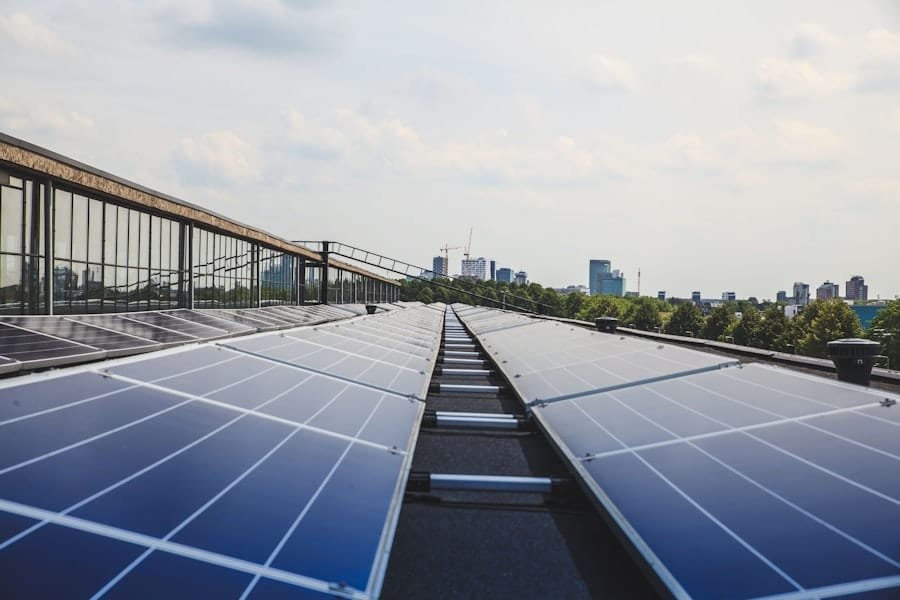
To fully appreciate the benefits of your solar energy system, you must also analyze your energy consumption patterns. This involves tracking how much electricity you use daily, weekly, and monthly. By comparing this data with your solar production reports, you can determine how much of your energy needs are being met by your solar panels versus what you draw from the grid.
This analysis is crucial for understanding the financial savings and environmental impact of your solar investment. Additionally, examining your energy consumption can reveal opportunities for improvement. If you notice that your usage spikes during certain times or seasons, you might consider implementing energy-efficient practices or investing in smart home technology.
By aligning your consumption habits with your solar production capabilities, you can enhance the overall efficiency of your energy system and maximize savings on your utility bills.
One of the most telling aspects of managing a solar energy system is comparing expected output with actual performance. When you first installed your solar panels, you likely received projections based on factors like location, panel efficiency, and system size. Over time, it’s essential to measure how closely your actual output aligns with these expectations.
This comparison can help you identify trends and assess whether your system is performing as anticipated. If you find that your actual output consistently falls short of expectations, it may be time to investigate further. Factors such as dirt accumulation on panels, inverter issues, or even changes in local regulations can impact performance.
By keeping a close eye on this comparison, you can take proactive steps to address any discrepancies and ensure that your solar investment continues to meet your energy needs effectively.
Identifying Potential Issues
As a solar panel owner, being vigilant about potential issues is vital for maintaining optimal performance. Regularly reviewing your solar production reports and output data can help you spot anomalies that may indicate underlying problems. For instance, if you notice a sudden drop in production without an apparent cause, it could signal an issue with the inverter or a malfunctioning panel.
Additionally, environmental factors can also play a role in performance issues. Overhanging branches may cast shadows on your panels during peak sunlight hours, reducing their efficiency. Similarly, dirt and debris accumulation can hinder light absorption.
By being proactive in identifying these potential issues, you can take corrective action before they lead to significant losses in energy production.
Maximizing Solar Efficiency
Maximizing the efficiency of your solar energy system requires a combination of regular maintenance and strategic planning. One effective way to enhance performance is by ensuring that your panels are clean and free from obstructions. Regularly washing the panels or hiring a professional cleaning service can significantly improve their ability to capture sunlight and convert it into usable energy.
In addition to physical maintenance, consider optimizing the placement and angle of your solar panels. If possible, adjust their orientation to capture maximum sunlight throughout the day. You might also explore advanced technologies such as solar trackers that automatically adjust the angle of the panels based on the sun’s position.
By taking these steps, you can significantly increase the efficiency of your solar system and enjoy greater returns on your investment.
Utilizing Solar Production Data
The data generated by your solar production system is a valuable resource that goes beyond mere numbers; it can inform decisions about energy usage and future investments. By analyzing this data over time, you can identify patterns that help you understand when to use electricity most efficiently. For example, if you notice that production peaks during certain months, you might plan to run high-energy appliances during those times to maximize savings.
Furthermore, this data can be instrumental if you’re considering expanding your solar system or adding battery storage for excess energy. Understanding how much energy you typically produce versus consume will guide you in making informed decisions about additional investments. By leveraging this information effectively, you can enhance both the financial and environmental benefits of your solar energy system.
Monitoring Long-Term Trends
Monitoring long-term trends in solar production and energy consumption is essential for assessing the overall effectiveness of your solar investment. Over time, you’ll want to track how changes in seasons affect production levels and how improvements in technology might enhance efficiency. This long-term perspective allows you to make informed decisions about maintenance schedules and potential upgrades.
Additionally, keeping an eye on long-term trends can help you anticipate future energy needs as your household or business evolves. For instance, if you’re planning to add electric vehicles or expand appliances that consume more power, understanding historical data will enable you to evaluate whether your current system can accommodate these changes or if an upgrade is necessary. By taking a proactive approach to monitoring trends, you can ensure that your solar energy system continues to meet your needs effectively for years to come.
If you are interested in learning more about solar power financing and incentives, you may want to check out this article on Solar Renewable Energy Certificates (SRECs). SRECs are a way for solar power system owners to earn additional income by selling the environmental benefits of their solar energy production. Understanding how SRECs work can help you maximize the financial benefits of your solar investment.
FAQs
What is a solar production report?
A solar production report is a document that provides detailed information about the amount of electricity generated by a solar energy system over a specific period of time.
What information is typically included in a solar production report?
A solar production report typically includes data on the total energy production, peak production times, energy usage, and any potential issues or maintenance needs.
How often are solar production reports generated?
Solar production reports are typically generated on a monthly basis, but some systems may provide daily or weekly reports as well.
Why are solar production reports important?
Solar production reports are important for monitoring the performance of a solar energy system, identifying any issues or inefficiencies, and tracking energy production for billing and incentive purposes.
How can I interpret a solar production report?
Interpreting a solar production report involves understanding the energy production data, identifying any patterns or anomalies, and comparing the report to previous periods to assess the system’s performance.
What should I do if I notice a decrease in solar production on the report?
If you notice a decrease in solar production on the report, it is important to contact your solar energy provider or installer to investigate the issue and address any potential maintenance or performance issues.