
In recent years, the world has witnessed a significant shift towards renewable energy sources, with photovoltaic technology emerging as a frontrunner in this transformation. Photovoltaic (PV) technology harnesses the power of sunlight and converts it into electricity, offering a sustainable solution to the growing energy demands of modern society. As you delve into the intricacies of this technology, you will discover its potential to revolutionize energy production and consumption, making it a vital component in the fight against climate change.
The increasing urgency to reduce carbon emissions and reliance on fossil fuels has propelled photovoltaic technology into the spotlight. With advancements in efficiency and affordability, solar energy is becoming more accessible to individuals and businesses alike. As you explore the various aspects of photovoltaic technology, you will gain a deeper understanding of how it works, its benefits and drawbacks, and its role in shaping a greener future.
Key Takeaways
- Photovoltaic technology converts sunlight into electricity using solar cells, and is a rapidly growing renewable energy source.
- Photovoltaic cells work by absorbing sunlight and generating an electric current through the photovoltaic effect.
- There are three main types of photovoltaic cells: monocrystalline, polycrystalline, and thin-film, each with their own advantages and disadvantages.
- Advantages of photovoltaic technology include clean energy production, low maintenance, and long lifespan, while disadvantages include high initial costs and dependence on sunlight.
- Photovoltaic technology has a wide range of applications, including residential and commercial solar panels, solar-powered vehicles, and portable electronic devices.
How Photovoltaic Cells Work
At the heart of photovoltaic technology are solar cells, which are designed to convert sunlight directly into electricity through a process known as the photovoltaic effect. When sunlight strikes a solar cell, it excites electrons within the material, typically silicon, causing them to move and generate an electric current. This process is facilitated by the structure of the solar cell, which consists of layers of semiconductor materials that create an electric field.
As you consider how photovoltaic cells function, it’s essential to recognize the role of photons—particles of light that carry energy. When these photons collide with the solar cell, they transfer their energy to electrons, allowing them to break free from their atomic bonds. This movement of electrons creates a flow of electricity that can be harnessed for various applications.
The efficiency of this conversion process is influenced by several factors, including the quality of the materials used and the design of the solar cell itself.
Types of Photovoltaic Cells
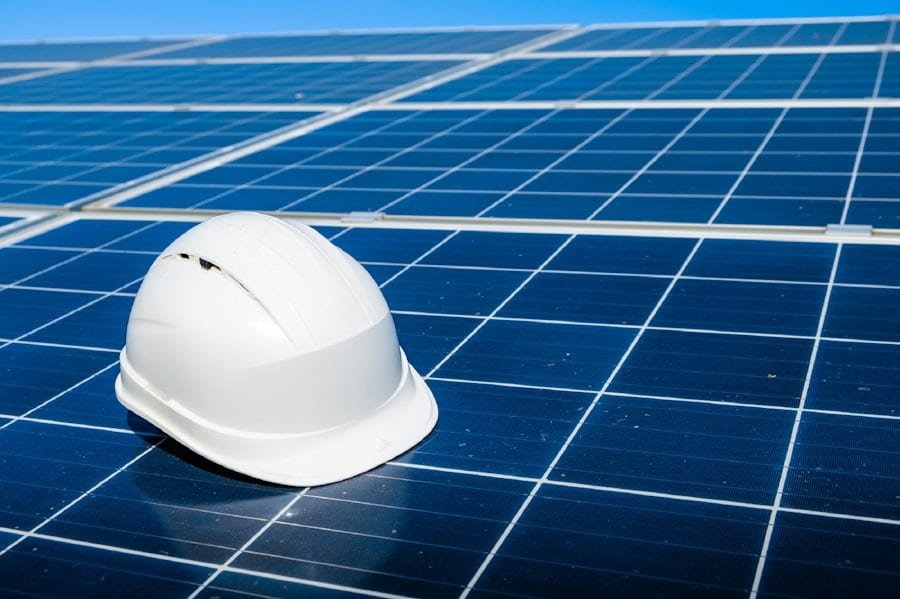
There are several types of photovoltaic cells available on the market today, each with its unique characteristics and applications. The most common types include monocrystalline, polycrystalline, and thin-film solar cells. Monocrystalline cells are made from a single crystal structure, which allows them to achieve higher efficiency rates compared to other types.
Their sleek design and space-saving attributes make them a popular choice for residential installations. On the other hand, polycrystalline cells are composed of multiple crystal structures, resulting in a slightly lower efficiency but often at a more affordable price point. These cells are recognizable by their speckled blue appearance and are commonly used in larger solar farms due to their cost-effectiveness.
Thin-film solar cells represent another category, made from layers of photovoltaic material that are only a few micrometers thick. While they tend to have lower efficiency rates, their lightweight and flexible nature allows for innovative applications in various settings.
Advantages and Disadvantages of Photovoltaic Technology
As you weigh the pros and cons of photovoltaic technology, it’s clear that its advantages are compelling. One of the most significant benefits is its ability to generate clean, renewable energy without producing harmful emissions. By harnessing sunlight, you can contribute to reducing your carbon footprint and promoting environmental sustainability.
Additionally, solar energy can lead to substantial cost savings on electricity bills over time, especially as technology continues to improve and installation costs decrease. However, it’s essential to consider the disadvantages as well. One notable drawback is the intermittent nature of solar energy; it is only available during daylight hours and can be affected by weather conditions.
This variability necessitates the use of energy storage solutions or supplementary power sources to ensure a consistent energy supply. Furthermore, while advancements have been made in reducing costs, the initial investment for solar panel installation can still be significant for some homeowners or businesses.
Applications of Photovoltaic Technology
The versatility of photovoltaic technology allows for a wide range of applications across various sectors. In residential settings, homeowners can install solar panels on rooftops to generate electricity for their homes, reducing reliance on grid power and lowering energy costs. Additionally, many businesses are adopting solar energy solutions to power their operations sustainably while enhancing their corporate social responsibility profiles.
Beyond residential and commercial use, photovoltaic technology plays a crucial role in off-grid applications. Remote areas lacking access to traditional power sources can benefit from solar energy systems that provide electricity for lighting, heating, and other essential services. Furthermore, innovative applications such as solar-powered vehicles and portable solar chargers are gaining traction, showcasing the adaptability of this technology in meeting diverse energy needs.
Factors Affecting the Efficiency of Photovoltaic Cells
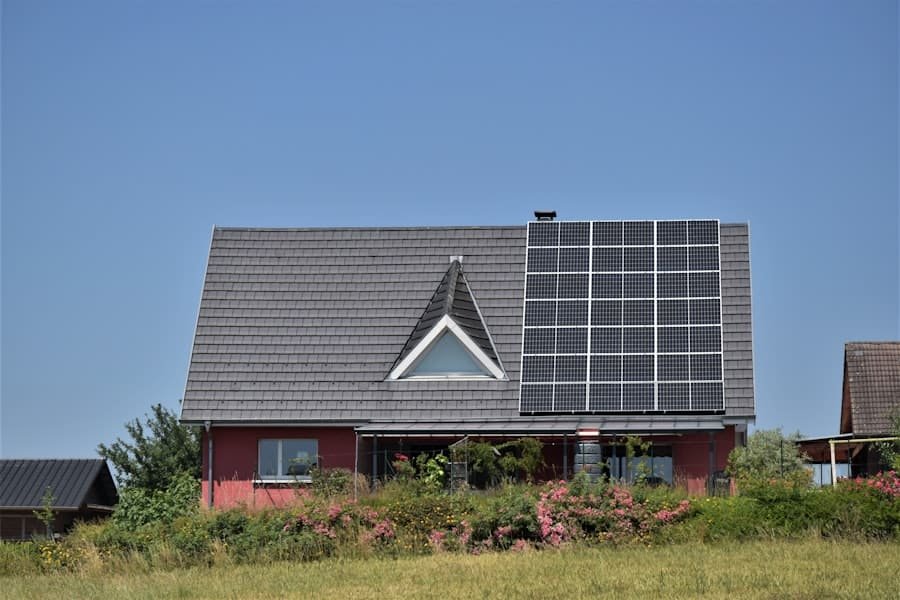
The efficiency of photovoltaic cells is influenced by several factors that can impact their overall performance. One primary factor is the quality of the materials used in manufacturing the solar cells. High-purity silicon and advanced semiconductor materials can significantly enhance efficiency rates by allowing for better electron mobility and light absorption.
Environmental conditions also play a critical role in determining how effectively photovoltaic cells operate. Factors such as temperature, shading from nearby structures or trees, and even dust accumulation on the panels can hinder performance. For instance, while cooler temperatures generally improve efficiency, excessive heat can lead to decreased output.
Understanding these variables is essential for optimizing solar energy systems and ensuring they operate at peak performance.
Future Developments in Photovoltaic Technology
As you look ahead to the future of photovoltaic technology, it becomes evident that ongoing research and innovation will continue to drive advancements in this field. Emerging technologies such as bifacial solar panels—designed to capture sunlight from both sides—are already showing promise in enhancing energy generation capabilities. Additionally, developments in perovskite solar cells offer exciting potential due to their high efficiency rates and lower production costs.
Moreover, integrating photovoltaic technology with smart grid systems is expected to revolutionize how energy is distributed and consumed. By leveraging data analytics and real-time monitoring, these systems can optimize energy usage based on demand patterns and environmental conditions. As you explore these future developments, it becomes clear that photovoltaic technology will play an increasingly vital role in creating a sustainable energy landscape.
Conclusion and Summary
In summary, photovoltaic technology represents a transformative force in the quest for renewable energy solutions. By converting sunlight into electricity through innovative processes and materials, it offers a sustainable alternative to traditional fossil fuels. As you have learned about how photovoltaic cells work, their various types, advantages and disadvantages, applications, efficiency factors, and future developments, it becomes apparent that this technology holds immense potential for addressing global energy challenges.
As society continues to prioritize sustainability and environmental responsibility, embracing photovoltaic technology will be crucial in shaping a cleaner future. Whether you are considering installing solar panels for your home or exploring its applications in larger-scale projects, understanding the intricacies of this technology will empower you to make informed decisions that contribute positively to both your energy needs and the planet’s well-being.
If you are interested in learning more about solar panel installation, testing, and commissioning, check out this informative article here. This article provides valuable insights into the process of setting up solar panels and ensuring they are functioning properly. Understanding the installation and testing procedures is crucial for maximizing the efficiency and longevity of your photovoltaic system.
FAQs
What is photovoltaic technology?
Photovoltaic technology is a method of generating electrical power by converting solar radiation into direct current electricity using semiconducting materials that exhibit the photovoltaic effect.
How does photovoltaic technology work?
Photovoltaic technology works by utilizing the photovoltaic effect, which occurs when photons from sunlight strike a photovoltaic cell and are absorbed by semiconducting materials, causing the release of electrons. These electrons are then captured and form an electric current.
What are the main components of a photovoltaic system?
The main components of a photovoltaic system include photovoltaic modules (also known as solar panels), inverters, mounting structures, and electrical wiring.
What are the advantages of photovoltaic technology?
The advantages of photovoltaic technology include its ability to generate electricity from a renewable energy source (sunlight), its low operating costs, and its minimal environmental impact compared to traditional fossil fuel-based power generation.
What are the limitations of photovoltaic technology?
The limitations of photovoltaic technology include its dependence on sunlight, which can be intermittent and variable, as well as the initial high cost of installation and the need for large surface areas to generate significant amounts of electricity.
What are the different types of photovoltaic systems?
There are three main types of photovoltaic systems: grid-tied systems, off-grid systems, and hybrid systems. Grid-tied systems are connected to the utility grid, off-grid systems operate independently, and hybrid systems combine elements of both grid-tied and off-grid systems.
What are some common applications of photovoltaic technology?
Photovoltaic technology is commonly used for residential and commercial rooftop solar installations, utility-scale solar power plants, portable solar chargers, and solar-powered water pumping systems, among other applications.