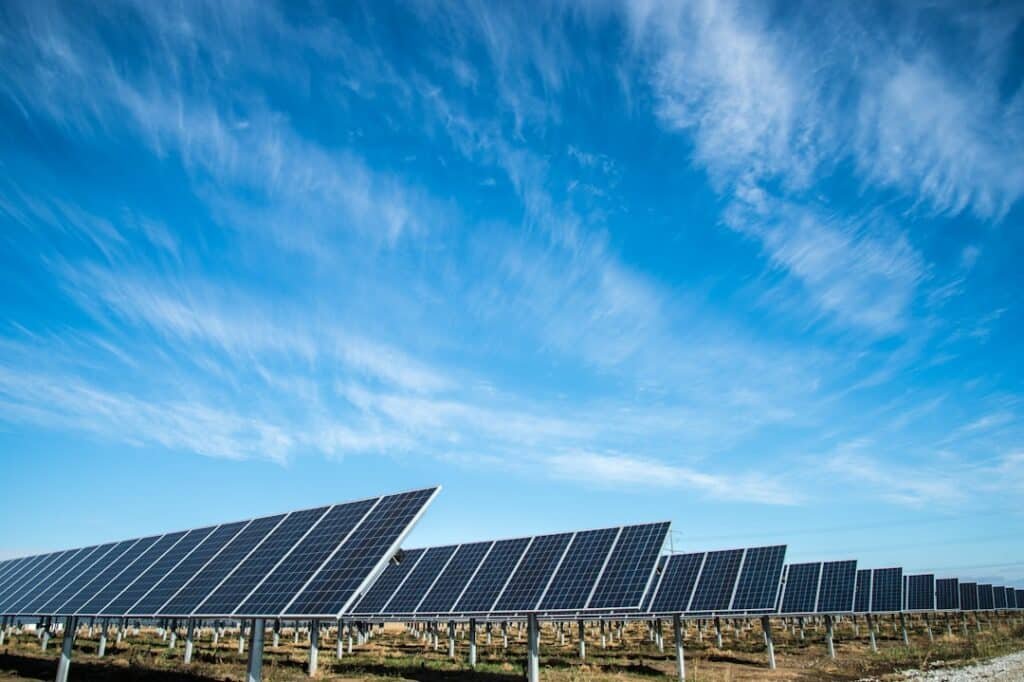
Regular maintenance of your solar energy system is crucial for ensuring its longevity and efficiency. Just like any other investment, your solar panels require attention and care to perform at their best. By committing to a routine maintenance schedule, you can prevent minor issues from escalating into significant problems that could lead to costly repairs or even system failure.
Regular checks not only enhance the performance of your solar panels but also extend their lifespan, allowing you to maximize your return on investment. Moreover, maintaining your solar energy system can significantly improve its energy output. Dust, debris, and other environmental factors can accumulate on the surface of your solar panels, obstructing sunlight and reducing their efficiency.
By regularly cleaning and inspecting your system, you ensure that it operates at optimal levels, providing you with the energy savings you expect. In essence, regular maintenance is not just about preserving your equipment; it’s about safeguarding your financial investment and ensuring that you continue to benefit from renewable energy for years to come.
Key Takeaways
- Regular maintenance is crucial for the efficient functioning of solar panels and related components.
- Checking and cleaning solar panels regularly can improve their performance and longevity.
- Inspecting and maintaining batteries is essential for storing and utilizing solar energy effectively.
- Monitoring and troubleshooting inverters can help in identifying and resolving issues promptly.
- Ensuring proper wiring and connections is vital for the safety and efficiency of the solar power system.
Checking and Cleaning Solar Panels
One of the most straightforward yet essential tasks in maintaining your solar energy system is checking and cleaning the solar panels. Over time, dirt, dust, bird droppings, and other debris can accumulate on the surface of the panels, blocking sunlight and reducing their efficiency. To keep your system performing optimally, it’s advisable to inspect the panels regularly—ideally every few months or after significant weather events.
A simple visual inspection can help you identify any visible dirt or damage that may need attention. Cleaning the panels is equally important. While rain can help wash away some debris, it often isn’t enough to keep them completely clean.
You can use a soft brush or a sponge with mild soap and water to gently scrub the surface of the panels. Avoid using abrasive materials that could scratch the glass. If you’re uncomfortable climbing onto your roof or accessing the panels yourself, consider hiring a professional cleaning service.
A clean solar panel can significantly enhance energy production, ensuring that you get the most out of your investment.
Inspecting and Maintaining Batteries

If your solar energy system includes battery storage, regular inspection and maintenance of these batteries are vital for optimal performance. Batteries are essential for storing excess energy generated during sunny days for use during cloudy periods or at night. Over time, batteries can degrade or develop issues that may affect their capacity and efficiency.
Therefore, it’s crucial to check the battery terminals for corrosion and ensure that connections are tight and secure. In addition to visual inspections, monitoring the battery’s charge levels is essential. Most modern battery systems come equipped with monitoring tools that allow you to track performance easily.
If you notice any irregularities in charging or discharging cycles, it may be time to consult a professional. Regular maintenance not only prolongs the life of your batteries but also ensures that you have a reliable energy source when you need it most.
Monitoring and Troubleshooting Inverters
The inverter is a critical component of your solar energy system, converting the direct current (DC) generated by your solar panels into alternating current (AC) for use in your home. Regular monitoring of your inverter is essential to ensure that it operates efficiently. Many inverters come with built-in monitoring systems that provide real-time data on energy production and system performance.
Familiarizing yourself with this data can help you identify any potential issues early on. If you notice a drop in energy production or any warning lights on your inverter, troubleshooting should be your next step. Common issues may include connection problems, overheating, or software glitches.
In some cases, resetting the inverter may resolve minor issues; however, if problems persist, it’s advisable to seek professional assistance. Regularly monitoring and addressing inverter issues not only ensures consistent energy production but also helps maintain the overall health of your solar energy system.
Ensuring Proper Wiring and Connections
Proper wiring and connections are fundamental to the safe and efficient operation of your solar energy system. Over time, wires can become loose or damaged due to environmental factors or wear and tear. Regularly inspecting these connections is crucial for preventing electrical hazards and ensuring optimal performance.
Look for signs of fraying or corrosion on wires and connectors, as these can lead to inefficiencies or even system failures. In addition to visual inspections, it’s essential to ensure that all connections are secure and properly insulated. Loose connections can lead to voltage drops, reducing the overall efficiency of your system.
If you’re not comfortable performing these checks yourself, consider hiring a qualified electrician who specializes in solar systems. Ensuring proper wiring and connections not only enhances safety but also maximizes the efficiency of your solar energy system.
Managing Energy Consumption

Managing your energy consumption is an integral part of maximizing the benefits of your solar energy system. Understanding how much energy you use daily can help you make informed decisions about when to use appliances or charge devices. By shifting high-energy tasks to times when your solar panels are producing maximum power—typically during daylight hours—you can reduce reliance on stored energy from batteries.
Additionally, consider implementing energy-efficient practices in your home. Upgrading to LED lighting, using smart thermostats, and investing in energy-efficient appliances can significantly reduce your overall energy consumption. By being proactive about how you use energy, you not only enhance the effectiveness of your solar system but also contribute to a more sustainable lifestyle.
Protecting Against Weather and Environmental Factors
Weather and environmental factors can significantly impact the performance of your solar energy system. Extreme weather conditions such as heavy rain, hail, or snow can cause physical damage to solar panels or other components. To protect against these elements, consider installing protective measures such as panel covers or shields designed specifically for solar systems.
Additionally, be mindful of environmental factors such as shading from trees or nearby buildings. Over time, trees may grow taller or branches may extend over your panels, blocking sunlight and reducing efficiency. Regularly assess the surrounding environment and trim back any overhanging branches that could obstruct sunlight.
By taking these precautions, you can safeguard your investment against weather-related damage and ensure consistent performance.
Seeking Professional Assistance and Support
While many maintenance tasks can be performed by homeowners, there are times when seeking professional assistance is necessary. If you encounter issues beyond your expertise—such as complex electrical problems or significant damage—it’s crucial to consult a qualified technician who specializes in solar energy systems. Professionals have the knowledge and tools required to diagnose problems accurately and implement effective solutions.
Moreover, many solar companies offer maintenance packages that include regular inspections and cleaning services. Investing in professional support can provide peace of mind knowing that experts are monitoring your system’s performance regularly. This proactive approach not only helps maintain efficiency but also extends the lifespan of your solar energy system, ensuring that you continue to enjoy its benefits for years to come.
In conclusion, maintaining your solar energy system is essential for maximizing its efficiency and longevity. By committing to regular inspections and cleaning, monitoring key components like batteries and inverters, ensuring proper wiring, managing energy consumption wisely, protecting against environmental factors, and seeking professional assistance when needed, you can safeguard your investment in renewable energy. Embracing these practices will not only enhance your system’s performance but also contribute to a more sustainable future for all.
If you are interested in learning more about the benefits of energy storage for household use, you may want to check out this article. It discusses how energy storage can enhance the efficiency and reliability of off-grid solar systems, making maintenance easier and more cost-effective. Additionally, if you are considering installing a carport solar system, you can find valuable information in this article. It highlights the advantages of utilizing solar energy in unique ways, such as through carport installations. Lastly, for those interested in exploring the various applications of solar energy, including solar-powered gadgets and devices, this article provides insightful information on how solar power can be harnessed for a wide range of purposes.
FAQs
What is an off-grid solar system?
An off-grid solar system is a standalone power system that generates electricity from solar panels and stores it in batteries for use when the sun is not shining. It is not connected to the main power grid and is commonly used in remote areas or for off-grid living.
Why is maintenance important for off-grid solar systems?
Maintenance is important for off-grid solar systems to ensure they continue to operate efficiently and reliably. Regular maintenance helps to identify and address any issues with the solar panels, batteries, and other components, and can extend the lifespan of the system.
What are some common maintenance tasks for off-grid solar systems?
Common maintenance tasks for off-grid solar systems include cleaning the solar panels to remove dirt and debris, checking and topping up the electrolyte levels in the batteries, inspecting and tightening electrical connections, and monitoring the overall performance of the system.
How often should off-grid solar systems be maintained?
The frequency of maintenance for off-grid solar systems can vary depending on factors such as the location, climate, and specific components of the system. However, it is generally recommended to perform maintenance at least once or twice a year, and more frequently in harsh or dusty environments.
What are the benefits of regular maintenance for off-grid solar systems?
Regular maintenance for off-grid solar systems can help to maximize energy production, prevent unexpected system failures, and prolong the lifespan of the components. It can also ensure that the system continues to provide reliable power for off-grid living or remote applications.