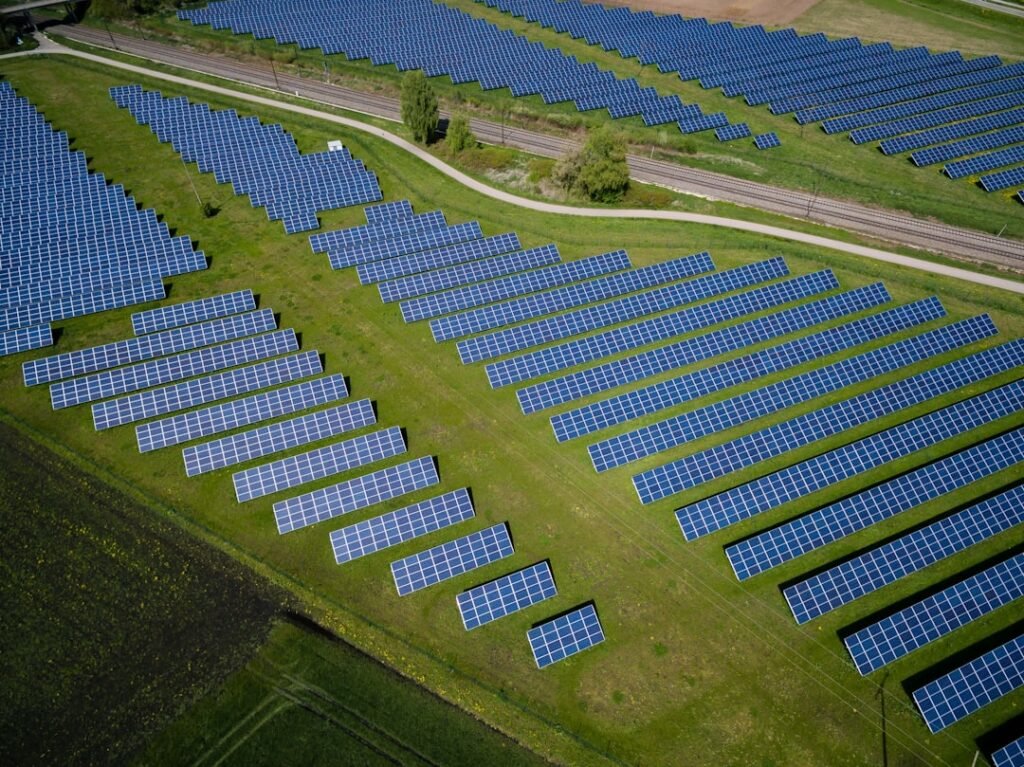
When you think about energy independence, off-grid solar systems often come to mind. These systems allow you to generate your own electricity without relying on the traditional power grid. This means you can harness the sun’s energy to power your home, cabin, or any other structure, providing a sustainable and eco-friendly alternative to conventional energy sources.
By going off-grid, you not only reduce your carbon footprint but also gain the freedom to live in remote areas where utility services may not be available. Off-grid solar systems typically consist of solar panels, batteries, and an inverter. The solar panels capture sunlight and convert it into electricity, which is then stored in batteries for use when the sun isn’t shining.
The inverter plays a crucial role by converting the stored direct current (DC) electricity into alternating current (AC), which is what most household appliances require. Understanding how these components work together is essential for anyone considering making the switch to an off-grid lifestyle.
Key Takeaways
- Off-grid solar systems are independent energy systems that are not connected to the main power grid.
- Factors to consider in off-grid solar system design include location, energy consumption, and system efficiency.
- Components of an off-grid solar system include solar panels, charge controller, battery bank, and inverter.
- Sizing and siting an off-grid solar system involves calculating energy needs and finding the best location for solar panels.
- Designing a reliable off-grid solar system requires proper maintenance, monitoring, and backup power options.
Factors to Consider in Off-Grid Solar System Design
Designing an off-grid solar system requires careful consideration of several factors. First and foremost, you need to assess your energy needs. This involves calculating your daily energy consumption based on the appliances and devices you plan to use.
By understanding your energy requirements, you can determine the size of the solar array and battery bank necessary to meet those needs. It’s important to be realistic about your consumption habits; overestimating can lead to oversizing your system, while underestimating can leave you without sufficient power. Another critical factor is your geographical location.
The amount of sunlight you receive varies significantly depending on where you live. Areas with abundant sunshine will require fewer solar panels than regions with less sunlight. Additionally, seasonal variations in sunlight can affect your energy production throughout the year.
You should also consider local weather patterns, as prolonged periods of cloud cover or rain can impact your system’s efficiency. By taking these factors into account, you can design a system that is tailored to your specific environment and energy needs.
Components of an Off-Grid Solar System

An off-grid solar system comprises several key components that work together to provide a reliable source of electricity. The most visible part is the solar panels, which are typically mounted on rooftops or ground-mounted arrays. These panels are made up of photovoltaic cells that convert sunlight into electricity.
When selecting solar panels, consider their efficiency ratings and warranties, as these factors can significantly impact the overall performance of your system. In addition to solar panels, batteries are a vital component of an off-grid system. They store excess energy generated during sunny days for use during nighttime or cloudy periods.
There are various types of batteries available, including lead-acid and lithium-ion options, each with its own advantages and disadvantages. Lead-acid batteries are generally more affordable but have a shorter lifespan compared to lithium-ion batteries, which are more efficient and longer-lasting but come at a higher initial cost. Choosing the right battery type is crucial for ensuring that your system meets your energy storage needs effectively.
Sizing and Siting an Off-Grid Solar System
Proper sizing and siting of your off-grid solar system are essential for maximizing its efficiency and effectiveness. To size your system accurately, start by calculating your total daily energy consumption in watt-hours. This will help you determine how many solar panels you need to install and how large your battery bank should be.
A common rule of thumb is to oversize your solar array slightly to account for inefficiencies and potential future increases in energy consumption. Siting refers to the physical placement of your solar panels and other components. Ideally, you want to position your panels in a location that receives maximum sunlight exposure throughout the day.
This often means placing them on a south-facing roof or on a ground mount that is free from shading by trees or buildings. Additionally, consider the angle of the panels; tilting them at an optimal angle can significantly enhance their energy production. By carefully sizing and siting your system, you can ensure that it operates at peak efficiency.
Designing a Reliable Off-Grid Solar System
Reliability is paramount when designing an off-grid solar system, as you want to ensure a consistent power supply regardless of weather conditions or seasonal changes. One way to enhance reliability is by incorporating redundancy into your system design. This could mean installing additional solar panels or batteries beyond what is strictly necessary for your current needs.
While this may increase initial costs, it provides a buffer against unexpected energy demands or equipment failures. Another important aspect of reliability is monitoring and control systems. These systems allow you to track the performance of your solar array and battery bank in real-time, helping you identify any issues before they become significant problems.
Many modern off-grid systems come equipped with smart technology that can send alerts directly to your smartphone or computer if something goes awry. By investing in monitoring solutions, you can maintain peace of mind knowing that your system is functioning optimally.
Maintenance and Troubleshooting for Off-Grid Solar Systems

Maintaining an off-grid solar system is crucial for ensuring its longevity and efficiency. Regular maintenance tasks include cleaning the solar panels to remove dirt and debris that can block sunlight, checking battery levels, and inspecting wiring for any signs of wear or damage. Depending on the type of batteries you choose, they may require periodic maintenance such as topping off with distilled water for lead-acid batteries or monitoring charge cycles for lithium-ion options.
Troubleshooting is another essential skill for off-grid solar system owners. If you notice a drop in performance or unexpected power outages, it’s important to diagnose the issue promptly. Common problems include faulty connections, malfunctioning inverters, or depleted batteries.
Familiarizing yourself with the components of your system will help you identify potential issues quickly and take corrective action before they escalate into more significant problems.
Cost Considerations for Off-Grid Solar System Design
Cost is often one of the most significant factors influencing the decision to go off-grid with solar energy. The initial investment can be substantial, as it includes purchasing solar panels, batteries, inverters, and installation costs. However, it’s essential to view this as a long-term investment rather than just an upfront expense.
Over time, savings on electricity bills and potential tax incentives can offset these initial costs significantly. When budgeting for an off-grid solar system, consider not only the purchase price but also ongoing maintenance costs and potential upgrades in the future. It’s wise to set aside funds for repairs or replacements as needed since components like batteries have finite lifespans.
Additionally, researching financing options or grants available for renewable energy projects can help alleviate some financial burdens associated with going off-grid.
Advantages and Disadvantages of Off-Grid Solar Systems
Off-grid solar systems offer numerous advantages that appeal to many homeowners and property owners alike. One of the most significant benefits is energy independence; by generating your own electricity, you are less vulnerable to rising utility rates or power outages caused by grid failures. Furthermore, off-grid systems contribute positively to environmental sustainability by reducing reliance on fossil fuels and lowering greenhouse gas emissions.
However, there are also disadvantages to consider before making the switch to an off-grid lifestyle. The initial costs can be prohibitive for some individuals, especially if they are not eligible for financial assistance or incentives. Additionally, living off-grid may require lifestyle adjustments; for instance, you might need to be more mindful of your energy consumption during periods of low sunlight or invest in energy-efficient appliances to maximize your system’s output.
Balancing these pros and cons will help you make an informed decision about whether an off-grid solar system is right for you. In conclusion, understanding off-grid solar systems involves delving into their design considerations, components, sizing requirements, reliability factors, maintenance needs, cost implications, and their overall advantages and disadvantages. By thoroughly researching each aspect and assessing your unique situation, you can make informed choices that align with your goals for energy independence and sustainability.
If you are considering installing an off-grid solar system, it is important to take into account various factors before making a decision. One article that provides valuable insights on this topic is “Things to Consider Before Installing Solar Panel on Roof”. This article discusses important considerations such as roof orientation, shading, and local regulations that can impact the effectiveness of your solar system. By taking these factors into account, you can ensure that your off-grid solar system is designed and installed properly for optimal performance.
FAQs
What is an off-grid solar system?
An off-grid solar system is a standalone power system that generates and stores electricity from solar panels to provide power to a remote or isolated location that is not connected to the main power grid.
How does an off-grid solar system work?
Off-grid solar systems work by capturing sunlight with solar panels, converting it into electricity through an inverter, and storing the electricity in batteries for use when the sun is not shining.
What are the components of an off-grid solar system?
The main components of an off-grid solar system include solar panels, charge controller, inverter, batteries, and sometimes a backup generator. These components work together to capture, store, and distribute electricity.
What are the key factors to consider in off-grid solar system design?
Key factors to consider in off-grid solar system design include the location’s solar resource, energy demand, battery storage capacity, system efficiency, and backup power options.
What are the advantages of an off-grid solar system?
Advantages of off-grid solar systems include energy independence, environmental sustainability, and the ability to provide power to remote or off-grid locations where grid connection is not feasible.
What are the challenges of off-grid solar system design?
Challenges of off-grid solar system design include the initial cost of equipment, system maintenance, battery storage limitations, and the need for careful energy management to ensure reliable power supply.