Imagine waking up to the sound of birds chirping, surrounded by nature, and knowing that your energy needs are met without relying on the grid. This is the allure of off-grid living, and solar panel installation is a crucial step in achieving that dream. As you embark on this journey, understanding the intricacies of solar energy systems will empower you to create a sustainable and self-sufficient lifestyle.
Off-grid cabin solar panel installation not only provides you with electricity but also fosters a deeper connection with the environment. In recent years, the popularity of off-grid living has surged, driven by a desire for independence and sustainability. With advancements in solar technology, it has become more accessible than ever to harness the sun’s energy.
By installing solar panels on your cabin, you can generate your own electricity, reduce your carbon footprint, and enjoy the peace of mind that comes with energy independence. This article will guide you through the essential steps of assessing your power needs, selecting the right system, and ensuring a successful installation.
Key Takeaways
- Off-grid cabin solar panel installation provides complete power independence for remote living.
- Assess power needs by calculating energy usage and choosing the right solar panel system for your off-grid cabin.
- Select an ideal location for solar panel installation by considering sunlight exposure and potential obstructions.
- Properly install solar panels on your off-grid cabin to maximize energy production and efficiency.
- Connect solar panels to batteries for energy storage and set up an off-grid power inverter system for usable electricity.
Assessing Power Needs for Off-Grid Living
Calculating Your Energy Consumption
Understanding your energy consumption enables you to make informed decisions about the size and capacity of your solar panel system. Once you have a comprehensive list of your power requirements, calculate the total wattage needed for each device. Consider how many hours per day each device will be in use to determine your daily energy consumption in watt-hours.
Considering Seasonal Variations and Increases in Energy Use
This step is crucial because it will help you identify how much energy you need to generate through your solar panels. Remember to account for seasonal variations in sunlight and potential increases in energy use during certain times of the year.
Choosing the Right Solar Panel System for Your Off-Grid Cabin
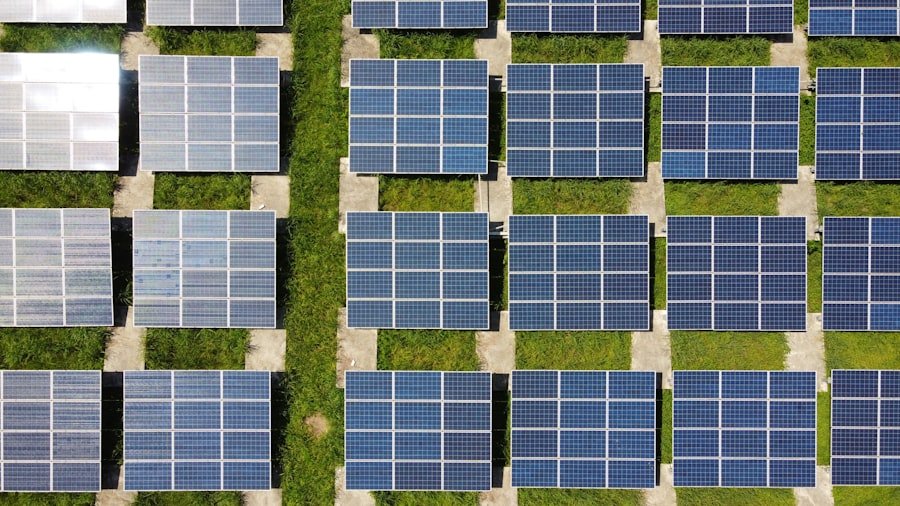
With a clear understanding of your power needs, it’s time to choose the right solar panel system for your off-grid cabin. There are several types of solar panels available on the market, including monocrystalline, polycrystalline, and thin-film panels. Each type has its advantages and disadvantages, so consider factors such as efficiency, cost, and available space when making your decision.
In addition to selecting the type of solar panels, you’ll also need to determine the size of the system based on your energy consumption calculations. A common rule of thumb is to aim for a solar panel system that can generate at least 20% more energy than your estimated needs to account for inefficiencies and variations in sunlight. This buffer will ensure that you have enough power even during cloudy days or winter months when sunlight is limited.
Selecting the Ideal Location for Solar Panel Installation
The location of your solar panels plays a significant role in their efficiency and overall performance. When selecting a site for installation, consider factors such as sunlight exposure, shading from trees or buildings, and roof orientation. Ideally, your solar panels should be placed in an area that receives direct sunlight for most of the day to maximize energy production.
If your cabin is surrounded by trees or other obstructions that may cast shadows on the panels, you may need to trim branches or even consider relocating the panels to a sunnier spot. Additionally, think about the angle at which the panels will be installed; tilting them at an optimal angle can significantly enhance their efficiency. Research local regulations regarding solar panel installations as well, as some areas may have specific guidelines or restrictions.
Installing Solar Panels on an Off-Grid Cabin
Once you’ve chosen the right solar panel system and identified an ideal location, it’s time to begin the installation process. Depending on your level of expertise and comfort with DIY projects, you may choose to hire a professional installer or tackle the project yourself. If you opt for a DIY approach, ensure that you have all necessary tools and materials on hand before starting.
Begin by mounting the solar panels securely to the roof or ground mount structure. Follow the manufacturer’s instructions carefully to ensure proper installation. It’s crucial to ensure that all connections are tight and weatherproofed to prevent any potential issues down the line.
After securing the panels, connect them to an inverter that will convert the direct current (DC) generated by the panels into alternating current (AC) for use in your cabin.
Connecting Solar Panels to Batteries for Energy Storage
To make the most of your off-grid solar system, connecting your solar panels to batteries for energy storage is essential. This allows you to store excess energy generated during sunny days for use during cloudy periods or at night when sunlight is not available. When selecting batteries, consider factors such as capacity, lifespan, and maintenance requirements.
Lead-acid batteries are a common choice for off-grid systems due to their affordability and reliability. However, lithium-ion batteries are gaining popularity due to their longer lifespan and higher efficiency. Whichever type you choose, ensure that they are compatible with your solar panel system and inverter.
Properly connecting your batteries involves wiring them in series or parallel configurations based on your energy storage needs.
Setting Up an Off-Grid Power Inverter System
An inverter is a critical component of your off-grid solar system as it converts DC electricity from your solar panels and batteries into AC electricity that can power household appliances. When setting up your inverter system, choose one that matches your energy requirements and is compatible with both your solar panels and battery bank. Installation typically involves connecting the inverter to both the battery bank and the electrical panel of your cabin.
Ensure that all connections are secure and follow safety guidelines throughout the process. Once installed, test the inverter to confirm that it is functioning correctly and providing power as expected. A well-functioning inverter will allow you to enjoy all the comforts of home while living off-grid.
Implementing Energy Conservation Measures in an Off-Grid Cabin
While generating your own electricity is empowering, implementing energy conservation measures is equally important for off-grid living. By reducing your overall energy consumption, you can extend the life of your solar system and minimize reliance on battery storage. Start by using energy-efficient appliances and LED lighting throughout your cabin.
Consider incorporating smart home technology that allows you to monitor and control energy usage effectively. Simple habits like turning off lights when not in use or unplugging devices can also contribute significantly to energy savings. Additionally, consider using alternative heating methods such as wood stoves or propane heaters during colder months to reduce reliance on electric heating.
Maintenance and Care for Off-Grid Solar Panel Systems
To ensure that your off-grid solar panel system operates efficiently over time, regular maintenance is essential. Start by keeping the solar panels clean; dirt, dust, and debris can accumulate on their surface and reduce their efficiency. Depending on your location, rain may help keep them clean naturally, but periodic washing with water can be beneficial if you notice a significant buildup.
Inspect all wiring and connections regularly for signs of wear or damage. Look out for any corrosion on terminals or loose connections that could affect performance. Additionally, monitor battery health by checking fluid levels (for lead-acid batteries) and ensuring they are charged properly.
By staying proactive with maintenance tasks, you can extend the lifespan of your solar system and enjoy uninterrupted power supply.
Troubleshooting and Repairing Off-Grid Solar Panel Systems
Even with proper installation and maintenance, issues may arise with your off-grid solar panel system from time to time. Familiarizing yourself with common problems can help you troubleshoot effectively when challenges occur. For instance, if you notice a drop in power output, check for shading on the panels or inspect connections for any loose wires.
If batteries are not charging properly or discharging too quickly, it may indicate a problem with either the batteries themselves or the inverter system. In such cases, consult manufacturer guidelines or seek professional assistance if needed. Keeping a troubleshooting guide handy can be invaluable in addressing issues promptly and minimizing downtime.
Enjoying the Benefits of Complete Power Independence in Your Off-Grid Cabin
Once you’ve successfully installed your solar panel system and implemented energy conservation measures, you’ll be able to enjoy the numerous benefits of complete power independence in your off-grid cabin. The freedom from utility bills allows you to allocate resources toward other aspects of your lifestyle while knowing that you’re contributing positively to the environment. Living off-grid also fosters a sense of self-sufficiency and resilience as you learn to adapt to nature’s rhythms.
You’ll find joy in harnessing renewable energy while enjoying all the comforts of home without compromising on quality of life. Embrace this new chapter with confidence as you revel in the tranquility that comes from living sustainably and independently in harmony with nature.
If you are interested in learning more about solar radiation and sun path, check out this informative article here. Understanding these factors is crucial for maximizing the efficiency of your off-grid cabin solar panel installation. Additionally, for tips on maintaining your solar panels and keeping them clean, consider hiring a professional solar panel cleaning company near you. You can find more information on this topic here. Lastly, if you are looking to build a small solar power system for your cabin, this guide here can help you get started on the path to complete power independence.
FAQs
What is an off-grid cabin solar panel installation?
An off-grid cabin solar panel installation refers to the process of setting up solar panels to generate electricity for a cabin that is not connected to the main power grid. This allows the cabin to be self-sufficient and independent in terms of power supply.
What are the benefits of installing solar panels for an off-grid cabin?
The benefits of installing solar panels for an off-grid cabin include reduced reliance on traditional power sources, lower electricity bills, reduced environmental impact, and the ability to live off the grid in remote locations.
What are the components of a complete off-grid cabin solar panel installation?
A complete off-grid cabin solar panel installation typically includes solar panels, a charge controller, a battery bank, an inverter, wiring, and mounting hardware. These components work together to capture, store, and convert solar energy into usable electricity for the cabin.
How much power can a solar panel installation generate for an off-grid cabin?
The amount of power generated by a solar panel installation for an off-grid cabin depends on factors such as the size and efficiency of the solar panels, the amount of sunlight available, and the energy needs of the cabin. A professional assessment can help determine the appropriate size of the solar panel installation.
What maintenance is required for an off-grid cabin solar panel installation?
Regular maintenance for an off-grid cabin solar panel installation includes cleaning the solar panels, checking and tightening connections, monitoring battery levels, and ensuring that all components are functioning properly. It is also important to have a professional inspection periodically.