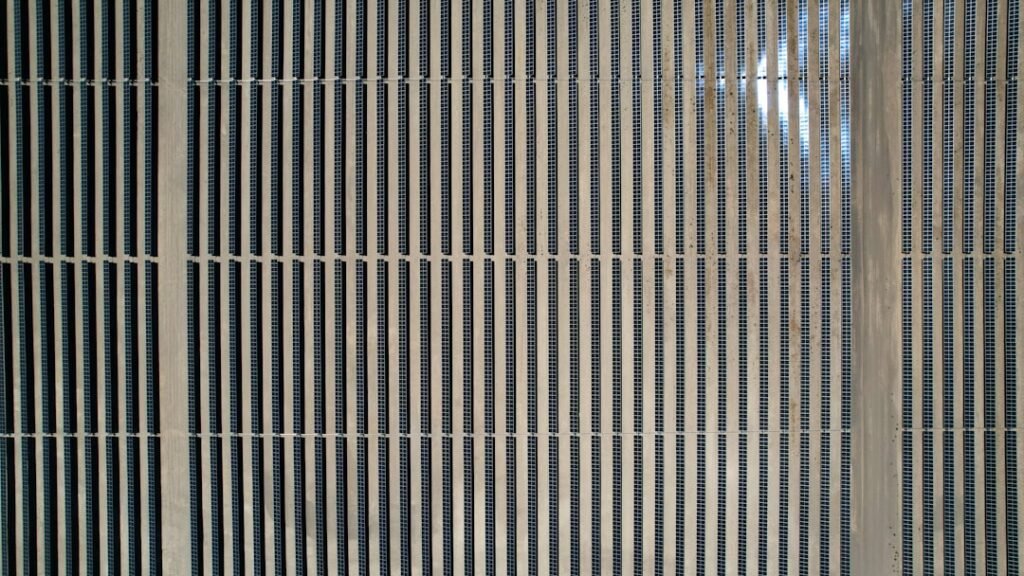
When you delve into the world of solar energy, one of the first concepts you encounter is solar panel efficiency. This term refers to the percentage of sunlight that a solar panel can convert into usable electricity. For instance, if a solar panel has an efficiency rating of 20%, it means that 20% of the sunlight hitting the panel is transformed into electrical energy, while the remaining 80% is either reflected or absorbed as heat.
Understanding this concept is crucial for anyone considering solar energy, as it directly impacts the amount of energy you can generate and, consequently, your potential savings on electricity bills. Solar panel efficiency is influenced by various factors, including the type of solar cells used, the quality of materials, and the design of the panels themselves. As technology advances, manufacturers are continually developing more efficient solar cells that can capture a greater amount of sunlight.
This means that when you invest in solar panels, you should pay close attention to their efficiency ratings. Higher efficiency panels may come with a higher price tag, but they can also yield more energy in a smaller space, making them a worthwhile investment in the long run.
Key Takeaways
- Solar panel efficiency refers to the amount of sunlight that can be converted into electricity.
- Factors affecting solar panel efficiency include temperature, shading, and the angle and orientation of the panels.
- To maximize solar panel efficiency, regular maintenance and cleaning are essential.
- Choosing the right location for solar panels is crucial for maximizing their efficiency.
- Using tracking systems and energy storage solutions can further increase the efficiency of solar panels.
Factors Affecting Solar Panel Efficiency
Several factors can significantly influence the efficiency of solar panels. One of the most critical elements is the angle at which sunlight strikes the panels. Ideally, solar panels should be installed at an angle that maximizes their exposure to direct sunlight throughout the day.
If your panels are tilted too steeply or not steep enough, you may not be harnessing as much energy as possible. Additionally, shading from trees, buildings, or other obstructions can drastically reduce the amount of sunlight reaching your panels, leading to decreased efficiency. Temperature also plays a vital role in solar panel performance.
While it may seem counterintuitive, higher temperatures can actually reduce the efficiency of solar panels. Most solar cells operate best at cooler temperatures; as they heat up, their ability to convert sunlight into electricity diminishes. Therefore, if you live in a particularly hot climate, it’s essential to consider how temperature fluctuations might affect your solar panel system’s overall performance.
Tips for Maximizing Solar Panel Efficiency
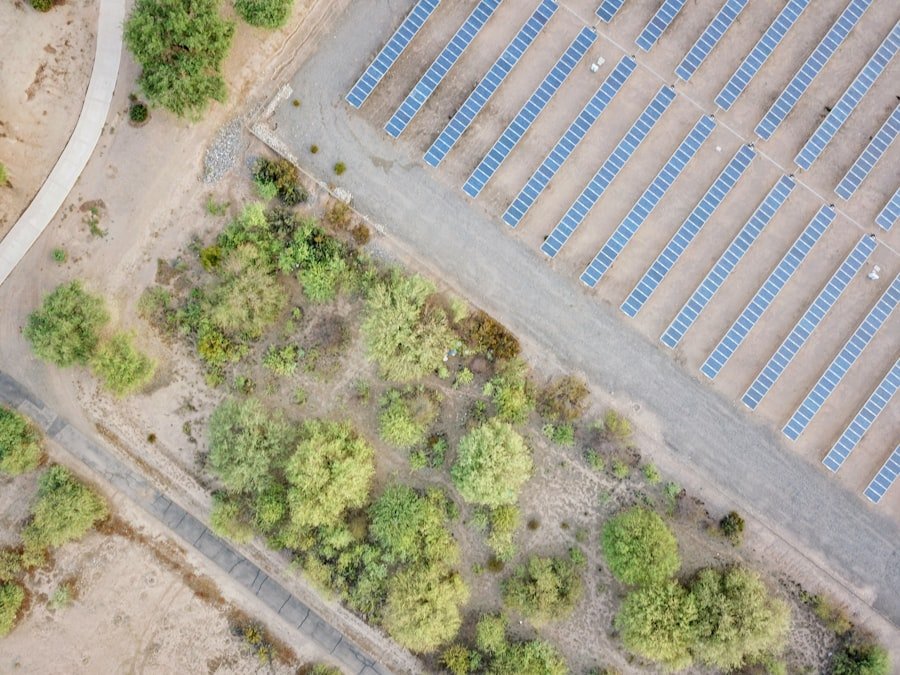
To ensure that your solar panels operate at peak efficiency, there are several strategies you can implement. First and foremost, regular maintenance is key. This includes cleaning your panels to remove dust, dirt, and debris that can obstruct sunlight.
Even a thin layer of grime can significantly reduce energy production. Depending on your location and environmental conditions, you may need to clean your panels every few months or even more frequently. Another effective way to maximize efficiency is by monitoring your system’s performance.
Many modern solar systems come equipped with monitoring tools that allow you to track energy production in real-time. By keeping an eye on your system’s output, you can quickly identify any issues that may arise and address them promptly. This proactive approach not only helps maintain efficiency but also extends the lifespan of your solar panels.
Choosing the Right Location for Solar Panels
Selecting the right location for your solar panels is crucial for optimizing their performance. Ideally, you want to install them in an area that receives ample sunlight throughout the day without any obstructions. Roofs are often a popular choice for installation due to their elevation and exposure to sunlight.
However, if your roof is shaded or not oriented correctly, ground-mounted systems may be a better option. When considering location, think about the seasonal changes in sunlight exposure as well. In some regions, trees may cast shadows during certain times of the year but not others.
Conducting a thorough assessment of your property’s sun exposure throughout different seasons will help you make an informed decision about where to place your solar panels for maximum efficiency.
Maintaining and Cleaning Solar Panels
Proper maintenance and cleaning of your solar panels are essential for ensuring their longevity and efficiency. Over time, dirt, leaves, and other debris can accumulate on the surface of the panels, blocking sunlight and reducing energy output. To keep your panels clean, consider scheduling regular inspections and cleanings—especially after heavy storms or windy days when debris is likely to settle on your panels.
In addition to cleaning, it’s important to check for any signs of damage or wear and tear on your solar system. Look for cracks in the glass or loose wiring that could affect performance. If you notice any issues, it’s best to consult with a professional who can assess and repair any problems before they escalate.
By staying proactive with maintenance, you can ensure that your solar panels continue to operate efficiently for many years.
Using Tracking Systems to Increase Efficiency
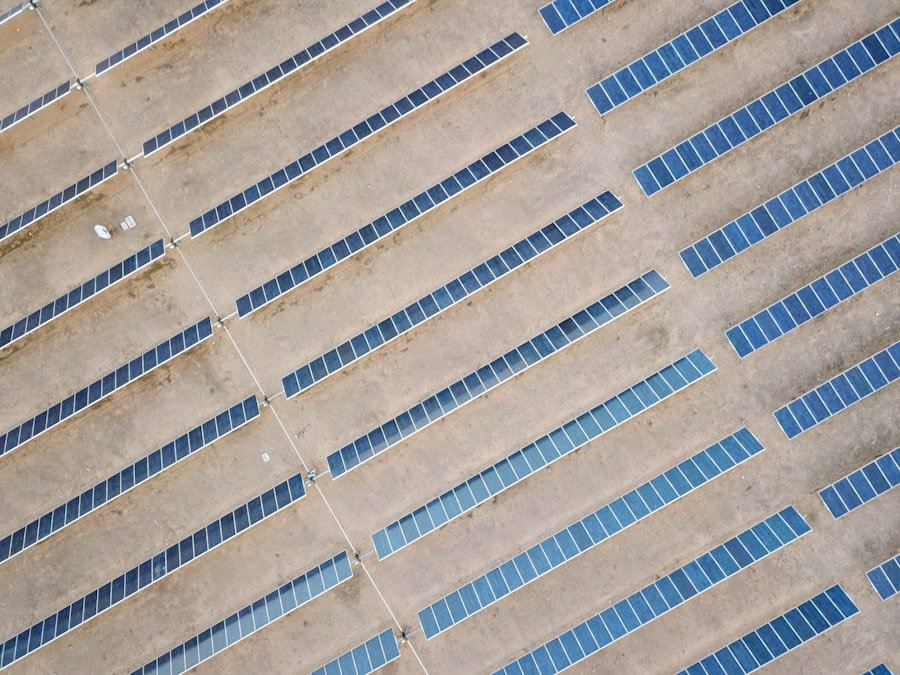
One innovative way to enhance the efficiency of your solar panels is by incorporating tracking systems. These systems allow solar panels to move and adjust their position throughout the day to follow the sun’s path across the sky. By maintaining optimal angles relative to the sun, tracking systems can significantly increase energy production compared to fixed installations.
There are two main types of tracking systems: single-axis and dual-axis trackers. Single-axis trackers rotate on one axis and are typically aligned north-south or east-west, while dual-axis trackers can move both horizontally and vertically for maximum sun exposure. While these systems can be more expensive upfront, they often yield higher energy outputs over time, making them a valuable consideration for those looking to maximize their solar investment.
Incorporating Energy Storage Solutions
Incorporating energy storage solutions into your solar panel system can further enhance its efficiency and effectiveness. Energy storage systems, such as batteries, allow you to store excess energy generated during sunny days for use during cloudy days or at night when sunlight is not available. This capability not only maximizes your energy usage but also provides a backup power source during outages.
When selecting an energy storage solution, consider factors such as capacity, discharge rates, and compatibility with your existing solar system. Investing in a high-quality battery can significantly improve your overall energy independence and reduce reliance on grid power. As technology continues to advance in this area, more efficient and affordable storage options are becoming available, making it an increasingly attractive option for homeowners.
Investing in High-Efficiency Solar Panels
Finally, when considering solar energy options, investing in high-efficiency solar panels can be one of the most impactful decisions you make. While these panels may come with a higher initial cost compared to standard models, their ability to convert more sunlight into electricity means you’ll generate more power over time. This increased output can lead to greater savings on your electricity bills and a faster return on investment.
High-efficiency panels often utilize advanced technologies such as monocrystalline silicon or bifacial designs that capture sunlight from both sides of the panel. As you explore different options available in the market, be sure to compare efficiency ratings and warranties offered by manufacturers. A well-researched investment in high-efficiency solar panels can pay off significantly in terms of energy production and long-term savings.
In conclusion, understanding solar panel efficiency and its influencing factors is essential for anyone looking to harness solar energy effectively. By implementing strategies to maximize efficiency—such as proper maintenance, optimal placement, and considering advanced technologies like tracking systems—you can significantly enhance your solar energy experience. Additionally, investing in high-efficiency panels and incorporating energy storage solutions will further solidify your commitment to sustainable living while providing substantial financial benefits over time.
If you are interested in maximizing solar panel efficiency, you may also want to read about Building Integrated Photovoltaics (BIPV) in this article. BIPV is a cutting-edge technology that seamlessly integrates solar panels into building materials, offering a sleek and efficient way to harness solar energy. This innovative approach to solar energy is just one of the many future trends in solar energy, as discussed in another article on solar energy policy and incentives. To learn more about these topics and more, check out the comprehensive outline of content on solar energy at this link.
FAQs
What is solar panel efficiency?
Solar panel efficiency refers to the amount of sunlight that a solar panel can convert into usable electricity. It is typically expressed as a percentage, with higher percentages indicating more efficient solar panels.
How can solar panel efficiency be maximized?
Solar panel efficiency can be maximized through various methods such as using high-quality materials, optimizing the design of the solar panels, and ensuring proper installation and maintenance. Additionally, advancements in technology and research continue to improve solar panel efficiency.
What are some factors that affect solar panel efficiency?
Factors that can affect solar panel efficiency include the angle and orientation of the panels, the amount of sunlight they receive, temperature, shading, and the quality of the solar cells and materials used in the panels.
Why is maximizing solar panel efficiency important?
Maximizing solar panel efficiency is important because it can lead to increased energy production, lower overall costs, and a more sustainable use of solar energy. Higher efficiency also means that fewer solar panels are needed to generate the same amount of electricity.
What are some current trends in maximizing solar panel efficiency?
Current trends in maximizing solar panel efficiency include the development of new materials and technologies, such as perovskite solar cells, as well as advancements in solar panel design and installation techniques. Research is also focused on improving the durability and longevity of solar panels.