When you consider the integration of solar panel systems into your well pump and irrigation setup, it’s essential to grasp the fundamental components and their functions. A solar panel system harnesses sunlight to generate electricity, which can be used to power various applications, including well pumps and irrigation systems. This renewable energy source not only reduces your reliance on traditional power grids but also offers a sustainable solution for agricultural and residential water needs.
By understanding how these systems work, you can make informed decisions that enhance efficiency and sustainability. The solar panel system typically consists of solar panels, a charge controller, an inverter, and batteries. The solar panels capture sunlight and convert it into direct current (DC) electricity.
The charge controller regulates the flow of electricity to prevent overcharging the batteries, ensuring longevity and optimal performance. The inverter then converts the DC electricity into alternating current (AC), which is often required by well pumps and irrigation systems. By familiarizing yourself with these components, you can better appreciate how they work together to provide a reliable power source for your water needs.
Key Takeaways
- Understanding the solar panel system is crucial for effectively powering well pumps and irrigation systems.
- Selecting the right solar panels is essential for ensuring optimal performance and longevity of the system.
- Determining the ideal location for solar panel installation is key to maximizing sunlight exposure and energy production.
- Assessing the power needs of your well pump and irrigation system is necessary for choosing the appropriate solar panel setup.
- Installing the mounting system for solar panels requires careful planning and consideration of structural integrity.
Selecting the Right Solar Panels for Your Well Pump and Irrigation System
Wattage Output and Efficiency Ratings
Higher wattage panels can produce more electricity, which is particularly beneficial if you have a high-demand system. Look for panels with high efficiency ratings, as they convert a greater percentage of sunlight into usable energy, making them a more effective choice for your needs.
Solar Panel Technology
The type of solar panel technology is another important aspect to consider. Monocrystalline panels are known for their high efficiency and space-saving design, making them ideal for smaller installations.
Selecting the Right Solar Panels
On the other hand, polycrystalline panels are generally more affordable but may require more space due to their lower efficiency. By evaluating your specific requirements and budget, you can select the right type of solar panels that will best serve your well pump and irrigation system.
Determining the Ideal Location for Solar Panel Installation
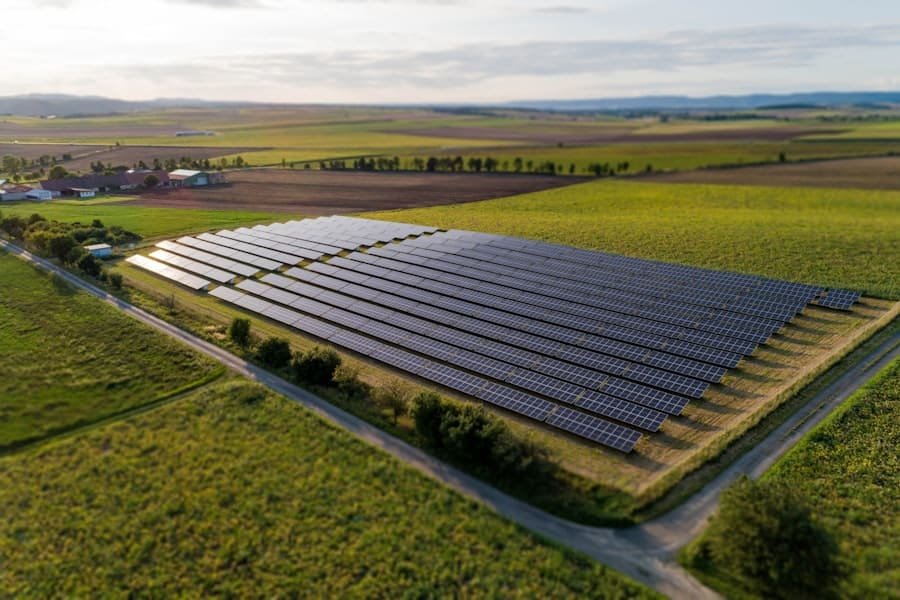
The location of your solar panel installation plays a significant role in the overall effectiveness of your system. Ideally, you want to place your panels in an area that receives maximum sunlight exposure throughout the day. This typically means positioning them on a south-facing roof or an open field free from obstructions like trees or buildings that could cast shadows.
By ensuring that your panels are exposed to direct sunlight for as many hours as possible, you can significantly enhance their energy production. Additionally, consider the angle at which your solar panels are installed. The optimal tilt angle can vary based on your geographical location and the time of year.
In general, a tilt angle that matches your latitude will yield the best results. However, adjusting this angle seasonally can further optimize energy capture. By taking these factors into account when determining the location for your solar panel installation, you can maximize the efficiency of your well pump and irrigation system.
Assessing the Power Needs of Your Well Pump and Irrigation System
Before installing a solar panel system, it’s essential to assess the power requirements of your well pump and irrigation system accurately. Start by reviewing the specifications of your well pump, including its voltage and wattage ratings. This information will help you determine how much energy is needed to operate the pump effectively.
Additionally, consider any other components in your irrigation system that may require power, such as timers or sensors. Once you have a clear understanding of your power needs, you can calculate the total energy consumption over a typical day. This will allow you to size your solar panel system appropriately, ensuring that it can generate enough electricity to meet your demands consistently.
By conducting a thorough assessment of your power needs, you can avoid potential issues related to insufficient energy supply and ensure that your well pump and irrigation system operate smoothly.
Installing the Mounting System for Solar Panels
The installation of a robust mounting system is critical for securing your solar panels in place and ensuring their longevity. Depending on your chosen location—whether on a roof or on the ground—you will need to select an appropriate mounting solution that can withstand environmental conditions such as wind and rain. Roof-mounted systems typically use brackets that attach directly to the roof structure, while ground-mounted systems may require concrete footings or poles.
When installing the mounting system, it’s essential to follow manufacturer guidelines carefully to ensure proper alignment and stability. Take into account factors such as wind load and snow accumulation in your area when determining the mounting height and angle. A well-installed mounting system not only protects your investment but also enhances the overall performance of your solar panel system by ensuring optimal positioning for sunlight exposure.
Connecting the Solar Panels to the Charge Controller and Inverter
Connecting Solar Panels to Charge Controller
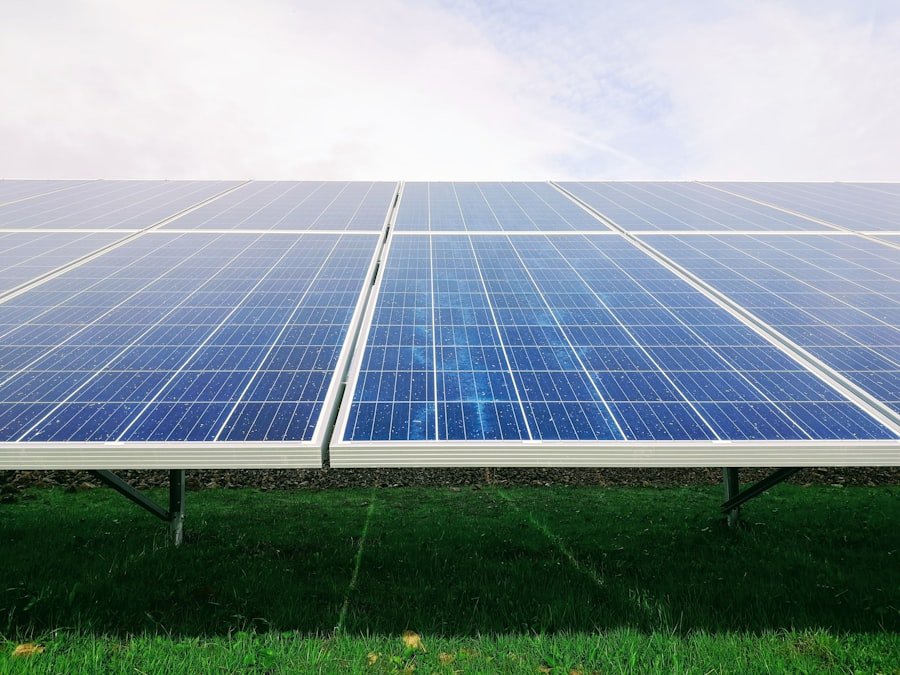
The charge controller is a vital component that regulates the flow of electricity from the solar panels to the batteries, preventing overcharging and ensuring safe operation. Begin by following the wiring diagram provided by the manufacturer to connect the positive and negative terminals of each solar panel to the corresponding terminals on the charge controller.
Connecting Charge Controller to Inverter
After establishing connections with the charge controller, you will need to connect it to the inverter. The inverter converts DC electricity generated by the solar panels into AC electricity suitable for powering your well pump and irrigation system. Ensure that all connections are tight and secure to prevent any electrical issues down the line.
Ensuring a Reliable Connection
By carefully following these steps, you can create a reliable link between your solar panels and the components that will utilize their energy.
Wiring the Solar Panels to the Well Pump and Irrigation System
With your solar panels connected to the charge controller and inverter, it’s time to wire them directly to your well pump and irrigation system. Begin by determining the appropriate wiring gauge based on the distance between your inverter and these components; longer distances may require thicker wires to minimize voltage drop. It’s crucial to use high-quality wiring materials that are rated for outdoor use to ensure durability against environmental factors.
When connecting wires from the inverter to your well pump, pay close attention to polarity—incorrect connections can damage equipment or lead to inefficient operation. If your irrigation system includes additional components like timers or sensors, ensure they are also wired correctly according to their specifications. By taking care during this wiring process, you can create a seamless connection that allows for efficient energy transfer from your solar panel system to your water management setup.
Testing the Solar Panel System for Well Pumps and Irrigation Systems
After completing all connections, it’s essential to test your solar panel system thoroughly before relying on it for daily operations. Start by checking all connections for tightness and ensuring there are no visible signs of damage or wear in any wiring or components. Once you’ve confirmed everything is secure, turn on the system and monitor its performance closely.
Observe how well your well pump operates under solar power; it should start smoothly without any unusual noises or interruptions. Additionally, check if your irrigation system functions as expected when powered by solar energy. If any issues arise during testing, take note of them so you can troubleshoot effectively later on.
Conducting these tests ensures that you can rely on your solar panel system for consistent performance in managing water resources.
Maintaining and Monitoring Your Solar Panel System
To ensure long-term efficiency and reliability of your solar panel system for well pumps and irrigation systems, regular maintenance is essential. Start by cleaning your solar panels periodically; dirt, dust, or debris can accumulate over time and reduce their ability to capture sunlight effectively. Use a soft cloth or sponge with mild soap and water to gently clean the surface without scratching it.
In addition to cleaning, monitoring your system’s performance is crucial for identifying potential issues early on. Many modern solar systems come equipped with monitoring software that allows you to track energy production in real-time. By keeping an eye on performance metrics such as voltage output and battery levels, you can quickly address any discrepancies before they escalate into more significant problems.
Troubleshooting Common Issues with Solar Panel Systems
Even with proper installation and maintenance, you may encounter common issues with your solar panel system from time to time. One frequent problem is insufficient power generation due to shading or dirt accumulation on panels; if you notice a drop in performance, inspect for obstructions or clean the panels as needed. Additionally, check all electrical connections for signs of corrosion or looseness that could hinder energy flow.
Another common issue is battery failure or underperformance; if you find that batteries are not holding a charge effectively, it may be time for replacement or maintenance checks. Regularly testing battery voltage levels can help you identify when they need attention before they impact overall system performance significantly. By being proactive in troubleshooting these common issues, you can maintain optimal functionality in your solar panel system.
Maximizing the Efficiency of Your Solar Panel System for Well Pumps and Irrigation Systems
To get the most out of your solar panel system for well pumps and irrigation systems, consider implementing strategies aimed at maximizing efficiency. One effective approach is optimizing energy usage by scheduling irrigation during peak sunlight hours when solar production is highest; this ensures that you’re utilizing energy generated directly from sunlight rather than drawing from batteries. Additionally, investing in energy-efficient pumps or irrigation technologies can significantly reduce overall power consumption while maintaining effective water management practices.
Smart controllers that adjust watering schedules based on weather conditions can also help conserve energy while ensuring optimal plant health. By adopting these strategies alongside regular maintenance practices, you can enhance both performance and sustainability in managing water resources through solar energy solutions.
If you are interested in solar technology beyond just well pumps and irrigation systems, you may want to check out this article on solar-powered phone chargers and gadgets. It explores how solar energy can be harnessed for everyday devices, making them more sustainable and environmentally friendly. Additionally, if you are looking for solar companies that offer installation services, repairs, and replacements, you can find more information in this article on solar companies and installation services. Lastly, if you are considering investing in solar energy, you may want to look into solar company stocks, which are discussed in this article on solar company stocks.
FAQs
What are the benefits of installing solar panels for well pumps and irrigation systems?
Solar panels can provide a sustainable and cost-effective way to power well pumps and irrigation systems. They can reduce electricity costs, decrease reliance on the grid, and provide a reliable source of power in remote locations.
What factors should be considered before installing solar panels for well pumps and irrigation systems?
Before installing solar panels, it’s important to consider the water requirements, the location and orientation of the panels, the type of pump and irrigation system, and the overall energy needs of the system.
What are the steps to install solar panels for well pumps and irrigation systems?
The installation process typically involves assessing energy needs, selecting the right solar panels and components, positioning the panels for optimal sunlight exposure, connecting the panels to the pump and irrigation system, and ensuring proper maintenance and monitoring.
What are the maintenance requirements for solar panels used for well pumps and irrigation systems?
Regular maintenance of solar panels includes cleaning the panels to remove dirt and debris, checking for any damage or malfunctions, and ensuring that all connections are secure. It’s also important to monitor the system’s performance and address any issues promptly.
Are there any incentives or rebates available for installing solar panels for well pumps and irrigation systems?
In many areas, there are incentives, rebates, and tax credits available for installing solar panels, including those used for well pumps and irrigation systems. These incentives can help offset the initial cost of installation and make solar power more affordable.