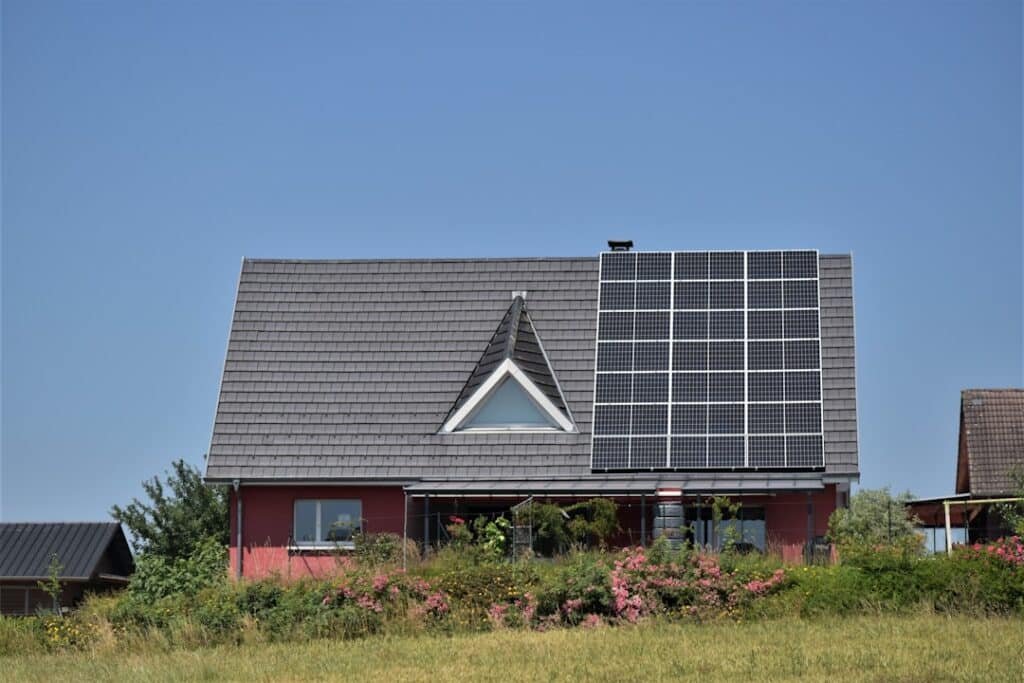
As a homeowner in Gilbert, Arizona, you’re likely considering a home solar energy system. The desert sun offers a powerful and consistent source of renewable energy, and Gilbert’s favorable regulations and abundant sunshine make it an attractive location for solar adoption. This guide aims to provide you with a comprehensive overview of the installation process, from initial considerations to the final activation of your system. You’ll learn about the key steps involved, the factors that influence costs and savings, and what to expect from reputable solar installers.
### The Fundamentals of Solar Energy for Your Gilbert Home
Before diving into the specifics of installation, it’s important to grasp the basic principles of how solar power works. Solar panels, also known as photovoltaic (PV) panels, are the core components of any home solar system. These panels are made up of numerous solar cells, typically silicon-based, which have the remarkable ability to convert sunlight directly into electricity. When sunlight strikes these cells, it excites electrons, creating a direct current (DC) flow.
The DC electricity produced by your solar panels is then sent to an inverter. The inverter’s primary function is to convert this DC electricity into alternating current (AC) electricity, which is the type of electricity used to power your home’s appliances and electrical devices. There are two main types of inverters commonly used in residential solar installations:
String Inverters
String inverters, also known as central inverters, connect multiple solar panels together in series, forming “strings.” The DC electricity from all panels in a string is then fed to a single inverter, which converts it to AC. This is often a more cost-effective solution, especially for roofs with uniform shading. However, if one panel in a string is shaded or malfunctioning, it can reduce the output of the entire string.
Microinverters
Microinverters are installed directly beneath each individual solar panel. This means each panel has its own dedicated inverter. The benefit of this approach is that each panel operates independently. If one panel experiences shading or issues, it won’t affect the performance of the other panels. Microinverters are generally more expensive upfront but can lead to higher overall energy production, especially for roofs with complex angles or variable shading patterns.
If you’re considering a home solar energy system installation in Gilbert, AZ, it’s essential to choose the right solar company to ensure a smooth and efficient process. A helpful resource for this is an article that discusses the importance of reading customer reviews and testimonials when selecting a solar provider. You can find valuable insights and tips in this article: Choosing a Solar Company: Reading Customer Reviews and Testimonials. This information can guide you in making an informed decision for your solar energy needs.
### Assessing Your Gilbert Home’s Solar Potential
Before you even contact a solar installer, it’s crucial to perform a preliminary assessment of your home’s suitability for solar. This involves a few key considerations that will influence the system’s size, cost, and potential energy savings.
Roof Considerations
Your roof is the primary location for solar panel installation. Several factors about your roof will determine the feasibility and efficiency of your solar system.
Roof Age and Condition
The lifespan of solar panels can exceed 25 years. It’s advisable to ensure your roof is in good condition and has at least 10-15 years of life remaining before investing in solar. If your roof is nearing the end of its life, it might be more cost-effective to replace it before installing solar panels. This avoids the additional cost and labor of removing and reinstalling the panels later. Reputable installers will inspect your roof and advise you on its condition.
Roof Material
Most common roofing materials, such as asphalt shingles, tile, and metal, are compatible with solar panel installations. However, certain materials, like wood shakes or those with unusual textures, might require specialized mounting hardware or present installation challenges. Your installer will confirm compatibility.
Roof Orientation and Pitch
In Gilbert, where the sun is intense and overhead for much of the year, south-facing roofs are generally ideal for maximizing solar energy production. However, east and west-facing roofs can also be highly productive. The pitch of your roof also plays a role; a steeper pitch will generally capture more sunlight throughout the year, especially during winter months. Installers will analyze your roof’s orientation and pitch to determine the optimal panel placement.
Shade Analysis
Shading is a significant factor affecting solar panel performance. Even partial shading from trees, neighboring buildings, or chimneys can reduce the overall energy output of your system. A professional solar installer will conduct a thorough shade analysis using specialized tools to identify any potential shading issues and determine the best panel layout to mitigate their impact.
Your Energy Consumption Habits
Understanding your household’s electricity usage patterns is fundamental to designing an appropriately sized solar system.
Reviewing Your Electricity Bills
The most straightforward way to gauge your energy consumption is to review your past electricity bills, ideally for a full 12 months. Look for your average monthly kilowatt-hour (kWh) usage. This will give an installer a clear picture of how much electricity your home typically consumes. Consider if your habits are likely to change in the near future (e.g., purchasing an electric vehicle, adding a pool).
Peak Usage Times
Pay attention to when your home uses the most electricity. If your peak usage occurs during the day when the sun is shining, your solar system can offset a larger portion of your electricity bill. If your peak usage is primarily in the evenings, you might need to consider battery storage to maximize your solar savings.
### The Installation Process: A Step-by-Step Breakdown
Once you’ve decided to proceed with solar and have chosen a reputable installer, the installation process itself typically follows a well-defined sequence.
Site Assessment and System Design
This is where the installer comes to your home to conduct a detailed evaluation.
Detailed Roof Inspection
Beyond the initial assessment, the installer will meticulously inspect your roof structure, measuring its dimensions and checking for any potential structural weaknesses. They will also confirm the electrical panel’s capacity and location.
Energy Usage Analysis
The installer will work with you to refine your energy consumption profile, using your historical data and discussing any planned changes in your home’s or family’s energy needs.
System Sizing and Component Selection
Based on your energy needs, roof characteristics, and shading analysis, the installer will propose a system size, specifying the number and type of solar panels, the inverter(s), and any other necessary components like mounting hardware and wiring. They will also explain the warranties offered on each component.
Permitting and Approvals
Before any physical work begins, your solar installation will require permits from your local municipality (in this case, Gilbert) and, potentially, approval from your utility company (e.g., Salt River Project or Arizona Public Service).
Local Building Permits
Your installer will typically handle the submission of all necessary permit applications to the Town of Gilbert. This ensures that your installation complies with all local building codes and safety regulations. The time it takes to get permits can vary.
Utility Interconnection Agreement
You’ll need to coordinate with your local utility company to establish an interconnection agreement. This agreement outlines how your solar system will connect to the grid and how net metering (explained later) will be applied to your electricity bills. Your installer will guide you through this process.
Equipment Procurement and Installation
With permits secured and approvals in hand, the physical installation begins.
Panel Mounting System Installation
This crucial step involves securely attaching the racking system to your roof. The racking provides a stable foundation for the solar panels and is designed to withstand wind and other environmental factors. Installers use specialized equipment to ensure a watertight seal where the mounting hardware penetrates the roof.
Solar Panel Installation
The solar panels are then carefully mounted onto the racking system. This is a meticulous process ensuring proper alignment and secure fastening of each panel.
Electrical Wiring and Inverter Installation
The panels are then wired together, and the DC electricity is routed to the inverter. The inverter is usually mounted on an exterior wall of your home or in your garage. This is where the DC power is converted to AC power for your home’s use. The AC power is then connected to your home’s electrical panel.
Inspection and Commissioning
Once the physical installation is complete, several final checks are performed before your system goes live.
Final Building Inspection
After the installation is finished, a representative from the Town of Gilbert will conduct a final inspection to ensure that the installation meets all code requirements and safety standards. This is a mandatory step before your system can be officially approved.
Utility Meter Installation or Recalibration
Your utility company will likely need to install a new meter or recalibrate your existing meter to accurately track the electricity your solar system generates and the electricity you draw from the grid. This is essential for accurate billing under net metering.
System Commissioning
The installer will then “commission” your system, which involves testing all components to ensure they are functioning correctly and generating power as expected. This often includes demonstrating the system’s output to you.
### Understanding Costs, Incentives, and Your Return on Investment
The financial aspect of going solar is a significant consideration for most homeowners. Fortunately, a combination of declining hardware costs and government incentives makes solar increasingly accessible.
The Cost of Solar in Gilbert, AZ
The cost of a home solar system can vary considerably based on several factors:
System Size (kW)
The most significant driver of cost is the size of the system, measured in kilowatts (kW). A larger system, capable of generating more electricity, will naturally cost more. The appropriate size is determined by your energy consumption and the available roof space.
Equipment Quality and Brand
Different manufacturers offer solar panels and inverters with varying efficiencies, warranties, and price points. Higher-end, more efficient equipment may come with a higher upfront cost but can lead to greater energy production over the system’s lifespan.
Installation Complexity
As mentioned, factors like roof pitch, material, and the presence of shading can influence installation complexity and, therefore, cost. If specialized equipment or additional structural work is required, the overall price will increase.
Installer Fees
Reputable installers charge fees for their expertise, design, permitting, and labor. The competitive nature of the solar market in Arizona means you can shop around for the best value.
Financial Incentives and Credits
Arizona and the federal government offer incentives that can significantly reduce the net cost of your solar installation.
The Federal Solar Investment Tax Credit (ITC)
The federal ITC allows you to deduct a percentage of the cost of your solar system from your federal taxes. This has been a powerful driver of solar adoption across the U.S. It’s essential to consult with a tax professional to understand how the ITC applies to your specific financial situation.
Net Metering
Net metering is a billing mechanism that allows you, as a solar system owner, to receive credit for the excess electricity your system generates and sends back to the grid. When your solar panels produce more electricity than your home is using, the excess is sent to the grid, and your utility company credits you for it on your bill. This credit is typically at the retail rate of electricity, making it very beneficial for reducing your overall electricity expenses. The specific policies and rates for net metering can vary by utility company and may be subject to change, so it’s important to understand your utility’s current net metering program.
Local Rebates and Performance-Based Incentives (PBIs)
While federal incentives are significant, it’s always worth investigating if there are any specific local rebates or performance-based incentives available through the Town of Gilbert or your utility company. These can further reduce the upfront cost or provide additional ongoing financial benefits.
Calculating Your Return on Investment (ROI)
Determining your ROI involves comparing the total cost of your system with the projected savings over its lifespan.
Estimating Annual Electricity Bill Savings
Your installer will provide an estimate of your annual electricity bill savings based on your current consumption, the expected output of your solar system, and current electricity rates.
Considering System Lifespan and Maintenance Costs
Solar panels typically have a lifespan of 25-30 years, and inverters may need replacement sooner. Budget for potential maintenance, though solar systems generally require very little.
Payback Period
The payback period is the time it takes for your accumulated savings to equal the initial cost of your solar system. With the current incentives and declining panel costs, many homeowners in Arizona see payback periods of 7-10 years.
If you’re considering a home solar energy system installation in Gilbert, AZ, it’s important to explore various options and understand the benefits of different systems. A great resource for this is an article that discusses residential solar power systems and their advantages. You can read more about it in this informative piece on residential solar power systems. This article provides insights that can help you make an informed decision about going solar in your home.
### Choosing the Right Solar Installer in Gilbert, AZ
Selecting a qualified and trustworthy solar installer is paramount to ensuring a smooth and successful installation.
Key Qualifications to Look For
When vetting potential installers, consider these crucial factors.
Licensing and Certifications
Ensure that the installer holds all necessary local and state licenses. Look for certifications like NABCEP (North American Board of Certified Energy Practitioners), which indicates a commitment to professional standards and expertise.
Experience and Reputation
Inquire about the installer’s experience specifically in the Gilbert area. Ask for references and check online reviews and ratings on platforms like the Better Business Bureau and Google. A company with a long track record of positive customer feedback is generally a good sign.
Warranty Offerings
Understand the warranties provided for both the equipment (panels, inverters) and the workmanship. A comprehensive warranty on workmanship demonstrates the installer’s confidence in their installation quality.
Transparency and Communication
A good installer will be transparent about all costs, timelines, and the entire process. They should be readily available to answer your questions and address any concerns you may have. Beware of installers who are vague or pushy.
Obtaining Multiple Quotes
It’s highly recommended to obtain quotes from at least three different reputable solar installers. This allows you to compare:
System Designs and Equipment Options
Each installer might propose a slightly different system design or equipment. Comparing these will help you understand the various approaches and their potential benefits.
Pricing and Financing Options
Obtaining multiple quotes will give you a clearer understanding of the prevailing market prices for solar installations in Gilbert. It also allows you to compare financing options if you plan to finance your system.
Contract Terms and Conditions
Carefully review the contracts from each installer, paying close attention to the scope of work, payment schedules, warranty details, and any performance guarantees.
### Living with Your Solar System: Ongoing Considerations
Once your solar system is installed and operational, there are a few ongoing aspects to be aware of.
Monitoring Your System’s Performance
Most modern solar systems come with monitoring software or apps that allow you to track your system’s energy production in real-time.
Understanding Your Production Data
Familiarize yourself with how to interpret the data provided by your monitoring system. This will help you identify any significant dips in production that might indicate a problem.
Identifying Potential Issues
While solar systems are generally low-maintenance, monitoring can help you quickly identify if a panel is underperforming, an inverter is malfunctioning, or if there’s an unexpected issue, allowing for swift resolution.
Maintenance and Cleaning
For most residential solar systems in Gilbert, regular professional maintenance is not required. However, a few occasional tasks can ensure optimal performance.
Panel Cleaning
Over time, dust, pollen, and bird droppings can accumulate on your solar panels, reducing their efficiency. While rain can often help to wash away some of this debris, occasional cleaning might be beneficial, especially if you notice a noticeable drop in production. Many homeowners opt for professional panel cleaning every few years, or they may clean them themselves if they can safely access them.
Inverter Checks
Your inverter will typically have indicator lights or a display that can alert you to any operational issues. While professional checks are generally not needed annually, it’s good to be aware of any visual cues your inverter might provide.
Understanding Your Utility Bill with Solar
Your monthly utility bill will look different once you have a solar system.
The Impact of Net Metering
As discussed, net metering will significantly alter your bill. You’ll see credits for the excess energy you send to the grid, and charges for the energy you draw from the grid when your system isn’t producing enough. The exact structure of your bill will depend on your utility company’s specific net metering policies.
True-Up Bills
Some utility companies have an annual “true-up” billing process. This means that at the end of a 12-month period, they reconcile all your monthly credits and charges. If you’ve generated significantly more energy than you consumed, you might receive a credit or refund. Conversely, if you’ve consumed more than you generated, you’ll owe the difference. Understanding your utility’s true-up policy is crucial.
By understanding these elements, you’ll be well-equipped to navigate the process of installing a home solar energy system in Gilbert, Arizona, and maximize your investment in clean, renewable energy.
FAQs
1. What are the benefits of installing a home solar energy system in Gilbert, AZ?
Installing a home solar energy system in Gilbert, AZ can help homeowners reduce their electricity bills, decrease their carbon footprint, and increase the value of their property. Additionally, homeowners may be eligible for federal and state tax incentives for installing solar panels.
2. What is the process of installing a home solar energy system in Gilbert, AZ?
The process of installing a home solar energy system in Gilbert, AZ typically involves a consultation with a solar energy provider, a site assessment to determine the best placement for the solar panels, obtaining necessary permits, installation of the solar panels, and connection to the electrical grid.
3. How much does it cost to install a home solar energy system in Gilbert, AZ?
The cost of installing a home solar energy system in Gilbert, AZ can vary depending on the size of the system, the type of solar panels used, and any additional equipment needed. On average, homeowners can expect to pay between $15,000 and $25,000 for a complete solar energy system installation.
4. What maintenance is required for a home solar energy system in Gilbert, AZ?
Home solar energy systems in Gilbert, AZ typically require minimal maintenance, such as occasional cleaning of the solar panels and inspection of the system’s components. Most solar energy providers offer warranties and maintenance plans to ensure the system continues to operate efficiently.
5. How long does it take to recoup the cost of a home solar energy system in Gilbert, AZ?
The time it takes to recoup the cost of a home solar energy system in Gilbert, AZ can vary depending on factors such as energy usage, local electricity rates, and available incentives. On average, homeowners can expect to recoup the cost of their solar energy system within 5 to 10 years through energy savings and incentives.