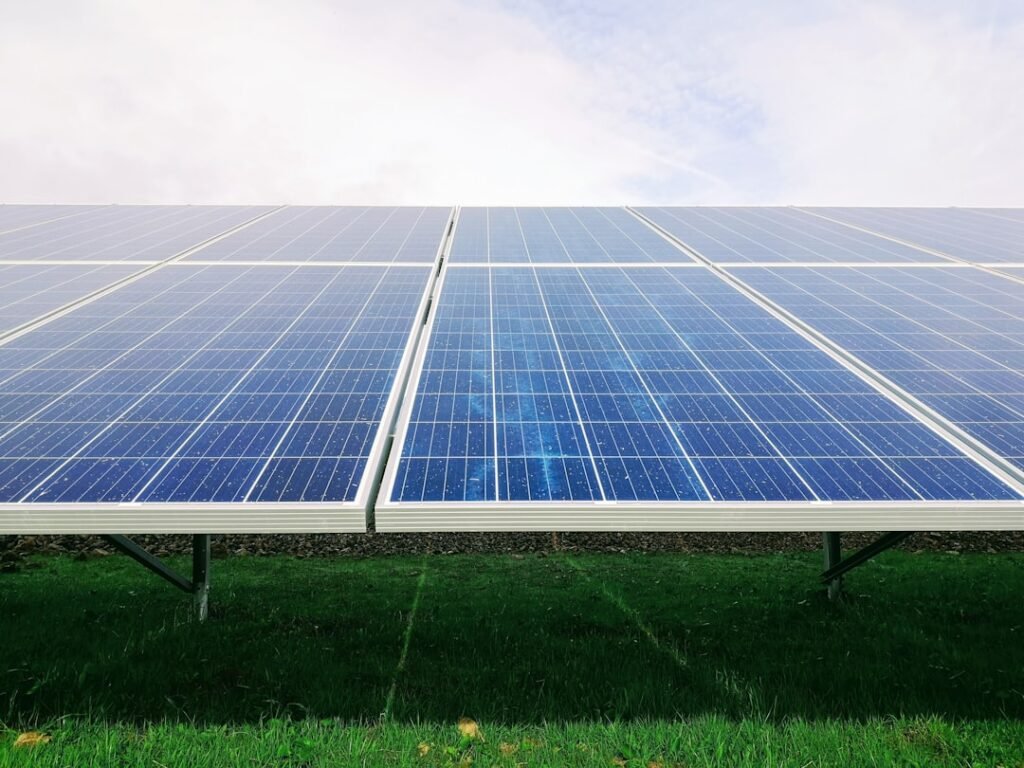
As you explore the world of solar energy, you may find yourself faced with two primary options: grid-tied and off-grid solar installations. Each system has its unique advantages and challenges, making it essential for you to understand the differences before making a decision. Grid-tied systems connect directly to the utility grid, allowing you to draw power from the grid when your solar panels aren’t producing enough energy.
In contrast, off-grid systems operate independently, relying solely on solar energy and battery storage to meet your energy needs. The choice between these two systems often hinges on your specific circumstances, including your location, energy consumption patterns, and budget. By delving into the intricacies of both grid-tied and off-grid solar installations, you can make an informed decision that aligns with your energy goals and lifestyle.
This article will guide you through the essential aspects of each system, helping you navigate the complexities of solar energy.
Key Takeaways
- Grid-tied solar installations are connected to the utility grid, allowing for energy exchange, while off-grid installations operate independently.
- Grid-tied solar installations use inverters to convert DC power from solar panels into AC power for use in the home and for feeding excess energy back into the grid.
- Off-grid solar installations require battery storage for energy storage and use charge controllers to regulate the flow of electricity from the solar panels to the batteries.
- Components of grid-tied solar installations include solar panels, inverters, and a metering system for tracking energy production and consumption.
- Off-grid solar installations require additional components such as batteries, charge controllers, and energy management systems to ensure reliable power supply.
Understanding Grid-Tied Solar Installations
Cost-Effective and Low Maintenance
One of the most significant advantages of grid-tied systems is their cost-effectiveness. Since you don’t need to invest in large battery banks for energy storage, the initial investment is typically lower than that of off-grid systems. Additionally, grid-tied systems are easier to maintain and have fewer components that require regular upkeep.
Limitations During Power Outages
However, it’s important to note that during power outages, grid-tied systems usually shut down for safety reasons, meaning you won’t have access to solar power unless the grid is operational.
Benefits of Grid-Tied Systems
Grid-tied systems allow you to benefit from solar energy without the need for extensive battery storage, as you can draw power from the grid when your solar panels aren’t generating enough electricity.
Understanding Off-Grid Solar Installations

Off-grid solar installations provide a completely independent energy solution, allowing you to generate and store your electricity without relying on the utility grid. This type of system is particularly beneficial for those living in remote areas where access to traditional power sources is limited or non-existent. With an off-grid system, your solar panels charge batteries that store energy for use during nighttime or cloudy days, ensuring a continuous power supply regardless of external conditions.
While off-grid systems offer a sense of autonomy and self-sufficiency, they also come with their own set of challenges. The initial investment can be significantly higher due to the need for battery storage and additional components like charge controllers. Furthermore, managing energy consumption becomes crucial, as you must ensure that your battery storage capacity aligns with your energy needs.
This often requires careful planning and monitoring to avoid running out of power during periods of low sunlight.
Components of Grid-Tied Solar Installations
A grid-tied solar installation consists of several key components that work together to harness solar energy efficiently. At the heart of the system are the solar panels themselves, which convert sunlight into electricity. These panels are typically mounted on rooftops or ground-mounted arrays, depending on your property’s layout and available space.
In addition to solar panels, a grid-tied system includes an inverter that converts the direct current (DC) generated by the panels into alternating current (AC), which is what most household appliances use. The inverter also plays a crucial role in monitoring the system’s performance and ensuring that it operates safely and efficiently. Other components include wiring, mounting hardware, and safety disconnects that protect both your home and the grid from electrical faults.
Components of Off-Grid Solar Installations
Off-grid solar installations require additional components compared to their grid-tied counterparts due to their reliance on battery storage for energy management. The primary components include solar panels, an inverter, and a battery bank that stores excess energy generated during sunny days for use when sunlight is scarce. The battery bank is a critical element in off-grid systems, as it ensures that you have a reliable power supply at all times.
In addition to these core components, off-grid systems also require charge controllers that regulate the flow of electricity between the solar panels and the batteries. These controllers prevent overcharging and deep discharging of batteries, which can significantly extend their lifespan. Other essential components may include backup generators for emergency situations and monitoring systems that help you track energy production and consumption.
Technical Differences in Solar Panel Installation

Optimizing Energy Production for Grid-Tied Systems
In grid-tied installations, the primary focus is on optimizing energy production and ensuring seamless integration with the utility grid. This involves optimizing panel placement for maximum sun exposure and ensuring that all components are compatible with grid requirements.
A Comprehensive Approach to Energy Management for Off-Grid Systems
Off-grid installations, on the other hand, require a more comprehensive approach to energy management. This involves considering factors such as battery capacity, load calculations, and seasonal variations in sunlight availability.
Extensive Planning and Engineering for Off-Grid Systems
This means that off-grid may require more extensive planning and engineering to ensure that your system can meet your energy needs throughout the year.
Battery Storage and Energy Management in Off-Grid Systems
Battery storage is a cornerstone of off-grid solar installations, as it allows you to store excess energy generated during sunny days for use when sunlight is not available. The type and size of batteries you choose will significantly impact your system’s performance and reliability. Common options include lead-acid batteries, lithium-ion batteries, and newer technologies like flow batteries, each with its own advantages and disadvantages.
Energy management becomes crucial in off-grid systems since you must balance energy production with consumption carefully. This often involves monitoring your usage patterns and adjusting your habits accordingly to ensure that you don’t deplete your battery reserves too quickly. Many off-grid systems come equipped with monitoring tools that provide real-time data on energy production and consumption, helping you make informed decisions about your energy use.
The inverter plays a vital role in both grid-tied and off-grid systems but serves different functions in each context. In grid-tied installations, inverters are designed primarily for converting DC electricity from solar panels into AC electricity for household use while synchronizing with the utility grid. They often include features like anti-islanding protection to ensure safety during outages.
In contrast, off-grid systems require inverters that can handle battery input as well as direct input from solar panels. These inverters must be capable of managing multiple sources of power while ensuring efficient charging and discharging of batteries. Charge controllers are also essential in off-grid setups; they regulate the flow of electricity between solar panels and batteries to prevent overcharging or deep discharging, which can damage battery life.
Monitoring and Maintenance of Grid-Tied and Off-Grid Systems
Monitoring and maintenance are crucial aspects of both grid-tied and off-grid solar installations but differ in their focus areas. For grid-tied systems, monitoring typically revolves around ensuring optimal performance in relation to the utility grid. Many modern systems come equipped with online monitoring tools that allow you to track energy production in real-time and receive alerts if any issues arise.
In contrast, off-grid systems require more hands-on maintenance due to their reliance on battery storage and energy management. Regular checks on battery health, fluid levels (for lead-acid batteries), and overall system performance are essential to ensure reliability. Additionally, since off-grid users must be more conscious of their energy consumption patterns, monitoring tools can help you make informed decisions about when to conserve energy or when to rely on backup generators.
Cost Considerations for Grid-Tied and Off-Grid Solar Installations
When evaluating the costs associated with solar installations, it’s essential to consider both initial investments and long-term savings. Grid-tied systems generally have lower upfront costs since they don’t require extensive battery storage solutions. The ability to sell excess energy back to the grid through net metering can also lead to significant savings over time.
Conversely, off-grid systems typically involve higher initial costs due to the need for batteries and additional components like charge controllers and backup generators. However, they offer independence from utility rates and potential savings on monthly bills over time. It’s crucial for you to weigh these factors against your budget and long-term energy goals when deciding which system is right for you.
Choosing the Right Solar Installation for Your Needs
Ultimately, choosing between a grid-tied or off-grid solar installation depends on your unique circumstances and preferences. If you live in an area with reliable access to the utility grid and prefer a lower initial investment with minimal maintenance requirements, a grid-tied system may be the best option for you. On the other hand, if you value independence from traditional power sources or live in a remote location where access to electricity is limited, an off-grid system could provide the self-sufficiency you desire.
By understanding the differences between these two types of solar installations—along with their components, costs, and maintenance requirements—you can make an informed decision that aligns with your energy needs and lifestyle choices. As renewable energy continues to gain traction worldwide, investing in solar technology not only benefits you but also contributes positively to environmental sustainability.
If you are interested in learning more about the environmental benefits of solar energy compared to other forms of power generation, check out this article on solar energy and carbon footprint reduction. It delves into the positive impact that solar energy can have on reducing carbon emissions and combating climate change when compared to fossil fuels. Understanding these differences can help you make an informed decision about the type of energy system you want to invest in for your home or business.
FAQs
What is a grid-tied solar installation?
A grid-tied solar installation is a system that is connected to the local utility grid. It allows the solar panels to generate electricity for the home or business while also being able to draw electricity from the grid when needed.
What is an off-grid solar installation?
An off-grid solar installation is a system that is not connected to the local utility grid. It operates independently and relies solely on the solar panels and a battery storage system to provide electricity for the home or business.
What are the technical differences between grid-tied and off-grid solar installations?
The main technical difference between grid-tied and off-grid solar installations is the presence of a battery storage system. Off-grid systems require batteries to store excess energy for use when the sun is not shining, while grid-tied systems do not typically include a battery storage component.
What are the advantages of a grid-tied solar installation?
Grid-tied solar installations allow for the use of net metering, which means that excess electricity generated by the solar panels can be fed back into the grid for credit. This can result in lower electricity bills and a more cost-effective system overall.
What are the advantages of an off-grid solar installation?
Off-grid solar installations provide energy independence and can be a reliable source of electricity in remote or rural areas where grid connection may not be feasible. They also offer the ability to store excess energy for use during periods of low sunlight.
Which type of solar installation is more common?
Grid-tied solar installations are more common, especially in urban and suburban areas where grid connection is readily available. Off-grid installations are more common in remote or rural locations where grid connection may be impractical or cost-prohibitive.