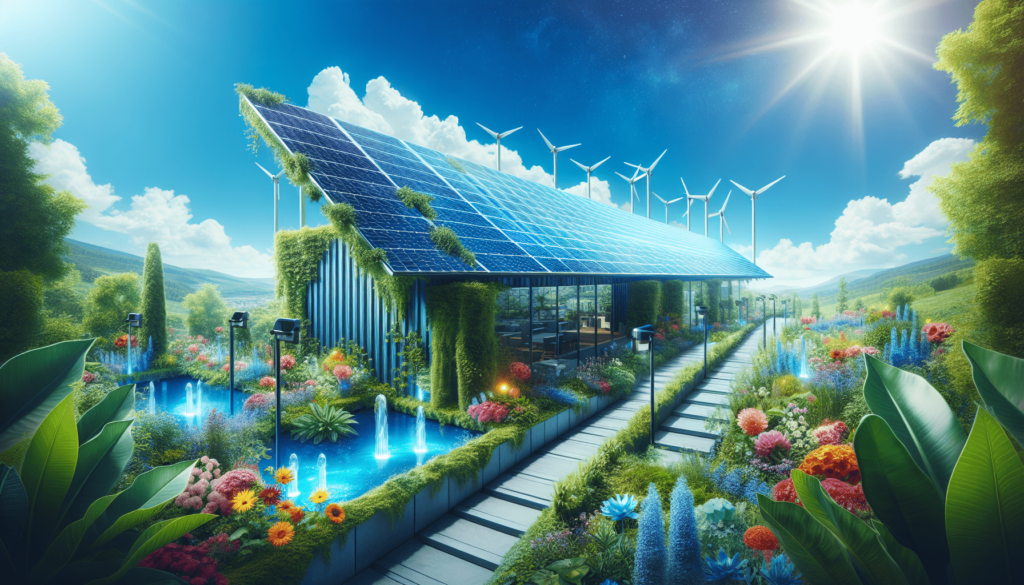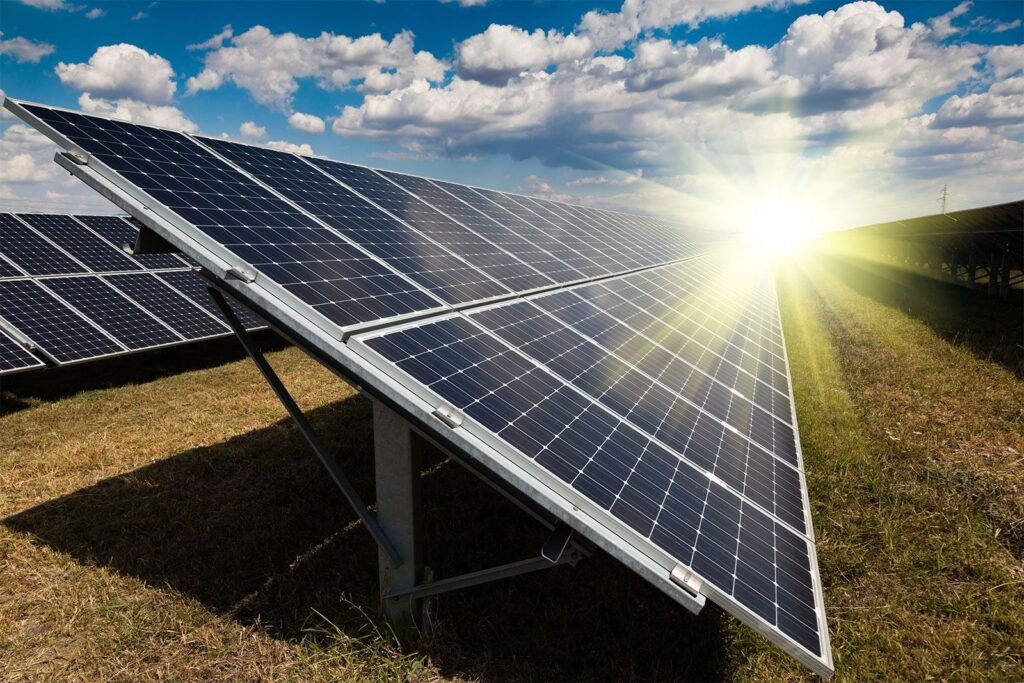
Have you ever wondered how solar energy could change your life and contribute to a more sustainable future? Harnessing the power of the sun through solar panels is not just a trend; it’s a significant shift toward environmentally responsible living. Let’s break down how you can set up a basic solar panel system to power your home and make a positive impact.
Understanding Solar Energy
Solar energy is the radiation emitted by the sun, which can be converted into other forms of energy, like electricity or heat. Utilizing solar panels to capture this energy is a game changer for reducing dependence on fossil fuels and lowering greenhouse gas emissions. So, why should you consider solar energy in your life?
Benefits of Solar Energy
There are numerous advantages to using solar energy. You will find the following benefits to be particularly compelling:
-
Cost Savings: Once you invest in solar panels, your electricity bills can decrease significantly. Over time, you could save thousands of dollars.
-
Environmental Impact: Utilizing solar energy reduces your carbon footprint. This means cleaner air and a healthier planet for future generations.
-
Energy Independence: Generating your own electricity can help you become less dependent on the grid, providing you stability even during power outages.
Understanding these benefits is the first step in deciding whether a solar panel setup is right for you.
Components of a Basic Solar Panel System
A basic solar panel system consists of several essential components that work together to capture and convert sunlight into usable energy. Let’s outline these components so that you can get a clear picture.
Solar Panels
Solar panels are the heart of any solar energy system. They consist of many photovoltaic (PV) cells that convert sunlight into electricity. These panels come in various sizes and efficiencies, and the number of panels you need will depend on your energy consumption.
Inverter
Once the solar panels capture sunlight, the electricity generated is in direct current (DC). Most home appliances use alternating current (AC), so an inverter is needed to convert DC to AC. It’s a critical component that ensures your solar power can be utilized effectively.
Battery Storage (Optional)
While not all solar systems include battery storage, having it can be very beneficial. Batteries store excess energy generated during sunny days so that you can use it at night or during cloudy weather. This feature enhances your energy independence significantly.
Charge Controller
If your system includes batteries, a charge controller is vital. It regulates the voltage and current coming from the solar panels to ensure that your batteries are charged properly without overcharging, which can damage them.
Mounting and Racking Systems
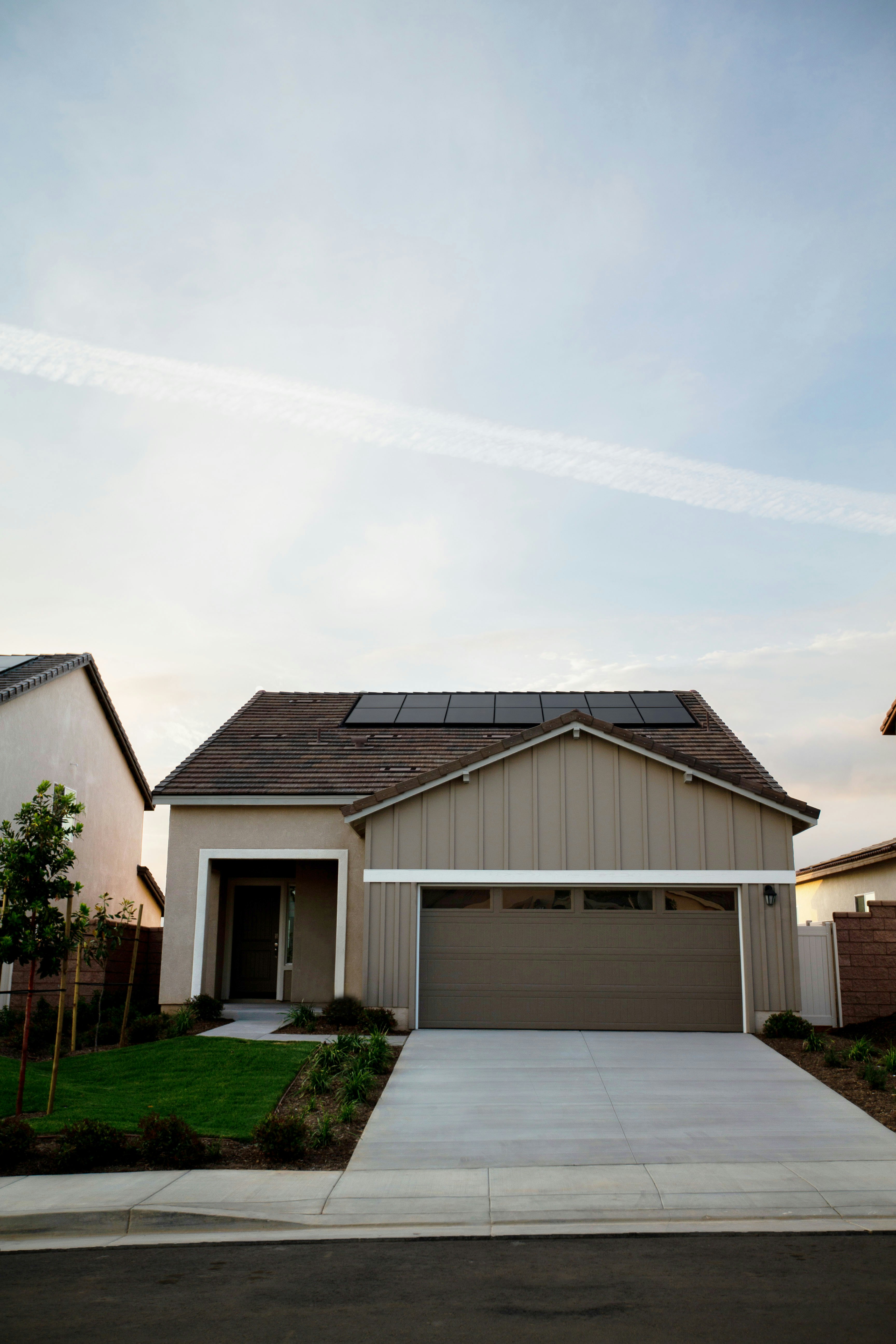
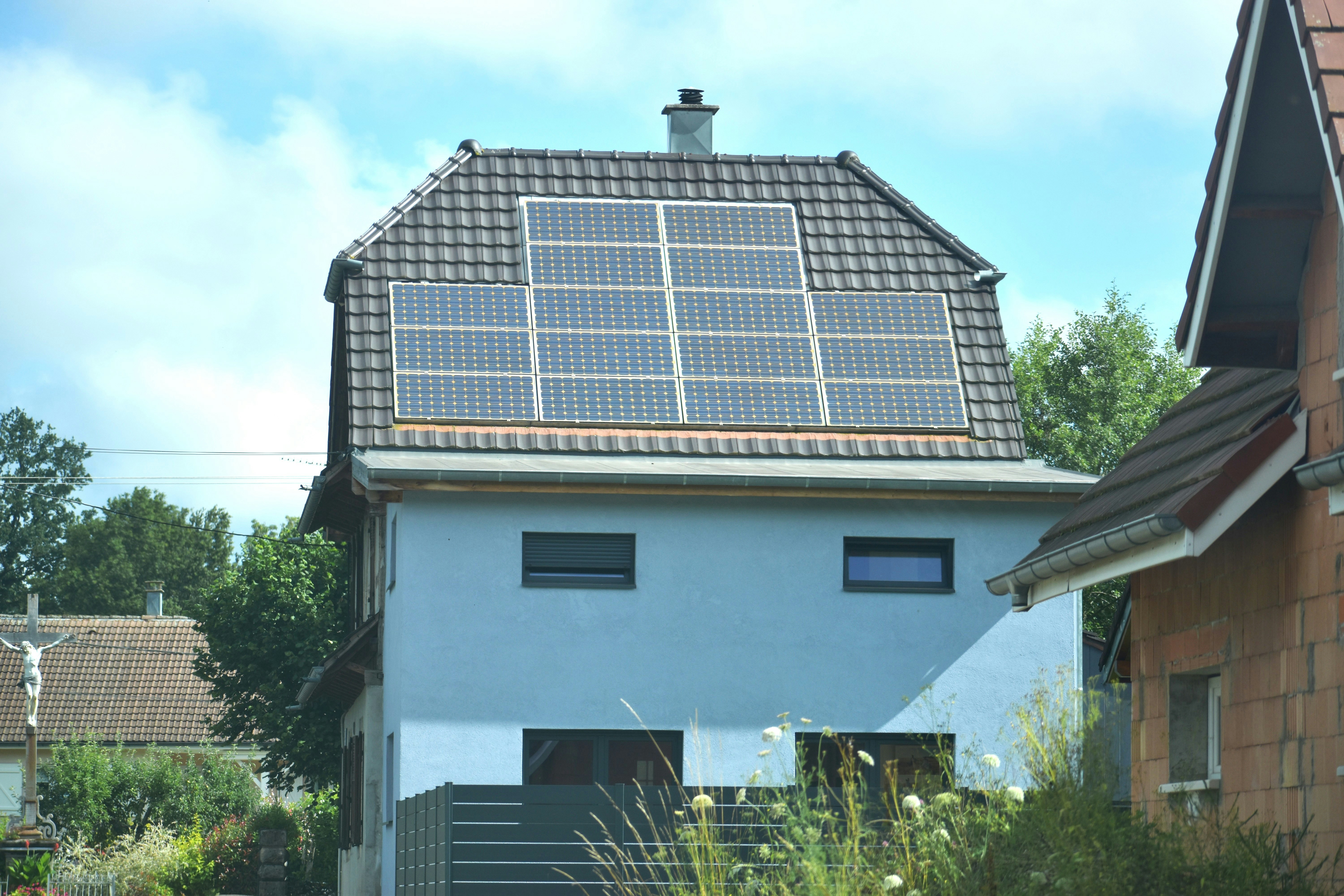
Your solar panels will need to be securely mounted to your roof or on the ground at a specific angle to maximize sun exposure. Mounting systems can vary based on your installation method and location.
Understanding these components helps you appreciate how a solar panel system works, and it guides you through setting up your own system.
Assessing Your Energy Needs
Before you jump into purchasing solar panels or other components, it’s essential to assess your energy needs. This step will help you determine what size system will work best for you.
Calculate Your Household Energy Consumption
To understand how much energy you consume, gather your utility bills for the past year. Look for:
-
Total Kilowatt-Hours (kWh): This number shows your total energy consumption.
-
Peak Usage: Identify when your energy consumption is highest. This information is valuable for planning your solar setup.
By calculating your annual energy consumption, you can better estimate the solar panel capacity required to meet your needs.
Determine Your Solar Potential
Next, consider how much sunlight your location receives. Some regions are sunnier than others, affecting how much energy your panels can produce. You can use resources like solar insolation maps to determine the average peak sun hours in your area.
Energy Efficiency Measures
Before investing in solar, consider auditing your home for energy efficiency. Simple improvements like sealing leaks, upgrading insulation, and using energy-efficient appliances can reduce your overall energy needs. The less energy you consume, the smaller and less expensive your solar panel system can be.
Finding the Right Solar Panels
Choosing the right solar panels can be overwhelming, given the multitude of options available. Here’s what you need to consider when making your selection.
Types of Solar Panels
You’ll generally encounter three types of solar panels:
-
Monocrystalline: Known for their high efficiency and long lifespan, they’re made from a single crystal structure. They tend to be more expensive but take up less space.
-
Polycrystalline: These panels are slightly less efficient but are more affordable. They’re made from multiple crystal structures and are a popular choice for residential installations.
-
Thin-Film: These panels are lightweight and flexible. While they are not as efficient as crystalline panels, they can be a great option for specific applications or constraints.
Efficiency Ratings
When comparing panels, look at their efficiency ratings, typically expressed in percentages. A higher rating means more power generation in a smaller area, which can be especially beneficial for those with limited roof space.
Manufacturer Warranty
Make sure to review the warranty terms offered by the manufacturer. A quality warranty indicates confidence in the product’s durability. Most reputable solar panels come with warranties of 25 years or more.
Installing Your Solar Panel System
Now that you understand the components and have assessed your needs, it’s time to think about installation. You usually have two options: DIY installation or hiring professionals.
DIY Installation
If you’re handy and enjoy working on home improvement projects, you may want to consider a DIY approach. Here’s a brief outline of the installation process:
-
Site Assessment: Check if your roof is suitable for solar panel installation by ensuring it has good sun exposure.
-
Gather Materials: Purchase the solar panels, inverter, battery (if needed), and mounting hardware.
-
Installation: Follow the instructions provided with your equipment to mount the panels securely, connect the inverter, and set up any battery systems.
-
Connection to the Grid: Depending on local regulations, you may need to apply for permission or permits before connecting to the grid.
Hiring Professionals
If DIY installation seems daunting or complex, hiring professionals can ensure safety and efficiency. Here’s how to proceed:
-
Get Quotes: Obtain quotes from different solar installation companies, asking about their experience and services.
-
Check Reviews: Look into customer reviews and testimonials to gauge the quality of their work.
-
Ask About Warranty: Inquire about the warranty on installation, which can offer peace of mind in case of future issues.
Understanding Incentives and Financing Options
As you consider your solar panel setup, it’s essential to study the financial aspects, including available incentives and financing options.
Government Rebates and Tax Credits
Many governments offer incentives to encourage solar adoption. Research your local and federal programs that might help you save money on your solar investment:
-
Federal Investment Tax Credit (ITC): In many countries, you can deduct a percentage of your solar system cost from your federal taxes.
-
State and Local Rebates: Check if your state or local government has additional rebates or incentives for solar adoption.
Financing Options
If upfront costs are a concern, various financing options can help you spread the investment over time:
-
Solar Loans: These loans allow you to pay for your solar system over a set period. You’ll start saving on electricity immediately while paying off the loan.
-
Leases/PPA: With a lease, you pay a fixed monthly amount to use the solar panels installed by a third party, usually without any upfront payment.
-
Community Solar Programs: If your home isn’t ideally suited for solar or you rent, community solar allows you to invest in a shared solar project and benefit from its energy production.
Understanding these financial considerations can help you make the transition to solar energy successfully.
Maintaining Your Solar Panel System
Once your solar panel system is up and running, it’s easy to forget it’s even there. However, regular maintenance is key to ensuring it operates efficiently for many years.
Cleaning Your Panels
Dust, debris, and bird droppings can accumulate on your solar panels, reducing their efficiency. Here’s how you can keep them clean:
-
Visual Inspection: Perform regular checks to see if dirt or debris is obstructing any of the panels.
-
Cleaning Method: You can use water, a soft brush, or a squeegee for cleaning. Just avoid using abrasive materials that could scratch the surface.
-
Hire Professionals: If your panels are hard to reach or you’re uncomfortable cleaning them, consider hiring a service.
Monitor Performance
Monitoring the performance of your solar panel system helps you identify any potential issues early on. Many inverters come with monitoring apps that allow you to track your energy generation.
Regular Inspections
Schedule regular inspections to ensure all components are functioning correctly. This way, you can address issues before they lead to costly repairs.
Conclusion
Making the decision to invest in a solar panel setup for your home might be one of the best choices you’ve ever made. Not only do you contribute to a cleaner environment, but you also save money in the long run.
As you embark on this journey toward sustainable living, remember to consider your energy needs, choose the right components, and stay informed about maintenance and financial options. A basic solar panel system isn’t just about harnessing the sun; it’s about empowering yourself to create a more sustainable future for yourself and generations to come.