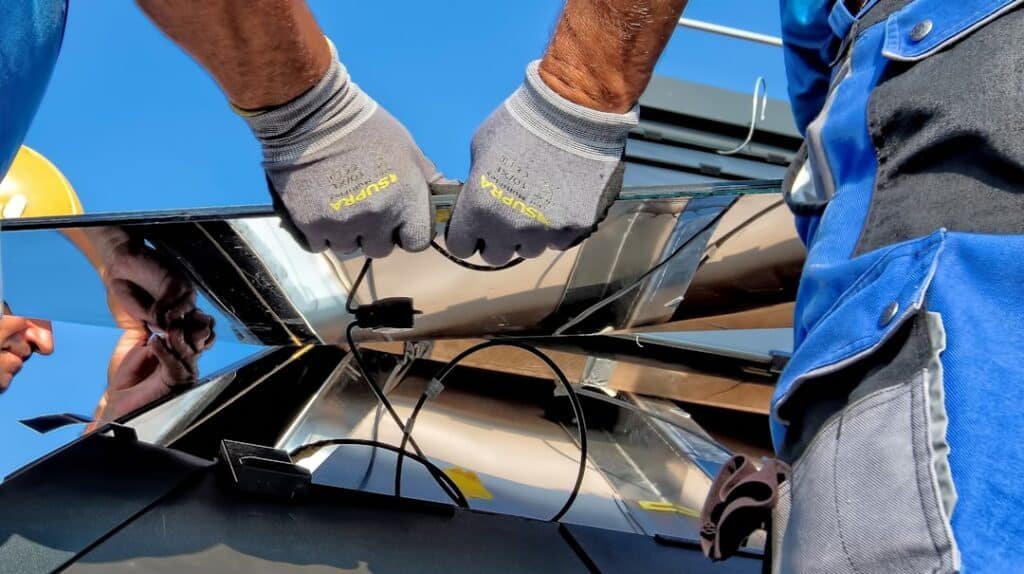
When you consider installing solar panels, the initial cost is often the first factor that comes to mind. The price of solar panel installation can vary significantly based on several factors, including the size of your home, the type of solar panels you choose, and your geographical location. On average, you might expect to pay anywhere from $15,000 to $30,000 for a complete solar panel system.
This figure typically includes the cost of the panels themselves, inverters, mounting equipment, and installation labor. It’s essential to gather multiple quotes from different providers to ensure you are getting a competitive price. In addition to the basic installation costs, you should also factor in any potential upgrades or modifications needed for your home.
For instance, if your roof requires repairs or reinforcement before installation, this will add to your overall expenses. Furthermore, local regulations and permitting fees can also influence the total cost. By understanding these initial costs upfront, you can better prepare your budget and make informed decisions about your solar investment.
Key Takeaways
- Initial cost of solar panel installation includes the cost of panels, inverters, mounting hardware, and installation labor.
- Regular maintenance of solar panels involves cleaning, inspection, and potential replacement of parts, which should be factored into the overall cost.
- Long-term energy savings from solar panels can offset the initial investment and lead to significant cost savings over time.
- Repairs for solar panels may include fixing or replacing damaged panels, inverters, or other components, adding to the total cost of ownership.
- Warranty and insurance costs for solar panels provide financial protection and should be considered in the overall investment.
Factoring in the Cost of Solar Panel Maintenance
Understanding Ongoing Maintenance Needs
While solar panels are generally low-maintenance, they do require some attention to ensure they operate efficiently over their lifespan. You may need to budget for periodic cleaning to remove dirt and debris that can accumulate on the panels and reduce their efficiency.
Frequency of Maintenance Tasks
The frequency of maintenance tasks depends on your location and environmental conditions. Depending on your situation, cleaning may be an annual or semi-annual task.
Planning for Unexpected Maintenance Costs
Additionally, you should account for potential maintenance services that may be required over time. While many manufacturers offer warranties that cover defects and performance issues, routine checks and minor repairs may not be included. It’s wise to set aside a portion of your budget for these unexpected maintenance costs to avoid any surprises down the line.
Evaluating the Long-Term Energy Savings

One of the most compelling reasons to invest in solar panels is the potential for long-term energy savings. By generating your own electricity, you can significantly reduce or even eliminate your monthly utility bills. Depending on your energy consumption and the size of your solar system, you might find that your savings accumulate quickly.
In many cases, homeowners report saving thousands of dollars over the lifespan of their solar panels, which typically ranges from 25 to 30 years. Moreover, as utility rates continue to rise, your savings could increase even further over time. By locking in your energy costs with solar power, you protect yourself from future price hikes in traditional energy sources.
This long-term financial benefit is a crucial aspect of evaluating whether solar panels are a wise investment for your home. As you assess your potential savings, consider not only your current energy usage but also any anticipated changes in your household’s energy needs.
Considering the Cost of Solar Panel Repairs
While solar panels are designed to be durable and long-lasting, they are not immune to damage or wear over time. It’s essential to factor in the potential costs associated with repairs when evaluating your solar investment. Common issues may include damage from severe weather events, such as hail or high winds, which can lead to cracked panels or malfunctioning inverters.
Additionally, as technology evolves, older systems may require upgrades or replacements to maintain efficiency. When budgeting for repairs, it’s wise to consult with professionals who can provide insights into common issues specific to your area and system type. Some homeowners opt for service contracts that cover repair costs for a set period, providing peace of mind against unexpected expenses.
By being proactive about potential repairs, you can ensure that your solar system remains functional and continues to provide energy savings for years to come.
Accounting for Solar Panel Warranty and Insurance Costs
Warranties play a significant role in protecting your investment in solar panels. Most manufacturers offer warranties that cover both the performance of the panels and any defects in materials or workmanship. Typically, you can expect a warranty period of 25 years for performance and 10 years for equipment defects.
Understanding these warranties is crucial as they can save you money on repairs or replacements if issues arise. In addition to warranties, it’s also important to consider insurance costs related to your solar panel system. Homeowners insurance policies may need to be adjusted to cover the added value of your solar installation.
Some insurers offer specific policies tailored for renewable energy systems, which can provide additional coverage for damages or theft. By accounting for these warranty and insurance costs, you can better understand the financial implications of installing solar panels.
Assessing the Impact of Government Incentives and Tax Credits
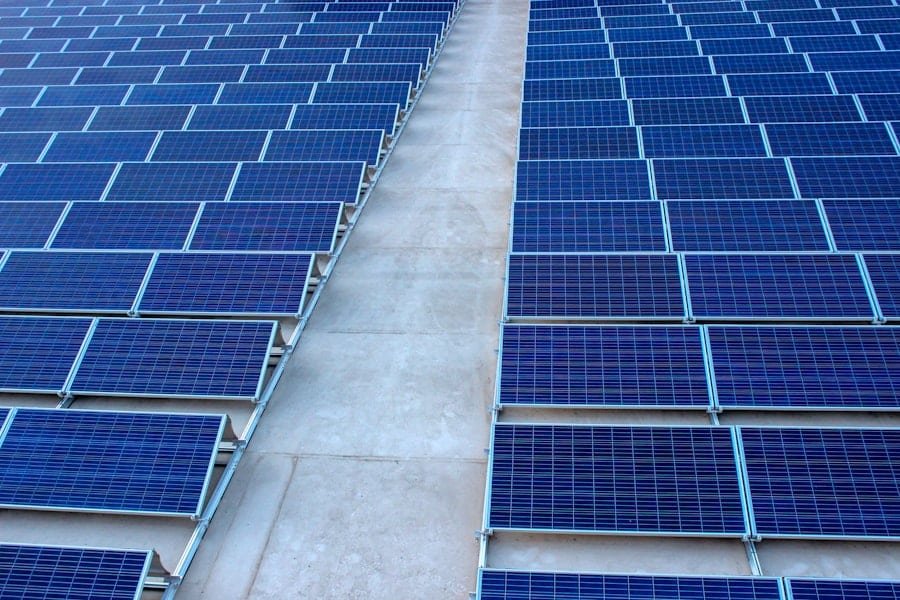
Government incentives and tax credits can significantly reduce the overall cost of installing solar panels. Many states and local governments offer programs designed to encourage renewable energy adoption, which can include rebates, grants, or tax credits. For instance, the federal solar tax credit allows you to deduct a percentage of your solar installation costs from your federal taxes, making it an attractive option for many homeowners.
Researching available incentives in your area is essential as they can vary widely by location and change over time. Some programs may have specific eligibility requirements or deadlines that you need to be aware of. By taking advantage of these incentives, you can lower your upfront costs and improve the overall return on investment for your solar panel system.
Calculating the Return on Investment for Solar Panel Installation
Calculating the return on investment (ROI) for solar panel installation involves analyzing both the initial costs and long-term savings associated with your system. To determine your ROI, you’ll want to consider factors such as installation costs, maintenance expenses, energy savings, and any applicable incentives or tax credits. A simple formula involves dividing your total savings over time by your initial investment to get a percentage that reflects your ROI.
It’s important to note that while calculating ROI provides valuable insights into the financial benefits of solar panels, it doesn’t capture all aspects of this investment. For example, many homeowners also value the environmental benefits and energy independence that come with generating their own electricity. By considering both financial and non-financial factors in your ROI calculation, you can make a more comprehensive assessment of whether solar panels are right for you.
Comparing the Total Cost of Ownership with Traditional Energy Sources
When evaluating solar panel installation, it’s essential to compare the total cost of ownership with traditional energy sources like fossil fuels or grid electricity. The total cost of ownership includes not only installation and maintenance costs but also ongoing energy expenses over time. In many cases, homeowners find that while traditional energy sources may have lower upfront costs, they often lead to higher long-term expenses due to rising utility rates.
By conducting a thorough comparison between solar energy and traditional sources, you can gain a clearer understanding of which option is more financially viable in the long run. Additionally, consider factors such as environmental impact and energy independence when making this comparison. Ultimately, this analysis will help you make an informed decision about whether transitioning to solar power aligns with your financial goals and values.
Understanding the Environmental Benefits of Solar Panel Installation
Beyond financial considerations, one of the most significant advantages of installing solar panels is their positive impact on the environment. By harnessing renewable energy from the sun, you reduce reliance on fossil fuels and decrease greenhouse gas emissions associated with traditional energy production. This shift not only contributes to cleaner air but also helps combat climate change by reducing carbon footprints.
Moreover, solar energy systems promote sustainability by utilizing a resource that is abundant and inexhaustible. As more homeowners adopt solar technology, the cumulative effect can lead to a substantial reduction in overall energy consumption from non-renewable sources. By choosing solar power for your home, you’re not only making a sound financial decision but also contributing positively to the planet’s health for future generations.
Exploring Financing Options for Solar Panel Installation
If you’re concerned about the upfront costs associated with solar panel installation, various financing options are available to help make this investment more accessible. Many homeowners choose to finance their systems through loans or leases that allow them to spread out payments over time while still enjoying immediate energy savings. Some lenders specialize in green financing options specifically designed for renewable energy projects.
Additionally, power purchase agreements (PPAs) enable homeowners to install solar panels with little or no upfront cost by agreeing to purchase electricity generated by the system at a predetermined rate. This arrangement allows you to benefit from solar energy without bearing the full financial burden upfront. Exploring these financing options can help you find a solution that fits within your budget while still allowing you to take advantage of renewable energy benefits.
Consulting with Solar Panel Installation and Maintenance Professionals
Finally, consulting with professionals in the solar industry is crucial when considering installation and maintenance options for your home. Experienced installers can provide valuable insights into system design tailored specifically for your needs while ensuring compliance with local regulations and permitting requirements. They can also help you navigate available incentives and financing options that may apply to your situation.
Moreover, ongoing maintenance professionals can assist in keeping your system running efficiently over its lifespan by providing routine inspections and addressing any issues that arise promptly. By working closely with experts in the field, you can ensure that your investment in solar panels is well-informed and effectively managed throughout its life cycle. In conclusion, investing in solar panels involves careful consideration of various factors ranging from initial costs and maintenance expenses to long-term savings and environmental benefits.
By thoroughly evaluating each aspect outlined above—alongside consulting with professionals—you’ll be better equipped to make an informed decision about whether transitioning to solar power aligns with both your financial goals and values regarding sustainability.
When evaluating the total cost of ownership for solar panel installation and maintenance, it is important to consider all factors involved. One related article that provides valuable information on solar systems is Carport Solar Systems. This article discusses the benefits of installing solar panels on carports, which can provide both energy savings and covered parking. By exploring different installation options like carport solar systems, homeowners can make informed decisions about their solar investments.
FAQs
What is total cost of ownership (TCO) for solar panel installation and maintenance?
Total cost of ownership (TCO) for solar panel installation and maintenance refers to the total cost associated with owning and operating a solar panel system over its entire lifespan, including initial installation, ongoing maintenance, and any additional costs such as insurance and financing.
What are the factors that contribute to the total cost of ownership for solar panel installation and maintenance?
Factors that contribute to the total cost of ownership for solar panel installation and maintenance include the initial cost of the solar panels, installation costs, ongoing maintenance and repairs, insurance, financing costs, and the cost of any necessary upgrades or replacements over the system’s lifespan.
How can the total cost of ownership for solar panel installation and maintenance be evaluated?
The total cost of ownership for solar panel installation and maintenance can be evaluated by considering all the costs associated with owning and operating a solar panel system over its entire lifespan, including both the initial costs and the ongoing costs, and comparing these costs to the potential savings and benefits of using solar energy.
What are some potential cost-saving measures for solar panel installation and maintenance?
Potential cost-saving measures for solar panel installation and maintenance include choosing high-quality, durable solar panels, working with reputable and experienced installers, investing in regular maintenance and cleaning to prolong the lifespan of the panels, and exploring financing options and incentives that can help offset the initial costs.
What are some common misconceptions about the total cost of ownership for solar panel installation and maintenance?
Common misconceptions about the total cost of ownership for solar panel installation and maintenance include underestimating the ongoing maintenance and repair costs, overlooking the potential savings on energy bills, and failing to consider the long-term benefits and environmental impact of using solar energy.