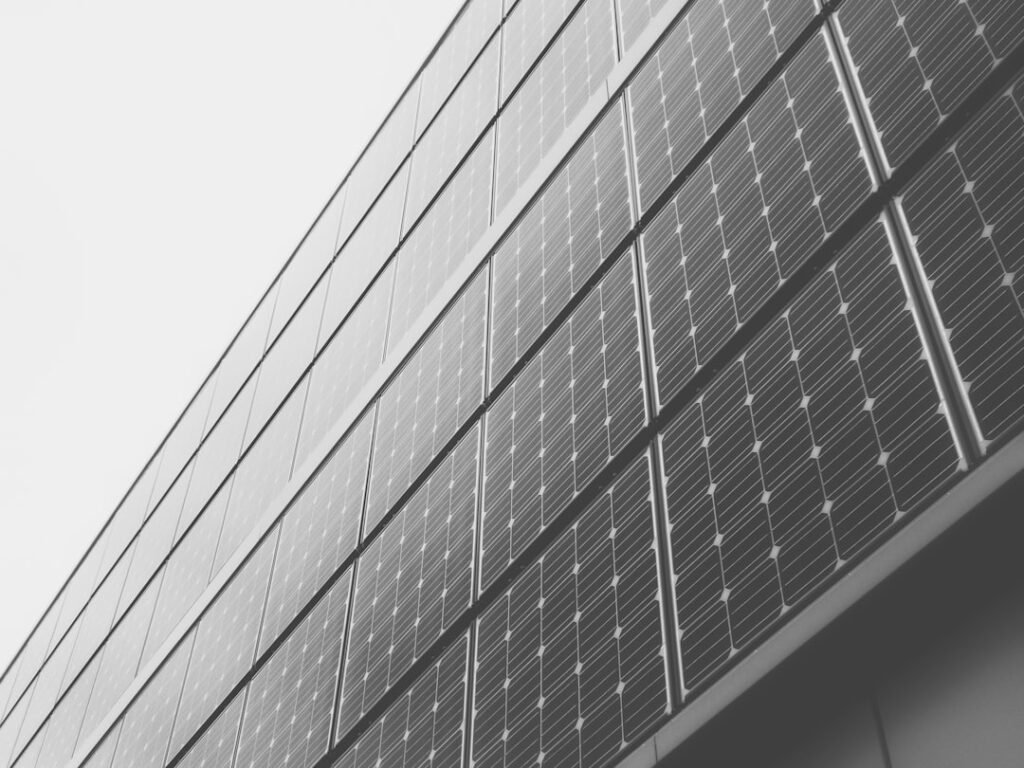
As you embrace the transition to solar energy, understanding the importance of long-term maintenance for your solar panels becomes essential. Solar panels are a significant investment, and like any other asset, they require care and attention to ensure they operate at peak efficiency. While solar technology is designed to be durable and low-maintenance, neglecting regular upkeep can lead to decreased performance and, ultimately, a reduction in the return on your investment.
By committing to a routine maintenance schedule, you can maximize the lifespan of your solar system and enjoy the benefits of renewable energy for years to come. Long-term maintenance not only enhances the efficiency of your solar panels but also contributes to their longevity. Over time, environmental factors such as dust, debris, and weather conditions can impact the performance of your solar energy system.
By proactively addressing these issues, you can prevent minor problems from escalating into costly repairs. In this article, you will explore various aspects of solar panel maintenance that will empower you to take charge of your solar energy system and ensure it continues to serve you effectively.
Key Takeaways
- Regular cleaning and inspection are essential for long-term solar panel maintenance
- Monitoring energy output helps to identify any issues with the solar panel system
- Checking for physical damage is crucial to ensure the panels are functioning properly
- Inspecting wiring and connections is important for the overall performance of the solar panel system
- Assessing inverter performance and evaluating battery health are key aspects of long-term maintenance for solar panels
Regular Cleaning and Inspection
Cleaning Your Solar Panels
Dust, dirt, and bird droppings can accumulate on the surface of your solar panels, obstructing sunlight and reducing their efficiency. Depending on your location and environmental conditions, you may need to clean your panels several times a year. A simple rinse with water can often do the trick, but in some cases, you might need a soft brush or a specialized cleaning solution to remove stubborn grime.
Importance of Safety and Professional Help
Always remember to prioritize safety; if your panels are on a roof, consider hiring professionals who have the right equipment and expertise. They can ensure that the cleaning process is done efficiently and safely.
Regular Inspections and Identifying Potential Issues
In addition to cleaning, regular inspections are vital for identifying potential issues before they become significant problems. During these inspections, you should look for signs of wear and tear, such as loose mounting brackets or corrosion. Taking the time to inspect your solar panels can save you from unexpected repairs down the line. By being proactive in your maintenance routine, you can ensure that your solar energy system remains in optimal condition and continues to generate clean energy efficiently.
Monitoring Energy Output
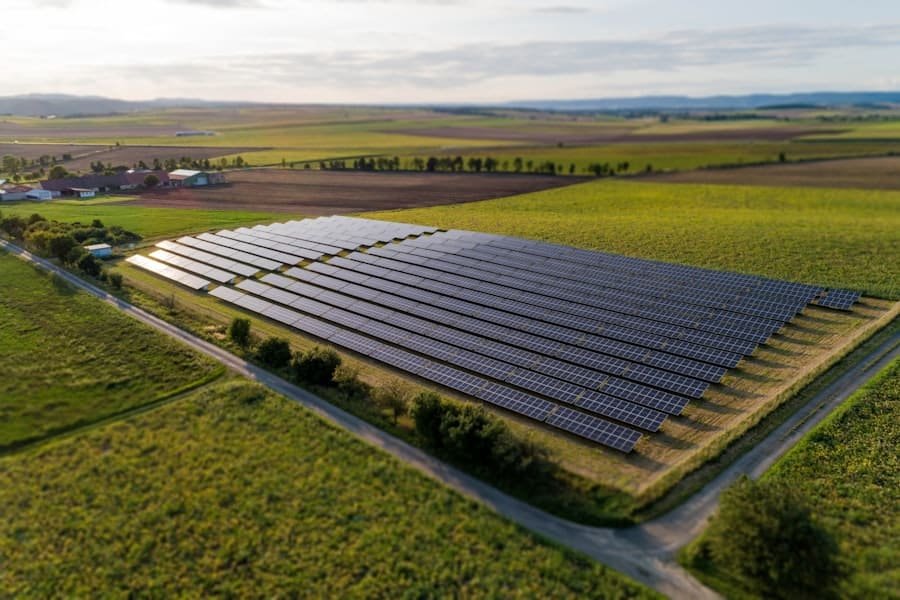
Monitoring the energy output of your solar panels is another critical component of long-term maintenance. Most modern solar systems come equipped with monitoring software that allows you to track how much energy your panels are producing in real-time. By keeping an eye on this data, you can quickly identify any discrepancies that may indicate a problem with your system.
For instance, if you notice a sudden drop in energy production without an apparent cause, it may be time to investigate further. Regularly reviewing your energy output not only helps you catch issues early but also allows you to understand how well your system is performing over time. This information can be invaluable when it comes to making informed decisions about upgrades or expansions in the future.
By staying engaged with your solar energy production, you can ensure that you are maximizing the benefits of your investment while contributing positively to the environment.
Checking for Physical Damage
Physical damage is another concern that requires your attention when it comes to maintaining solar panels. Over time, panels can be subjected to various forms of damage from environmental factors such as hail, falling branches, or even extreme weather conditions. Regularly checking for cracks, chips, or other signs of physical damage is essential for maintaining the integrity of your solar system.
If you notice any issues during your inspections, it’s crucial to address them promptly to prevent further complications. In addition to inspecting the panels themselves, don’t forget to check the mounting hardware and support structures. These components play a vital role in keeping your solar panels securely in place.
Any signs of rust or loosening should be addressed immediately to ensure that your system remains stable and functional. By being vigilant about physical damage, you can protect your investment and ensure that your solar panels continue to operate efficiently.
Inspecting Wiring and Connections
The wiring and connections within your solar energy system are critical for its overall performance. Over time, these components can become loose or corroded due to exposure to the elements. Regularly inspecting wiring and connections is essential for ensuring that electricity flows smoothly from the panels to the inverter and ultimately into your home or grid.
Look for any signs of wear, such as frayed wires or corroded terminals, which could indicate potential issues. If you’re not comfortable inspecting electrical components yourself, consider hiring a professional electrician who specializes in solar systems. They can perform a thorough check-up on all wiring and connections, ensuring everything is secure and functioning correctly.
By prioritizing this aspect of maintenance, you can prevent electrical failures that could lead to costly repairs or even safety hazards.
Assessing Inverter Performance
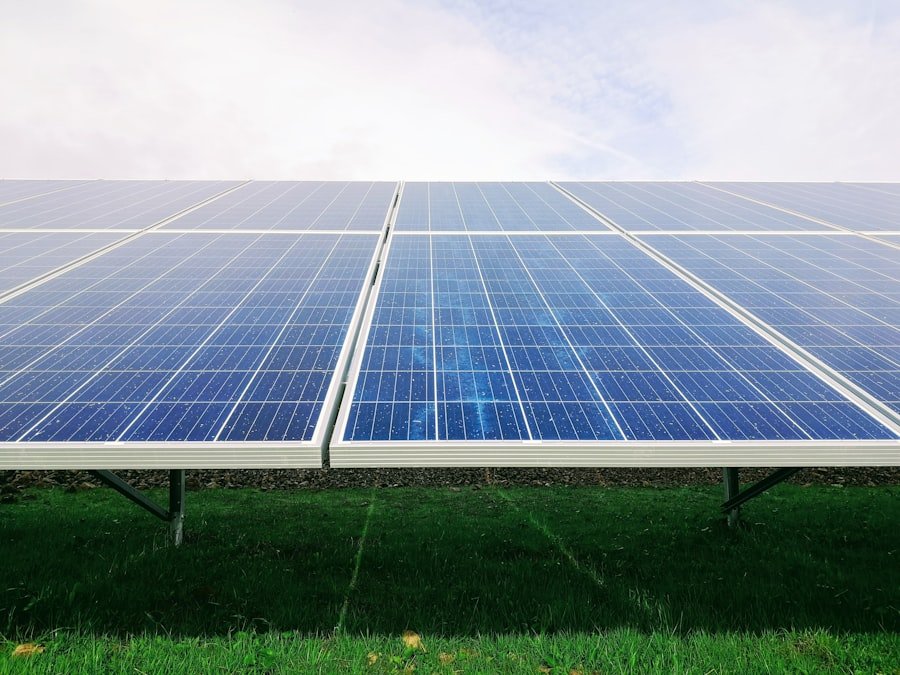
The inverter is often referred to as the heart of your solar energy system because it converts the direct current (DC) generated by your panels into alternating current (AC) that can be used in your home. Therefore, assessing inverter performance is a crucial part of long-term maintenance. Most inverters come with built-in monitoring systems that provide real-time data on their performance.
Regularly checking this data will help you identify any irregularities that may indicate a malfunction. If you notice that your inverter is not performing as expected or if it shows error codes, it’s essential to address these issues promptly. In some cases, inverter problems can be resolved with simple troubleshooting steps; however, if the issue persists, it may require professional attention.
By keeping a close eye on inverter performance, you can ensure that your entire solar energy system operates efficiently and effectively.
Evaluating Battery Health
If your solar energy system includes battery storage, evaluating battery health is an essential aspect of long-term maintenance. Batteries play a crucial role in storing excess energy generated during sunny days for use during cloudy periods or at night. Over time, batteries can degrade due to factors such as temperature fluctuations and charging cycles.
Regularly checking battery health will help you determine whether they are holding a charge effectively or if they need replacement. Most modern batteries come equipped with monitoring systems that provide insights into their state of charge and overall health. Familiarize yourself with these indicators so that you can take action when necessary.
If you notice a significant drop in performance or capacity, it may be time to consult with a professional about replacing your batteries. By staying proactive about battery health, you can ensure that your solar energy system remains reliable and efficient.
Maintaining Surrounding Vegetation
The area surrounding your solar panels plays a significant role in their overall performance. Overgrown trees or shrubs can cast shadows on your panels, reducing their efficiency and energy output. Regularly maintaining surrounding vegetation is essential for ensuring that your solar panels receive maximum sunlight exposure throughout the day.
This may involve trimming branches or removing any plants that could obstruct sunlight. In addition to optimizing sunlight exposure, maintaining surrounding vegetation also helps prevent debris from accumulating on your panels. Leaves and branches can fall onto the surface of the panels, leading to dirt buildup that can hinder performance.
By keeping the area around your solar panels clear and well-maintained, you can enhance their efficiency while also contributing to the overall aesthetics of your property.
Monitoring for Shading Issues
Shading issues can significantly impact the performance of your solar panels, making it essential for you to monitor them regularly. Even partial shading from nearby trees or buildings can lead to reduced energy output and efficiency losses. To assess shading issues effectively, consider using tools such as shading analysis software or apps that help visualize how shadows move across your panels throughout the day.
If you identify shading problems during your monitoring efforts, take action to mitigate them as soon as possible. This could involve trimming trees or relocating objects that cast shadows on your panels. In some cases, installing additional panels in less shaded areas may be necessary to maximize energy production.
By addressing shading issues proactively, you can ensure that your solar energy system operates at its full potential.
Reviewing Manufacturer Warranty and Service Guidelines
Understanding the manufacturer warranty and service guidelines for your solar panels is crucial for long-term maintenance planning. Most manufacturers offer warranties that cover specific components of the system for a set period—typically ranging from 10 to 25 years for panels themselves and shorter periods for inverters and batteries. Familiarize yourself with these warranties so that you know what is covered and what steps you need to take if issues arise.
In addition to warranty information, reviewing service guidelines provided by the manufacturer will help you understand recommended maintenance practices specific to your system. Following these guidelines ensures that you maintain compliance with warranty requirements while also optimizing performance. If any questions arise regarding warranty coverage or service procedures, don’t hesitate to reach out to the manufacturer or an authorized service provider for clarification.
Importance of Long-Term Maintenance for Solar Panels
In conclusion, long-term maintenance for solar panels is not just an option; it’s a necessity if you want to maximize the benefits of your investment in renewable energy. By committing to regular cleaning and inspections, monitoring energy output, checking for physical damage, inspecting wiring and connections, assessing inverter performance, evaluating battery health, maintaining surrounding vegetation, monitoring shading issues, and reviewing manufacturer guidelines, you can ensure that your solar energy system operates efficiently for years to come. Taking these proactive steps not only enhances the performance of your solar panels but also contributes positively to environmental sustainability by ensuring that clean energy continues flowing into homes and communities.
As you embark on this journey toward renewable energy independence, remember that diligent maintenance is key to reaping the full rewards of solar power while protecting both your investment and our planet’s future.
If you are interested in learning more about solar radiation and its impact on solar panel performance, check out this informative article on solar radiation and sun path. Understanding how sunlight interacts with solar panels is crucial for maximizing their efficiency and longevity. Additionally, for those curious about the various applications of solar energy, this article on solar-powered transportation provides insights into how solar power is revolutionizing the way we travel. And if you’re looking for innovative ways to harness solar energy on a smaller scale, be sure to read about the latest advancements in solar-powered phone chargers and gadgets.
FAQs
What are the essential maintenance checklists for long-term solar panel performance?
Regularly cleaning the solar panels, checking for shading issues, inspecting for physical damage, monitoring the system’s performance, and ensuring proper electrical connections are some of the essential maintenance checklists for long-term solar panel performance.
How often should solar panels be cleaned?
Solar panels should be cleaned at least twice a year, or more frequently if they are located in areas with high levels of dust, dirt, or pollution.
What are shading issues and how do they affect solar panel performance?
Shading issues occur when objects such as trees, buildings, or other obstructions cast shadows on the solar panels, reducing their efficiency. It is important to regularly check for shading issues and address them promptly to maintain optimal performance.
Why is it important to inspect for physical damage on solar panels?
Physical damage such as cracks, chips, or scratches on the solar panels can affect their performance and longevity. Regular inspections for physical damage are crucial to ensure the panels continue to function effectively.
How can the performance of a solar panel system be monitored?
The performance of a solar panel system can be monitored by tracking the energy production levels, comparing them to expected output, and identifying any significant deviations. This can be done using monitoring software or by consulting with a professional.
Why is it important to ensure proper electrical connections in a solar panel system?
Proper electrical connections are essential for the safe and efficient operation of a solar panel system. Loose or faulty connections can lead to performance issues and safety hazards, making regular checks and maintenance crucial.