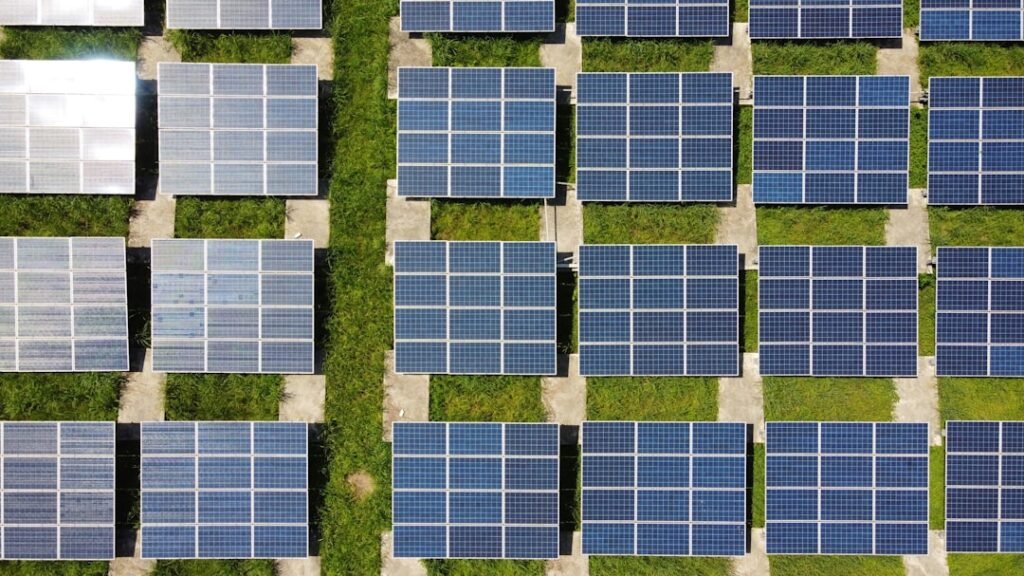
Community solar garden installations represent a transformative approach to harnessing solar energy, allowing individuals and businesses to benefit from renewable energy without the need for personal solar panels. These installations are typically large-scale solar arrays located in a shared space, where multiple participants can subscribe to receive credits on their electricity bills based on the amount of energy produced by the solar garden. This model democratizes access to solar power, making it possible for those who may not have suitable rooftops or the financial means to invest in their own systems to still participate in the clean energy movement.
In essence, community solar gardens serve as a bridge between traditional energy sources and sustainable practices. They empower communities to come together, pooling resources and sharing the benefits of solar energy. This collaborative approach not only fosters a sense of community but also promotes environmental stewardship, as more people become engaged in the transition to renewable energy sources.
By participating in a community solar garden, you can contribute to reducing carbon emissions and supporting local economies while enjoying the financial advantages of solar energy.
Key Takeaways
- Community solar garden installations are shared solar arrays that provide renewable energy to multiple participants.
- Participants in community solar garden installations receive credits on their electricity bills for the energy produced by their share of the solar array.
- Community solar garden installations offer benefits such as cost savings, access to renewable energy, and the ability to support local clean energy projects.
- To join a community solar garden, individuals can typically sign up with a developer or subscribe to a specific portion of the solar array.
- Understanding the investment structure of a community solar garden is important, as it can involve upfront costs, ongoing subscriptions, or long-term contracts.
How Do Community Solar Garden Installations Work?
How Community Solar Gardens Work
When you join a community solar garden, you essentially purchase or lease a portion of the energy produced by the solar panels installed in that garden. The energy generated is fed into the local grid, and you receive credits on your utility bill proportional to your share of the energy produced.
Benefits of Community Solar
This means that even if you live in an apartment or a home that isn’t conducive to solar panel installation, you can still enjoy the benefits of solar energy.
The Process of Community Solar
The process begins with the development of a solar garden, which involves selecting a suitable site, obtaining necessary permits, and installing the solar panels. Once operational, the garden generates electricity that is distributed to the grid. Your utility company tracks the amount of energy produced and allocates credits to your account based on your subscription level. This system not only provides you with renewable energy but also allows you to save money on your electricity bills, making it an attractive option for many.
The Benefits of Community Solar Garden Installations
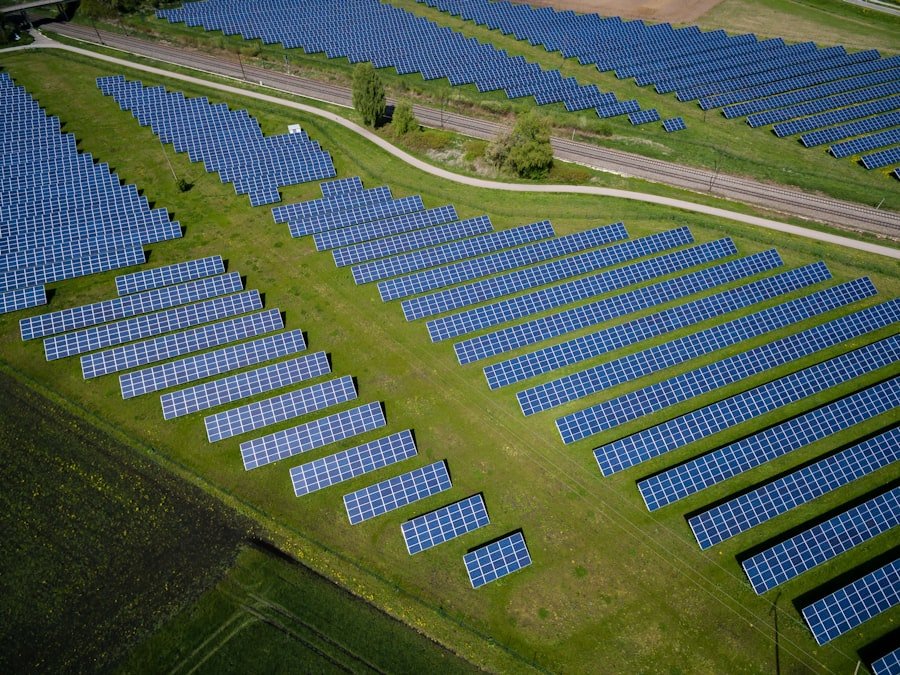
Participating in a community solar garden offers numerous benefits that extend beyond just financial savings. One of the most significant advantages is accessibility. Community solar gardens make it possible for renters, low-income households, and those with unsuitable roofs to access clean energy.
This inclusivity helps to level the playing field in terms of renewable energy adoption, allowing more people to contribute to and benefit from sustainable practices. Additionally, community solar gardens promote local economic development. By investing in local solar projects, you are supporting job creation within your community.
These installations often require local labor for construction and maintenance, which can lead to increased employment opportunities. Furthermore, as more communities adopt solar energy, they can reduce their reliance on fossil fuels, leading to a healthier environment and potentially lower energy costs in the long run.
How to Join a Community Solar Garden
Joining a community solar garden is typically a straightforward process that begins with research. You should start by identifying available community solar programs in your area. Many utility companies or local governments provide information about existing solar gardens and how you can participate.
Websites dedicated to renewable energy resources can also be valuable tools for finding community solar options near you. Once you’ve identified a suitable program, you’ll need to review the terms and conditions associated with joining. This may include understanding the subscription fees, contract length, and how credits will be applied to your utility bill.
After selecting a program that meets your needs, you can complete an application or enrollment process, which may involve providing some personal information and agreeing to the terms of participation. Once enrolled, you’ll begin receiving credits on your electricity bill based on your share of the energy produced by the solar garden.
Understanding the Investment Structure
The investment structure of community solar gardens can vary significantly depending on the specific project and its financing model. Generally, there are two primary structures: subscription-based models and ownership models. In a subscription-based model, you pay a monthly fee or make an upfront payment for a share of the energy produced by the solar garden without owning any physical assets.
This model is often more accessible for individuals who may not have significant capital to invest upfront. On the other hand, ownership models allow participants to invest directly in the solar garden, often providing greater long-term savings and potential returns on investment. In this case, you would own a portion of the solar panels and receive credits based on their output.
Understanding these investment structures is crucial for making an informed decision about which type of participation aligns best with your financial goals and energy needs.
The Role of Solar Garden Developers
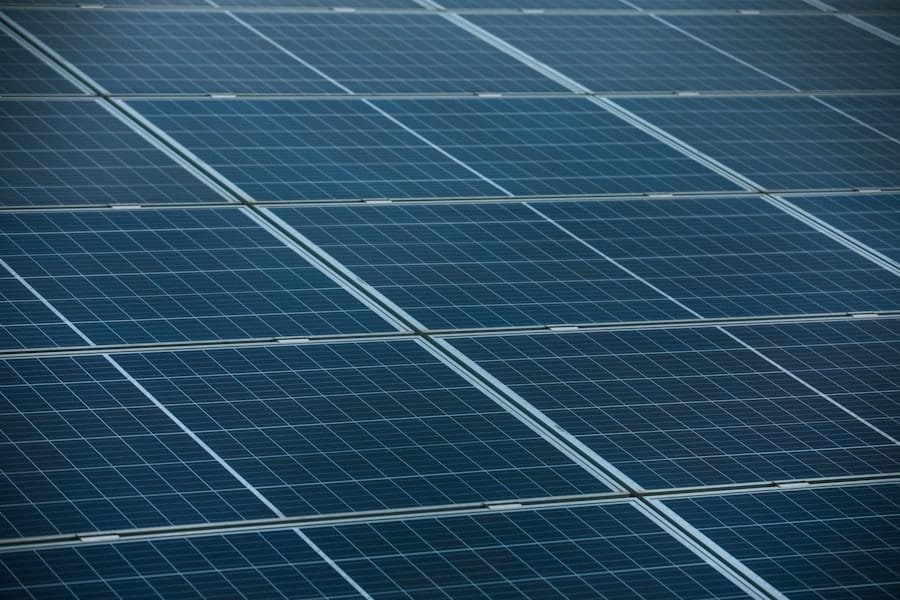
Solar garden developers play a pivotal role in bringing community solar projects to fruition. These professionals are responsible for identifying suitable locations for installations, securing financing, obtaining necessary permits, and overseeing construction and operation. Their expertise ensures that projects are completed efficiently and comply with all regulatory requirements.
As a participant in a community solar garden, you may interact with developers during the enrollment process or through ongoing communications about project updates and performance metrics. Developers often provide valuable information about how much energy is being produced and how it translates into savings for subscribers. Their commitment to transparency helps build trust within the community and encourages more individuals to consider joining these sustainable initiatives.
Community Solar Garden Installation Regulations
Community solar gardens are subject to various regulations that govern their development and operation. These regulations can vary significantly by state or region, impacting everything from site selection to interconnection with the local grid. Understanding these regulations is essential for both developers and participants alike.
For you as a potential subscriber, it’s important to be aware of any local policies that may affect your ability to join a community solar garden. Some states have specific laws promoting community solar initiatives, while others may have more restrictive regulations that could limit participation options. Staying informed about these regulations can help you navigate the process more effectively and ensure that you are making an informed decision when choosing a community solar program.
Examples of Successful Community Solar Garden Installations
Across the country, numerous successful community solar garden installations serve as inspiring examples of what can be achieved through collective action and investment in renewable energy. For instance, one notable project is located in Minnesota, where several community solar gardens have been developed as part of a state initiative aimed at increasing access to clean energy. These gardens have not only provided significant savings for participants but have also contributed to local job creation and environmental sustainability.
Another example can be found in Colorado, where community solar gardens have gained traction due to supportive legislation and strong public interest in renewable energy. These projects have allowed residents from diverse backgrounds to engage with solar power while fostering a sense of community pride and environmental responsibility. By examining these successful installations, you can gain insights into how community solar gardens can positively impact both individuals and communities as a whole.
Overcoming Challenges in Community Solar Garden Installations
While community solar gardens offer many benefits, they also face challenges that must be addressed for successful implementation. One significant hurdle is securing financing for these projects, as initial costs can be high despite long-term savings potential. Developers often need to navigate complex funding structures and seek out grants or incentives that can help offset costs.
Additionally, public awareness and understanding of community solar gardens remain limited in some areas. Many individuals may not be aware of their options or how they can participate in such initiatives. As someone interested in joining a community solar garden, advocating for increased education and outreach efforts can help overcome this barrier and encourage more people to consider participating in renewable energy solutions.
The Future of Community Solar Garden Installations
The future of community solar garden installations looks promising as more individuals and communities recognize the importance of transitioning to renewable energy sources. With advancements in technology and decreasing costs associated with solar power generation, these installations are becoming increasingly viable options for communities across the country. Moreover, as climate change continues to pose significant challenges globally, there is growing momentum behind policies that support renewable energy initiatives like community solar gardens.
As more states adopt favorable legislation and incentives for clean energy projects, you may find even more opportunities to participate in these initiatives in your area.
How to Get Involved in Community Solar Garden Installations
Getting involved in community solar garden installations is an empowering way to contribute to sustainable practices while enjoying financial benefits. Start by researching local programs available in your area; many utility companies provide resources that outline existing community solar gardens and how you can participate. Consider attending informational sessions or workshops hosted by local organizations focused on renewable energy advocacy.
These events often provide valuable insights into how community solar works and how you can become an active participant in these initiatives. By engaging with your community and advocating for clean energy solutions, you not only enhance your understanding but also inspire others to join the movement toward a more sustainable future. In conclusion, community solar garden installations represent an innovative solution for expanding access to renewable energy while fostering community engagement and environmental responsibility.
By understanding how these systems work and exploring ways to participate, you can play an active role in shaping a cleaner, greener future for yourself and your community.
If you are interested in exploring solar power options beyond community solar gardens, you may want to consider installing solar panels on your RV. This article from solarcompaniesinstallationnear.me provides information on how to harness solar energy while on the go. Additionally, if you are looking for a reputable solar company to help with your installation, Sunrun is a popular choice. Check out solarcompaniesinstallationnear.me for more details on their services. And if you are interested in financing options and incentives for solar power, this article on solarcompaniesinstallationnear.me provides valuable information on state and local incentives available for solar installations.
FAQs
What is a community solar garden installation?
A community solar garden installation is a solar power installation that is shared by multiple community members who may not have access to solar panels on their own properties.
How does a community solar garden installation work?
Community members can purchase or lease a portion of the solar garden’s output, and in return, they receive credits on their electricity bills for the power generated by their share of the installation.
What are the benefits of community solar garden installations?
Community solar garden installations allow individuals to benefit from solar power without having to install panels on their own properties. They also provide access to clean energy for those who may not have the ability to install solar panels.
How are the costs and rewards shared in a community solar garden installation?
The costs of the installation are shared among the community members who participate, and the rewards come in the form of credits on their electricity bills for the power generated by their share of the installation.
Are community solar garden installations a sustainable energy option?
Yes, community solar garden installations are a sustainable energy option as they provide access to clean, renewable energy for community members who may not have the ability to install solar panels on their own properties.