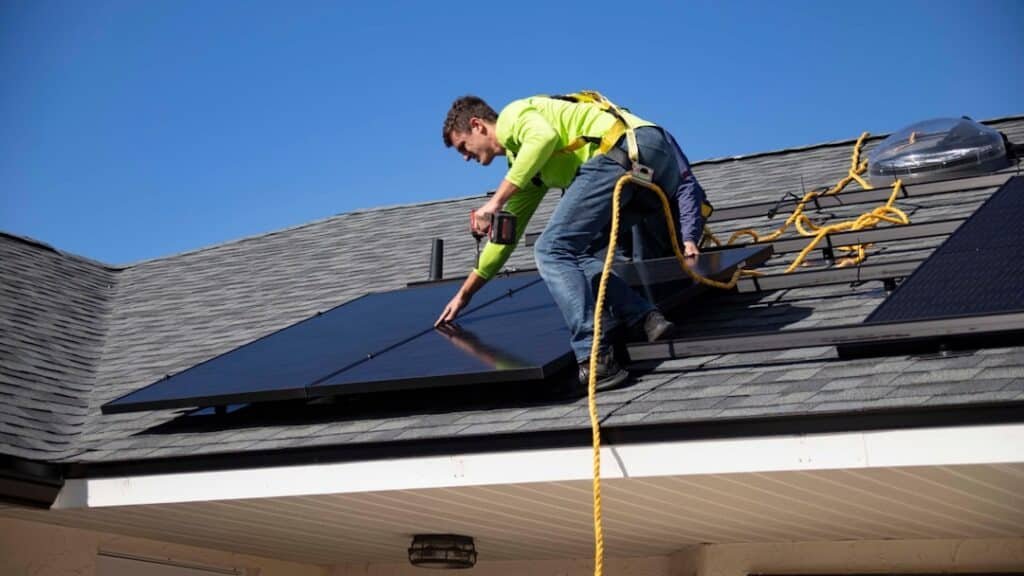
When you think about energy independence, off-grid solar systems often come to mind. These systems allow you to generate your own electricity without relying on the traditional power grid. This means you can harness the sun’s energy to power your home, cabin, or even a mobile setup, all while reducing your carbon footprint.
Off-grid solar systems typically consist of solar panels, batteries for energy storage, an inverter to convert the stored energy into usable electricity, and sometimes backup generators for those rare occasions when the sun isn’t shining. The beauty of off-grid solar systems lies in their versatility. Whether you live in a remote area or simply want to reduce your reliance on conventional energy sources, these systems can be tailored to meet your specific needs.
You have the freedom to design a system that fits your lifestyle, whether that means powering a small cabin or a larger family home. Understanding the components and how they work together is crucial for anyone considering this sustainable energy solution.
Key Takeaways
- Off-grid solar systems are independent energy systems that generate and store electricity without being connected to the main power grid.
- Determining energy consumption is crucial for sizing the solar panels and batteries needed for the off-grid system.
- Assessing solar potential involves evaluating the amount of sunlight available at the installation site to determine the system’s energy production capacity.
- Sizing solar panels involves calculating the number and wattage of panels required to meet the energy needs of the off-grid system.
- Selecting batteries involves choosing the right type and capacity of batteries to store excess energy generated by the solar panels for use during low sunlight periods.
Determining Energy Consumption
Before diving into the world of off-grid solar systems, it’s essential to assess your energy consumption. This step is critical because it helps you understand how much energy you use on a daily basis, which in turn informs the size and capacity of the solar system you will need. Start by reviewing your utility bills or using an energy monitor to track your usage over time.
Pay attention to peak usage times and identify which appliances consume the most power. Once you have a clear picture of your energy consumption, you can begin to make informed decisions about your off-grid solar system. For instance, if you find that your household relies heavily on high-energy appliances like air conditioners or electric heaters, you may need a more robust system with larger solar panels and more battery storage.
Conversely, if your energy needs are modest, you might be able to get away with a smaller setup. Understanding your consumption patterns not only helps in sizing your system but also encourages you to adopt energy-efficient practices that can further reduce your overall usage.
Assessing Solar Potential
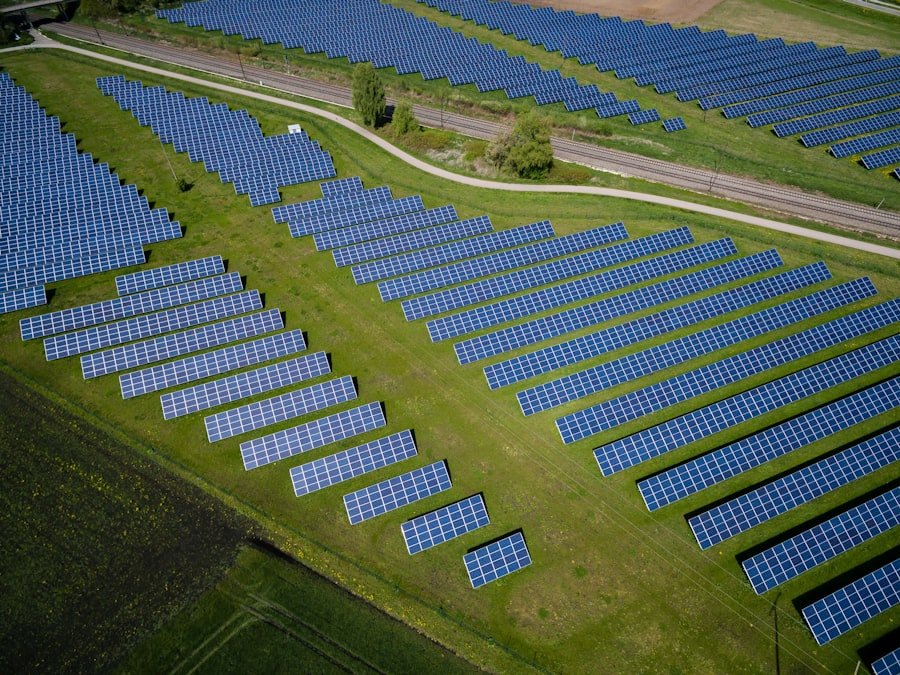
After determining your energy consumption, the next step is to assess the solar potential of your location. Not all areas receive the same amount of sunlight throughout the year, and understanding this can significantly impact the efficiency of your off-grid solar system. You can start by researching solar insolation maps for your region, which provide data on average sunlight hours per day.
Additionally, consider factors such as shading from trees or buildings that could obstruct sunlight from reaching your panels. Conducting a site assessment is also beneficial. This involves evaluating the orientation and tilt of your roof or ground space where the solar panels will be installed.
Ideally, panels should face south in the Northern Hemisphere for maximum exposure to sunlight. If you have limited roof space or face challenges with shading, you might need to explore alternative mounting options or even ground-mounted systems that can be positioned for optimal sun exposure. By thoroughly assessing your solar potential, you can ensure that your investment in an off-grid solar system yields the best possible results.
Sizing Solar Panels
Once you have a clear understanding of your energy consumption and solar potential, it’s time to size your solar panels appropriately. The size of the solar array will depend on both the amount of energy you need to generate and the amount of sunlight available in your area. A common approach is to calculate the total wattage required by dividing your daily energy consumption (in watt-hours) by the average number of sunlight hours per day in your location.
For example, if you consume 1,800 watt-hours per day and receive an average of 5 sunlight hours per day, you would need a solar array capable of producing at least 360 watts (1,800 watt-hours ÷ 5 hours). However, it’s wise to account for inefficiencies in the system and potential future increases in energy consumption. Therefore, many experts recommend adding an extra 20-30% to your calculations to ensure that you have enough capacity to meet your needs even during less sunny days.
Selecting Batteries
Batteries are a crucial component of any off-grid solar system as they store excess energy generated during sunny days for use when sunlight is scarce. When selecting batteries, consider factors such as capacity, depth of discharge (DoD), and lifespan. The capacity of a battery is measured in amp-hours (Ah) and indicates how much energy it can store.
To determine how many batteries you need, calculate your daily energy consumption and divide it by the DoD percentage of the battery type you choose. There are several types of batteries available for off-grid systems, including lead-acid and lithium-ion options. Lead-acid batteries are often more affordable upfront but have shorter lifespans and lower DoD ratings compared to lithium-ion batteries.
On the other hand, lithium-ion batteries tend to be more expensive but offer greater efficiency and longer life cycles. Ultimately, the choice will depend on your budget and how much maintenance you’re willing to undertake.
Choosing an Inverter
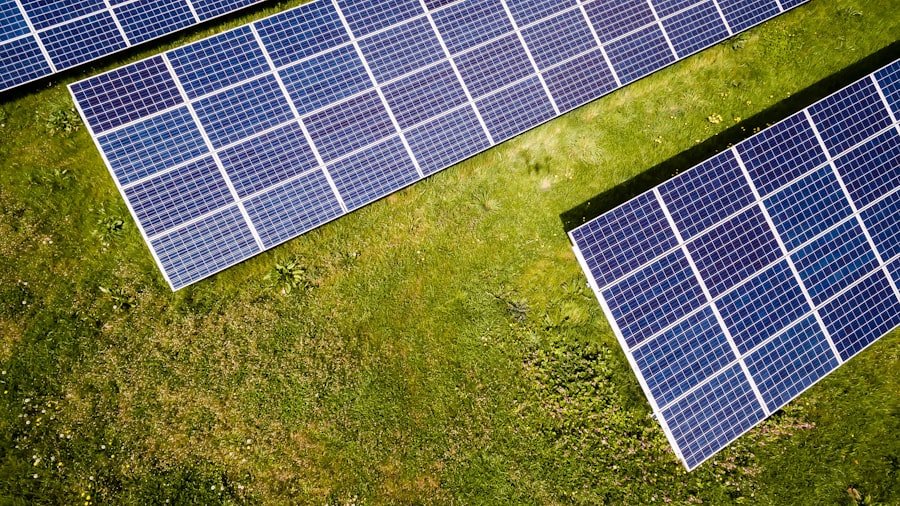
The inverter is another vital component of an off-grid solar system as it converts the direct current (DC) generated by solar panels into alternating current (AC), which is what most household appliances use. When choosing an inverter, consider its capacity and type. The inverter must be able to handle the total wattage of all devices that will be running simultaneously in your home.
There are two main types of inverters: pure sine wave and modified sine wave. Pure sine wave inverters produce a smooth waveform similar to that of grid power and are ideal for sensitive electronics like computers and televisions. Modified sine wave inverters are less expensive but may not be suitable for all devices due to their less stable output.
Depending on your specific needs and budget, selecting the right inverter will ensure that your off-grid system operates efficiently and safely.
Factoring in Backup Generators
While off-grid solar systems can provide a reliable source of energy, there may be times when additional power is needed—especially during prolonged periods of cloudy weather or increased energy demand. This is where backup generators come into play. Incorporating a generator into your off-grid setup can provide peace of mind and ensure that you have access to electricity when needed.
When selecting a backup generator, consider its fuel type—gasoline, diesel, propane, or natural gas—and its capacity to meet your power needs during outages. It’s also essential to think about how often you plan to use the generator and whether it will be used as a primary power source or merely as a backup option. By factoring in a generator as part of your overall system design, you can create a more resilient off-grid solution that meets all your energy needs.
Monitoring and Maintaining the System
Once your off-grid solar system is up and running, ongoing monitoring and maintenance are essential for ensuring its longevity and efficiency. Regularly checking the performance of your solar panels, batteries, and inverter will help identify any issues before they become significant problems. Many modern systems come equipped with monitoring software that allows you to track energy production and consumption in real-time.
Maintenance tasks may include cleaning solar panels to remove dirt or debris that could block sunlight, checking battery connections for corrosion, and ensuring that all components are functioning correctly. Additionally, keeping an eye on weather conditions can help you prepare for any potential impacts on energy production. By staying proactive with monitoring and maintenance, you can maximize the benefits of your off-grid solar system while enjoying the freedom and independence it provides.
In conclusion, transitioning to an off-grid solar system is an empowering journey that requires careful planning and consideration at every step. From understanding how these systems work to selecting the right components tailored to your specific needs, each decision plays a crucial role in achieving energy independence. By taking the time to assess your energy consumption, evaluate solar potential, size panels appropriately, choose suitable batteries and inverters, factor in backup generators, and commit to ongoing monitoring and maintenance, you can create a sustainable energy solution that not only meets your needs but also contributes positively to the environment.
If you are considering installing an off-grid solar system, you may also be interested in learning about Sunrun Solar Company. Sunrun is a leading provider of residential solar power systems, including hybrid systems that can help you achieve energy independence. Their expertise in solar energy for household use can provide valuable insights into optimizing your off-grid solar needs. To read more about Sunrun Solar Company, visit this link.
FAQs
What is off-grid solar power?
Off-grid solar power refers to a system that generates electricity from solar panels and stores it in batteries for use when the sun is not shining. This allows for electricity to be used in remote locations or in areas where grid power is not available.
How do I calculate my off-grid solar power needs?
To calculate your off-grid solar power needs, you will need to determine your daily energy consumption, the amount of sunlight your location receives, and the efficiency of the solar panels. This will help you determine the size of the solar array and battery bank needed to meet your energy needs.
What factors should I consider when calculating off-grid solar needs?
When calculating off-grid solar needs, it is important to consider factors such as the energy consumption of appliances and devices, the location and orientation of the solar panels, the efficiency of the solar panels, and the storage capacity of the battery bank.
What are the components of an off-grid solar power system?
An off-grid solar power system typically consists of solar panels, a charge controller, a battery bank, an inverter, and a backup generator. The solar panels generate electricity, which is stored in the battery bank and converted to usable AC power by the inverter.
How can I maximize the efficiency of my off-grid solar power system?
To maximize the efficiency of an off-grid solar power system, it is important to use energy-efficient appliances and devices, properly size the solar array and battery bank, and regularly maintain and monitor the system. Additionally, optimizing the orientation and tilt of the solar panels can help maximize energy production.