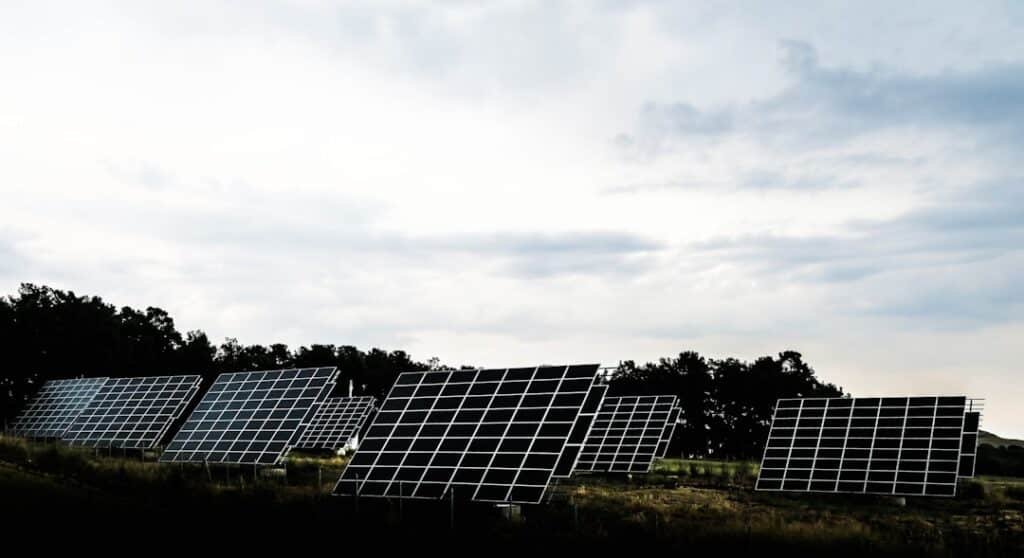
Building-Integrated Photovoltaics (BIPV) represent a revolutionary approach to harnessing solar energy by integrating photovoltaic materials directly into the building structure. Unlike traditional solar panels that are installed on rooftops or mounted on frames, BIPV systems are seamlessly incorporated into the building’s architecture. This can include solar shingles, windows, and facades that not only serve their primary function—such as providing shelter or allowing light in—but also generate electricity.
By merging aesthetics with functionality, BIPV transforms buildings into energy-producing assets. As you explore the concept of BIPV, you may find it fascinating how this technology aligns with modern architectural trends. The integration of solar technology into the very fabric of buildings allows for innovative designs that can enhance the visual appeal of structures while promoting sustainability.
This dual purpose is particularly appealing in urban environments where space is limited, and the demand for renewable energy sources is growing. BIPV is not just a technological advancement; it represents a shift in how we think about energy consumption and architectural design.
Key Takeaways
- Building-Integrated Photovoltaics (BIPV) are solar panels that are seamlessly integrated into a building’s architecture, serving as both a functional and aesthetic element.
- The benefits of BIPV include energy cost savings, reduced environmental impact, and increased property value.
- BIPV works by converting sunlight into electricity using solar cells, which are typically made of silicon or other semiconducting materials.
- There are different types of BIPV, including solar roof tiles, solar facades, and solar windows, each offering unique design and installation considerations.
- BIPV has a positive environmental impact by reducing greenhouse gas emissions and decreasing reliance on non-renewable energy sources.
The Benefits of Building-Integrated Photovoltaics
Reduced Energy Costs
By generating your own electricity, you can significantly lower your utility bills and even achieve energy independence over time. This financial incentive is particularly appealing in an era where energy prices are volatile and often on the rise.
Environmental Sustainability
BIPV systems contribute to environmental sustainability by utilizing renewable energy sources, actively reducing your carbon footprint, and contributing to a cleaner planet. This aligns with global efforts to combat climate change and promotes a more sustainable future.
Government Incentives and Environmental Benefits
Furthermore, many governments offer incentives for incorporating renewable energy technologies into buildings, which can further offset initial installation costs. The combination of financial savings and environmental benefits makes BIPV an increasingly popular choice among homeowners and developers alike.
How Building-Integrated Photovoltaics Work

Understanding how Building-Integrated Photovoltaics function is essential to appreciating their value. At their core, BIPV systems operate on the same principles as traditional solar panels. They convert sunlight into electricity through photovoltaic cells, which are made from semiconductor materials like silicon.
When sunlight hits these cells, it excites electrons, creating an electric current that can be harnessed for use in your home or building. The integration aspect of BIPV means that these photovoltaic materials are designed to blend seamlessly with building components. For instance, solar windows not only allow natural light to enter but also generate electricity while maintaining transparency.
This innovative approach allows you to maximize energy production without compromising on aesthetics or functionality. As you consider incorporating BIPV into your building design, it’s important to understand how these systems can be tailored to meet your specific energy needs while enhancing the overall architectural vision.
The Different Types of Building-Integrated Photovoltaics
There are several types of Building-Integrated Photovoltaics, each offering unique advantages depending on your design goals and energy requirements. One common type is solar shingles, which resemble traditional roofing materials but are embedded with photovoltaic cells. These shingles provide a sleek appearance while generating electricity, making them an excellent choice for residential applications.
Another type is solar facades, which can be integrated into the exterior walls of a building. These facades not only serve as a protective barrier but also capture sunlight to produce energy. Additionally, transparent solar panels can be used in windows, allowing natural light to filter through while still generating power.
Each type of BIPV offers distinct benefits and can be selected based on factors such as location, climate, and architectural style. As you explore these options, consider how they can enhance both the functionality and aesthetic appeal of your building.
The Environmental Impact of Building-Integrated Photovoltaics
The environmental impact of Building-Integrated Photovoltaics is profound and multifaceted. By generating clean energy from sunlight, BIPV systems help reduce reliance on fossil fuels, which are a major contributor to greenhouse gas emissions. This shift towards renewable energy sources is crucial in combating climate change and promoting a sustainable future for generations to come.
Moreover, BIPV systems can contribute to urban heat island mitigation by reducing the amount of heat absorbed by buildings. Traditional roofing materials often reflect heat, leading to increased temperatures in urban areas. In contrast, BIPV materials can help regulate building temperatures while producing energy, creating a more comfortable living environment.
As you consider the environmental implications of your building design, integrating BIPV can play a significant role in promoting sustainability and reducing your ecological footprint.
The Cost of Building-Integrated Photovoltaics

Long-term Savings
While the initial investment in Building-Integrated Photovoltaics may seem daunting, it’s essential to consider the long-term financial benefits they offer. The cost of BIPV systems varies depending on factors such as the type of materials used, installation complexity, and the scale of the project. However, many homeowners find that the savings on energy bills can offset these initial costs over time.
Government Incentives
Additionally, government incentives and rebates for renewable energy installations can significantly reduce the financial burden associated with BIPV systems. Many regions offer tax credits or grants for incorporating solar technology into buildings, making it more accessible for homeowners and developers alike.
Considering the Bigger Picture
As you evaluate the cost of BIPV, it’s crucial to consider not only the upfront investment but also the potential for long-term savings and environmental benefits that come with adopting this innovative technology.
Design Considerations for Building-Integrated Photovoltaics
When incorporating Building-Integrated Photovoltaics into your building design, several key considerations should guide your decisions. First and foremost is the orientation and placement of photovoltaic materials to maximize sunlight exposure throughout the day. Understanding local climate conditions and seasonal variations will help you determine the most effective positioning for optimal energy production.
Aesthetic integration is another critical factor to consider. BIPV systems should complement the overall architectural style of your building rather than detract from it. Collaborating with architects and designers who specialize in sustainable design can help ensure that your BIPV installation enhances both functionality and visual appeal.
As you embark on this journey, keep in mind that thoughtful design choices can lead to a harmonious blend of form and function in your building.
Case Studies of Successful Building-Integrated Photovoltaics Projects
Examining successful case studies of Building-Integrated Photovoltaics can provide valuable insights into best practices and innovative applications of this technology. One notable example is the Bosco Verticale (Vertical Forest) in Milan, Italy, which features residential towers adorned with trees and plants alongside integrated solar panels. This project not only generates renewable energy but also enhances urban biodiversity and improves air quality.
Another inspiring case study is the Edge in Amsterdam, often touted as one of the greenest office buildings in the world. Its design incorporates extensive BIPV elements that contribute to its energy efficiency while providing a modern aesthetic. These examples illustrate how BIPV can be effectively integrated into various building types and styles, showcasing its versatility and potential for transforming urban landscapes.
The Future of Building-Integrated Photovoltaics
The future of Building-Integrated Photovoltaics looks promising as advancements in technology continue to evolve. Innovations in materials science are leading to more efficient photovoltaic cells that can generate higher energy outputs while occupying less space. Additionally, developments in smart building technologies are enabling better integration of BIPV systems with energy management solutions, allowing for real-time monitoring and optimization of energy consumption.
As public awareness of climate change grows, there is an increasing demand for sustainable building practices that prioritize renewable energy sources like BIPV. This trend is likely to drive further investment in research and development within the field, leading to even more innovative solutions that enhance both performance and aesthetics. As you consider the future of your building projects, embracing BIPV technology could position you at the forefront of sustainable architecture.
Challenges and Limitations of Building-Integrated Photovoltaics
Despite their many advantages, Building-Integrated Photovoltaics do face certain challenges and limitations that must be addressed. One significant hurdle is the higher upfront cost compared to traditional solar panel installations. While long-term savings can offset these costs, the initial investment may deter some homeowners or developers from pursuing BIPV options.
Additionally, there may be limitations regarding energy output based on the specific materials used and their placement within the building design. For instance, certain architectural features or shading from nearby structures can impact the efficiency of photovoltaic systems. As you navigate these challenges, it’s essential to conduct thorough research and consult with experts who can help you identify solutions that maximize both performance and aesthetic appeal.
How to Incorporate Building-Integrated Photovoltaics into Your Building Design
Incorporating Building-Integrated Photovoltaics into your building design requires careful planning and collaboration with various stakeholders. Start by assessing your energy needs and determining how much electricity you aim to generate through BIPV systems. This will guide your decisions regarding material selection and system design.
Engaging with architects who specialize in sustainable design is crucial for ensuring that BIPV elements are seamlessly integrated into your overall vision. They can help you explore different types of BIPV materials—such as solar shingles or facades—and determine their optimal placement within your building’s architecture. Additionally, consulting with renewable energy experts will provide insights into local regulations, incentives, and best practices for installation.
As you embark on this journey toward integrating BIPV into your building design, remember that this technology not only enhances energy efficiency but also contributes to a more sustainable future for our planet. By making informed choices and collaborating with knowledgeable professionals, you can create a space that embodies both innovation and environmental responsibility.
Building-Integrated Photovoltaics: The Future of Solar Panel Architecture is a fascinating article that explores the innovative ways in which solar panels can be seamlessly integrated into building design. For those interested in learning more about the practical aspects of installing solar panels, Solar Panels Amazon offers a comprehensive guide to purchasing and installing solar panels for residential use. Additionally, Solar Panel Manufacturers Near Me provides valuable information on the top manufacturers in the industry, helping readers make informed decisions when choosing solar panels for their homes or businesses.
FAQs
What are building-integrated photovoltaics (BIPV)?
Building-integrated photovoltaics (BIPV) are solar panels that are integrated directly into a building’s architecture, serving as both a functional component and a design element.
How do building-integrated photovoltaics work?
BIPV systems work by converting sunlight into electricity using solar cells, which are typically made of silicon. The electricity generated can be used to power the building or be fed back into the grid.
What are the benefits of building-integrated photovoltaics?
Some benefits of BIPV include energy generation, reduced electricity costs, lower carbon footprint, and architectural integration, as the panels can be seamlessly incorporated into the building’s design.
What are the different types of building-integrated photovoltaics?
There are various types of BIPV systems, including solar roof tiles, solar facades, solar windows, and solar shading structures, each offering different design and energy generation possibilities.
What is the future potential of building-integrated photovoltaics?
The future of BIPV looks promising, as advancements in technology and design are making it more cost-effective and aesthetically appealing. BIPV has the potential to play a significant role in sustainable architecture and energy production.