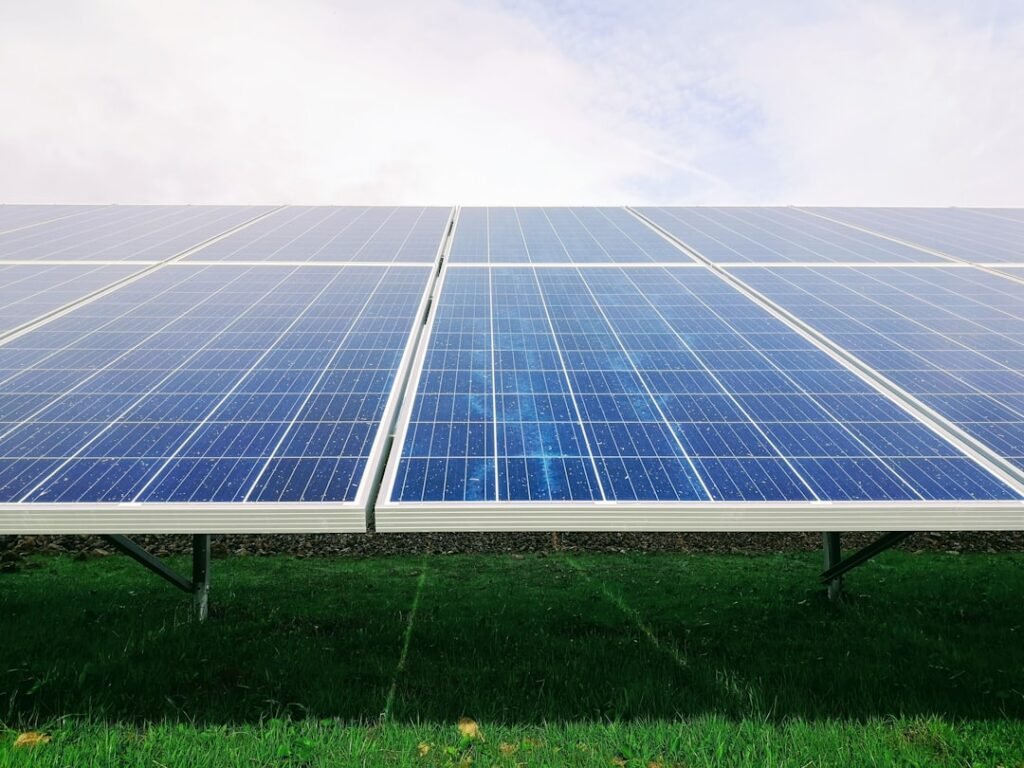
When you consider the increasing frequency and intensity of natural disasters, it becomes clear that solar installations in disaster-prone regions face unique vulnerabilities. These vulnerabilities stem from various factors, including extreme weather events such as hurricanes, floods, and wildfires. For instance, high winds can dislodge solar panels or damage their structural integrity, while flooding can lead to electrical failures and corrosion.
Understanding these risks is crucial for anyone involved in the design, installation, or maintenance of solar energy systems in areas susceptible to such calamities. Moreover, the geographical and environmental context plays a significant role in determining the specific vulnerabilities of solar installations. Coastal regions may experience saltwater corrosion, while areas prone to wildfires must contend with the risk of heat and smoke damage.
By recognizing these vulnerabilities, you can take proactive measures to mitigate risks and enhance the resilience of solar installations. This understanding not only protects your investment but also ensures that solar energy remains a reliable power source during and after disasters.
Key Takeaways
- Solar installations in disaster-prone regions are vulnerable to natural disasters such as hurricanes, earthquakes, and floods.
- Natural disasters can have a significant impact on solar infrastructure, leading to damage and disruption of power supply.
- Resilient solar installations for disaster-prone regions should be designed to withstand extreme weather conditions and potential damage.
- Advanced weather monitoring and early warning systems are essential for predicting and preparing for natural disasters that could affect solar installations.
- Redundant and flexible solar power systems are crucial for ensuring continuous power supply during and after natural disasters.
Assessing the Impact of Natural Disasters on Solar Infrastructure
Immediate Consequences
In the immediate aftermath, solar panels may be physically damaged or rendered inoperable due to debris, flooding, or structural failures. This can lead to significant power outages, especially in regions where solar energy is a primary source of electricity. The loss of power can disrupt essential services, including hospitals, emergency response centers, and communication networks.
Long-term Consequences
In the long term, the consequences can be even more severe. Damage to solar installations may require extensive repairs or replacements, leading to increased costs and prolonged downtime. Additionally, the psychological impact on communities that rely on solar energy cannot be overlooked. When experiencing a disaster that disrupts the power supply, it can erode trust in renewable energy solutions and hinder future investments in solar technology.
Broader Implications
Therefore, assessing the impact of natural disasters on solar infrastructure is not just about evaluating physical damage; it also involves understanding the broader implications for energy security and community resilience.
Designing Resilient Solar Installations for Disaster-Prone Regions
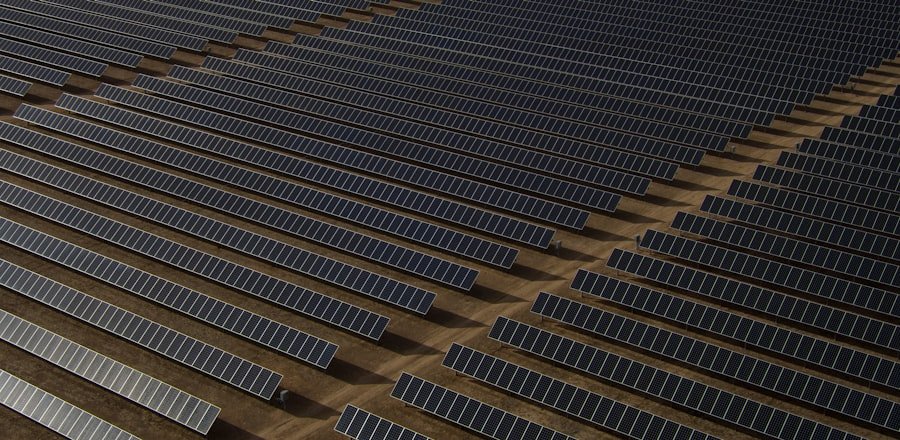
Designing resilient solar installations requires a comprehensive approach that takes into account the specific challenges posed by disaster-prone regions. You must prioritize durability and robustness in your design choices. This means selecting materials that can withstand extreme weather conditions, such as high winds and heavy rainfall.
For example, using impact-resistant glass for solar panels can help protect them from hail damage, while reinforced mounting systems can ensure stability during storms. Additionally, you should consider the layout and orientation of solar installations. Elevating panels above potential flood levels can prevent water damage, while strategic placement can minimize exposure to harsh winds.
Incorporating flexible design elements that allow for easy adjustments or repairs can also enhance resilience. By focusing on these design principles, you can create solar installations that not only survive but thrive in disaster-prone environments.
Incorporating Advanced Weather Monitoring and Early Warning Systems
Incorporating advanced weather monitoring and early warning systems into your solar installations is essential for enhancing their resilience. These systems provide real-time data on weather conditions, allowing you to anticipate potential threats and take proactive measures to protect your infrastructure. For instance, if a severe storm is forecasted, you can implement procedures to secure panels or temporarily shut down systems to prevent damage.
Moreover, early warning systems can facilitate better communication with local communities and authorities. By sharing weather data and alerts, you can help residents prepare for impending disasters and ensure that emergency services are ready to respond effectively. This collaborative approach not only safeguards your solar installations but also strengthens community resilience as a whole.
By investing in advanced monitoring technologies, you position yourself as a leader in disaster preparedness within the renewable energy sector.
Implementing Redundant and Flexible Solar Power Systems
Implementing redundant and flexible solar power systems is a strategic way to enhance the reliability of your energy supply in disaster-prone regions. Redundancy involves creating backup systems that can take over if primary systems fail. For example, integrating multiple solar arrays or combining solar power with other renewable sources like wind or hydroelectricity can provide a more stable energy supply during emergencies.
Flexibility is equally important; it allows you to adapt your energy systems based on changing conditions or needs. For instance, if one part of your solar installation is damaged during a disaster, having a flexible system enables you to reroute power from unaffected areas or switch to alternative energy sources seamlessly. By prioritizing redundancy and flexibility in your design and implementation strategies, you ensure that your solar installations remain operational even in the face of adversity.
Utilizing Innovative Mounting and Racking Systems for Solar Panels
Optimizing Energy Capture and Reducing Wind Resistance
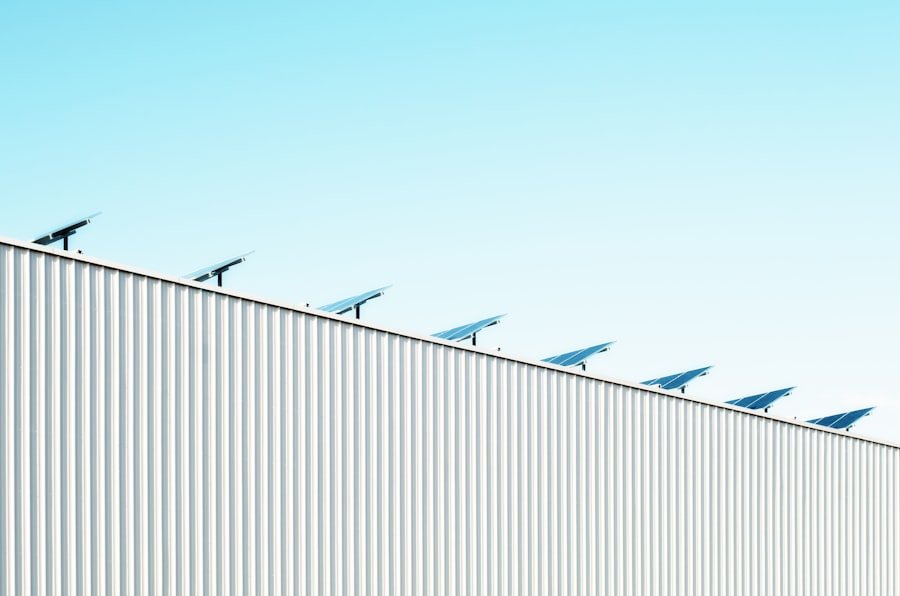
The choice of mounting and racking systems for solar panels plays a critical role in their resilience against natural disasters. You should explore innovative solutions that enhance stability and durability while minimizing vulnerability to extreme weather conditions. For example, adjustable mounting systems allow you to change the angle of panels based on seasonal weather patterns or specific storm forecasts, optimizing energy capture while reducing wind resistance.
Ground-Mounted Systems for High Winds and Flooding
Additionally, consider using ground-mounted systems with deep foundations that can withstand high winds and flooding. Elevated racking systems can also protect panels from water damage during heavy rains or storm surges.
Enhancing Longevity and Performance
By investing in innovative mounting solutions, you not only improve the longevity of your solar installations but also enhance their overall performance during challenging weather events.
Integrating Energy Storage Solutions for Backup Power
Integrating energy storage solutions into your solar installations is essential for ensuring a reliable power supply during emergencies. Battery storage systems allow you to store excess energy generated during sunny days for use when sunlight is scarce or when grid power is unavailable due to disasters. This capability is particularly valuable in disaster-prone regions where power outages are common.
When selecting energy storage solutions, consider factors such as capacity, efficiency, and lifespan. Advanced battery technologies like lithium-ion or flow batteries offer high energy density and longer life cycles compared to traditional lead-acid batteries. By incorporating these storage solutions into your solar installations, you create a more resilient energy system that can provide backup power when it’s needed most.
Establishing Emergency Response and Recovery Plans for Solar Installations
Establishing comprehensive emergency response and recovery plans for your solar installations is crucial for minimizing downtime after a disaster strikes. These plans should outline clear procedures for assessing damage, conducting repairs, and restoring power as quickly as possible. You should also designate roles and responsibilities among team members to ensure an organized response during emergencies.
In addition to internal plans, consider collaborating with local authorities and emergency services to align your recovery efforts with community-wide initiatives. This collaboration can facilitate faster response times and more effective resource allocation during crises. By proactively developing emergency response plans, you position yourself to mitigate the impact of disasters on your solar installations and contribute to community resilience.
Collaborating with Local Communities and Authorities for Disaster Preparedness
Collaboration with local communities and authorities is essential for effective disaster preparedness in regions prone to natural calamities. Engaging with community members allows you to understand their specific needs and concerns regarding energy security during emergencies. You can organize workshops or informational sessions to educate residents about the benefits of solar energy and how they can prepare their homes for potential disasters.
Furthermore, partnering with local authorities ensures that your efforts align with broader disaster preparedness initiatives within the community. This collaboration can lead to shared resources, joint training exercises, and coordinated response strategies during emergencies. By fostering strong relationships with local stakeholders, you enhance not only the resilience of your solar installations but also the overall preparedness of the community.
Training and Capacity Building for Solar Installation Maintenance and Repair
Training and capacity building are vital components of ensuring the long-term resilience of solar installations in disaster-prone regions. You should invest in training programs that equip local technicians with the skills needed for maintenance and repair work on solar systems. This local expertise is invaluable during emergencies when quick repairs are necessary to restore power.
Additionally, consider offering workshops that cover best practices for disaster preparedness specific to solar technology. By empowering local communities with knowledge about maintenance techniques and emergency protocols, you create a network of skilled individuals who can respond effectively when disasters occur. This capacity-building approach not only enhances the resilience of your installations but also fosters economic opportunities within the community.
Case Studies and Best Practices in Adapting Solar Installations for Disaster-Prone Regions
Examining case studies and best practices from around the world provides valuable insights into how solar installations can be adapted for disaster-prone regions. For instance, some communities have successfully implemented floating solar farms that remain operational even during flooding events. These innovative solutions demonstrate how creativity in design can lead to enhanced resilience against natural disasters.
Another example comes from areas prone to hurricanes where solar installations have been designed with aerodynamic features that reduce wind resistance while maintaining energy efficiency. By studying these successful implementations, you can glean lessons that inform your own strategies for designing resilient solar systems in similar environments. Sharing these best practices within the renewable energy community fosters collaboration and innovation as we collectively work towards building more resilient infrastructures capable of withstanding the challenges posed by climate change.
In conclusion, addressing the vulnerabilities of solar installations in disaster-prone regions requires a multifaceted approach that encompasses design innovation, community collaboration, advanced technology integration, and proactive planning. By understanding these challenges and implementing effective strategies, you can contribute significantly to enhancing the resilience of renewable energy systems while ensuring reliable power supply even in the face of adversity.
Adapting Solar Installations for Disaster-Prone Regions: Concepts and Strategies explores the importance of incorporating resilient design principles into solar installations in areas prone to natural disasters. This article highlights the top solar companies in St. Petersburg, Florida, which could provide valuable insights and expertise in implementing these strategies. By choosing a reputable solar company with a track record of success, homeowners can ensure that their solar installations are built to withstand potential disasters. Reading customer reviews and testimonials can also help in selecting the right solar company for the job. Additionally, comparing solar energy to geothermal energy in terms of alternative energy sources can provide a comprehensive understanding of the benefits and drawbacks of each option. Click here to learn more about the top solar companies in St. Petersburg, Florida.
FAQs
What are disaster-prone regions?
Disaster-prone regions are areas that are susceptible to natural disasters such as hurricanes, earthquakes, floods, and wildfires.
Why is it important to adapt solar installations for disaster-prone regions?
Adapting solar installations for disaster-prone regions is important to ensure the resilience and reliability of energy systems during and after natural disasters. It can also contribute to the overall disaster preparedness and recovery efforts in these regions.
What are some concepts and strategies for adapting solar installations in disaster-prone regions?
Concepts and strategies for adapting solar installations in disaster-prone regions include incorporating resilient design features, using advanced mounting and racking systems, implementing microgrid and energy storage solutions, and integrating backup power systems.
How can resilient design features enhance the adaptability of solar installations in disaster-prone regions?
Resilient design features such as reinforced mounting structures, impact-resistant solar panels, and weatherproof electrical components can enhance the adaptability of solar installations in disaster-prone regions by minimizing damage and ensuring functionality during and after natural disasters.
What role do microgrid and energy storage solutions play in adapting solar installations for disaster-prone regions?
Microgrid and energy storage solutions can enhance the resilience of solar installations in disaster-prone regions by providing backup power, enabling islanding capabilities, and ensuring continuous energy supply during grid outages caused by natural disasters.