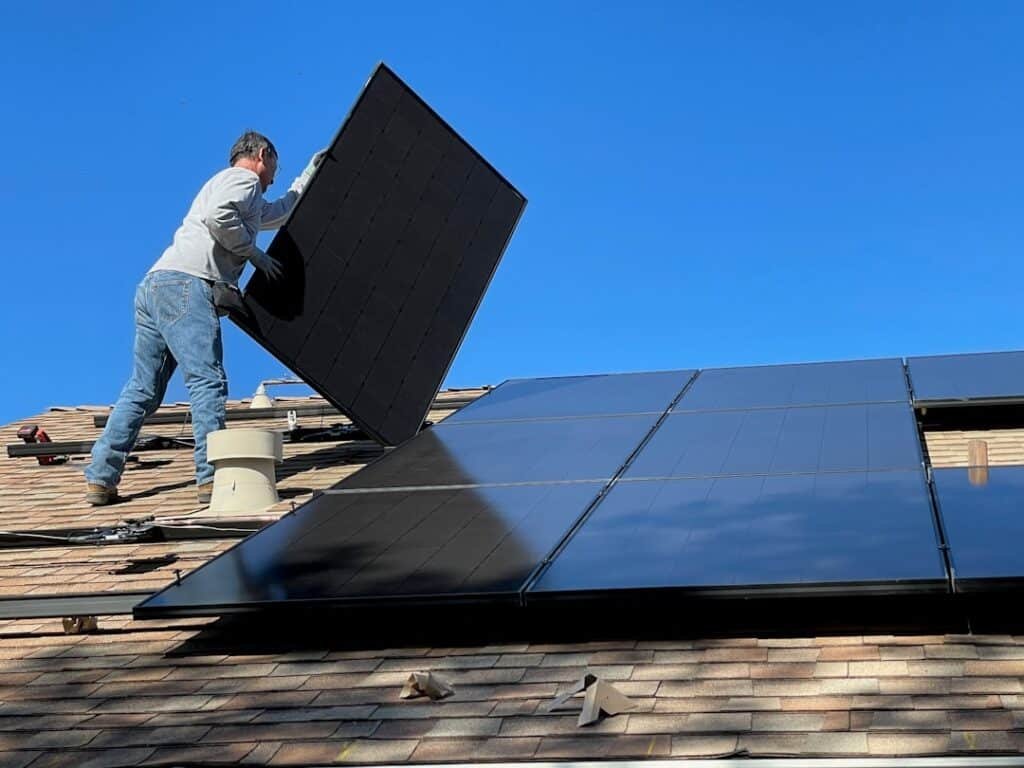
When considering solar energy solutions for your home or business, you may find yourself faced with a choice between monocrystalline and polycrystalline solar panels. Both types of panels harness sunlight to generate electricity, but they do so in different ways, leading to distinct advantages and disadvantages. Understanding these differences is crucial for making an informed decision that aligns with your energy needs and budget.
Monocrystalline panels are made from a single crystal structure, which allows them to achieve higher efficiency rates. This means they can convert more sunlight into electricity compared to their polycrystalline counterparts. On the other hand, polycrystalline panels are composed of multiple crystal structures, which makes them generally less efficient but often more affordable.
As you delve deeper into the world of solar energy, you’ll discover that each type of panel has its unique characteristics that can significantly impact your overall solar experience.
Key Takeaways
- Monocrystalline panels are made from a single continuous crystal structure, while polycrystalline panels are made from multiple silicon fragments melted together.
- Monocrystalline panels are more efficient and perform better in low-light conditions compared to polycrystalline panels.
- Monocrystalline panels are more expensive upfront but have lower long-term costs due to higher efficiency and longevity, while polycrystalline panels are more affordable initially but may have higher maintenance costs.
- Both types of panels are durable and have a long lifespan, but monocrystalline panels typically have a longer warranty and better performance over time.
- Monocrystalline panels have a sleek black appearance, while polycrystalline panels have a blue speckled appearance. Both types can be easily installed and require minimal maintenance.
Efficiency and Performance
Efficiency is a critical factor when evaluating solar panels, as it directly affects how much energy you can generate from your system. Monocrystalline panels typically boast efficiency ratings between 15% and 22%, making them the top performers in the solar market. This high efficiency means that you can install fewer panels to achieve the same energy output, which is particularly beneficial if you have limited roof space.
The advanced manufacturing process used to create monocrystalline panels also contributes to their superior performance in low-light conditions, allowing them to generate electricity even on cloudy days. In contrast, polycrystalline panels usually have efficiency ratings ranging from 13% to 16%. While this may seem lower, it’s essential to consider that advancements in technology are continually improving the performance of these panels.
If you have ample roof space and are looking for a more budget-friendly option, polycrystalline panels can still provide a reliable source of energy. However, if maximizing energy output is your primary goal, you may find that investing in monocrystalline panels pays off in the long run.
Cost and Affordability

When it comes to cost, polycrystalline panels often have the upper hand. Their manufacturing process is less complex and requires less energy, which translates to lower prices for consumers. If you’re working with a tight budget or looking to maximize your return on investment, polycrystalline panels can be an attractive option.
They provide a solid balance between performance and affordability, making them suitable for many homeowners and businesses. On the other hand, monocrystalline panels tend to be more expensive due to their higher efficiency and the intricate production methods involved. While the initial investment may be higher, it’s essential to consider the long-term savings on your energy bills.
If you plan to stay in your home for an extended period, the increased efficiency of monocrystalline panels could lead to significant savings over time. Ultimately, your choice will depend on your financial situation and how much value you place on efficiency versus upfront costs.
Durability and Longevity
Durability is another crucial aspect to consider when selecting solar panels. Monocrystalline panels are known for their robust construction and longevity. Typically, they come with warranties ranging from 25 years to even longer, reflecting their expected lifespan.
Their solid design allows them to withstand harsh weather conditions, including heavy snow and strong winds. This durability means that once you invest in monocrystalline panels, you can expect them to perform well for decades with minimal maintenance. Polycrystalline panels also offer decent durability but may not match the longevity of monocrystalline options.
While they generally come with warranties of around 20-25 years, their performance can be slightly affected by extreme temperatures or shading issues. However, advancements in technology are continually improving the resilience of polycrystalline panels. If you live in an area with moderate weather conditions and are looking for a cost-effective solution, polycrystalline panels can still provide reliable performance over time.
Aesthetics and Appearance
The visual appeal of solar panels can play a significant role in your decision-making process. Monocrystalline panels are often favored for their sleek, uniform appearance. Their dark color and smooth finish give them a modern look that many homeowners find attractive.
If aesthetics are a priority for you, monocrystalline panels may be the better choice as they tend to blend seamlessly with most roofing materials. In contrast, polycrystalline panels have a more speckled appearance due to their multiple crystal structures. While some people appreciate this unique look, others may find it less visually appealing than monocrystalline options.
If you’re concerned about how your solar installation will affect your home’s curb appeal, it’s worth taking the time to compare both types of panels in person before making a decision.
Installation and Maintenance

The installation process for both monocrystalline and polycrystalline panels is relatively similar, but there are some nuances worth noting. Monocrystalline panels are generally lighter and more compact, which can make them easier to handle during installation. Their higher efficiency also means that fewer panels may be required to meet your energy needs, potentially simplifying the installation process.
Maintenance for both types of panels is minimal; however, it’s essential to keep them clean and free from debris to ensure optimal performance. Regular inspections can help identify any issues early on, allowing you to address them before they become significant problems. Whether you choose monocrystalline or polycrystalline panels, investing in a reliable installation team will ensure that your system operates efficiently for years to come.
Environmental Impact
As you consider solar energy options, it’s essential to think about the environmental impact of your choices. Both monocrystalline and polycrystalline panels contribute positively by reducing reliance on fossil fuels and lowering greenhouse gas emissions. However, their manufacturing processes differ in terms of environmental footprint.
Monocrystalline panels require more energy during production due to their complex manufacturing techniques. This higher energy consumption can lead to a larger carbon footprint initially. Conversely, polycrystalline panels are generally produced using less energy, making them a more environmentally friendly option in terms of manufacturing impact.
Ultimately, both types of panels offer significant benefits for reducing your carbon footprint once installed and operational.
Suitability for Different Climates
The climate in which you live can significantly influence your choice between monocrystalline and polycrystalline panels. Monocrystalline panels excel in areas with limited sunlight or frequent cloudy days due to their higher efficiency rates. If you reside in a region with less consistent sunlight exposure, these panels may be the better option for maximizing energy production.
On the other hand, if you live in a sunny area with ample roof space, polycrystalline panels can still perform well while offering cost savings. They are well-suited for regions where sunlight is abundant, allowing you to generate sufficient energy without needing the higher efficiency of monocrystalline options. Assessing your local climate conditions will help guide your decision toward the most suitable panel type for your specific situation.
Availability and Market Demand
The availability of monocrystalline and polycrystalline panels can vary based on market demand and regional preferences. Monocrystalline panels have gained popularity due to their high efficiency and sleek appearance, leading many manufacturers to focus on producing them. As a result, you may find a wider selection of brands and models available in this category.
Polycrystalline panels remain a staple in the market due to their affordability and reliability. While they may not be as trendy as monocrystalline options, they still hold a significant share of the market due to their cost-effectiveness. Depending on where you live, you may find that one type is more readily available than the other, so it’s worth exploring local suppliers and installers to see what options are at your disposal.
Warranty and Support
When investing in solar panels, understanding warranty terms and support options is crucial for peace of mind. Monocrystalline panels typically come with longer warranties due to their durability and performance expectations. Many manufacturers offer warranties ranging from 25 years or more on product performance and workmanship.
Polycrystalline panels also come with warranties that generally span 20-25 years but may vary by manufacturer. It’s essential to read the fine print regarding what is covered under warranty and how claims are processed. Additionally, consider the level of customer support offered by manufacturers or installers; having access to knowledgeable support can make a significant difference if issues arise down the line.
Making the Right Choice for Your Solar Panel Installation
In conclusion, choosing between monocrystalline and polycrystalline solar panels involves weighing various factors such as efficiency, cost, durability, aesthetics, climate suitability, and warranty support. Each type has its strengths and weaknesses that cater to different needs and preferences. As you embark on this journey toward solar energy adoption, take the time to assess your specific requirements and consult with professionals who can provide tailored advice based on your situation.
By understanding the nuances of both panel types, you’ll be better equipped to make an informed decision that aligns with your goals for sustainability and energy independence. Ultimately, whether you opt for monocrystalline or polycrystalline panels, investing in solar energy is a step toward a greener future for yourself and the planet.
If you are interested in learning more about solar panel repairs and replacements, check out this informative article on solar companies and installation services for solar panel repairs and replacements. This article provides valuable insights into the importance of maintaining and repairing your solar panels to ensure optimal performance and longevity. It complements the detailed comparison between monocrystalline and polycrystalline panel installations by highlighting the importance of regular maintenance and repairs for all types of solar panel systems.
FAQs
What are monocrystalline and polycrystalline solar panels?
Monocrystalline solar panels are made from a single continuous crystal structure, while polycrystalline solar panels are made from multiple silicon fragments melted together.
What is the efficiency difference between monocrystalline and polycrystalline solar panels?
Monocrystalline solar panels are generally more efficient than polycrystalline solar panels, with efficiency rates typically ranging from 15-20% compared to 13-16% for polycrystalline panels.
How do monocrystalline and polycrystalline solar panels differ in appearance?
Monocrystalline solar panels are typically black in color and have a uniform look, while polycrystalline solar panels are blue in color and have a speckled or marbled appearance.
What is the cost difference between monocrystalline and polycrystalline solar panels?
Monocrystalline solar panels are generally more expensive than polycrystalline solar panels due to their higher efficiency and more advanced manufacturing process.
Which type of solar panel is better for limited space installations?
Monocrystalline solar panels are better suited for limited space installations due to their higher efficiency and ability to generate more power in a smaller area compared to polycrystalline panels.
Which type of solar panel is better for installations with ample space?
Polycrystalline solar panels may be a more cost-effective option for installations with ample space, as their lower efficiency is less of a concern when space is not a limiting factor.