Regular inspections of your solar panels are crucial for ensuring their optimal performance and longevity. Just like any other significant investment, solar panels require consistent attention to maintain their efficiency. Over time, dirt, debris, and environmental factors can accumulate on the surface, obstructing sunlight and reducing energy output.
By conducting routine inspections, you can identify potential issues early on, allowing you to address them before they escalate into more significant problems. This proactive approach not only helps in maintaining the efficiency of your solar energy system but also extends its lifespan. Moreover, regular inspections can lead to substantial financial savings.
When your solar panels are functioning at their best, you maximize your energy production, which translates to lower electricity bills. Additionally, identifying and rectifying minor issues early can prevent costly repairs down the line. By investing time in regular inspections, you are essentially safeguarding your investment and ensuring that your solar panels continue to provide clean energy for years to come.
Key Takeaways
- Regular inspections are important for maintaining the efficiency and longevity of solar panels.
- Tools needed for a DIY inspection include a ladder, safety gear, a multimeter, and a visual inspection checklist.
- The step-by-step inspection process involves checking for physical damage, loose connections, and debris on the panels.
- Common issues to look for during inspections include cracks, hot spots, and shading from nearby objects.
- Safety precautions to take during inspections include turning off the solar system and avoiding contact with live wires.
Tools Needed for DIY Inspection
Before embarking on your DIY inspection journey, it’s essential to gather the right tools to ensure a thorough and effective evaluation of your solar panels. A basic toolkit should include a soft-bristle brush or a microfiber cloth for cleaning the panels without scratching their surface. A hose with a spray nozzle is also beneficial for rinsing off any accumulated dirt or debris.
If you have access to a multimeter, this tool can help you measure the voltage output of your solar panels, providing insight into their performance. In addition to these basic tools, consider investing in a pair of safety goggles and gloves to protect yourself during the inspection process. If your solar panels are installed on a roof, a sturdy ladder is necessary for safe access.
You might also want to use a voltage tester to check for any electrical issues. Having these tools on hand will not only make your inspection more efficient but also ensure that you can address any problems that arise during the process.
Step-by-Step Inspection Process
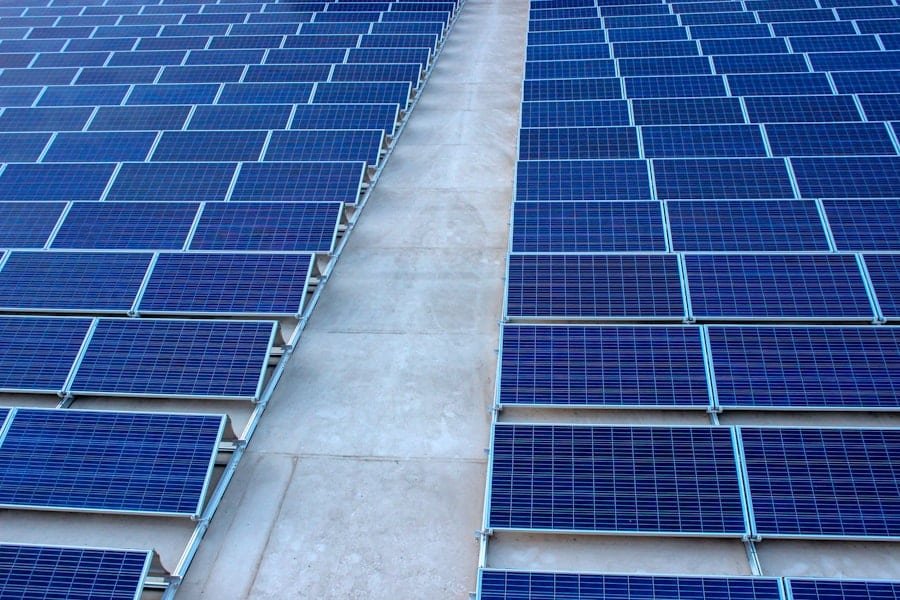
To conduct a thorough inspection of your solar panels, start by visually examining the panels from the ground or a safe vantage point. Look for any visible signs of damage, such as cracks or discoloration. If you notice anything unusual, it may warrant a closer look.
Next, carefully climb up to the roof using your ladder, ensuring that you maintain three points of contact for safety. Once on the roof, inspect each panel individually for dirt accumulation or physical damage. After visually inspecting the panels, it’s time to clean them if necessary.
Use your soft-bristle brush or microfiber cloth along with water from your hose to gently remove any dirt or debris. Avoid using harsh chemicals or abrasive materials that could scratch the surface of the panels. Once cleaned, take out your multimeter and measure the voltage output of each panel.
Compare these readings with the specifications provided by the manufacturer to determine if they are functioning correctly. This step is crucial in identifying any performance issues that may need addressing.
Common Issues to Look for
During your inspection, there are several common issues you should be vigilant about. One of the most prevalent problems is dirt and debris accumulation, which can significantly hinder energy production. Leaves, bird droppings, and dust can create barriers that block sunlight from reaching the solar cells.
Regular cleaning can mitigate this issue, but it’s essential to check for any signs of persistent dirt buildup during your inspections. Another issue to be aware of is physical damage to the panels themselves. Cracks or chips in the glass can expose the internal components to moisture and other environmental factors, leading to further damage over time.
Additionally, check for loose wiring or connections that may have come undone due to weather conditions or wear and tear. Identifying these issues early can prevent more severe complications and ensure that your solar energy system continues to operate efficiently.
Safety Precautions to Take
Safety should always be your top priority when inspecting solar panels, especially if they are installed on a roof. Before climbing up, ensure that your ladder is stable and positioned on a flat surface. It’s advisable to have someone nearby who can assist you in case of an emergency.
Always wear appropriate safety gear, including gloves and goggles, to protect yourself from potential hazards. When working with electrical components, take extra precautions. Ensure that the solar system is turned off before you begin any inspection involving wiring or connections.
This will help prevent electrical shocks or accidents while you’re working on the panels. If at any point you feel uncomfortable or unsure about what you’re doing, don’t hesitate to call in a professional. Your safety is paramount, and it’s better to err on the side of caution.
When to Call a Professional
While DIY inspections can be beneficial for routine maintenance, there are certain situations where calling a professional is advisable. If you notice significant physical damage to your solar panels or if they are not producing energy as expected despite cleaning and minor adjustments, it’s time to seek expert help. Professionals have the training and experience necessary to diagnose complex issues that may not be apparent during a DIY inspection.
Additionally, if you encounter electrical problems or if you’re unsure about how to safely handle wiring and connections, it’s best to leave it to the experts. Working with electricity can be dangerous if you lack the proper knowledge and tools. A professional technician can provide a comprehensive assessment of your solar energy system and recommend necessary repairs or upgrades to ensure optimal performance.
Maintaining and Cleaning Solar Panels
Maintaining and cleaning your solar panels is an essential part of ensuring their longevity and efficiency. Regular cleaning helps remove dirt and debris that can accumulate over time, obstructing sunlight and reducing energy output. Depending on your location and environmental conditions, you may need to clean your panels every few months or at least twice a year.
Use a soft-bristle brush or microfiber cloth along with water for gentle cleaning; avoid harsh chemicals that could damage the panels. In addition to cleaning, regular maintenance checks are vital for identifying potential issues before they become significant problems. Inspecting wiring connections and ensuring that there are no obstructions around the panels will help maintain their efficiency.
Keeping an eye on the surrounding area is also important; trees or structures that grow too close can cast shadows on the panels, reducing their effectiveness. By staying proactive with maintenance and cleaning, you can ensure that your solar energy system continues to perform at its best.
Benefits of Regular Inspections
The benefits of conducting regular inspections on your solar panels extend far beyond mere maintenance; they encompass financial savings, enhanced performance, and peace of mind. By routinely checking for issues such as dirt accumulation or physical damage, you can ensure that your solar panels operate at peak efficiency. This translates into increased energy production and lower electricity bills over time—an attractive prospect for any homeowner looking to maximize their investment in renewable energy.
Furthermore, regular inspections contribute significantly to the longevity of your solar energy system. By identifying and addressing minor issues early on, you prevent them from escalating into more severe problems that could require costly repairs or replacements down the line. Ultimately, committing to regular inspections not only protects your investment but also promotes sustainable energy practices by ensuring that your solar panels continue to generate clean energy effectively for years to come.
If you are interested in learning more about emerging solar technologies, you may want to check out an article on perovskite solar cells. These cells are a promising new technology that could revolutionize the solar industry. To read more about this exciting development, visit this article.
FAQs
What is a DIY solar panel inspection?
A DIY solar panel inspection is the process of visually examining and testing the components of a solar panel system to ensure it is functioning properly and efficiently.
Why is it important to inspect solar panels regularly?
Regular inspection of solar panels is important to ensure they are operating at peak efficiency and to identify any potential issues or damage that may affect their performance.
What are the common signs that indicate a need for solar panel inspection?
Common signs that indicate a need for solar panel inspection include a decrease in energy production, physical damage to the panels, shading issues, and unusual noises or vibrations.
What are the steps involved in DIY solar panel inspection?
The steps involved in DIY solar panel inspection typically include visual inspection of the panels, checking for debris or shading, testing the electrical connections, and monitoring the system’s performance.
How often should DIY solar panel inspections be conducted?
It is recommended to conduct DIY solar panel inspections at least once or twice a year, and after severe weather events or if any issues are suspected.
What are the benefits of DIY solar panel inspection?
The benefits of DIY solar panel inspection include maintaining optimal energy production, identifying and addressing issues early, extending the lifespan of the solar panel system, and potentially saving on repair costs.