As you embark on your journey toward harnessing solar energy, understanding the role of solar inverters becomes essential. Solar inverters are the unsung heroes of solar power systems, converting the direct current (DC) generated by solar panels into alternating current (AC), which is the form of electricity used in homes and businesses. Without these devices, the energy produced by your solar panels would be unusable for most household appliances and electrical systems.
The inverter not only facilitates this conversion but also plays a crucial role in optimizing the performance of your solar energy system. In recent years, the technology surrounding solar inverters has evolved significantly, leading to the development of various types, each with its unique advantages and disadvantages. Among these, microinverters and string inverters are the most commonly used.
As you consider installing a solar power system, understanding how these inverters work and their respective benefits can help you make an informed decision that aligns with your energy needs and financial goals.
Key Takeaways
- Solar inverters are essential components of a solar power system, converting the direct current (DC) generated by solar panels into alternating current (AC) for use in homes and businesses.
- Microinverters work by converting the DC power from individual solar panels into AC power right at the panel, allowing for greater energy production and flexibility in system design.
- String inverters work by converting the DC power from multiple solar panels connected in series into AC power, typically installed in a central location and are more cost-effective for larger installations.
- Pros of microinverters include higher energy production, individual panel monitoring, and easier system expansion, while cons include higher upfront costs and potential for increased maintenance.
- Pros of string inverters include lower upfront costs, simpler installation, and high efficiency, while cons include potential for reduced energy production due to panel shading and limited monitoring capabilities.
- When comparing costs, microinverters are generally more expensive upfront but may provide better long-term value, while string inverters are more cost-effective for larger installations.
- The right inverter for you depends on factors such as system size, shading, budget, and monitoring preferences, so it’s important to carefully consider your specific needs and goals.
- In conclusion, both microinverters and string inverters have their own advantages and drawbacks, and the best choice for your solar power system will depend on your unique circumstances and priorities.
How Microinverters Work
Independent Operation for Optimal Performance
This means that if one panel is shaded or underperforming due to dirt or damage, it won’t affect the performance of the other panels in the array. This feature is particularly beneficial in residential settings where shading from trees or nearby structures can be a concern.
How Microinverters Work
The operation of microinverters is relatively straightforward. Each microinverter converts the DC electricity generated by its corresponding solar panel into AC electricity right at the source. This localized conversion minimizes energy loss that can occur when transmitting DC electricity over longer distances to a central inverter.
Monitoring Capabilities for Efficient System Operation
Additionally, microinverters often come equipped with monitoring capabilities, allowing you to track the performance of each panel individually through a user-friendly interface. This level of detail can be invaluable for identifying issues and ensuring that your solar energy system operates efficiently.
How String Inverters Work
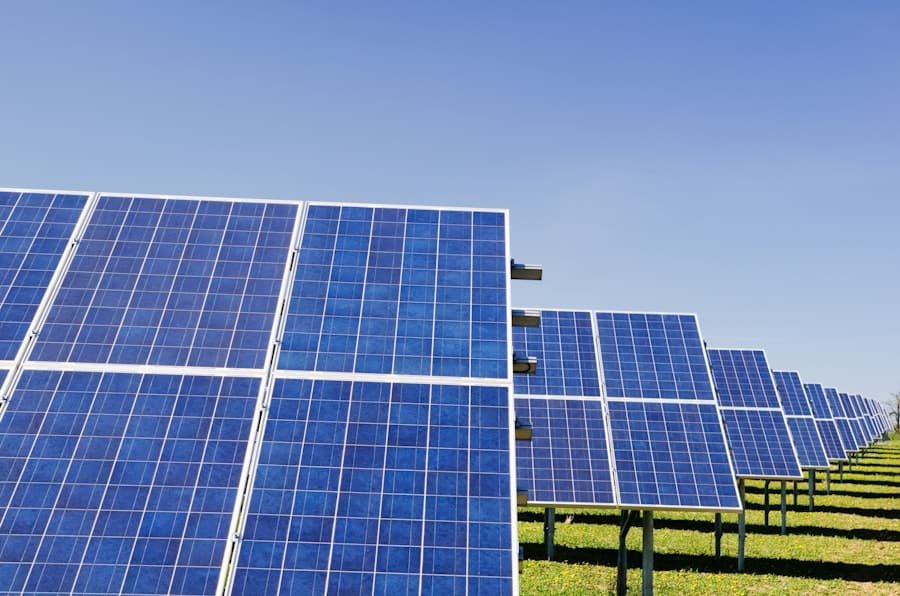
String inverters, on the other hand, operate on a different principle. In this setup, multiple solar panels are connected in series to a single inverter, forming a “string.” The inverter then converts the collective DC output from all the panels into AC electricity. While this approach is simpler and often more cost-effective than using microinverters, it does come with its own set of challenges.
If one panel in the string experiences shading or malfunction, it can reduce the overall output of the entire string, leading to decreased efficiency. The functioning of string inverters is based on a centralized model where all panels work together as a unit. This means that the inverter must be sized appropriately to handle the total output of all connected panels.
String inverters are typically easier to install and maintain, making them a popular choice for many residential and commercial solar installations. However, their performance can be impacted by environmental factors such as shading or dirt accumulation on any single panel within the string.
Pros and Cons of Microinverters
When considering microinverters for your solar energy system, there are several advantages to keep in mind. One of the most significant benefits is their ability to maximize energy production. Since each panel operates independently, you can achieve higher overall efficiency, especially in situations where shading is an issue.
Additionally, microinverters often come with longer warranties compared to string inverters, providing peace of mind regarding their longevity and reliability. However, microinverters also have their drawbacks. The initial cost of purchasing and installing microinverters can be higher than that of string inverters due to the need for multiple units.
This can make them less appealing for larger installations where budget constraints are a concern. Furthermore, while microinverters offer detailed monitoring capabilities, this feature may not be necessary for everyone and could add complexity to your system that you may not want.
Pros and Cons of String Inverters
String inverters present their own set of advantages that make them an attractive option for many homeowners. One of the primary benefits is their lower upfront cost compared to microinverters. Since only one inverter is needed for multiple panels, installation can be simpler and more economical.
Additionally, string inverters have a proven track record and are widely used in various solar installations, making them a reliable choice for many users. On the flip side, string inverters do have limitations that you should consider. Their performance can be significantly affected by shading or dirt on any single panel within the string, which can lead to reduced energy output for the entire system.
Moreover, if one panel fails or underperforms, it can create a bottleneck that impacts the efficiency of all connected panels. This interconnectedness means that monitoring performance can be less granular compared to systems using microinverters.
Cost Comparison
When evaluating solar inverters, cost is often a primary consideration for homeowners and businesses alike. Microinverters typically come with a higher price tag due to their advanced technology and individual panel management capabilities. The installation costs can also be higher since each panel requires its own inverter.
However, this initial investment may pay off over time through increased energy production and efficiency, particularly if your installation site has shading issues. String inverters generally offer a more budget-friendly option upfront. The simplicity of having one central inverter reduces both equipment and installation costs.
However, it’s essential to consider potential long-term implications; if shading or performance issues arise with any panel in the string, you may experience decreased energy output that could offset your initial savings. Ultimately, weighing these costs against your specific energy needs and site conditions will help you determine which option is more financially viable for you.
Which Inverter is Right for You?
Choosing between microinverters and string inverters depends on various factors unique to your situation. If your property has significant shading issues or if you plan to expand your solar array in the future, microinverters may be the better choice due to their ability to optimize performance on a panel-by-panel basis. Their monitoring capabilities also provide valuable insights into how each panel is performing, allowing you to address any issues promptly.
Conversely, if you have a straightforward installation with minimal shading and are looking for a cost-effective solution, string inverters might be more suitable for your needs. They are easier to install and maintain while still providing reliable performance for many users. Ultimately, assessing your specific circumstances—such as budget constraints, roof orientation, shading conditions, and future expansion plans—will guide you toward making the best decision for your solar energy system.
In conclusion, understanding the differences between microinverters and string inverters is crucial as you navigate your solar energy options. Each type of inverter has its unique advantages and disadvantages that cater to different needs and circumstances. Microinverters excel in maximizing energy production and providing detailed monitoring but come with higher upfront costs.
String inverters offer a more economical solution but may face challenges related to shading and performance interdependence. As you weigh your options, consider factors such as your budget, installation site conditions, and long-term energy goals. By doing so, you can make an informed decision that aligns with your needs and helps you harness the full potential of solar energy for years to come.
Whether you choose microinverters or string inverters, investing in solar technology is a step toward sustainability and energy independence that will benefit both you and the environment.
When comparing Microinverters Vs String Inverters, it is important to consider the future trends in solar energy advancements in photovoltaic technology. According to a recent article on solarcompaniesinstallationnear.me, there are ongoing developments in the industry that could impact the performance and efficiency of both types of inverters. As emerging solar technologies like tandem solar cells continue to evolve, homeowners and businesses may have even more options to choose from when it comes to optimizing their solar energy systems.
FAQs
What are microinverters and string inverters?
Microinverters are small inverters that are installed on each individual solar panel, converting the DC power from the panel into AC power. String inverters, on the other hand, are larger inverters that are connected to multiple solar panels in a series, converting the DC power from the entire string of panels into AC power.
What are the advantages of microinverters?
Microinverters allow for individual panel-level monitoring, which can help identify and address issues with specific panels. They also offer better performance in partially shaded conditions and can be easier to install and expand.
What are the advantages of string inverters?
String inverters are generally more cost-effective than microinverters and are easier to maintain due to their centralized location. They also have a longer track record of reliability and can be more efficient in ideal conditions.
Which type of inverter is better for residential solar installations?
The choice between microinverters and string inverters depends on the specific characteristics of the installation. Microinverters may be more suitable for installations with shading issues or complex roof layouts, while string inverters may be more cost-effective for installations with unobstructed sunlight and straightforward designs.
Which type of inverter is better for commercial solar installations?
For larger commercial installations, string inverters are often preferred due to their cost-effectiveness and efficiency in ideal conditions. However, microinverters may be a better choice for commercial installations with shading issues or complex layouts that require individual panel monitoring.