As you delve into the world of solar energy, you may encounter two primary types of solar panel systems: solar tracking systems and fixed panels. Each of these systems has its unique characteristics, advantages, and disadvantages that can significantly influence your decision-making process when considering solar energy for your home or business. Understanding the fundamental differences between these two options is crucial for making an informed choice that aligns with your energy needs, budget, and environmental goals.
Solar tracking systems are designed to follow the sun’s path across the sky throughout the day. By adjusting their position, these systems can capture sunlight more efficiently, maximizing energy production. On the other hand, fixed solar panels are stationary and are typically installed at a specific angle to optimize sunlight exposure during peak hours.
While both systems harness solar energy, their operational mechanics and performance can vary widely, making it essential for you to weigh the pros and cons of each before committing to a particular setup.
Key Takeaways
- Solar tracking systems follow the movement of the sun to maximize energy production, while fixed panels remain stationary.
- Advantages of solar tracking systems include increased energy production, improved efficiency, and the ability to generate more power during peak hours.
- Fixed solar panels are cost-effective, low maintenance, and ideal for locations with consistent sunlight and predictable energy needs.
- Disadvantages of solar tracking systems include higher initial costs, increased maintenance, and the need for more space.
- Disadvantages of fixed solar panels include lower energy production, reduced efficiency, and the inability to adapt to changing sunlight angles.
- The cost comparison between solar tracking and fixed panels depends on factors such as location, energy needs, and available space.
- The environmental impact of solar tracking vs fixed panels varies based on factors such as land use, materials, and energy production efficiency.
- When choosing the right solar panel system, consider factors such as energy needs, location, budget, and environmental impact to make an informed decision.
Advantages of Solar Tracking Systems
One of the most significant advantages of solar tracking systems is their ability to increase energy production. By following the sun’s trajectory, these systems can capture up to 25-50% more sunlight compared to fixed panels. This enhanced efficiency translates into higher energy output, which can lead to substantial savings on your electricity bills over time.
If you are looking for a way to maximize your return on investment in solar technology, a tracking system may be an appealing option. In addition to increased energy production, solar tracking systems can also provide greater flexibility in terms of installation. These systems can be designed to accommodate various terrains and locations, making them suitable for a wide range of applications.
Whether you have a large open field or a more constrained space, solar trackers can be tailored to fit your specific needs. This adaptability can be particularly beneficial if you are considering a commercial installation where maximizing energy output is critical for profitability.
Advantages of Fixed Solar Panels
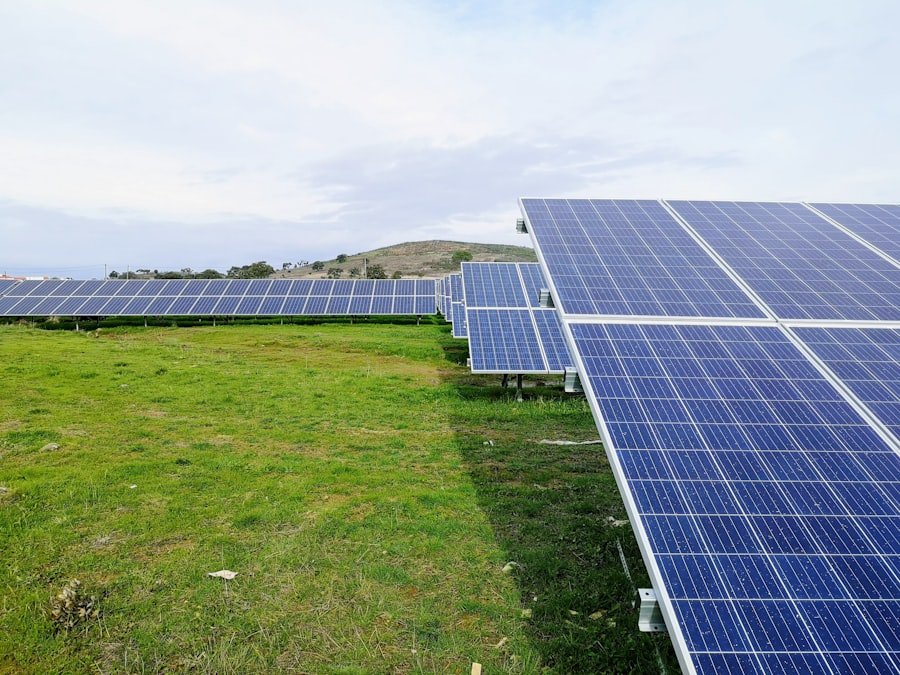
While solar tracking systems offer impressive benefits, fixed solar panels also have their own set of advantages that make them a popular choice among homeowners and businesses alike. One of the most notable benefits is their simplicity and ease of installation. Fixed panels require less complex mounting structures and do not involve moving parts, which can lead to quicker installation times and lower labor costs.
If you are looking for a straightforward solution that minimizes hassle, fixed panels may be the way to go. Another advantage of fixed solar panels is their lower maintenance requirements. Since they do not have moving components, there is less risk of mechanical failure or wear and tear over time.
This reliability means that once installed, you can expect your fixed solar panels to perform efficiently with minimal upkeep. For those who prefer a low-maintenance energy solution, fixed panels present an attractive option that allows you to enjoy the benefits of solar energy without the added stress of regular maintenance.
Disadvantages of Solar Tracking Systems
Despite their many advantages, solar tracking systems are not without their drawbacks. One significant disadvantage is their higher initial cost compared to fixed panels. The complexity of the tracking technology and the need for more sophisticated mounting structures can lead to increased upfront expenses.
If you are working within a tight budget, this higher cost may be a considerable factor in your decision-making process. Additionally, solar tracking systems may require more maintenance than fixed panels due to their moving parts. Over time, mechanical components can wear out or become misaligned, necessitating repairs or adjustments.
This added maintenance can lead to increased long-term costs and potential downtime in energy production. If you prefer a more hands-off approach to your solar energy system, the maintenance demands of tracking systems might be a concern worth considering.
Disadvantages of Fixed Solar Panels
While fixed solar panels offer simplicity and reliability, they also come with certain disadvantages that may impact your decision. One of the primary drawbacks is their lower energy production compared to solar tracking systems. Fixed panels are limited in their ability to capture sunlight throughout the day since they remain stationary at a predetermined angle.
This limitation can result in less overall energy generation, which may not meet your needs if you have high energy consumption. Moreover, fixed solar panels may not be as efficient in capturing sunlight during certain times of the year or in specific geographical locations. For instance, if you live in an area with significant seasonal variations in sunlight or where the sun’s angle changes dramatically throughout the year, fixed panels may not perform optimally.
This inefficiency could lead to missed opportunities for energy savings and may require you to supplement your energy needs with alternative sources.
Cost Comparison between Solar Tracking and Fixed Panels
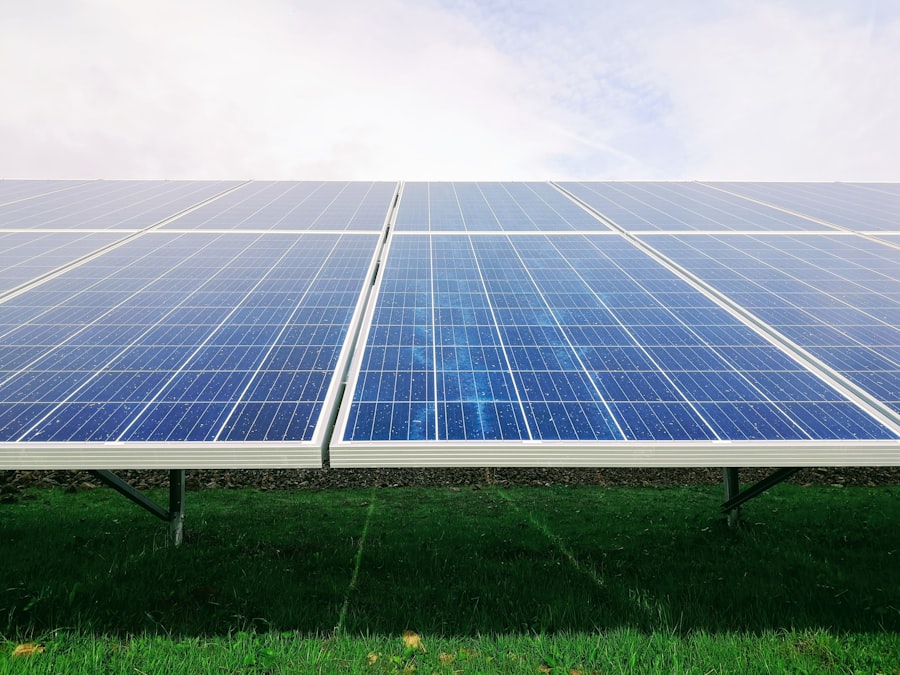
When evaluating the cost-effectiveness of solar tracking systems versus fixed panels, it is essential to consider both initial investment and long-term savings. As previously mentioned, solar tracking systems typically have a higher upfront cost due to their complex technology and installation requirements. However, this initial investment can be offset by the increased energy production they offer over time.
If you anticipate high energy usage or have specific financial goals related to energy savings, the long-term benefits of a tracking system may justify the higher initial expense. In contrast, fixed solar panels generally have lower installation costs and require less financial commitment upfront. This affordability makes them an attractive option for many homeowners and small businesses looking to transition to solar energy without breaking the bank.
However, it is crucial to weigh this lower initial cost against the potential for reduced energy output over time. If your energy needs are substantial or if you live in an area with abundant sunlight, investing in a solar tracking system could ultimately yield greater savings in the long run.
Environmental Impact of Solar Tracking vs Fixed Panels
The environmental impact of solar panel systems is another critical factor to consider when choosing between solar tracking and fixed panels. Both options contribute positively to reducing carbon emissions by harnessing renewable energy from the sun. However, the efficiency differences between the two systems can influence their overall environmental footprint.
Solar tracking systems tend to produce more energy per panel due to their ability to follow the sun’s path throughout the day. This increased efficiency means that fewer panels may be needed to meet your energy demands, potentially reducing land use and resource consumption associated with manufacturing additional panels. If minimizing your environmental impact is a priority for you, this aspect of solar tracking systems may be particularly appealing.
On the other hand, fixed solar panels also play a vital role in promoting sustainability by providing clean energy without depleting natural resources. While they may produce less energy than tracking systems, their simplicity and lower resource requirements during installation can contribute positively to their overall environmental impact. Ultimately, both options offer significant benefits for reducing reliance on fossil fuels and promoting renewable energy sources.
Choosing the Right Solar Panel System for Your Needs
In conclusion, selecting between solar tracking systems and fixed panels requires careful consideration of various factors that align with your specific needs and circumstances. If maximizing energy production is your primary goal and you are willing to invest in a more complex system with higher maintenance requirements, a solar tracking system may be the ideal choice for you. The potential for increased savings on electricity bills over time can make this option particularly attractive for those with high energy consumption.
Conversely, if you prefer a straightforward installation process with lower upfront costs and minimal maintenance demands, fixed solar panels could be the better fit for your situation. Their reliability and ease of use make them an appealing option for many homeowners and businesses looking to embrace solar energy without extensive commitments. Ultimately, understanding the advantages and disadvantages of each system will empower you to make an informed decision that best suits your energy needs, budget constraints, and environmental goals.
Whether you choose solar tracking or fixed panels, embracing solar technology is a significant step toward a more sustainable future.
If you are interested in solar technology, you may also want to check out this article on solar-powered phone chargers and gadgets. It discusses the latest advancements in solar-powered devices that can help you stay connected while on the go. Additionally, if you are considering installing solar panels, you can find reputable providers near you by visiting solar panel providers near me. And if you happen to be in Fort Wayne, Indiana, you can learn more about solar installation options in your area by visiting Fort Wayne, Indiana.
FAQs
What are solar tracking systems?
Solar tracking systems are devices that automatically orient solar panels or mirrors to maximize the absorption of sunlight. These systems track the sun’s movement throughout the day to ensure that the panels are always facing the sun at the optimal angle.
What are fixed solar panels?
Fixed solar panels are stationary and do not move to track the sun’s movement. They are installed at a fixed angle and orientation, typically facing south in the northern hemisphere and north in the southern hemisphere to maximize sunlight exposure.
What are the advantages of solar tracking systems?
Solar tracking systems can increase the energy output of solar panels by up to 25% compared to fixed panels. They can also improve the efficiency of solar panels by ensuring that they are always facing the sun at the optimal angle.
What are the disadvantages of solar tracking systems?
Solar tracking systems are more complex and expensive to install and maintain compared to fixed panels. They also require more space and may be more prone to mechanical failures.
What are the advantages of fixed solar panels?
Fixed solar panels are simpler and less expensive to install and maintain compared to solar tracking systems. They also require less space and are less prone to mechanical failures.
What are the disadvantages of fixed solar panels?
Fixed solar panels do not adjust to the sun’s movement throughout the day, which can result in lower energy output compared to solar tracking systems. They also may not be as efficient in capturing sunlight at all times of the day.