As you embark on the journey of harnessing solar energy, understanding the different types of solar panels available is crucial. Among the most popular options are monocrystalline and polycrystalline solar panels. Both types serve the same fundamental purpose—converting sunlight into electricity—but they do so in distinct ways that can significantly impact your energy production and overall experience.
Monocrystalline panels are made from a single crystal structure, which allows for higher efficiency rates and a sleeker design. In contrast, polycrystalline panels are composed of multiple crystal structures, making them a more affordable option but often at the cost of efficiency. When considering solar energy for your home or business, it’s essential to weigh the pros and cons of each type of panel.
Monocrystalline panels tend to be more efficient, meaning they can generate more electricity in a smaller space. This can be particularly beneficial if you have limited roof space or if you want to maximize your energy output. On the other hand, polycrystalline panels are generally less expensive and can be a great choice if you have ample space and are looking for a more budget-friendly option.
Understanding these differences will help you make an informed decision that aligns with your energy needs and financial goals.
Key Takeaways
- Monocrystalline solar panels are made from a single crystal structure, while polycrystalline panels are made from multiple crystal structures.
- Monocrystalline panels are more efficient and perform better in low-light conditions compared to polycrystalline panels.
- Monocrystalline panels are more expensive upfront but have a higher long-term affordability due to their higher efficiency and longer lifespan.
- Both types of panels are durable, but monocrystalline panels have a longer lifespan of up to 25 years.
- Monocrystalline panels have a sleek black appearance, while polycrystalline panels have a blue speckled appearance.
Efficiency and Performance Comparison
Efficiency is a critical factor when choosing between monocrystalline and polycrystalline solar panels. Monocrystalline panels typically boast efficiency ratings between 15% to 22%, making them the most efficient option on the market. This high efficiency is due to the purity of the silicon used in their production, which allows for better electron movement and, consequently, more electricity generation.
If you’re looking to maximize your energy output in a limited area, monocrystalline panels may be the ideal choice for you. In contrast, polycrystalline panels usually have efficiency ratings ranging from 13% to 16%. While this may seem lower, it’s important to note that advancements in technology are continually improving their performance.
Polycrystalline panels can still provide substantial energy output, especially in larger installations where space is not a constraint. If you have ample roof space and are willing to invest in a larger array of panels, polycrystalline options can still meet your energy needs effectively. Ultimately, your choice will depend on your specific circumstances, including available space and energy requirements.
Cost and Affordability
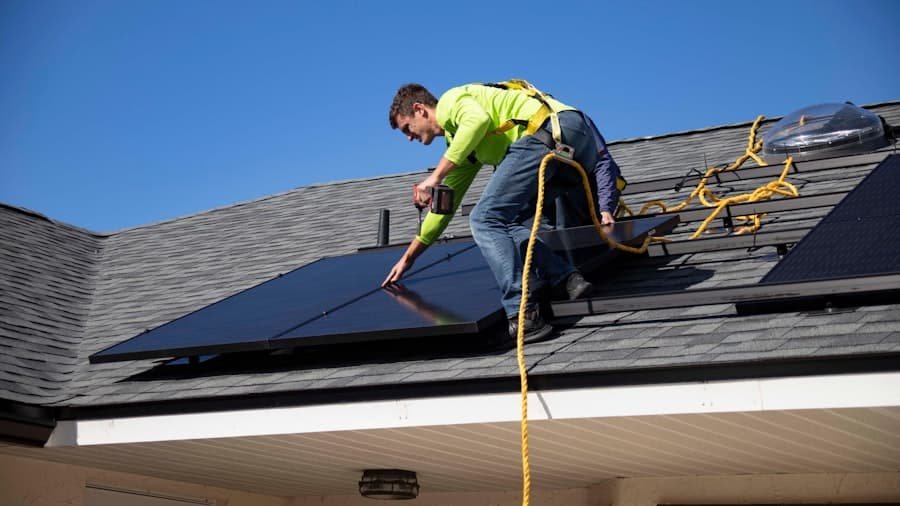
When it comes to cost, polycrystalline solar panels generally have the upper hand. Their manufacturing process is less complex than that of monocrystalline panels, which translates to lower production costs. As a result, you’ll often find that polycrystalline panels are more budget-friendly, making them an attractive option for homeowners looking to invest in solar energy without breaking the bank.
If affordability is a primary concern for you, polycrystalline panels may be the way to go. However, while monocrystalline panels come with a higher price tag, they can offer long-term savings that may offset the initial investment. Their higher efficiency means that you’ll need fewer panels to achieve the same energy output as polycrystalline options.
This can lead to lower installation costs and reduced maintenance expenses over time. Additionally, many homeowners find that the increased efficiency of monocrystalline panels results in lower electricity bills, making them a worthwhile investment in the long run. As you weigh your options, consider both the upfront costs and potential long-term savings to determine which type of panel aligns best with your financial situation.
Durability and Lifespan
Durability is another essential aspect to consider when choosing between monocrystalline and polycrystalline solar panels. Generally speaking, both types are designed to withstand harsh weather conditions, including heavy rain, snow, and high winds. However, monocrystalline panels tend to have a slight edge in terms of longevity.
With an average lifespan of 25 years or more, these panels are built to last and often come with longer warranties compared to their polycrystalline counterparts. Polycrystalline panels typically have a lifespan of around 20 to 25 years. While this is still impressive, it’s slightly shorter than that of monocrystalline panels.
Additionally, polycrystalline panels may be more susceptible to temperature fluctuations and shading issues, which can impact their overall performance over time. If you live in an area with extreme weather conditions or frequent temperature changes, investing in monocrystalline panels may provide you with greater peace of mind regarding durability and longevity.
Aesthetics and Appearance
Aesthetics play a significant role in many homeowners’ decisions when selecting solar panels. Monocrystalline panels are often favored for their sleek and uniform appearance. Their dark black color and smooth finish give them a modern look that many find appealing.
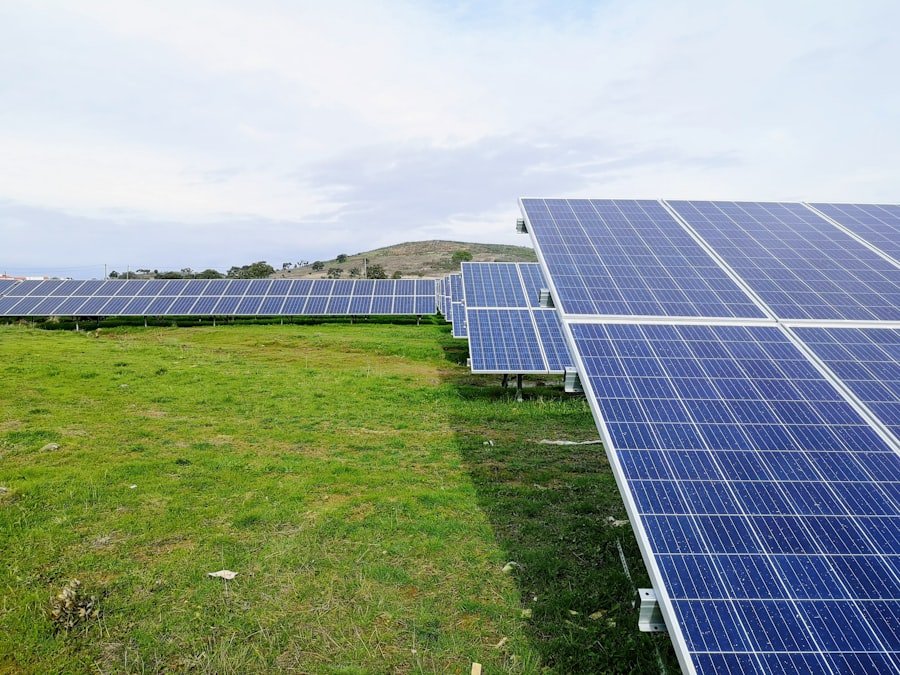
If you’re concerned about how solar panels will affect your home’s curb appeal, monocrystalline options may be more visually pleasing. On the other hand, polycrystalline panels typically have a bluish hue with a speckled appearance due to their multiple crystal structures. While some homeowners appreciate this look, others may find it less attractive than the sleek design of monocrystalline panels.
If aesthetics are a top priority for you, it’s worth considering how each type of panel will complement your home’s overall design. Ultimately, your choice should reflect not only your energy needs but also your personal style preferences.
Environmental Impact
When considering solar energy options, it’s essential to think about their environmental impact as well. Both monocrystalline and polycrystalline solar panels contribute positively by reducing reliance on fossil fuels and lowering greenhouse gas emissions. However, their manufacturing processes differ in terms of environmental footprint.
Monocrystalline panels require more energy during production due to their complex manufacturing process, which can lead to higher initial carbon emissions. Conversely, polycrystalline panels have a lower energy requirement during production, making them slightly more environmentally friendly in this regard. However, it’s important to note that both types of solar panels are designed for sustainability and can significantly reduce your carbon footprint over their operational lifespans.
By choosing either option, you’re making a positive contribution toward a cleaner environment. As you evaluate your choices, consider how each type aligns with your values regarding sustainability and environmental responsibility.
Installation and Maintenance
The installation process for both monocrystalline and polycrystalline solar panels is relatively similar; however, there are some nuances worth noting. Monocrystalline panels tend to be lighter and more compact due to their higher efficiency ratings. This can make installation easier in certain situations, especially if roof space is limited or if structural considerations come into play.
Additionally, because fewer monocrystalline panels are needed to achieve the same energy output as polycrystalline options, installation time may be reduced. Maintenance for both types of solar panels is generally low; however, it’s essential to keep them clean and free from debris to ensure optimal performance. Dust, dirt, and leaves can accumulate on the surface of the panels and hinder their ability to absorb sunlight effectively.
Regular cleaning—typically once or twice a year—can help maintain efficiency levels for both monocrystalline and polycrystalline systems. If you’re considering solar energy for your home or business, understanding the installation process and maintenance requirements will help you prepare for this transition.
Which Option is Best for You?
Ultimately, the decision between monocrystalline and polycrystalline solar panels depends on various factors unique to your situation. If you prioritize efficiency and aesthetics and are willing to invest more upfront for long-term savings, monocrystalline panels may be the best choice for you. Their sleek design and higher energy output make them ideal for those with limited roof space or specific aesthetic preferences.
Conversely, if affordability is your primary concern and you have ample space for installation, polycrystalline panels could be the right fit. They offer solid performance at a lower cost while still contributing positively to your energy needs and environmental goals. As you weigh these options, consider factors such as budget constraints, available space, aesthetic preferences, and long-term energy goals to make an informed decision that aligns with your unique circumstances.
By carefully evaluating these elements, you can choose the solar panel option that best suits your needs and contributes positively to your energy future.
When deciding between monocrystalline and polycrystalline solar panels, it is important to consider the expertise of the solar company you choose. Evaluating the experience and expertise of a solar company can greatly impact the success of your solar panel installation. A related article on choosing a solar company discusses the importance of selecting a company with the knowledge and skills necessary to properly install and maintain your solar panels. By choosing a reputable and experienced solar company, you can ensure that your solar panel system will be installed correctly and efficiently.
FAQs
What are monocrystalline and polycrystalline solar panels?
Monocrystalline and polycrystalline solar panels are two types of photovoltaic panels used to convert sunlight into electricity. Monocrystalline panels are made from a single continuous crystal structure, while polycrystalline panels are made from multiple silicon crystals.
What are the differences between monocrystalline and polycrystalline solar panels?
Monocrystalline panels are typically more efficient and have a higher power output compared to polycrystalline panels. They also have a sleek black appearance and are more space-efficient. On the other hand, polycrystalline panels are more affordable and have a lower energy conversion efficiency.
Which type of solar panel is more expensive?
Monocrystalline solar panels are generally more expensive than polycrystalline panels due to their higher efficiency and production costs. However, the price difference has been decreasing in recent years.
Which type of solar panel is more durable?
Both monocrystalline and polycrystalline solar panels are durable and have a long lifespan, typically around 25-30 years. However, monocrystalline panels are known to have a slightly longer lifespan and better performance in high temperatures.
Which type of solar panel is better for my home?
The choice between monocrystalline and polycrystalline solar panels depends on your specific needs and budget. If you have limited roof space and want higher efficiency, monocrystalline panels may be the better choice. If you have a tighter budget and ample roof space, polycrystalline panels may be a more cost-effective option.