When you invest in solar energy, you are not just purchasing a system; you are making a commitment to sustainability and long-term savings. However, like any significant investment, solar panels require regular maintenance to ensure they operate at peak efficiency. You may not realize it, but the performance of your solar energy system can diminish over time due to various factors, including dirt accumulation, wear and tear, and environmental conditions.
By prioritizing maintenance, you can extend the lifespan of your solar panels and maximize your return on investment. Moreover, regular maintenance can help you avoid costly repairs down the line. Just as you would routinely check your car or home appliances, your solar energy system deserves the same level of attention.
Neglecting maintenance can lead to decreased energy production, which means you might not be harnessing the full potential of the sun’s energy. By keeping your system in optimal condition, you can ensure that it continues to provide clean energy for years to come while also contributing to a greener planet.
Key Takeaways
- Regular maintenance is important for ensuring the efficiency and longevity of solar panels.
- Common maintenance issues include dirt and debris buildup, shading, and potential damage from weather or pests.
- Regular maintenance checklist should include cleaning panels, checking for shading, inspecting for damage, and monitoring system performance.
- Upgrading solar panels can improve energy production and efficiency, especially with advancements in technology.
- Upgrading inverter systems and battery storage can also enhance the overall performance and reliability of a solar energy system.
- Finding a professional solar maintenance provider is crucial for ensuring proper and safe maintenance and upgrades.
- Cost considerations for solar maintenance upgrades should include the initial investment, potential energy savings, and long-term benefits.
Common Solar Maintenance Issues
Dirty Solar Panels: A Common Culprit
Dirt and debris accumulation on solar panels is a prevalent problem that can significantly reduce their efficiency. Dust, leaves, and bird droppings can obstruct sunlight from reaching the panels, leading to decreased performance. If you live in a particularly dusty area or have trees nearby, you may need to clean your panels more frequently to maintain optimal performance.
Wear and Tear on Solar System Components
Another issue that often arises is wear and tear on the components of your solar system. Over time, connections can loosen, and wiring can degrade due to exposure to the elements. This deterioration can lead to inefficiencies or even system failures if not addressed promptly.
Regular Inspections: The Key to Timely Repairs
Regular inspections can help you identify these issues early on, allowing for timely repairs that can save you money and hassle in the long run. By staying on top of maintenance, you can ensure your solar system operates at its best and provides you with the maximum benefits.
Regular Maintenance Checklist
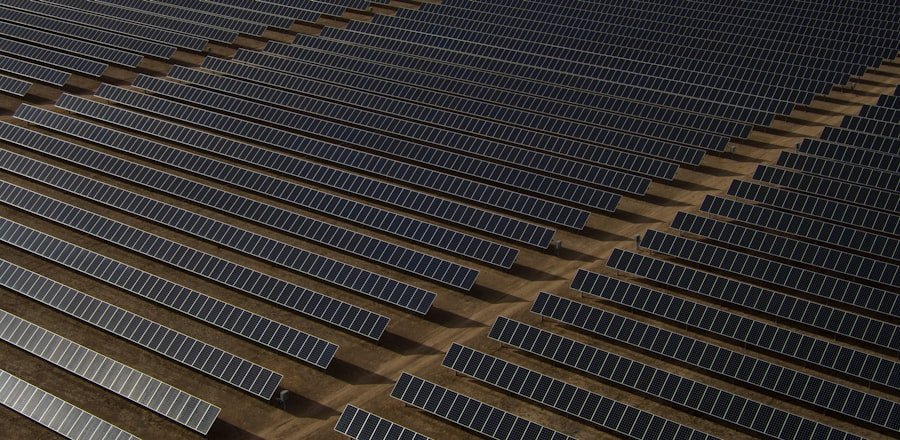
To keep your solar energy system running smoothly, it’s beneficial to have a regular maintenance checklist. Start by inspecting the solar panels for any visible damage or debris. Look for cracks or discoloration that could indicate a problem.
If you notice any significant issues, it may be time to call in a professional for a more thorough evaluation. Next, check the inverter and other electrical components. Ensure that all connections are secure and that there are no signs of corrosion or wear.
It’s also wise to monitor the performance of your system regularly. Keep an eye on your energy production data; if you notice a sudden drop in output, it could signal an underlying issue that needs immediate attention. By following this checklist consistently, you can catch potential problems before they escalate.
Upgrading Solar Panels
As technology advances, so do the capabilities of solar panels. If your system is several years old, you might want to consider upgrading your solar panels to take advantage of improved efficiency and performance. Newer models often have higher energy conversion rates, meaning they can generate more electricity from the same amount of sunlight.
This upgrade could significantly enhance your energy savings over time. Additionally, newer solar panels may come with better warranties and durability features. If you’ve been experiencing issues with your current panels, upgrading could provide peace of mind and a more reliable energy source.
While the initial investment may seem daunting, the long-term benefits of increased efficiency and reduced energy bills can make it a worthwhile consideration.
Upgrading Inverter Systems
The inverter is a crucial component of your solar energy system, converting the direct current (DC) generated by your panels into alternating current (AC) for use in your home. If your inverter is outdated or malfunctioning, it can severely impact the overall performance of your system. Upgrading your inverter can lead to improved efficiency and better monitoring capabilities.
Modern inverters often come equipped with advanced features such as real-time monitoring and smart technology integration. These enhancements allow you to track your energy production more accurately and identify issues quickly. By investing in an upgraded inverter system, you not only improve the functionality of your solar setup but also gain valuable insights into its performance.
Upgrading Battery Storage
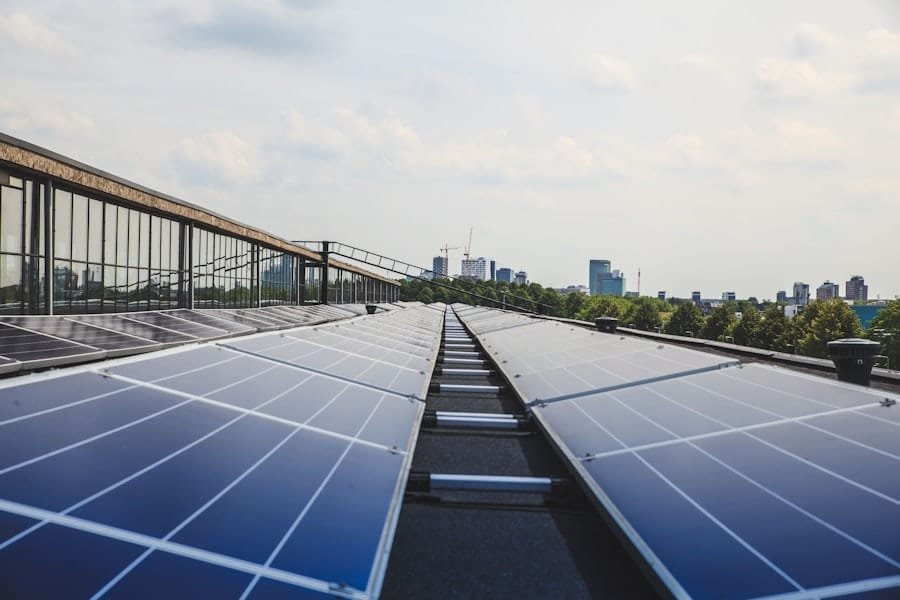
As renewable energy becomes increasingly popular, battery storage technology has also advanced significantly. If you currently rely on traditional battery systems for storing excess energy generated by your solar panels, it may be time to consider an upgrade. Newer battery systems offer higher capacities, faster charging times, and longer lifespans compared to older models.
Upgrading your battery storage can provide greater energy independence and reliability. With improved storage solutions, you can store more excess energy for use during peak demand times or when sunlight is scarce. This capability not only enhances your energy efficiency but also contributes to a more sustainable lifestyle by reducing reliance on grid power.
Finding a Professional Solar Maintenance Provider
While some maintenance tasks can be performed by homeowners, others require professional expertise. Finding a reliable solar maintenance provider is essential for ensuring that your system remains in top condition. Start by researching local companies that specialize in solar maintenance and installation services.
Look for reviews and testimonials from previous customers to gauge their reputation and reliability. When selecting a provider, consider their experience and qualifications in the industry. A reputable company should have certified technicians who are knowledgeable about various solar technologies and maintenance practices.
Additionally, inquire about their service offerings and whether they provide regular maintenance plans tailored to your specific needs. By choosing the right professional, you can rest assured that your solar energy system will receive the care it deserves.
Cost Considerations for Solar Maintenance Upgrades
As with any home improvement project, cost is an important factor when considering solar maintenance upgrades. The initial investment for upgrading components such as panels, inverters, or battery storage can vary widely based on brand, technology, and installation requirements. It’s crucial to conduct thorough research and obtain multiple quotes from different providers to ensure you’re getting a fair price.
However, while upfront costs may seem high, it’s essential to consider the long-term savings associated with these upgrades. Improved efficiency can lead to lower energy bills and a quicker return on investment over time. Additionally, many states offer incentives or rebates for upgrading renewable energy systems, which can help offset some of the costs involved.
By weighing both immediate expenses and future savings, you can make informed decisions about maintaining and upgrading your solar energy system effectively. In conclusion, maintaining your solar energy system is vital for ensuring its longevity and efficiency. By understanding common maintenance issues, following a regular checklist, and considering upgrades when necessary, you can maximize your investment in renewable energy.
Whether you choose to tackle maintenance tasks yourself or enlist professional help, prioritizing care for your solar panels will ultimately lead to greater savings and a more sustainable lifestyle.
If you are considering upgrading your solar maintenance, it is important to choose a reputable and experienced solar company. Evaluating the experience and expertise of a solar company can make a significant difference in the quality of service you receive. For more information on how to choose the right solar company, check out this helpful article on evaluating experience and expertise. Additionally, if you are looking for solar panels near you or interested in using solar energy for household backup power and grid resilience, be sure to explore the related articles on solar panels near me and solar energy for household use.
FAQs
What is solar maintenance?
Solar maintenance refers to the regular upkeep and servicing of solar panels and other components of a solar energy system to ensure they are functioning optimally and efficiently.
Why is solar maintenance important?
Regular maintenance of solar panels and other components is important to ensure the system continues to operate at peak efficiency, maximize energy production, and extend the lifespan of the equipment.
What are some common maintenance tasks for solar panels?
Common maintenance tasks for solar panels include cleaning the panels to remove dirt and debris, checking for any damage or defects, inspecting the wiring and connections, and monitoring the performance of the system.
How often should solar panels be maintained?
Solar panels should be maintained at least once a year, but the frequency of maintenance may vary depending on factors such as the location, climate, and environmental conditions.
What are some upgrades that can improve solar system performance?
Upgrades that can improve solar system performance include installing monitoring systems to track energy production, upgrading to more efficient solar panels or inverters, and adding energy storage solutions such as batteries.
Can I perform solar maintenance and upgrades myself?
While some basic maintenance tasks such as cleaning the panels can be done by the system owner, it is recommended to hire a professional solar maintenance and installation company to perform more complex maintenance and upgrades to ensure safety and proper functioning of the system.