In an increasingly unpredictable world, the importance of solar power in emergency preparedness cannot be overstated. Natural disasters, power outages, and other unforeseen events can disrupt your daily life, leaving you without access to essential services. By integrating solar power into your emergency preparedness plan, you can ensure a reliable source of energy when you need it most.
This renewable energy source not only provides electricity but also enhances your resilience against the challenges posed by emergencies. Moreover, solar power systems can be a game-changer in remote areas where traditional power grids may be unreliable or non-existent. When the grid goes down, having a solar power system can mean the difference between comfort and chaos.
You can maintain essential functions such as refrigeration for food and medicine, communication devices, and even heating or cooling systems. By investing in solar power, you are not just preparing for emergencies; you are also taking a proactive step toward energy independence and sustainability.
Key Takeaways
- Solar power is crucial for emergency preparedness as it provides a reliable and sustainable source of energy during power outages and natural disasters.
- There are various types of solar power systems for emergency use, including grid-tied systems, off-grid systems, and portable solar generators.
- Using solar power in emergency situations offers benefits such as energy independence, cost savings, and environmental sustainability.
- Incorporating solar power into your emergency preparedness plan involves assessing your energy needs, choosing the right solar system, and ensuring proper installation and maintenance.
- Solar power can be used for communication and lighting during emergencies, providing essential services and improving safety in disaster situations.
Types of Solar Power Systems for Emergency Use
When considering solar power for emergency situations, it’s essential to understand the various types of systems available. One popular option is the grid-tied solar system, which connects to the local utility grid. While this system is efficient under normal circumstances, it may not provide power during an outage unless paired with a battery backup.
This is where off-grid solar systems come into play. These systems operate independently of the grid and can be equipped with batteries to store energy for use during emergencies. Another option is portable solar generators, which are compact and easy to transport.
These generators are ideal for short-term emergencies or outdoor activities where access to traditional power sources is limited. They can charge small devices like phones and laptops or even power small appliances. Understanding these different types of solar power systems allows you to choose the one that best fits your needs and circumstances.
Benefits of Using Solar Power in Emergency Situations
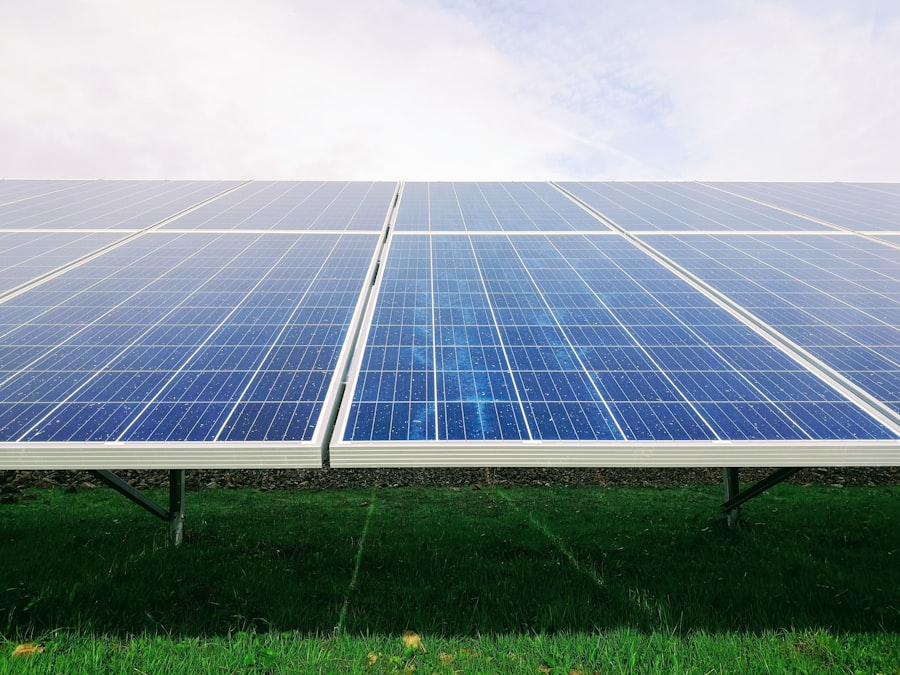
The benefits of using solar power during emergencies extend beyond mere convenience. One significant advantage is the sustainability aspect; solar energy is renewable and abundant. Unlike fossil fuels, which can be depleted and contribute to environmental degradation, solar power harnesses energy from the sun, making it a clean alternative.
This not only helps reduce your carbon footprint but also promotes a healthier planet for future generations. Additionally, solar power systems can provide a sense of security during emergencies. Knowing that you have a reliable source of energy can alleviate stress and anxiety when facing uncertain situations.
You can maintain communication with loved ones, access vital information, and keep essential appliances running. This peace of mind is invaluable when navigating the challenges that emergencies often bring.
How to Incorporate Solar Power into Your Emergency Preparedness Plan
Incorporating solar power into your emergency preparedness plan requires careful consideration and planning. Start by assessing your energy needs during an emergency. Determine which devices and appliances are essential for your survival and comfort, such as medical equipment, refrigeration, or communication tools.
Once you have a clear understanding of your requirements, you can select an appropriate solar power system that meets those needs. Next, consider storage solutions for your solar energy. Battery storage systems are crucial for ensuring that you have access to power when the sun isn’t shining.
Invest in high-quality batteries that can store enough energy to cover your needs during extended outages. Additionally, familiarize yourself with the installation and operation of your solar system to ensure that you can quickly set it up when an emergency arises.
Solar Power for Communication and Lighting during Emergencies
Communication and lighting are two critical components of any emergency preparedness plan, and solar power can play a vital role in both areas. During a crisis, staying connected with family, friends, and emergency services is essential. Solar-powered chargers and generators can keep your mobile devices charged, allowing you to receive updates and communicate with others when traditional power sources are unavailable.
Lighting is equally important during emergencies, especially at night or in low-visibility situations. Solar-powered lights can illuminate your surroundings without relying on the grid. From portable lanterns to solar-powered floodlights, there are various options available to ensure that you have adequate lighting when it matters most.
By integrating solar power into your communication and lighting strategies, you enhance your overall preparedness and safety.
Portable Solar Power Options for On-the-Go Preparedness
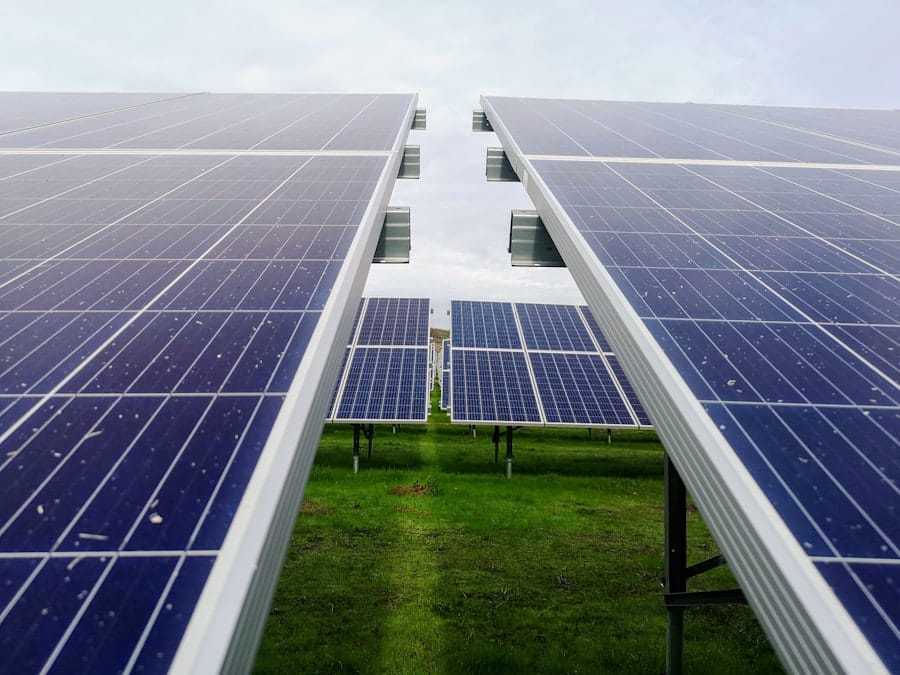
For those who are always on the move or enjoy outdoor activities, portable solar power options offer flexibility and convenience in emergency preparedness. Portable solar panels are lightweight and easy to set up, making them ideal for camping trips or emergency evacuations. These panels can charge batteries or directly power small devices, ensuring that you remain connected even in remote locations.
Another excellent option is solar-powered battery packs. These compact devices can store energy from the sun and provide a reliable source of power for smartphones, tablets, and other small electronics. With these portable solutions at your disposal, you can maintain your connectivity and access essential information regardless of your location or circumstances.
Maintenance and Safety Tips for Solar Power Systems in Emergency Situations
While solar power systems are generally low-maintenance, ensuring their reliability during emergencies requires some attention to detail. Regularly inspect your solar panels for dirt or debris that may obstruct sunlight absorption. Cleaning them periodically will help maintain their efficiency and prolong their lifespan.
Additionally, check the connections and wiring to ensure everything is secure and functioning correctly. Safety is paramount when dealing with any electrical system, including solar power setups. Familiarize yourself with the safety guidelines specific to your system, especially if it includes batteries.
Store batteries in a cool, dry place away from direct sunlight to prevent overheating or damage. In case of an emergency, knowing how to safely operate your solar system will give you confidence in its reliability when you need it most.
Government Incentives and Programs for Solar Power in Emergency Preparedness
Many governments recognize the importance of renewable energy sources like solar power in enhancing community resilience during emergencies. As a result, various incentives and programs are available to encourage individuals to invest in solar technology for emergency preparedness. These may include tax credits, rebates, or grants that help offset the initial costs of purchasing and installing solar systems.
Additionally, some local governments offer educational programs that provide resources on how to effectively integrate solar power into emergency plans. By taking advantage of these incentives and programs, you not only enhance your own preparedness but also contribute to a broader movement toward sustainable energy solutions within your community. In conclusion, integrating solar power into your emergency preparedness plan is a wise investment that offers numerous benefits.
From ensuring reliable energy access during crises to promoting sustainability and resilience, solar power systems can significantly enhance your ability to navigate emergencies effectively. By understanding the various types of systems available, incorporating them into your plans, and taking advantage of government incentives, you can create a robust strategy that keeps you prepared for whatever challenges may arise.
If you are interested in learning more about emerging solar technologies, you may want to check out an article on transparent solar panels. These innovative panels are changing the way we think about solar energy and could be a game-changer for emergency preparedness. You can read more about this exciting technology here.
FAQs
What is solar for emergency preparedness?
Solar for emergency preparedness refers to the use of solar power as a reliable and sustainable energy source during emergencies such as natural disasters, power outages, or other unforeseen events. It involves the use of solar panels, batteries, and other solar-powered devices to provide electricity for essential needs during emergencies.
How does solar power help during emergencies?
Solar power can help during emergencies by providing a reliable source of electricity when the traditional power grid is down. Solar panels can generate electricity from sunlight, which can be stored in batteries for use during nighttime or cloudy days. This can power essential devices such as lights, communication devices, medical equipment, and refrigeration.
What are the benefits of using solar for emergency preparedness?
The benefits of using solar for emergency preparedness include:
1. Reliability: Solar power is a reliable source of electricity during emergencies when the traditional power grid may be unavailable.
2. Sustainability: Solar power is a renewable and sustainable energy source, reducing reliance on fossil fuels during emergencies.
3. Cost-effectiveness: Once installed, solar panels can provide free electricity from sunlight, reducing the cost of emergency power needs.
4. Independence: Solar power provides independence from the traditional power grid, allowing individuals to maintain essential electricity needs during emergencies.
What are some solar-powered devices for emergency preparedness?
Some solar-powered devices for emergency preparedness include:
1. Solar panels: These capture sunlight and convert it into electricity.
2. Solar-powered generators: These store solar energy in batteries for use during emergencies.
3. Solar-powered lights: These provide illumination without the need for traditional electricity.
4. Solar-powered chargers: These can charge essential devices such as phones, radios, and medical equipment using solar energy.
How can I incorporate solar power into my emergency preparedness plan?
To incorporate solar power into your emergency preparedness plan, you can:
1. Install solar panels on your home or property to generate electricity.
2. Invest in solar-powered devices such as generators, lights, and chargers for emergency use.
3. Educate yourself on how to use and maintain solar-powered equipment for emergencies.
4. Develop a plan for storing and using solar-generated electricity during emergencies.