When considering the installation of solar panels, one of the most critical steps is assessing the suitability of your roof. This evaluation is essential because the effectiveness of solar panels largely depends on their placement and the conditions of the roof they are installed on. A roof that is not suitable for solar panels can lead to inefficient energy production, increased maintenance costs, and even potential damage to your home.
By thoroughly assessing your roof’s characteristics, you can ensure that your investment in solar energy will yield the best possible returns. Moreover, understanding your roof’s suitability can help you avoid common pitfalls associated with solar panel installation. For instance, if your roof is too old or structurally unsound, you may face significant issues down the line, such as leaks or the need for costly repairs.
By taking the time to evaluate your roof before installation, you can make informed decisions that not only enhance the longevity of your solar panels but also protect your home’s overall integrity. This proactive approach can save you time, money, and stress in the long run.
Key Takeaways
- Assessing roof suitability for solar panels is important to ensure maximum energy production and system efficiency.
- Factors to consider when assessing roof suitability include roof orientation, angle, shading, structural integrity, and available space.
- Evaluating roof orientation and angle is crucial for determining the potential solar energy production and system performance.
- Understanding roof shading and its impact on solar panel performance is essential to avoid potential energy loss and inefficiency.
- Assessing roof structural integrity is necessary to ensure the safety and stability of the solar panel installation.
Factors to Consider When Assessing Roof Suitability
Several factors come into play when determining whether your roof is suitable for solar panel installation. First and foremost, the material of your roof is crucial. Different roofing materials have varying lifespans and durability levels.
For example, asphalt shingles are commonly used and can last around 20 years, while metal roofs can last 50 years or more. If your roof is nearing the end of its lifespan, it may be wise to consider replacing it before installing solar panels. Another important factor is the age of your roof.
If your roof is older than 15-20 years, it may require repairs or replacement before you can safely install solar panels. Additionally, the pitch or slope of your roof can affect how much sunlight your panels receive. A steeper pitch may allow for better sunlight exposure but could complicate installation.
Understanding these factors will help you make a more informed decision about whether your roof is ready for solar panels.
Evaluating Roof Orientation and Angle for Solar Panels
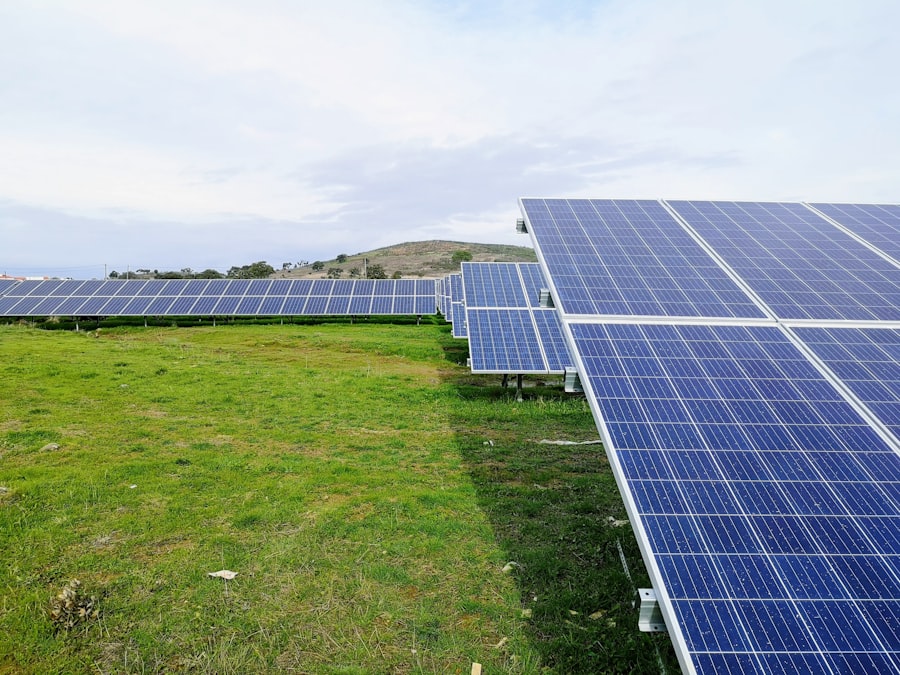
The orientation and angle of your roof play a significant role in determining how much sunlight your solar panels will receive throughout the day. Ideally, roofs that face south receive the most direct sunlight, making them the best candidates for solar panel installation. However, east- and west-facing roofs can also be effective, especially if they have a good angle and minimal shading.
The angle of your roof is equally important. Solar panels perform best when they are installed at an angle that allows them to capture maximum sunlight exposure. In general, a tilt angle between 30 to 45 degrees is considered optimal for solar energy production in many regions.
If your roof has a flatter pitch, you may need to consider mounting systems that can adjust the angle of the panels to ensure they are positioned correctly for optimal performance. (Source: U.S. Department of Energy)
Understanding Roof Shading and its Impact on Solar Panel Performance
| Roof Shading Factor | Impact on Solar Panel Performance |
|---|---|
| Low | Minimal impact, optimal solar panel performance |
| Moderate | Reduced solar panel output, potential for energy loss |
| High | Significant reduction in solar panel efficiency, potential for energy loss |
Shading is another critical factor that can significantly impact the performance of solar panels. Even partial shading from trees, buildings, or other structures can reduce energy production by a considerable margin. When assessing your roof’s suitability for solar panels, it’s essential to evaluate any potential sources of shade throughout the day and across different seasons.
To accurately assess shading, you might consider using tools like a solar pathfinder or smartphone apps designed to analyze sunlight exposure. These tools can help you visualize how shadows will fall on your roof at various times of the day and year. If you find that shading is a significant issue, you may need to explore options such as trimming trees or selecting specific panel configurations that minimize shading effects.
Assessing Roof Structural Integrity for Solar Panel Installation
Before installing solar panels, it’s vital to assess the structural integrity of your roof. Solar panels can add considerable weight to your roof, so ensuring that it can support this additional load is crucial. You should check for any signs of damage or wear, such as sagging areas, cracked shingles, or water stains on ceilings inside your home.
If you have any doubts about your roof’s structural integrity, it’s advisable to consult with a professional structural engineer or roofing contractor. They can conduct a thorough inspection and provide recommendations on whether any repairs or reinforcements are necessary before proceeding with solar panel installation. Addressing these concerns upfront will help prevent future issues and ensure that your solar investment is secure.
Calculating Roof Space and Capacity for Solar Panel Installation
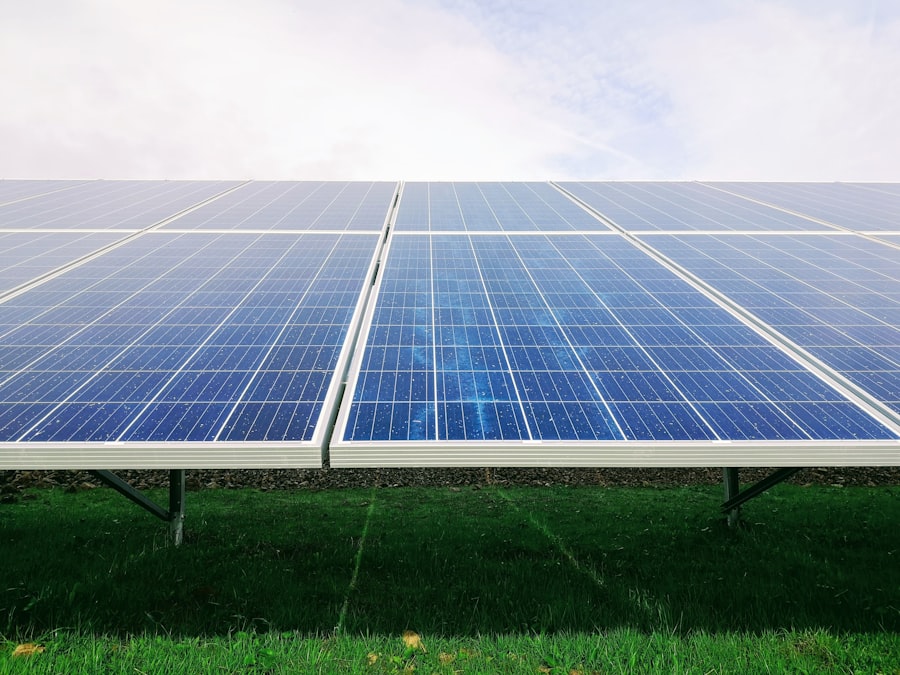
Calculating the available roof space for solar panel installation is another essential step in assessing suitability. You need to determine how many panels can fit on your roof without overcrowding or compromising aesthetics. Start by measuring the dimensions of your roof and considering any obstructions such as chimneys, vents, or skylights that may limit usable space.
Once you have an idea of the available area, you can calculate how many solar panels you can install based on their size and wattage. Keep in mind that larger systems will typically produce more energy but may require more space than you have available. Balancing energy needs with available space will help you design a system that meets your requirements while fitting comfortably on your roof.
Steps to Assess Roof Suitability for Solar Panels
To effectively assess your roof’s suitability for solar panels, follow a systematic approach. Start by conducting a visual inspection of your roof to identify any visible damage or wear. Look for signs of aging materials, such as curling shingles or rusted metal components.
Next, evaluate the orientation and angle of your roof to determine how much sunlight it receives throughout the day. Afterward, consider any potential shading issues from nearby trees or structures that could impact performance. It’s also essential to assess the structural integrity of your roof by checking for sagging areas or water damage.
Finally, measure the available space on your roof to calculate how many solar panels you can install effectively. By following these steps methodically, you’ll gain a comprehensive understanding of whether your roof is suitable for solar panel installation.
Hiring a Professional to Assess Roof Suitability for Solar Panels
While you can conduct a preliminary assessment of your roof’s suitability for solar panels on your own, hiring a professional can provide invaluable insights and expertise. Solar energy consultants and roofing contractors have experience evaluating roofs specifically for solar installations and can identify issues that may not be immediately apparent to an untrained eye. A professional assessment typically includes a thorough inspection of your roof’s condition, orientation, angle, shading factors, and structural integrity.
They can also provide recommendations on necessary repairs or modifications needed before installation. By investing in a professional evaluation, you ensure that your solar panel system will be installed on a solid foundation, maximizing its efficiency and longevity while safeguarding your home’s structure.
If you are considering installing solar panels on your roof, it is important to ensure that your roof is suitable for this type of installation. According to a recent article on commercial solar energy, it is crucial to assess the condition and orientation of your roof before proceeding with solar panel installation. This article provides valuable insights into the factors that determine the suitability of a roof for solar panels, such as its age, material, and shading. By consulting with reputable solar providers like those listed on solar providers for you to reach, you can ensure that your roof is ready to support a solar energy system.
FAQs
What factors determine the suitability of a roof for solar panels?
The factors that determine the suitability of a roof for solar panels include the roof’s orientation, angle, shading, and structural integrity.
What is the best orientation for a roof to install solar panels?
The best orientation for a roof to install solar panels is south-facing in the northern hemisphere and north-facing in the southern hemisphere. This allows for maximum sun exposure throughout the day.
What is the ideal angle for a roof to install solar panels?
The ideal angle for a roof to install solar panels is typically between 30 and 45 degrees, depending on the geographical location. This angle allows for optimal sunlight absorption.
How does shading affect the suitability of a roof for solar panels?
Shading can significantly impact the efficiency of solar panels. It is important to ensure that the roof has minimal shading from nearby trees, buildings, or other obstructions.
What should be considered regarding the structural integrity of a roof for solar panel installation?
The structural integrity of a roof is crucial for supporting the weight of solar panels. It is important to have a professional assess the roof’s ability to withstand the additional weight and make any necessary reinforcements.
Can any type of roof support solar panel installation?
Most types of roofs can support solar panel installation, including asphalt shingle, metal, tile, and flat roofs. However, the specific characteristics of each roof type should be considered when determining suitability.